Author name: Ray

Blog

Which Windshield Glass Brand Is Best?

I’ve been in the auto glass world for over three decades. My name is Ray, but most customers call me Ray. I started in the early 90s when we removed windshields with cold knives and used halogen lamps that made the shop feel like a summer afternoon in Arizona. Back then, nobody asked online, “Which windshield glass brand is best?” They just wanted it fixed right. Today, things are different. Cars are smarter. Windshields are no longer just pieces of glass. They hold cameras, rain sensors, heating elements, and sometimes even heads-up displays. And with all that change, one question keeps coming up: Which windshield glass brand is best? It’s a fair question. Because this isn’t about looks. It’s about safety. It’s about long-term durability. It’s about protecting your family when you’re driving at 70 mph in winter weather. I’ve seen cheap glass fail. I’ve seen premium glass perform beautifully for years. I’ve trained young installers who learned the hard way that not all glass is equal. So let’s break this down the way I would if we were standing next to your car in the shop. Why the Windshield Brand Matters More Than Most Drivers Think When people think about car safety, they think about brakes, airbags, maybe tires. Rarely do they think about the windshield. But I can tell you from 30 years in the trade, your windshield is one of the most important structural components of your vehicle. In a rollover accident, the windshield helps support the roof. In a front-end collision, it works with your airbags. If it pops out because it’s weak or poorly installed, the airbag can deploy incorrectly. I’ve seen vehicles come into the shop after accidents where the glass separated from the frame. That’s not something you forget. Back in the 90s, windshields were simpler. Thicker in some cases. Less complicated. Today, they’re engineered for precision. That precision depends on material quality, lamination strength, and fit. So when someone asks me which windshield glass brand is best, I always say this first: it matters because your safety depends on it. Not just the brand itself, but how that brand performs under stress, temperature swings, and impact. Your windshield isn’t decoration. It’s part of your car’s backbone. OEM vs Aftermarket: Understanding the Core Difference This is where most of the confusion begins. When asking which windshield glass brand is best, you’ll hear two main categories: OEM and aftermarket. OEM stands for Original Equipment Manufacturer. That means the glass was made by the same manufacturer that supplied the windshield when your car was built at the factory. It matches the exact thickness, tint, curvature, and mounting points designed by the vehicle maker. Aftermarket glass, on the other hand, is produced by companies not originally tied to your vehicle’s factory production. It must meet safety regulations, but it may not be identical in every small detail. Now here’s the truth after decades of hands-on experience: OEM glass offers the closest match to factory performance. It typically fits perfectly and works seamlessly with modern sensors. But aftermarket glass has improved dramatically over the years. In the early 2000s, I saw plenty of distortion issues. Wavy reflections. Slight mismatches. Today, quality manufacturers produce excellent aftermarket glass that performs safely when installed correctly. The key isn’t simply OEM versus aftermarket. The key is the quality of the specific brand and the precision of installation. Pilkington: The Brand I Trust for Premium Performance If someone walks into my shop and says, “Ray, I want the absolute best,” Pilkington is usually the first name that comes to mind. I’ve installed thousands of Pilkington windshields. The clarity is excellent. The lamination feels solid. When you handle it, there’s a certain confidence in the weight and finish. It’s hard to describe unless you’ve lifted as many windshields as I have. Pilkington has been in the glass business for generations. That experience shows. The optical quality is consistent. I rarely see distortion complaints. On luxury vehicles or cars with advanced driver assistance systems, Pilkington performs reliably. I remember replacing the windshield on a high-end European sedan. The owner was very particular. After installation, he told me the road looked sharper than before. That’s something you don’t forget as a craftsman. When people ask which windshield glass brand is best for long-term durability and clarity, Pilkington is always in the conversation. Saint-Gobain Sekurit: Precision for European Vehicles Another brand that stands out in my career is Saint-Gobain Sekurit. If you work on BMW, Mercedes, Audi, or other European cars, you see this name often. What I appreciate about Sekurit glass is its precision. The curvature matches perfectly. The mounting areas align cleanly. On vehicles loaded with cameras and lane assist systems, that precision matters. I once had a case where a customer insisted on saving money with a cheaper alternative. After installation, the vehicle’s lane assist system threw constant warnings. We removed it and installed a Sekurit OEM windshield. Problem solved. Modern vehicles are extremely sensitive to small changes in angle and thickness. That’s something many drivers don’t realize. Even a minor variation can affect sensor alignment. So when evaluating which windshield glass brand is best for high-tech vehicles, Sekurit is often a strong answer. AGC Automotive: A Reliable and Balanced Option AGC Automotive is another brand I’ve worked with extensively. It’s common in Japanese vehicles like Toyota and Honda. What I’ve noticed about AGC over the years is consistency. The glass is well-laminated. The clarity is strong. It doesn’t feel flimsy. Installation tends to go smoothly because tolerances are predictable. In my experience, AGC often strikes a balance between cost and quality. It may not always carry the same brand recognition among consumers, but within the trade, it has a solid reputation. When customers ask which windshield glass brand is best for a mid-range vehicle and they want dependable performance without paying premium OEM pricing, AGC is often a sensible recommendation. Consistency matters in this business. And AGC has delivered that for

Blog

How to Stop a Windscreen Crack from Spreading: Expert Guidance for Sterling Heights Drivers

I’m Ray. I’ve spent over 30 years repairing, replacing, and inspecting windshields in Sterling Heights and surrounding areas. From the thick glass of 90s sedans to today’s high-tech windshields equipped with cameras, sensors, and heads-up displays, I’ve seen how small cracks, left untreated, can escalate into serious safety hazards. Many drivers think a tiny chip is harmless, but I’ve witnessed countless situations where a minor crack spread across the windshield in a matter of days. Not only does it affect visibility, but it can compromise structural integrity, interfere with airbags, and even cause sensor malfunctions in modern vehicles. If you’re reading this, chances are you’ve noticed a chip or crack in your windshield and are wondering how to prevent it from spreading. In this article, I’ll explain the causes of crack propagation, temporary measures you can take immediately, why professional repair is essential, and best practices for long-term protection, all tailored for Sterling Heights drivers. Understanding Why Windscreen Cracks Spread Windscreen cracks develop and expand due to multiple factors, often interacting in ways that drivers don’t realize. One of the most critical factors is temperature stress. In Sterling Heights, winter temperatures can plunge well below freezing, while summer heat can create extreme differences between the inside and outside of your vehicle. When glass contracts in cold weather and expands under heat, any pre-existing weakness can widen rapidly. I’ve seen a tiny star-shaped chip in January turn into a full windshield fracture within a week due to this freeze-thaw cycle. Road conditions are another major contributor. Sterling Heights drivers frequently encounter potholes, gravel, and construction zones along M-59 and local streets. Even minor vibrations from these roads transmit forces directly through the windshield. Over time, these repeated impacts exacerbate micro-cracks, increasing the likelihood of propagation. Moisture intrusion further accelerates growth. Snow, rain, or even condensation entering the crack can freeze, expanding the fissure and weakening the bond between layers of laminated glass. On vehicles equipped with ADAS systems, even a small crack can distort the optical properties of the windshield, causing cameras or sensors to misalign. Finally, glass composition and quality play a crucial role. Laminated safety glass is designed to resist shattering, but low-quality or poorly manufactured glass may propagate cracks more quickly. High-quality glass from trusted brands maintains structural integrity longer, slowing the spread and making repairs more effective. Understanding these causes helps drivers act quickly. Recognizing that even a minor crack is vulnerable to temperature changes, road vibrations, and moisture is the first step in preventing further damage. Immediate Steps to Protect Your Windshield Once a crack appears, the first 24–48 hours are critical to prevent spreading. Sterling Heights drivers can take several immediate precautions while waiting for professional service. Temperature control is essential. Avoid blasting the heater on a frozen windshield or parking under direct sunlight during hot summer days. Rapid heating or cooling stresses the glass and encourages propagation. Keeping the interior of your car at a moderate temperature and parking in shaded or covered areas helps stabilize existing cracks. Prevent moisture and debris intrusion. Small chips easily accumulate dirt or water, which weakens the glass and makes repairs more challenging. Using a soft cloth to gently clean the damaged area without scrubbing or using harsh chemicals prevents further weakening. A temporary protective barrier, such as clear packing tape or windshield-specific tape, can help seal the crack from moisture. Ensure it is smooth, flat, and fully covers the damaged area. Replace if it loosens or bubbles form. Driving behavior also matters. Smooth acceleration, gentle braking, and avoiding rough terrain reduce the vibration stress on the glass. Even short trips over rough streets or hitting speed bumps aggressively can accelerate crack growth. Avoid automatic car washes until the windshield is repaired, as high-pressure water jets can force moisture into the crack. Following these immediate steps doesn’t guarantee a permanent solution, but it significantly reduces the risk of propagation and buys time until professional repair can be performed. Temporary DIY Measures and Their Limitations Many drivers attempt DIY solutions to stop cracks from spreading, and while some can slow damage temporarily, they are never a full substitute for professional repair. Resin kits, available at auto parts stores, are a popular choice. These kits inject a bonding resin into the crack to prevent moisture from entering. When applied correctly, they can stabilize small cracks and allow safe short-term driving. However, improper use often leaves bubbles, optical distortion, or incomplete adhesion, which reduces effectiveness. Other emergency methods include using superglue or clear nail polish. While these can block moisture, they do not restore the windshield’s structural integrity. I’ve trained many technicians who had to redo repairs because a customer attempted a DIY fix improperly. It’s also important to note that curing time matters. Resin must fully harden to provide strength. Applying it incorrectly, driving too soon, or exposing it to temperature extremes during curing can cause the crack to worsen instead of improving. The bottom line: DIY measures can buy time, but professional intervention is required for a reliable, long-term solution. Understanding these limitations helps Sterling Heights drivers make informed decisions while protecting their vehicles and passengers. Professional Repair vs Replacement When it comes to stopping a crack from spreading, professional repair and replacement are the gold standards. The decision depends on the crack’s size, location, and the vehicle’s technology. Small chips, usually under one inch, can often be repaired with resin injection. Proper bonding ensures structural integrity and restores optical clarity. Medium cracks, from one to six inches, may also be repairable if they haven’t reached the edge. Speed is critical, as delays increase the risk of propagation. Large cracks, especially those that extend to the edge or exceed six inches, typically require a full windshield replacement. Edge cracks compromise structural support and may violate Michigan safety and inspection standards. Professional repair ensures that adhesive bonds correctly to the pinch weld. This is vital because the windshield contributes to roof support during rollovers and airbag deployment during frontal

Blog

How Much Does It Cost to Repair a Windshield Wiper Motor

If your windshield wipers stop working in the middle of a heavy Fenton rainstorm, you know that sinking feeling. Visibility drops, traffic seems faster, and suddenly what felt like a minor annoyance becomes a full-on safety emergency. That’s usually when folks ask me, “Revin, how much does it cost to repair a windshield wiper motor?” I’ve been fixing cars and windshields since the late ’80s, long before mobile repair vans had air compressors and before I-CAR certifications were standard. Back then, I remember a Sterling Heights customer whose wiper motor failed during a sudden snow squall. The motor was shot, and the car had to sit in the shop overnight. The cost? Enough to make him swear he’d never ignore wiper maintenance again. Today, I want to walk you through everything about windshield wiper motor repair: what the motor does, why it fails, the costs you can expect, DIY vs professional repair, and tips to avoid surprises. What Is a Windshield Wiper Motor and Why It Matter? A windshield wiper motor is the heart of your wiper system. It converts electrical energy into motion that moves your wipers across the windshield. Without it, the wipers won’t move, leaving you blind in rain, snow, or even dust storms. Back in the early ’90s, wiper motors were simpler. They had fewer electronics and fewer speed options. Today, some wiper motors sync with rain sensors, ADAS cameras, and automatic speed adjustment. That’s why modern repairs can be trickier—and sometimes more expensive—than they used to be. Driving with a faulty wiper motor isn’t just inconvenient—it’s dangerous. Rain reduces visibility drastically, and a failed motor during a storm can turn an ordinary drive into an accident risk. Common Causes of Wiper Motor Failure: Why Your Wipers Stop Working and How to Prevent It Understanding why a wiper motor fails can save you both money and major headaches on the road. Wiper motors may seem simple, but they endure constant wear, exposure to the elements, and electrical stress. Knowing the common causes can help you catch issues early and avoid costly replacements. Wear and Tear: Over time, the brushes inside the motor naturally wear down from constant movement. This is the most common cause of failure, especially in older vehicles or those driven frequently in rain or snow. Even if your wipers seem fine, worn brushes reduce motor efficiency and can eventually cause the motor to seize. Regular inspection every year can prolong motor life. Electrical Issues: Corroded connectors, blown fuses, or loose wiring can interrupt power to the motor. Modern vehicles have complex circuits that integrate wipers with rain sensors, ADAS cameras, and sometimes even automatic headlight systems. A single electrical fault can make the motor stop entirely or cause erratic movement. Keeping the connectors clean and checking for fuse integrity is key. Mechanical Strain: Heavy snow, ice, or debris on the windshield can overload the motor. Forcing wipers through frozen snow or stuck leaves creates extra stress that burns out internal gears or the motor itself. Always remove snow and debris by hand before activating wipers, especially during Fenton winters. Neglect: Running wipers on a dry windshield may seem harmless, but it increases friction, heating, and wear on the motor. Neglecting basic maintenance, like replacing worn wiper blades or using washer fluid, can shorten motor lifespan significantly. Debris and Moisture: Older motors can be compromised by water and grime seeping in over time. Rusted or dirty internal components cause resistance, overheating, and eventual failure. Seasonal checks, especially after rainstorms or dusty road conditions, can prevent this. I remember one client in Fenton who drove through a dust storm without using washer fluid. Tiny sand particles built up inside the motor, and by spring, the motor was squealing and finally failed. Simple maintenance could have avoided a costly replacement and a stressful drive in the rain. Step-By-Step: How a Wiper Motor Is Repaired – From Diagnosis to Reinstallation Not every motor needs a full replacement. Often, a careful inspection and targeted repair can restore function quickly. Here’s the detailed process we follow at Save On Auto Glass: 1. Diagnosis: The first step is always a thorough diagnosis. This includes checking for blown fuses, broken relays, damaged wiring, or worn internal components. Electrical continuity tests identify faults before any physical repair is attempted. 2. Motor Testing: The motor is removed from the vehicle to test its operation outside the car. This ensures the motor is functioning properly and identifies whether internal repairs are needed or if a full replacement is the best solution. Repair Options: Reinstallation and Testing: The repaired or replaced motor is reinstalled, and the wipers are tested across all speeds. Rain sensors and any automatic functions are checked to ensure proper operation. Electrical Check: Finally, all fuses, connectors, and wiring are confirmed secure. This prevents future failures and ensures the motor operates safely under all conditions. DIY vs Professional Repair: When to Call a Pro and Why While some minor motor issues might be tempting to fix yourself, modern vehicles make professional intervention the safer choice. DIY Pros: DIY Cons: Professional Repair Benefits: At Save On Auto Glass, we use quality tools, testing procedures, and industry experience to ensure that every wiper motor repair is safe, reliable, and long-lasting. Signs Your Wiper Motor Needs Attention: Early Warnings Before Complete Failure Catching a failing wiper motor early can prevent dangerous driving situations: I had a Fenton driver notice a squealing motor during light rain. Ignoring it for just one week led to complete motor failure in a heavy storm, creating both danger and an emergency repair bill. Early attention saves money and ensures safety. Weather and Maintenance Considerations: Protecting Your Wiper Motor Year-Round Fenton’s unpredictable weather makes preventive care essential: Pro Tip: Lifting wipers during winter avoids ice build-up and reduces motor strain. Regular seasonal inspections, lubrication, and blade replacement extend motor life and prevent sudden failures. Insurance and Warranty Tips: When You Don’t Have to Pay Out-of-Pocket Some insurance policies cover wiper

Blog

How to Repair Scratches on a Windshield

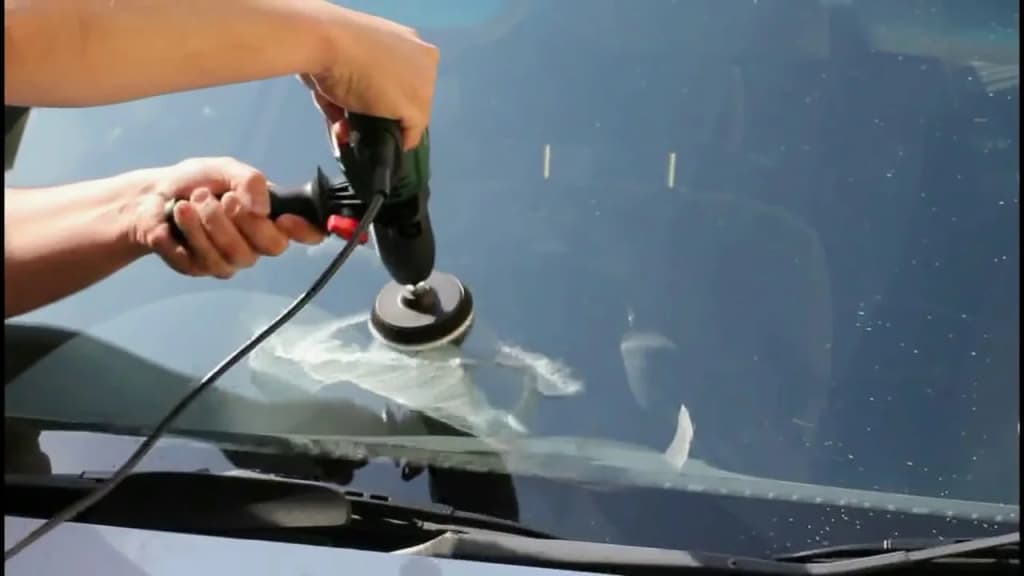
If you’ve ever glanced at your windshield and noticed a scratch, you know that little line can be way more than just an eyesore. It can feel like your car’s face has a tiny scar, and if left untreated, scratches can grow, compromise visibility, and even affect safety features like ADAS cameras. I’ve been working on windshields since the late 80s—back when mobile repair vans ran on noisy generators and our tools were bulky and clunky. Over the decades, I’ve repaired thousands of windshields, and I can tell you: most scratches are fixable if you act quickly and use the right approach. In this guide, I’ll walk you through how to repair scratches on a windshield, share tips that only seasoned pros know, and explain what works, what doesn’t, and why rushing a repair can cost you more in the long run. By the time you finish reading, you’ll understand your options, how the repair process works, and how to protect your car from future damage. Why Windshield Scratches Matter Scratches on a windshield may seem minor, but their impact goes far beyond appearance. Even a small line can distract your attention while driving, especially in bright sunlight or at night when light reflects off the scratch. This distraction increases the risk of accidents, particularly on busy Auburn Hills roads, highways, and near shopping areas. Scratches can also interfere with modern safety features. Many vehicles now have rain sensors, lane assist cameras, and collision detection systems integrated into the windshield area. A scratch in the wrong place can reduce sensor accuracy, trigger false alerts, or even compromise airbag deployment in a collision. Beyond safety, scratches affect your vehicle’s resale value. A windshield marked with visible scratches looks poorly maintained, lowering your car’s perceived worth to buyers or dealerships. Furthermore, scratches are often the starting point for cracks. Dirt, moisture, or debris that seeps into a scratch can expand the damage over time. I remember a Sterling Heights customer in 1999 who ignored a tiny scratch near the top of his windshield. Six months later, after a spring storm, that small mark had grown into a spiderweb crack across the glass. The repair that could have cost $100 initially turned into a $300–$400 replacement—three times the expense—simply because of delayed attention. Scratches are not just cosmetic—they’re early warnings that shouldn’t be ignored. Understanding Scratch Types Not all scratches are the same, and recognizing their type is key to determining the correct repair method. Scratches vary in depth, location, and cause, and each presents unique challenges: Pro Tip: Run your fingernail lightly across the scratch. If it catches, the scratch is deep and likely requires professional intervention. If it feels smooth, it may be a surface-level scratch that can be polished at home. Understanding the scratch type helps prevent wasted time, effort, and money on ineffective repairs. Tools You’ll Need for Scratch Repair Having the proper tools is critical for effective windshield scratch repair. Using the wrong equipment or rushing the process can worsen damage, leaving micro-scratches or uneven surfaces. Over my decades of experience, I’ve learned that patience and precision outweigh speed. Essential tools include: Pro Tip: In the early 90s, I attempted a repair with a regular metal brush in Sterling Heights. The result? More scratches and a long, costly recovery process. Proper tools prevent these errors, saving both time and money. Step-by-Step Scratch Repair Process Repairing a windshield scratch is a careful, methodical process. Whether you’re attempting a DIY repair or hiring a professional, following these steps ensures the best results: 1. Clean the Glass Remove dirt, dust, oils, or debris before touching the scratch. Even small particles can create new scratches during polishing. Use a glass-safe cleaner and a microfiber cloth. For best results, work in a shaded area to prevent quick drying that can leave streaks. 2. Assess the Scratch Depth Determine whether the scratch is surface-level or deep. A shallow scratch can usually be polished out, while a deep scratch may require professional tools or even partial replacement. The fingernail test works well—if your nail catches, treat it as deep. 3. Mask Surrounding Areas Apply masking tape to protect paint, trim, or other glass sections. Polishing compounds can leave marks if they spill over, so careful masking ensures a clean repair and preserves your car’s finish. 4. Apply Polishing Compound Use cerium oxide powder mixed with water or a pre-made glass polishing compound. Apply lightly to the scratch with soft, circular motions. Start slow, checking progress frequently. Over-polishing can leave uneven surfaces, so patience is key. 5. Buff and Clean Once polished, remove the residue with a clean microfiber cloth. Inspect under bright light to ensure the scratch has been minimized or removed. Sometimes polishing leaves faint marks that require additional passes. 6. Repeat if Necessary Some scratches, especially deeper or star-shaped ones, may need multiple polishing cycles. Rushing the process can worsen the damage, so repeat gently until results are satisfactory. Common Mistakes to Avoid Even seasoned DIYers make mistakes that can compromise the repair: Avoiding these mistakes is crucial to maintaining both the glass’s appearance and structural integrity. DIY vs Professional Repair DIY Pros: DIY Cons: Professional Pros: Professional Cons: Weather and Curing Concerns Weather can significantly affect scratch repair success. Moisture, rain, or snow can prevent polishing compounds from curing correctly and cause streaks or uneven surfaces. Deep scratches may require controlled conditions for proper bonding, which is often only possible in professional settings. Acting quickly is essential. Scratches can interfere with visibility and ADAS cameras, and leaving them exposed allows dirt, moisture, or thermal stress to worsen the damage. Proper tools, patience, and step-by-step technique are essential for a durable, safe repair. FAQS Conclusion Windshield scratches may seem minor at first glance, but they can quickly escalate into serious safety hazards or costly repairs if ignored. From reducing visibility to interfering with ADAS cameras and sensors, even small scratches can compromise your vehicle’s performance and safety features. Acting promptly—whether through careful

Blog

How to Use a Permatex Windshield Repair Kit: A Complete Guide

There’s nothing quite like that sinking feeling when you notice a chip or small crack on your windshield. One moment, you’re driving along, and the next, a rock from a passing truck leaves a blemish right in your line of sight. Many people immediately think, “I’ll just use a windshield repair kit,” and for some minor damage, that can work. But how exactly do you use a Permatex windshield repair kit, and more importantly, when should you consider professional help? I’ve been in the auto glass business since the late 80s. Back then, mobile repair vans rattled down streets powered by generators, and glass bonding wasn’t nearly as advanced as today. I’ve seen countless DIY attempts go wrong—some funny, some painful, and some downright dangerous. Today, I want to share not just a step-by-step guide on using the Permatex kit, but also the real-world tips and tricks I’ve learned over 35 years to ensure your windshield repair is safe and effective. Why Proper Windshield Repair Matters A windshield isn’t just a piece of glass—it’s a key structural component of your car. It protects you from debris, strengthens your vehicle in case of a rollover, and supports your airbags. For cars with ADAS systems like lane departure warnings or adaptive cruise control, the windshield also serves as a precise mounting point for cameras and sensors. Even a small chip can spread into a dangerous crack if left untreated. A failed repair could compromise safety, visibility, and even your insurance coverage. That’s why knowing how to properly use a repair kit is crucial. With the right technique, you can prevent minor damage from turning into a costly replacement. What You Need to Know Before Using a Permatex Kit The Permatex windshield repair kit is designed for small chips and star-shaped cracks. It’s great for quick fixes when professional service isn’t immediately available. However, it has its limits. Here’s what you should know before diving in: I remember a client in Sterling Heights in 1999 who tried a DIY kit on a morning when the temperature was just below freezing. By noon, the resin hadn’t bonded correctly, and the crack spread. That’s why preparation is as important as the kit itself. Understanding Windshield Chip Types Over the years, I’ve learned that not all windshield chips behave the same way, even if they look small at first glance. Some chips are shallow and stay put for years, while others quietly turn into long cracks almost overnight. A simple rock chip usually happens when a small stone hits the glass at just the right angle, leaving a tiny mark that looks harmless but can weaken the outer layer. Star breaks are a little more dramatic, with thin cracks spreading out from the impact point like spider legs, and they tend to spread faster when temperatures swing. Then there are combination breaks, which are exactly what they sound like—a mix of chip and crack—and those can be tricky because they often look repairable until you really study how deep the damage goes. In my experience, understanding what type of chip you’re dealing with is the first step in deciding whether a repair will actually hold or if replacement is the safer long-term move. Step-by-Step Guide: Using the Permatex Windshield Repair Kit Here’s how I recommend using the kit, based on years of experience and observing common mistakes: Step 1: Preparation Step 2: Assemble the Injector The kit comes with a pedestal, plunger, and resin. Attach the pedestal over the chip according to the instructions. Back in the early 90s, we used hand pumps and messy syringes that often spilled resin. Modern kits like Permatex are far easier to handle but require careful alignment. Step 3: Inject the Resin This step is crucial. Inadequate filling leads to trapped air, which can make the chip visible and reduce structural strength. Step 4: Cure the Resin Permatex kits usually include a curing strip and instructions for UV exposure. A little sun helps, but too much can cause uneven curing. I’ve seen cracks “pop” mid-curing under intense sunlight, which is why shaded curing often works better. Step 5: Remove Excess Resin After curing: The result should be a smoother surface and a chip that’s stabilized against spreading. Tips from the Field After decades of repairing windshields, I’ve learned a few extra tricks that improve DIY results: I’ve helped over 10,000 drivers with minor chip repairs, and following these guidelines dramatically improves the odds of success. When to Call a Professional Even the best DIY kit can’t handle everything. Call a professional if: Professional technicians use AGSC-approved resins, OEM-grade glass, and precise tools to ensure repairs last. They also check ADAS alignment, which is critical for modern vehicles. Common Mistakes to Avoid Even I’ve had techs in training learn the hard way. A minor lapse can turn a simple bullseye into a spiderweb overnight. Pros and Cons of DIY Kits Pros: Cons: I always tell drivers, “A kit is a first-aid solution. It’s not a permanent fix for serious damage.” Real Costs and Insurance Considerations A Permatex kit typically costs $15–$25, making it a cheap way to stabilize small chips. Professional repair can range from $50–$100, depending on the complexity. Full windshield replacement starts around $200 and can rise significantly for luxury vehicles. Many insurance policies cover chip repair at no cost. Replacement often involves a deductible. If you’re considering a DIY kit, check whether your policy will cover a professional fix afterward—especially if the DIY attempt doesn’t go perfectly. Pro Tips for Longevity Keep a UV-protective parking spot – Sunlight improves curing but prevents overheat issues. FAQs Conclusion Using a Permatex windshield repair kit can save time, money, and prevent chips from Car windshield scratches may seem like a small issue at first, but ignoring them can gradually lead to bigger problems, including reduced visibility, glare during night driving, and even compromised windshield strength. Understanding the type and depth of a scratch is the first and most important step,

Blog

Why Mobile Auto Glass Repair is Your Best Option

You’ve just noticed a chip on your windshield. Maybe a small rock kicked up on the highway, or a careless branch brushing past your car in a parking lot. That sinking feeling hits: “Do I need a replacement? Can I wait? Or can I fix it myself?” For years, drivers had to tow their cars to a shop, sit in a waiting room, and hope the technician had time to squeeze them in. But today, there’s a better way: mobile auto glass repair. I’ve been in this business since the late 80s. Back then, mobile repair vans were noisy beasts, powered by generators that could wake the neighbors. We’d haul in every tool imaginable and pray the wind didn’t ruin the curing resin. Over 35 years, I’ve repaired thousands of windshields, trained young techs, and worked with dealerships, insurance companies, and fleet owners. And one thing is clear: mobile repair is not just convenient—it’s often the safest and smartest choice. In this article, I’m going to walk you through why mobile auto glass repair might be your best option, how it works, the pros and cons, and what you need to know to make the right choice. I’ll sprinkle in real-world stories, insider tips, and advice that only comes from decades of doing this work every day. Why Windshield Repair Matters Let’s start with a simple fact: your windshield is more than just glass. It’s a structural part of your car, helping support airbags and protecting you from debris. For vehicles with ADAS systems like lane departure warnings, forward collision alerts, and adaptive cruise control, the windshield holds cameras and sensors in perfect alignment. Even a tiny chip can spread quickly. I once had a car come into the shop in Sterling Heights, Michigan, in 1999. The owner thought a small star-shaped chip was harmless. By the next morning, the crack had spider-webbed across half the windshield. That’s why timely repair matters—and why mobile service is such a lifesaver. What Mobile Auto Glass Repair Actually Is Mobile auto glass repair is exactly what it sounds like: a certified technician comes to your location, fully equipped, and performs repairs or replacements on-site. Unlike DIY kits or inconvenient trips to a shop: Back in the early 90s, we only had shop-bound tools. Mobile repair meant carrying a generator, clamps, hoses, and a lot of patience. Today, vans are compact, climate-controlled, and fully equipped. That makes mobile repair faster, cleaner, and safer. Advantages of Mobile Auto Glass Repair Let me share why I prefer mobile service—and why I recommend it to most customers. 1. Convenience Think about your busy day. Dropping a car off at a shop can cost you hours. With mobile repair: I remember a fleet manager who once had 12 trucks with cracked windshields. Instead of losing half a day driving each vehicle to a shop, we repaired them all right in their parking lot. He was amazed at how much time we saved. 2. Reduced Risk of Damage Transporting a car with a cracked windshield can be risky. Chips can spread due to temperature changes, bumps in the road, or even highway vibrations. Mobile repair eliminates that risk: the car stays where it is, and the crack is stabilized immediately. 3. Professional-Grade Repair Some drivers turn to DIY kits, thinking it will save money. Here’s the reality: At Save On Auto Glass, we use AGSC-approved resins, OEM-grade glass, and check ADAS calibration on every modern vehicle. Mobile service doesn’t mean cutting corners—it means doing it properly wherever you are. 4. Faster Insurance Handling Most insurance companies are familiar with mobile services. We can often file claims, handle approvals, and get repairs done the same day. No waiting for shop appointments or juggling schedules. 5. Safety First Your windshield is critical to vehicle safety. Mobile repair ensures: I’ve seen countless situations where a poorly repaired windshield compromised safety. Mobile service reduces those chances by providing a controlled, professional environment wherever the car is parked. Common Misconceptions About Mobile Auto Glass Even seasoned drivers sometimes hesitate about mobile repairs. Here are some myths I hear: Back in 1995, I remember a skeptical client who thought mobile repair was a gimmick. We repaired his chip in 40 minutes, aligned his sensors, and he drove away completely satisfied. He ended up recommending mobile service to half his office. The Mobile Repair Process Here’s what typically happens when you schedule mobile auto glass repair: Most repairs take under an hour. Replacements can take 1–2 hours depending on vehicle type. Real-World Stories I’ll never forget the client in Sterling Heights who called late on a Friday. A large chip had formed on his SUV’s windshield. He was worried about driving to a shop in rush-hour traffic. We rolled out a mobile unit, repaired the chip, and had him back on the road safely within 45 minutes. Another time, we serviced a fleet of delivery vans in Lansing. Rather than losing drivers all morning, mobile repair allowed us to fix 10 vehicles at their depot in less than two hours. The fleet manager was thrilled—time saved is money saved. Tips to Ensure Mobile Repair Success From years on the road, here’s what I tell every customer: Cost Considerations Mobile repair is surprisingly affordable: Compared to the time, fuel, and hassle of visiting a shop, mobile repair is often the more economical option. Pro Tips for Longevity Key Takeaways Mobile service can save time, money, and stress—and ensure your windshield remains a safe, structural component. FAQs Conclusion After all these years in the auto glass world, one thing is clear—people don’t delay windshield repairs because they don’t care. They delay them because life gets busy. Work, family, and daily responsibilities leave little time to sit in a shop waiting room. That’s where mobile auto glass repair really earns its place. When done the right way, mobile repair delivers the same safety, quality, and precision as an in-shop service, just without the inconvenience. The tools, materials, and

Blog

Can Windshield Chip Repair Fix a 6 Inch Crack?

If you’ve ever driven down the road and heard that ominous ding of a rock hitting your windshield, you know the sinking feeling that follows. One small chip can turn into a stressful problem in no time. And if you’ve noticed a crack stretching across your windshield—say, about six inches long—you might be wondering: can a standard chip repair actually fix it, or is replacement the only answer? I’ve been repairing and replacing windshields since the late 80s. Back then, mobile repair vans ran on noisy generators, bonding wasn’t as advanced, and a chip could turn into a spiderweb in an afternoon if left unchecked.  Over the past 35 years, I’ve helped thousands of drivers keep their glass safe, clear, and road-ready. Today, I want to guide you through the truth about repairing larger cracks, what works, what doesn’t, and how to make the safest, most cost-effective decision for your vehicle. Why a Windshield Crack Matters A windshield isn’t just a piece of glass—it’s a critical safety component. Modern vehicles rely on the windshield for structural integrity, especially during rollovers. Many also house advanced driver-assistance systems (ADAS) like lane departure warnings and adaptive cruise control cameras, which rely on precise alignment with the glass. A crack longer than a few inches isn’t just cosmetic. It can: At Save On Auto Glass, we’ve seen countless drivers underestimate a crack, only to end up paying more for a full replacement later. Understanding Chip Repairs Before diving into six-inch cracks, it’s important to understand what a windshield chip repair actually does. A standard chip repair fills small chips—usually about the size of a quarter—with specialized resin. The resin: These repairs work best when the damage is localized, with no long cracks extending outward. Think of it as patching a small hole in a tire versus trying to fix a shredded sidewall—it has its limits. Typical chip repair guidelines: Can a 6-Inch Crack Be Repaired? Here’s the hard truth: in most cases, a standard chip repair cannot reliably fix a six-inch crack. I remember a customer back in Sterling Heights in 1999 who tried to “save a few bucks” by having a long crack filled with resin. By the next morning, temperature changes had spread the crack even further. That’s because: While some specialty repairs might temporarily stabilize a 6-inch crack, they’re generally considered a stopgap, not a permanent fix. Exceptions and Partial Repairs In certain cases, a crack that’s slightly over 3 inches but still localized can sometimes be partially stabilized with advanced resin techniques. This is usually done when: Even then, it’s more about buying time rather than fixing the problem permanently. Why Windshield Replacement is Safer Replacing a windshield is the most reliable way to handle a 6-inch crack. Here’s why: Back in the early 90s, we didn’t have OEM-equivalent glass widely available. Drivers often ended up with low-quality replacements that didn’t bond well, and cracks would appear again in weeks. Today, we use AGSC-approved resins and OEM-grade glass to ensure a proper fit and long-term durability. Step-by-Step: What Happens During a Windshield Replacement For anyone considering replacement, here’s a quick look at the process: Even if it feels inconvenient, this method ensures safety and prevents further damage. Common Mistakes Drivers Make I’ve seen nearly every mistake in my career. Here are some to watch out for: At Save On Auto Glass, we train our techs on these pitfalls every day to prevent future headaches for drivers. Cost Considerations Many customers ask, “Can I save money by repairing a 6-inch crack instead of replacing it?” Here’s what I tell them: While repair might look cheaper initially, a failed attempt on a long crack can cost far more in repeated repairs or even safety compromises. Think of it like putting a bandage on a broken bone—you might mask the issue for a day, but it doesn’t heal properly. Insurance Insights Some insurance policies cover chip repairs fully, while windshield replacement may involve a deductible. If you have a 6-inch crack, it’s worth checking: We’ve guided countless drivers through the insurance process to make sure their glass work is fully covered without surprises. Pro Tips from the Field From my 35+ years in the field, here are some insider tips: My Experience With Long Crack Repairs I remember a client in Sterling Heights who had a 6-inch crack from a rock hitting his windshield. He initially wanted a quick resin fix to save money. I explained the risks, and he opted for replacement. A week later, a hot day caused a neighbor’s long crack attempt to spider across their glass. That was a living example of why replacement is usually the safest choice. Key Takeaways Delaying replacement or attempting DIY fixes on long cracks can be dangerous and costly. Frequently Asked Questions Conclusion If you’ve got a 6-inch crack, don’t gamble with a quick chip repair. It might seem like a small issue today, but tomorrow could bring a full spiderweb across your windshield, risking your safety and costing more to fix. At Save On Auto Glass, we’ve helped over 10,000 drivers navigate windshield damage safely, using only AGSC-approved resins, OEM-grade glass, and professional techniques honed over decades. Invest in a proper replacement, ensure ADAS sensors are aligned, and drive with confidence. Your windshield isn’t just glass—it’s a critical safety feature. Treat it accordingly.

Blog

Is It Safe to Drive Long Distances with a Cracked Windshield in Fenton, MI

You’re loading the kids into the car for a weekend getaway, the sun just peeking over Fenton’s quiet streets, and then it hits you—a thin, jagged line across your windshield. Your heart sinks. Questions flood your mind: Can I still make the trip? Will the crack spread? Am I putting my family at risk? I’ve seen this scene hundreds of times. Drivers call frantic, hoping they can complete a trip without disaster. Back in the early ’90s, I remember a family leaving Sterling Heights for Traverse City. A minor chip turned into a spider web halfway through, all because the crack had been ignored. No one was hurt, but it was a costly lesson—and one that could have been avoided. Understanding the risks, and what steps to take next, can save you money, stress, and most importantly, keep you safe on the road. Why Windshield Damage Matters More Than You Think Your windshield isn’t just a piece of glass. Think of it as your car’s helmet. It protects you and your passengers, and it supports critical safety systems. Modern windshields host ADAS (Advanced Driver Assistance Systems) cameras, lane assist sensors, and rain-sensing wipers. A crack in the wrong place doesn’t just look bad—it can compromise safety systems. Structurally, windshields support roughly 45% of your car’s roof in a rollover. A crack near the edges or in your direct line of sight can weaken the entire structure. On long drives, constant vibration, wind pressure, and temperature changes can turn a minor chip into a major hazard. Insurance also comes into play. Many policies may deny claims if damage is ignored and leads to an accident. This is why assessing your windshield’s condition before a long trip is crucial. Common Types of Windshield Damage Not all cracks are created equal, and recognizing the type of damage is critical for deciding whether a repair will suffice or a full replacement is necessary. On Fenton roads, the damage I see most often includes: Bullseye Chips Star Cracks Combination Cracks Edge Cracks Identifying the type of damage early can prevent minor repairs from turning into costly replacements and keeps your vehicle safe during long drives. Why Long-Distance Driving Worsens Cracks Driving long distances adds significant stress to a compromised windshield. Even a small chip can quickly become a safety hazard when exposed to: Vibration: Highways, potholes, and gravel roads shake the glass continuously. Even subtle vibrations can cause micro-cracks to expand into spiderweb patterns. Temperature Swings: Glass expands in heat and contracts in cold. Rapid changes, like driving from a sunny area into a shaded or air-conditioned environment, exacerbate crack growth. Wind Pressure: At highway speeds, wind pushes against weakened areas, forcing cracks to spread faster than they would in city driving. Moisture Intrusion: Rain, snow, or even condensation can seep into cracks, weakening temporary repairs and further expanding damage. I once had a client drive from Fenton to Mackinaw City with a tiny star chip. Halfway there, it had spidered across the entire windshield. What started as an $80 repair quickly became a $400 replacement. Long-distance driving puts extra strain on already compromised glass—never underestimate even a minor crack before a trip. How to Assess Your Windshield Before a Road Trip Before hitting the road, take a careful look at your windshield: If you’re unsure about the windshield’s safety, it’s best not to risk a long drive until a professional has evaluated it. A quick inspection can prevent accidents and save thousands in repairs. Professional Repair vs DIY Kits DIY kits might temporarily fill small chips, but they are rarely reliable for long-distance safety. Common problems include: Professional repairs using AGSC-approved resin and OEM glass ensure: ADAS Systems: Why They Matter Modern vehicles increasingly rely on Advanced Driver Assistance Systems (ADAS), including collision warnings, lane-keeping, automatic braking, and rain-sensing wipers. A crack near the camera or sensor can: I remember a 2018 Honda Accord with a chip near the lane-assist camera. On a 150-mile trip, the system malfunctioned, and the driver experienced intermittent alerts. After professional repair and ADAS recalibration, the systems functioned perfectly, preventing further issues and keeping the driver safe. Seasonal Considerations in Fenton Fenton’s climate can accelerate crack growth: Even a small chip can escalate into a serious problem under these conditions, which is why seasonal awareness is crucial before any long-distance trip. Real-Life Long-Distance Cases Case 1: The Family Trip A family drove 200 miles from Fenton to Traverse City with a minor crack. Continuous vibration and wind pressure caused the crack to spider across the windshield, necessitating an emergency replacement. Case 2: The Daily Commuter A commuter ignored an edge crack on their vehicle. During a 100-mile work trip, potholes worsened the damage, turning a $90 repair into a $400 replacement. These stories emphasize the importance of addressing even minor damage before long trips. Early attention saves money, time, and prevents accidents. Safety Risks of Driving Long Distances Driving long distances with a cracked windshield can: Even small cracks are a gamble on long trips. Prioritize repair or replacement before hitting highways. Repair and Replacement Options Mobile Windshield Repair In-Shop Replacement Pro Tip: Minor chips deserve professional attention before any long-distance travel. Don’t assume “it will hold”—even a short highway drive can make damage worse. DIY vs Professional: Why Experience Matters I’ve trained countless technicians and seen the consequences of cheap or careless installations: Professional service is essential—it’s the difference between a safe trip and a potential accident. FAQs Key Takeaways Conclusion: I remember a client in 1997 who took a 200-mile trip from Fenton with a minor star chip. Halfway there, the crack spidered across the glass, forcing an emergency stop and full replacement. That memory has stuck with me: a windshield is your car’s helmet. Don’t gamble with it. Before any long drive, schedule a professional repair or replacement. Ensure ADAS systems function correctly, and protect your passengers. Share this article with friends and family in Fenton planning long trips—it could save lives.

Blog

Mobile Auto Glass Repair in Fenton: Ideal for Rural Drivers

If you’ve ever been driving along a quiet country road near Fenton and felt that sudden “ping” against your windshield, you know the sinking feeling that comes next. One tiny rock from a passing truck or gravel stretch can leave a chip that seems harmless at first—but before you know it, a spiderweb crack spreads across your glass. For rural drivers, far from the nearest shop, that chip isn’t just an inconvenience—it’s a real safety risk. Back in the early ’90s, I remember rolling up to a small farm outside Fenton after a call from a customer whose windshield had been struck by gravel. He was worried about driving into town, about the kids riding along, and about losing a whole day just to get it fixed.  That’s when I realized just how essential mobile auto glass repair could be for rural drivers. We repaired the chip right there on his property, and by the time we finished, his truck was as safe as if he had driven to the shop. Why Rural Roads Make Windshields Vulnerable Rural driving brings challenges that city drivers rarely face. Gravel roads, construction detours, and farm equipment all contribute to flying debris. Even low speeds on these roads can send stones hurtling toward your windshield with enough force to cause chips or cracks. Unlike urban streets, where you can easily stop at the nearest auto glass shop, rural drivers often face long drives on potentially icy or uneven roads to get a repair. A cracked windshield in these conditions is more than just unsightly—it’s dangerous. Modern vehicles rely on the windshield as a structural component, especially in rollovers. ADAS systems, like lane departure warnings and automatic braking cameras, also depend on an intact glass surface. One misplaced crack can compromise their function. I’ve seen cases where a small chip right in front of a lane-assist camera caused warnings to malfunction, and that’s a risk no driver should take. The Convenience of Mobile Auto Glass This is where mobile auto glass repair shines. Instead of making a long, stressful trip into town, our fully equipped vans come directly to your home, farm, or office. We bring everything needed to repair chips or replace windshields on-site, including AGSC-approved resins, OEM-grade glass, and even tools for ADAS calibration. I remember one winter morning in Fenton when a client called about a chip that had formed overnight from frost stress. Driving into town would have meant battling icy roads and spreading the crack further. We arrived with a heated mobile van, performed the repair in controlled conditions, and recalibrated his ADAS system—all before lunchtime. He couldn’t believe how quick and stress-free the process was. Safety First: Why Immediate Repairs Matter Windshields aren’t just there to protect you from wind or bugs—they’re a crucial part of your car’s safety structure. Even a small chip can grow rapidly under the stress of temperature changes, gravel impacts, or vibrations from rural roads. Delaying a repair can turn a $100 fix into a $400 replacement. Furthermore, driving with a damaged windshield can interfere with your vehicle’s airbags. The windshield acts as a backstop for airbags to deploy correctly. A weakened windshield may cause the airbag to deploy improperly in a collision, increasing the risk of injury. I can’t tell you how many drivers didn’t realize this until they brought their cars in after a small chip had spread. How Mobile Technicians Ensure Quality Many people worry that mobile repair might be “second-rate” compared to shop-based services. That’s a myth. A properly equipped mobile van offers a controlled environment for resin curing and glass replacement. Our vans include heated surfaces, moisture-free kits, and calibration tools for cameras and sensors. Here’s what we focus on during mobile repairs: Cost and Time Benefits Time is precious for rural drivers. Mobile repair eliminates the need to drive to town, wait in line, and sit idle while a shop completes your service. Typically, most chip repairs or full windshield replacements take under two hours on-site. Financially, mobile service can also save money. By repairing chips immediately, you prevent them from spreading, avoiding full windshield replacements that cost hundreds more. Even insurance companies recognize the value—many cover mobile services just like traditional repairs, especially when the alternative is driving a damaged vehicle on risky rural roads. When DIY Isn’t Enough I can’t stress this enough: DIY windshield kits might seem like a quick fix, but they’re no substitute for professional service. Many kits fail due to moisture contamination, improper resin curing, or misalignment of ADAS cameras. I’ve seen chips treated with cheap resin turn into full cracks within days, sometimes during the very drive to the shop. Mobile technicians are trained to handle these risks: we use OEM or OEM-equivalent glass, AGSC-approved resins, and follow strict procedures for both repairs and replacements. The result is a safe, durable, and reliable windshield that maintains your vehicle’s structural integrity. Pro Tips for Rural Drivers Even with professional mobile service, a few steps can help protect your windshield: Key Takeaways Mobile auto glass repair isn’t just convenient—it’s a necessity for rural drivers in Fenton. Immediate, professional repair: By bringing professional service directly to your doorstep, mobile repair ensures rural drivers stay safe, legal, and confident on the road. FAQs Conclusion Over 35 years in the auto glass industry, I’ve seen firsthand how rural drivers face challenges that city drivers rarely encounter. Gravel roads, farm equipment, unpredictable debris, and long distances all contribute to a higher risk of windshield damage. Even a small chip, which might seem harmless at first, can quickly spread into a dangerous crack if left unrepaired—especially under the stress of temperature changes, frost, or vibrations from uneven roads. That’s where mobile auto glass repair in Fenton becomes an essential service. By bringing professional, on-site repairs directly to your home, farm, or workplace, mobile technicians eliminate the need for risky drives on damaged glass. With fully equipped vans, OEM or OEM-equivalent glass, AGSC-approved resins, and ADAS recalibration tools,

Blog

Top Reasons Fenton Drivers Delay Windshield Repair (and Why They Shouldn’t)

If you’ve ever driven through Fenton on a quiet road and noticed a small chip on your windshield, you might have thought, “It’s no big deal—I’ll get to it later.” I get it. I’ve been in this business since the late 80s, and I’ve seen drivers wait weeks—sometimes months—before addressing a small crack. It’s frustrating because the longer you wait, the worse it gets. What starts as a tiny blemish can turn into a sprawling spiderweb crack, and that’s when the real danger begins. Back in the early ’90s, I remember a Sterling Heights client whose truck had a small chip from gravel while driving out of Fenton. He delayed the repair, thinking it would hold. A week later, the crack had grown while he was driving on rough back roads. By the time he called, it was a full windshield replacement instead of a simple repair. This story isn’t unique—I’ve seen it hundreds of times. And each time, I wish drivers understood how avoidable the problem was. Windshield damage isn’t just cosmetic. Modern vehicles rely on the windshield for structural integrity, especially in rollovers. ADAS systems, including lane departure warnings and collision sensors, are calibrated to your glass. A cracked windshield can compromise these systems, putting you, your passengers, and your family at risk. The Top Reasons Fenton Drivers Delay Windshield Repair Many drivers have their reasons for putting off repairs. Some are practical, some are misconceptions. Here’s what I hear most often: 1. “It’s Just a Tiny Chip” A small chip might seem harmless, but under stress, temperature changes, or road vibrations, it can spread rapidly. Rural roads around Fenton, with gravel stretches and occasional farm equipment, create just the right conditions for cracks to expand. I often tell my customers: the windshield is like a helmet for your car. One weak spot can compromise the entire structure. Quick fact: Even a 1-inch chip can develop into a crack in just a few days if ignored on rough roads. 2. Cost Concerns Many people delay repairs because they fear the cost. But delaying often makes the repair more expensive. A simple chip repair typically costs under $65, whereas a full replacement can run $300–$600 or more, depending on your vehicle and ADAS requirements. I had a customer near rural Fenton who waited three weeks thinking, “I’ll save some money.” When I arrived, the crack had spread across the driver’s side, and insurance covered the replacement—but the deductible and time lost were far more than if we had repaired it immediately. 3. Insurance Misconceptions Some drivers assume insurance won’t cover small repairs or that filing a claim will raise their rates. In reality, many insurance policies cover chip repairs with no deductible, and filing small claims usually doesn’t affect your premium. I always advise: call your insurance provider before delaying. You may be surprised at how easy it is to fix a minor chip at no extra cost. 4. Lack of Awareness About Safety Many drivers simply don’t realize the risks. A cracked windshield affects airbag deployment, structural integrity, and even ADAS systems. I remember working on a Fenton SUV where the crack ran directly in front of the lane departure camera. The owner had no idea the warning system was malfunctioning until we performed an inspection. It’s not just glass—it’s safety technology that’s at stake. 5. Thinking DIY Is Enough DIY repair kits can be tempting, especially if you’ve got a small chip. But these kits rarely provide a professional-grade fix. Moisture contamination, improper resin curing, and misalignment of ADAS cameras are common problems with DIY fixes. I’ve seen chips “repaired” at home that ended up spreading further within a few days. Mobile or shop technicians use OEM or OEM-equivalent glass, AGSC-approved resins, and controlled conditions to ensure durability. 6. Scheduling and Convenience Fenton drivers often delay repairs because they think it’s inconvenient to drive into town or wait at a shop. That’s why mobile auto glass service is so valuable. We bring everything to your home, farm, or workplace, and complete most repairs in under an hour. For rural drivers, this convenience eliminates long trips, unsafe drives, and unnecessary stress. The Consequences of Delay Ignoring a chip or small crack isn’t harmless—it can turn a minor inconvenience into a major safety hazard faster than most drivers realize. Here’s what happens when repairs are delayed: Cracks Spread: Even a tiny chip can expand rapidly due to road vibrations, temperature fluctuations, or simple pressure from washing the car. Rural roads around Fenton, with their gravel, potholes, and uneven surfaces, accelerate this process. What starts as a small blemish can turn into a spiderweb crack that stretches across the entire windshield, sometimes in just a few days. Higher Costs: A quick chip repair typically costs under $100, but ignoring it can transform the repair into a full windshield replacement, which may range from $300–$600 or more depending on your vehicle and ADAS systems. Waiting too long can also complicate insurance claims, sometimes making coverage trickier or forcing drivers to pay higher deductibles. Safety Risks: Your windshield isn’t just glass—it’s an integral part of your vehicle’s structure. It supports airbag deployment, contributes to roof strength in a rollover, and ensures ADAS systems like lane departure warnings, forward-collision alerts, and cameras function properly. A compromised windshield reduces protection for everyone inside the vehicle. Insurance Hassles: Minor chip repairs often require no deductible and are straightforward to process. Delay until a full replacement is needed, and suddenly you’re filing a large claim, dealing with paperwork, and possibly paying higher premiums. I’ve personally seen cracks spread from one side of a windshield to the other in less than a week, especially during Fenton’s cold winter mornings when frost settles on already weakened glass. The lesson is clear: small issues ignored today become expensive and dangerous problems tomorrow. Mobile vs Shop Repairs Mobile auto glass repair is a game-changer for Fenton drivers, particularly those in rural areas who face long drives on gravel or

Scroll to Top