Author name: Ray

Blog

Windshield Damage Risks on Rural Roads Near Fenton, MI

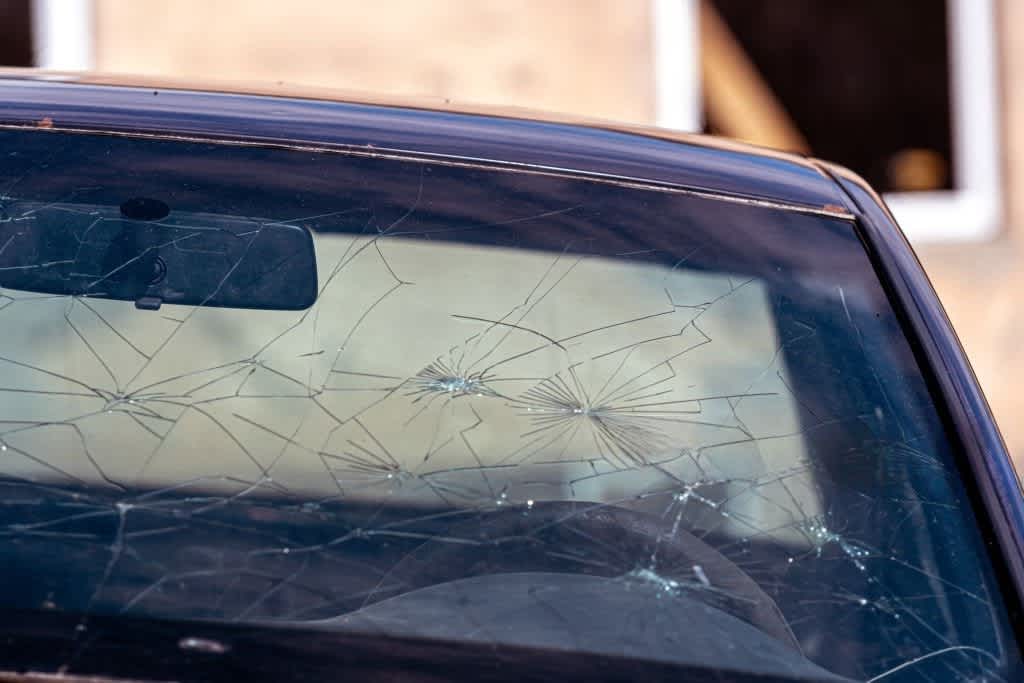
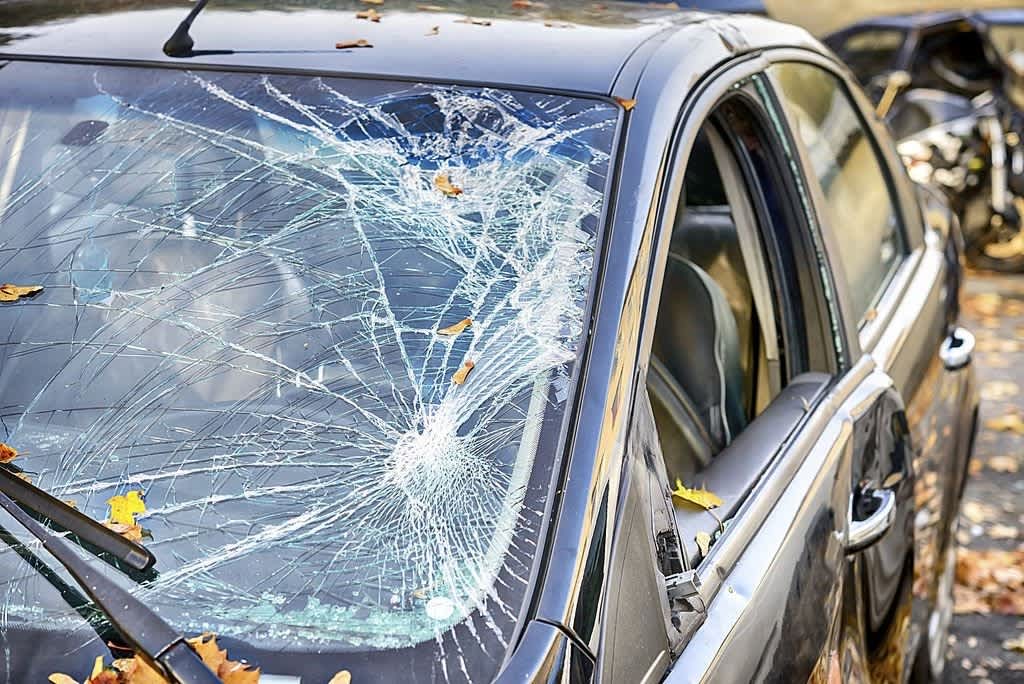
If you’ve ever driven the rural roads surrounding Fenton, MI, you know they can be scenic… but treacherous for your car’s glass. Gravel, potholes, farm equipment, and debris are more than just annoyances—they’re active threats to your windshield. I’ve seen countless vehicles arrive at my Auburn Hills shop with chips, cracks, or spiderweb patterns that started as a single stray stone. It’s not just about aesthetics. A damaged windshield compromises safety, reduces visibility, and in modern vehicles, can interfere with ADAS systems. In my 35 years as an auto glass technician, I’ve learned that rural roads demand more awareness, preventive care, and quick action at the first sign of damage. Why Rural Roads Cause More Windshield Damage Loose Gravel and Road Debris Rural roads are notorious for loose gravel. Unlike paved city streets, gravel surfaces can send small stones flying at high speed when your tires—or the car ahead—kick them up. Back in 1999, a driver came to me with a Ford Explorer whose windshield had a small chip from a gravel road near Fenton. He ignored it for a few weeks, thinking it was minor. By the next snowstorm, the chip had spidered across the entire windshield. Loose debris is a classic culprit for rapid damage progression. Potholes and Bumpy Roads I remember a fleet of delivery trucks servicing farms north of Fenton. After a few months, 70% of their windshields showed multiple cracks. The culprit? Constant vibration from uneven roads. Even small imperfections on your windshield can spread when subjected to repeated jolts. Farm Equipment and Oversized Vehicles Rural areas often have tractors, harvesters, and large trucks moving slowly on narrow lanes. They can fling mud, gravel, and even small stones onto passing vehicles. Unlike city traffic, rural roads don’t always have barriers to protect against debris, increasing the risk for chips and cracks. Weather Conditions Amplify Damage Fenton’s weather can turn minor damage into major headaches. Freeze-thaw cycles in winter expand tiny chips into long cracks. Summer heat can cause glass to expand, stressing existing imperfections. I tell every client: a chip today can be a replacement tomorrow if you ignore the road conditions. Types of Windshield Damage Common on Rural Roads Understanding the type of damage helps determine repair options: Real-Life Fenton Rural Road Cases Story 1: The Weekend Farmer A client drove his Chevy Silverado to his weekend farm on a gravel road. One small chip appeared after hitting a loose stone. He waited a month to repair it. When he returned, the crack had spread across the windshield. He realized the importance of immediate repair—lesson learned. Story 2: Daily Commute on Country Roads A family vehicle regularly traveled to a school north of Fenton. Over several trips, small chips from gravel accumulated. By winter, the windshield was spiderwebbed. They had to replace the glass and recalibrate ADAS systems, which could have been avoided with timely intervention. How Vehicle Type Impacts Damage Risk Trucks, SUVs, and vans tend to kick up more debris due to tire size and suspension height. Compact cars aren’t immune; even a small pebble can strike the windshield at the perfect angle to cause a chip. Drivers often underestimate the trajectory of stones and the role vehicle weight and speed play in increasing risk. Preventing Windshield Damage on Rural Roads While you can’t completely eliminate the risk of windshield damage on rural roads near Fenton, you can take proactive steps to minimize it. These preventive measures protect your vehicle, maintain visibility, and reduce the likelihood of costly repairs: Maintain Distance: Keeping several car lengths behind other vehicles is one of the simplest but most effective ways to avoid flying gravel. When you tailgate on dirt or gravel roads, even small rocks can hit your windshield at high speeds, creating chips or cracks. For larger vehicles like trucks or SUVs ahead, the danger increases, so maintaining distance is especially important on farm routes or construction areas. Install Mud Flaps: Mud flaps or splash guards aren’t just cosmetic—they prevent rocks, mud, and debris from being flung by your tires. Trucks, vans, and SUVs with higher suspension are more likely to launch gravel at your windshield or nearby vehicles. Mud flaps can reduce damage dramatically and also protect your vehicle’s paint. Slow Down: Speed multiplies the force of impact. A pebble kicked up at 50 mph hits harder than the same stone at 25 mph. Slowing down on loose surfaces reduces the risk of chips and also gives you more time to react to sudden obstacles like farm equipment or potholes. Regular Inspections: Inspect your windshield weekly, especially if you frequently drive rural routes. Early detection of small chips or cracks allows for timely repair before they expand. Even tiny chips near ADAS sensors or camera zones should be addressed immediately to prevent system misalignment. Protective Films: Some drivers apply clear paint protection films (PPF) or windshield protectors. These films absorb minor rock impacts, preventing shallow chips and scratches. While not foolproof, combined with careful driving, they provide an extra layer of defense for rural road conditions. Even small, consistent actions—like slowing down, keeping distance, and inspecting your windshield—can reduce the likelihood of major damage, saving both money and stress over time. Repair or Replace: Knowing When to Act Understanding when to repair a chip versus replacing the entire windshield is critical, especially for rural road drivers who face ongoing debris hazards. Repair: Replacement: Prompt action prevents minor rural road damage from escalating into a full-blown safety hazard. Tools, Adhesives, and Techniques Over my 35-year career, I’ve found that the right materials and techniques make all the difference in repairing or replacing windshields for rural road drivers: When dealing with gravel, potholes, and unpredictable road conditions, precision and high-quality materials prevent rework and protect both the vehicle and its safety systems. Weather Considerations on Rural Roads Rural roads in Fenton are subject to seasonal challenges that accelerate windshield damage: DIY vs Professional Repair DIY kits exist, but I rarely recommend them for rural

Blog

Why Gravel Roads Around Fenton Cause More Windshield Chips

I’ll never forget the summer of 1997. I had a 1992 Ford F-150 roll into my Sterling Heights shop with a windshield covered in tiny chips. The owner had been taking his daily commute on gravel roads near Fenton. Back then, my mobile repair van was chugging along on a noisy generator, and I remember thinking, “One more rock like that and this windshield won’t survive another month.” Gravel roads might seem harmless, but every small stone your tires kick up becomes a potential hazard to your windshield. Even minor chips can grow into dangerous cracks, especially when winter temperatures hit Fenton with a vengeance. As a driver, understanding why gravel surfaces increase windshield damage can save you money, frustration, and—most importantly—prevent accidents. Why Gravel Roads Are So Dangerous for Windshields High Impact from Loose Rocks Gravel is unpredictable. Each loose rock is essentially a small projectile. When your vehicle in front kicks one up, it can hit your windshield at speeds exceeding 50 mph. Even a tiny pebble can leave a significant chip because the glass is tempered and designed to resist shattering—not high-velocity debris. Back in the early 2000s, I replaced a Dodge Ram windshield after a single gravel impact. The driver assumed it was minor. Within a week, the chip had spidered across the entire glass. That’s how fragile a windshield can become after a high-speed rock impact. Vibration and Road Wear Gravel roads are bumpy. The constant vibration from uneven surfaces can stress your windshield, especially around existing chips or scratches. Even minor imperfections can expand under repeated bumps, turning a tiny chip into a crack that compromises structural integrity. I recall servicing a fleet of pickup trucks used for landscaping in Fenton. Within months of their gravel-laden routes, 60% of their windshields had multiple cracks—not from accidents, but from vibration and airborne stones. Weather Effects Amplify Damage Fenton winters are brutal. Freeze-thaw cycles expand chips quickly. A small rock chip from summer might be harmless initially, but by January, temperature swings can turn it into a full-blown crack. I always tell clients: “A tiny chip in July is your windshield’s winter time bomb.” Common Types of Gravel Road Windshield Damage Gravel road damage isn’t all the same, and recognizing the type of chip or crack is critical for deciding whether a repair is sufficient or a full replacement is necessary. Based on my Auburn Hills and Fenton mobile repair experience, here’s what I see most often: Bullseye Chips: These are circular impact marks caused by a single stone striking the glass. They often look small and harmless, but if ignored, even a bullseye can spread due to vibrations or temperature changes. Typically, bullseye chips under two inches are repairable if caught early. Repairing them promptly preserves structural integrity and prevents them from evolving into dangerous cracks that could obstruct vision or affect ADAS sensors. Star Cracks:Star cracks radiate from a central point, creating a pattern similar to a spider web. They often occur when gravel hits the windshield at high speed or at an oblique angle. These cracks are particularly sensitive to heat, cold, and bumps in the road. For example, a star crack caused by a passing truck on Jennings Road could expand rapidly over just a few days if the vehicle continues traveling on uneven gravel roads. Early professional repair can stop the cracks from spreading further. Combination Breaks: Combination breaks feature a bullseye with spider-like extensions. These are the most serious of the common gravel road damages. They usually result from repeated impacts in the same area or when a larger, sharp stone hits at high velocity. Most combination breaks require full windshield replacement because the glass’s structural integrity is compromised. For vehicles equipped with ADAS cameras or sensors, replacing the windshield properly ensures the systems remain accurately aligned. Understanding the type of damage allows drivers to make informed decisions and avoid costly surprises. Small, repairable chips should never be ignored—especially in gravel-heavy areas like Fenton. Real-Life Stories from Fenton Drivers Story 1: The Morning Commute Mishap A client drove her Ford Escape daily along Jennings Road, a route notorious for loose gravel. One morning, a truck ahead kicked up a small stone that caused a tiny chip on her windshield. Thinking it was insignificant, she ignored it for two weeks. By the time she called for help, the chip had spidered across nearly the entire windshield. A quick repair wasn’t an option—she needed a full replacement. This story highlights how even minor gravel impacts can escalate if left unattended. Story 2: Landscaping Fleet Woes A landscaping company in Fenton operated multiple trucks on gravel-heavy routes. Within a month, I replaced over a dozen windshields for their fleet. The culprits? Loose stones, constant vibrations, and repeated daily travel on uneven surfaces. After advising the company to adjust routes, reduce speed, and install mud flaps, the damage rate dropped drastically. This case demonstrates that proactive prevention can significantly reduce windshield issues, even in high-risk driving conditions. How Gravel Size and Vehicle Type Affect Damage Not all gravel is created equal. Sharp, angular stones are far more likely to chip glass than smooth, round pebbles. Similarly, trucks and SUVs with higher tire lift or heavier cargo can fling debris farther and with greater force, increasing the risk to vehicles behind them. Compact cars aren’t immune, either. Even a small pebble can create a chip if it hits at the right angle or speed. Drivers often underestimate how suspension type, tire pressure, and vehicle height influence the trajectory of debris. For example, a pickup with lifted suspension may send rocks flying in unexpected directions, while a sedan might catch a chip from debris bouncing off the road. Understanding these dynamics can help drivers take precautions, such as adjusting following distance or slowing down on gravel roads. Prevention Tips for Gravel Road Driving While gravel roads can’t always be avoided in Fenton, there are effective ways to reduce windshield damage: Repair vs Replacement: When Gravel

Blog

Why Rural Speed Limits Near Fenton Increase Windshield Damage Risk

It’s a crisp morning on the back roads near Fenton. You’re cruising along at the posted speed limit, enjoying the open stretch past farm fields and small woods. Then, out of nowhere, a rock flips off the road or a deer darts across your path. That tiny plink on your windshield might seem harmless—but if you’re driving 55 or 60 mph, it’s anything but. I’ve seen hundreds of drivers underestimate how speed magnifies damage. Even a small chip can explode into a full-blown crack in minutes on these rural highways. Back in the early ’90s, I had a call from a driver who hit a gravel chunk on Jennings Road. The chip was small, barely visible. But because they were moving fast on a long stretch, that tiny nick had split across the glass by the time they reached town. That’s the danger with rural speed limits—they give your windshield more stress per second than slower, city driving. And for drivers who delay repairs, it can lead to safety hazards and expensive replacements. How Speed Amplifies Windshield Stress Windshields aren’t just passive panes of glass—they’re integral to your car’s safety structure. They support the roof in rollovers, anchor airbags, and house ADAS sensors on modern vehicles. High-speed driving on rural Fenton roads increases the stress on any pre-existing chip or crack. Impact Force: At 55–65 mph, even small gravel or debris hits with much more energy than at city speeds. A rock that might only nick the glass at 25 mph can leave a deep chip at highway speed. Vibrations: Continuous bumps, potholes, or uneven asphalt create micro-stresses that can propagate even tiny cracks into spiderweb patterns. Wind Pressure: The faster the vehicle, the greater the aerodynamic force against weakened glass, which can push a small chip to spread quickly. I often tell clients: a chip that seems minor on a slow local street can become a structural hazard after just 10–15 miles of rural highway driving. Real-Life Fenton Highway Examples Experience shows that speed makes a huge difference in windshield damage progression: These cases demonstrate that even minor chips become emergencies when combined with rural road speed, debris, and vibration. The Physics of High-Speed Cracks Most windshields are laminated safety glass: two sheets of glass bonded with a plastic interlayer. This interlayer holds the glass together upon impact but doesn’t prevent cracks from spreading. At high speeds: Even a tiny chip becomes a “time bomb” if not treated before long drives. Why Rural Roads Are Riskier Than City Streets Several factors make rural Fenton roads more hazardous for windshields than city streets: Mobile vs. Shop Repairs Some drivers wait to reach a repair shop because they think it’s safer or cheaper. But long drives at high speed with even minor damage can make the problem worse. Mobile repair is a game-changer in these scenarios. At our company, our mobile team carries AGSC-approved resin and OEM-grade glass. We can repair chips and cracks before they worsen, eliminating the risk of a long drive with compromised glass. We even handle ADAS recalibration on-site if needed. Why mobile repair matters: Common Mistakes Drivers Make Many drivers make the same mistakes that lead to larger cracks: I remember a young driver in Linden who tried a DIY fix on a small chip. Two days later, after a commute at highway speed, the crack had doubled in size. Professional repair would have prevented it entirely. Weather and Seasonal Factors Rural Fenton roads come with weather challenges. Snow, ice, and rain create additional risks. Salt from winter roads or loose gravel in spring can hit the windshield at speed, worsening pre-existing damage. Drivers often don’t realize how much environment interacts with speed to stress windshields. Insurance and Cost Insights Many drivers delay repairs thinking insurance won’t cover it. In most cases, chip repair is fully covered with no deductible. Waiting until the crack spreads usually results in a more expensive replacement claim. High-speed rural driving increases this risk exponentially. Pro Tips to Protect Your Windshield FAQs Conclusion After decades of experience on the road and in auto glass shops, one lesson is crystal clear: rural speed limits near Fenton pose a far greater windshield risk than most drivers realize. Even a tiny chip that seems harmless can turn into a dangerous, sprawling crack within minutes when exposed to high speeds, vibrations, wind pressure, and temperature changes. On highways and open rural roads, what starts as a small blemish can compromise your vehicle’s structural integrity, safety features, and ADAS systems, putting you and your passengers at serious risk. Ignoring minor damage is a gamble you don’t want to take. High-speed rural driving, combined with seasonal weather swings—from scorching summer heat to freezing winter mornings—dramatically accelerates chip growth and crack formation. That’s why immediate attention is crucial. Professional, AGSC-approved repair or replacement ensures your windshield maintains its strength, structural support, and proper calibration of sensors and cameras. Mobile repair services bring this expertise directly to your driveway, eliminating the need to risk further damage on the road. Remember, prevention and quick action save time, money, and stress. A $65 chip repair today can prevent a $400–$700 replacement tomorrow. Beyond costs, it’s about keeping yourself, your family, and other drivers on Fenton’s roads safe. Related Articles

Blog

Deer and Road Debris: Unexpected Causes of Windshield Damage Near Fenton

If you drive around Fenton regularly, you probably think about potholes, traffic, and maybe that rogue snowstorm in January. But one thing most drivers overlook? The unexpected hazards that can crack or shatter your windshield in an instant: deer crossings and road debris. I’ve been repairing windshields since the late ’80s, and let me tell you—nothing keeps you on edge like a sudden chip or crack when you’re barreling down a rural road at 55 mph. Back in the early ’90s, I remember driving to a repair call outside Sterling Heights. A pickup truck had hit a small rock while merging onto a back road, and a tiny chip had already grown into a spiderweb crack. By the time I arrived, the windshield needed replacement. Stories like this are common for drivers near Fenton, where wildlife, farm vehicles, and gravel roads are everyday realities. Delaying repairs or ignoring a chip can turn an inexpensive fix into a major safety risk. Windshield damage isn’t just cosmetic. Modern vehicles rely on the windshield as part of their structural integrity. ADAS systems, including lane departure warnings and collision sensors, rely on perfectly aligned glass to function. A chip or crack in the wrong spot can compromise safety, increase repair costs, and affect your vehicle’s long-term value. Why Deer Are a Bigger Threat Than You Think You might assume deer collisions mostly affect your bumper. The truth is, a deer can easily strike the windshield, especially on country roads at night. I once responded to a call from a Fenton resident who swerved to avoid a deer only to hit a hidden rock in the ditch. The windshield sustained a crack right across the driver’s view. Deer aren’t predictable. They move suddenly, and even if your vehicle avoids the impact, kicked-up debris or antlers can chip the glass. Rural Michigan roads are particularly risky because trees line many stretches, reducing visibility. Tips to reduce deer-related windshield damage: Road Debris: The Hidden Hazard Rural roads often have loose gravel, sand, and stones, especially after winter plowing. Even a small rock can fly up and chip your windshield. Back in ’99, I repaired a truck near Fenton after a rock from a passing farm trailer struck the windshield. The driver thought the small chip was harmless, but by the next day, it had expanded across half the glass. Other debris, like branches, road salt, and even small metal fragments, can compromise windshield integrity. The danger isn’t just the initial chip—it’s the rapid spread of cracks under vibrations, temperature changes, or pressure from cleaning. Preventing debris damage: Why Small Chips Can Turn Into Big Problems Many drivers ignore small chips, thinking, “It’s just a tiny imperfection.” But I’ve seen 1-inch chips spread across an entire windshield in a matter of days. Temperature fluctuations, vibration from rural roads, and moisture can all accelerate crack growth. I remember a Fenton resident who delayed a repair for three weeks. The crack had started from a small rock thrown up by a tractor. By the time they called me, the entire driver’s side had to be replaced, and insurance coverage required a full claim rather than a simple repair. Here’s why quick action matters: Mobile Auto Glass Repair: The Best Solution for Rural Drivers For Fenton drivers dealing with deer and debris, mobile repair is a game-changer. You don’t have to risk driving long distances on rural roads with a damaged windshield. Our mobile vans are fully equipped with OEM or OEM-equivalent glass, AGSC-approved resins, and temperature-controlled curing setups. Back in 1998, I did a mobile replacement for a client whose pickup hit a gravel patch outside Fenton. We completed the repair in under two hours, calibrated the ADAS camera on-site, and the driver didn’t have to risk another trip on dangerous back roads. Mobile repair ensures that rural drivers get fast, professional service without compromising safety. Common Mistakes Drivers Make Even with mobile service available, drivers often make mistakes that compromise their windshield: These errors may seem minor, but they can lead to structural weakness, sensor malfunctions, or the need for full replacements. Insurance Considerations Many Fenton drivers delay repair thinking insurance won’t cover it or they’ll get a rate increase. In reality, most policies cover chip repair with no deductible. Filing promptly ensures minimal cost and prevents bigger claims later. I always tell customers: call your insurance provider before delaying, because delaying often complicates coverage. Pro Tips for Protecting Your Windshield Key Takeaways Deer and road debris are unpredictable hazards that can compromise your windshield in seconds. Immediate repair: At Save On Auto Glass, we’ve helped over 10,000 drivers across Michigan, including many near Fenton, repair or replace windshields safely and efficiently, often via mobile service. FAQs Conclusion Over my 35 years as an Auto Glass Master Technician, I’ve witnessed firsthand how Fenton drivers often underestimate the hidden risks of seemingly minor windshield damage. A tiny chip from a rock, gravel, or even a deer encounter can escalate into a major safety hazard in just a few days if left unattended. What starts as a small cosmetic imperfection can compromise your vehicle’s structural integrity, interfere with the proper deployment of airbags, and cause ADAS systems like lane departure warnings, forward collision alerts, and automatic braking to malfunction. The Fenton roads—rural highways, gravel patches, and high-speed stretches—add extra stress to your windshield. Temperature swings, road vibrations, and flying debris all work together to accelerate crack growth, turning a minor repair into a costly replacement if ignored. Mobile repair services are a lifesaver in this scenario, allowing you to get professional, AGSC-approved repairs right at your home or workplace without risking another mile on dangerous back roads. Immediate attention isn’t just about saving money—it’s about protecting your safety and that of your passengers. Even a small delay can result in cracks spreading across the glass, jeopardizing your car’s frame and increasing the chance of accidents. Professional technicians not only repair or replace your windshield efficiently but also ensure proper ADAS

Blog

How Temperature Drops in Fenton Affect Auto Glass Integrity

It’s early January in Fenton. You step out, rubbing your eyes, and notice your windshield glistening with a thin frost. As you start the car and scrape the ice away, a small, almost invisible chip catches the morning sunlight. You curse under your breath. I’ve seen this countless times. Drivers underestimate the silent damage that comes with temperature swings. Back in the early 90s, I remember working on a Sterling Heights commuter who had ignored a tiny star chip during a cold snap. By the time they called me a week later, the chip had spidered across half the windshield. A simple $80 repair turned into a $400 replacement. Understanding how temperature affects your auto glass isn’t just a curiosity—it’s a safety imperative. Why Temperature Matters for Auto Glass Your windshield is far more than a simple pane of glass—it’s an integral part of your vehicle’s safety system. Think of it as your car’s helmet and backbone. In the event of a rollover, your windshield helps support the roof, preventing it from caving in. It also protects passengers from road debris, rocks, and other flying hazards. Modern vehicles add another layer of complexity: advanced driver-assistance systems (ADAS), such as lane-keeping assist, forward collision warning, and automatic braking, rely on cameras and sensors mounted on or near the windshield. Temperature changes directly affect each component of your windshield: Glass Expansion and Contraction: Glass reacts to temperature changes. In cold conditions, it contracts and becomes more brittle, while heat causes it to expand. Rapid temperature swings—like starting your car in a freezing morning and blasting the defrost—stress the glass, often at existing weak points. These small stresses can magnify micro-chips into cracks that spread across the windshield. Adhesive Vulnerability: Urethane adhesives bond the windshield to your car frame. Cold temperatures slow curing and weaken the bond, while hot conditions can soften adhesives temporarily. A windshield with compromised adhesive is less able to maintain structural integrity during minor impacts or even regular driving. Micro-Cracks Amplify: Tiny, almost invisible chips react quickly to freezing temperatures. Water seeping into micro-cracks can freeze, expand, and enlarge these imperfections. A chip that seems harmless today could become a full-blown spider crack overnight. Driving with compromised glass integrity is not just an inconvenience—it’s a serious safety risk. On long drives or rural Fenton roads, vibrations, potholes, and high-speed wind pressure compound the effects of temperature, making minor damage turn into urgent replacement needs. Ignoring these risks can lead to shattered windshields, misaligned ADAS sensors, and potential accidents. How Cold Weather Accelerates Damage Fenton winters aren’t just cold—they are deceptive. Even minor frost or light snow can trigger damage that spreads quickly if left untreated. Several factors make winter conditions particularly hazardous for windshield integrity: Freeze-Thaw Cycle: Water from rain, snow, or car washes can seep into small chips and cracks. Overnight, it freezes and expands. By morning, a tiny imperfection has widened. Repeated freeze-thaw cycles are especially dangerous because they steadily weaken glass, making it more likely to shatter during normal driving. Thermal Shock: Many drivers unknowingly stress their windshield by rapidly defrosting it. Blasting hot air on a frozen or frosted windshield creates sudden temperature gradients in the glass. The resulting thermal shock can form new stress lines and accelerate the growth of existing cracks. I’ve repaired countless windshields where thermal shock caused spider cracks to form within minutes. Road Salt & Debris: Winter roads in Fenton are coated with salt and small gravel to improve traction. This combination is brutal for damaged windshields. Even a minor chip can expand when impacted by road debris, while salt accelerates glass surface wear and can weaken adhesives, leaving the windshield more prone to cracking. Windshield Flex: Cold temperatures make glass more brittle and less able to flex. Under normal driving conditions—going over bumps, potholes, or uneven pavement—this rigidity means that stress gets concentrated at existing cracks, pushing them to spread faster than in warmer months. Types of Damage Most Affected by Cold Not all windshield damage reacts the same way to freezing temperatures. In Fenton, I commonly see the following types worsen during winter: Star Cracks: Radiating from a central point, these cracks often originate from gravel or small road debris. Cold makes the glass less flexible, accelerating the spread along the star pattern, especially when combined with road vibrations. Edge Cracks: Starting at the perimeter of the windshield, these are particularly dangerous during winter. Edge cracks can propagate under minor impacts or even when flexing occurs during vehicle movement. One jolt on a frozen road can compromise the windshield entirely. Combination Cracks: These include both bullseye and star patterns. They often remain hidden under frost or condensation, but cold exposes weaknesses in the glass, causing previously stable chips to spread rapidly. Micro-Chips: Tiny cracks often invisible to the naked eye are particularly insidious in winter. Freeze-thaw cycles and temperature swings magnify these imperfections into full cracks. A windshield with micro-chips is essentially a ticking time bomb waiting for stress to trigger rapid growth. Stories from the Field Real-life experiences often illustrate the dangers better than theory. Here are a few cases I’ve handled in Fenton winters: These examples highlight that temperature drops are more than just an inconvenience—they actively threaten windshield integrity, structural safety, and vehicle technology. Why Cheap Repairs Don’t Cut It in Cold Weather Cold weather quickly exposes the weaknesses of DIY windshield repair kits and low-quality repair attempts. While these options may seem convenient or cost-effective, they often fail under winter conditions—turning small damage into major safety risks. One of the most common problems is the use of low-grade resin. Cheap resin does not flex or cure properly during temperature fluctuations. As the glass expands during warmer moments and contracts in freezing temperatures, weak resin separates from the glass, allowing cracks to continue spreading beneath the surface. What appears fixed on the outside may be actively failing on the inside. Another major issue is overlooking micro-chips hidden by frost or condensation. In winter, tiny

Blog

How Fast a Small Windshield Crack Can Spread on Fenton Highways

You’re driving along M-15 just outside Fenton, enjoying the morning air, or maybe rushing to work. Suddenly, you hear that tiny plink—a small rock bouncing off your windshield. You glance up, and there it is: a tiny chip, almost unnoticeable at first. Most drivers shrug it off, thinking, “It’s just a small chip, no big deal.” I’ve seen this scenario thousands of times over my 35 years in auto glass repair. That tiny chip? It can turn into a massive crack faster than most people expect. Back in the early ’90s, I got a call from a driver on I-69 near Fenton. They had a tiny windshield chip from a loose gravel truck. A week passed before they got help—and by the time I arrived, the chip had spider-webbed across the driver’s side. Ignoring a small chip isn’t just risky for your wallet—it’s dangerous for your safety, your passengers, and everyone else on the road. Modern vehicles complicate this even further. Windshields aren’t just glass—they are critical safety components that support airbags, maintain structural integrity, and house ADAS systems like lane departure warnings and forward collision sensors. Even a tiny crack in the wrong location can compromise these systems. Why Small Cracks Spread So Quickly Many drivers don’t realize that a windshield is under constant stress. Every bump, turn, or acceleration sends vibrations through the glass. Temperature changes—from freezing winter mornings to hot, sunny afternoons—cause the glass to expand and contract. Moisture from rain, snow, or even a car wash can seep into small chips. Over time, all these forces combine to make cracks grow faster than you might expect. I remember a client in Fenton with a half-dollar-sized chip. They drove to work, hit a few potholes, and by the time they returned home, the crack had already doubled in length. Small chips can spread in hours, depending on conditions. Factors That Accelerate Crack Spread A windshield may look solid, but once a chip forms, the glass becomes extremely vulnerable. Several everyday driving and environmental factors work together to turn minor damage into a rapidly spreading crack—especially on highways and rural roads around Fenton. Road Vibrations and Impact Stress Highways, back roads, and rural routes constantly transmit vibrations through your vehicle. Every pothole, expansion joint, railroad crossing, or uneven patch of asphalt sends shockwaves directly into the windshield. These vibrations concentrate stress at the weakest point—the chip or crack—causing microscopic fractures to grow. On roads with higher speeds, like I-69, the force of vibration is amplified, making crack spread much faster than during city driving. Temperature Extremes and Rapid Changes Windshields expand in heat and contract in cold, and sudden temperature swings put enormous stress on damaged glass. A windshield sitting in the hot sun can expand quickly, while cold winter mornings cause contraction. Rapid transitions—such as turning on a hot defroster in freezing weather or blasting air conditioning on a sun-heated windshield—intensify this stress. These expansion and contraction cycles pull at existing cracks, allowing them to lengthen or branch out. Moisture Contamination and Environmental Exposure Water is one of the biggest enemies of chipped glass. Rain, snow, sleet, road salt, and even moisture from windshield defrosters can seep into micro-fractures. Once inside, moisture weakens the glass structure and interferes with proper resin bonding. During freeze–thaw cycles, trapped moisture can expand, pushing cracks further across the windshield and accelerating damage. Poor-Quality Resin or DIY Repair Attempts Not all repairs are created equal. Low-quality resin or improperly applied DIY kits often fail to fully penetrate the chip, leaving air pockets and weak spots behind. Under highway vibration, temperature changes, and daily driving stress, these incomplete repairs can break down quickly. Instead of stopping crack growth, poor repairs may actually make the damage worse by giving cracks an easy path to spread. Edge Location and Structural Weak Points Chips near the edge of the windshield are especially dangerous. The edges are under more structural tension and flex more during driving. Cracks that start near the frame often spread faster and farther than those in the center, sometimes making repair impossible and forcing a full windshield replacement. High-Speed Driving and Wind Pressure At highway speeds, constant wind pressure adds another layer of stress to damaged glass. This pressure, combined with vibration and debris impact, can rapidly turn a small chip into a long crack—sometimes in a single drive. Even a seemingly harmless chip on a rural highway is a ticking time bomb. Under the combined effects of vibration, temperature changes, moisture, and driving stress, minor windshield damage can escalate quickly—often when drivers least expect it. Real-Life Examples from Fenton Roads I’ve seen countless examples of small cracks spreading rapidly on Fenton highways: Delivery Truck on Lapeer RoadA local delivery driver hit a small gravel patch, leaving a chip barely visible. They didn’t stop, thinking it was minor. By the time they reached Linden, the crack had shot across half the windshield. Mobile repair on-site saved them from full replacement, but the damage could have been prevented with quick attention. Snowstorm on I-69 A client’s windshield already had a small chip from a previous trip. Winter snow mixed with salt and debris hit the glass at highway speeds. Vibration, temperature swings, and moisture caused the chip to split in multiple directions, making a full replacement inevitable. These examples highlight a key truth: highway speed and environmental stress amplify minor damage. The Science Behind Crack Growth Windshields are made of laminated safety glass—two layers of glass sandwiching a thin plastic interlayer. This design holds the glass together during impacts but doesn’t prevent cracks from spreading once they start. When a small chip occurs, microscopic fractures form in the glass. Every vibration, temperature change, and wind gust puts stress on those fractures, allowing them to extend. DIY vs Professional Repairs Many drivers are tempted by DIY kits. They’re cheap, convenient, and promise easy fixes—but they rarely deliver the safety and reliability of professional repairs. Common problems with DIY repairs: Professional repairs, especially mobile services

Blog

How Farm and Construction Vehicles Impact Windshields in Fenton

If you’ve driven around Fenton, especially on the rural stretches or near construction zones, you know the roads aren’t always smooth. You might be cruising along when suddenly a small rock flips up from a tractor tire or dirt falls off a dump truck. That plink on your windshield might seem minor—but even small impacts can turn into long cracks faster than most drivers expect. Back in the early ’90s, I remember repairing a windshield on a client’s truck near Linden Road. A gravel truck kicked up a stone at 50 mph. The chip seemed tiny at first, but by the time they reached town, it had spread across half the windshield.  That was before I even had my mobile repair van. Today, even with modern glass bonding and resins, the damage can escalate just as fast if drivers don’t take it seriously. Why Farm and Construction Vehicles Are Risky for Windshields Farm and construction vehicles carry a lot of loose material—gravel, sand, dirt, even bits of metal sometimes. When they drive on rural or semi-paved roads near Fenton, small debris can get launched into the air, directly into the path of your windshield. Even at moderate speeds, these impacts can chip or crack glass. I’ve seen countless chips caused by a tractor’s rear tires flinging a rock up at cars following too closely. One memorable call was a driver on Linden Road trailing behind a combine. A small stone hit right in front of the driver-side windshield. By the time they made it to Fenton, the chip had spider-webbed across the pane. These vehicles are slow, yes, but the debris they kick up can move surprisingly fast. Key reasons these vehicles cause damage: Real-Life Fenton Examples I once repaired a windshield for a family driving home from a weekend at Fenton’s local farms. A dump truck had just passed in front of them, and the family noticed a tiny chip near the bottom corner of the windshield. By the time they reached the city, the crack had spread upward. Speed, combined with debris, made a minor annoyance a safety concern. Construction sites near Fenton are another hotspot. I recall a call from a local contractor whose truck was following a flatbed carrying concrete forms. A small piece of concrete chipped their windshield. Because the vehicle was traveling at 45 mph on a slightly bumpy road, the impact caused a star-shaped crack. This is a classic example of how even “slow” rural speeds can make a small chip spread. How Debris Impacts Glass Windshields are made of laminated safety glass—a carefully engineered sandwich of two layers of glass with a thin plastic interlayer in between. This design is meant to hold the glass together in the event of a collision, preventing passengers from being ejected or cut by shards. However, this laminated structure doesn’t stop cracks from spreading once a chip or fracture begins. When debris from farm or construction vehicles—like a small rock, gravel, or even hardened dirt—hits your windshield, the energy of the impact creates a micro-fracture in the outer glass layer. These micro-fractures are often invisible at first, but vibrations from driving, uneven roads, or even temperature changes cause the damage to propagate quickly through both glass layers. On rural roads around Fenton, especially near farms or construction zones, the effects are amplified. Even “slow-moving” vehicles can launch debris at speeds fast enough to chip windshields. A tiny chip from a gravel truck can evolve into a spiderweb crack after just a few miles. Factors that influence the severity of damage: Pro tip: Even if a chip seems insignificant, it’s best to treat it immediately. A small chip today can turn into a full replacement scenario tomorrow, especially on roads frequented by farm machinery or construction trucks. Weather’s Role in Debris Damage Weather in Fenton is unpredictable, and it plays a major role in whether a small chip evolves into a large crack. Windshield glass expands and contracts with temperature changes, and micro-fractures from debris react to these stresses. Cold mornings: When temperatures drop, glass contracts. Any micro-fracture in the windshield can widen, creating larger cracks overnight. Ice can also settle into tiny chips, expanding fractures as it freezes. Hot afternoons: Prolonged sun exposure heats the glass, causing it to expand. The combination of heat stress and pre-existing chips can accelerate crack growth, particularly on sun-facing roads or vehicles parked outdoors. Rain or snow: Moisture can seep into chips and weaken the bond between glass layers. Freeze-thaw cycles, combined with vibrations from rural roads, can dramatically worsen damage. I remember a case near Linden where a minor chip from construction debris was left unattended over a weekend in early March. Overnight freezing expanded the crack dramatically, forcing a full windshield replacement. Pro tip: Avoid extreme temperature changes immediately after a chip occurs. Parking in shaded areas, using a windshield cover, and repairing chips promptly reduces the risk of weather-related damage. Mobile Repairs vs. Shop Repairs Some drivers make the mistake of delaying repairs, assuming they’ll get to a shop “eventually.” On roads near farms or construction zones, even a small chip left unrepaired is risky. Mobile windshield repair is often the safest and most convenient choice for Fenton drivers. At Save On Auto Glass, our mobile units are fully equipped with AGSC-approved resin, OEM-grade glass, and ADAS calibration tools. This allows us to repair chips on-site before they spread into larger cracks. Mobile repair has several advantages: Pro tip: Mobile repair is not just a convenience—it’s a preventative measure that can save hundreds of dollars in replacement costs. Common Mistakes Drivers Make Even experienced drivers underestimate how quickly a chip can become a major problem. Here are the mistakes we see most often in Fenton: Safety Risks of Delayed Repair Driving with a chip or crack isn’t just a cosmetic issue—it directly impacts vehicle safety: Pro tip: Treat any chip or crack near ADAS cameras as urgent. Delayed repair isn’t worth compromising active safety features. Cost

Broken cracked Windshield
Blog

Windshield Damage Risks During Rush Hour Traffic in Sterling Heights

Every morning, Sterling Heights drivers hit the roads, merging onto Van Dyke, M-59, or Hall Road. You’re navigating stop-and-go traffic, trucks, buses, and commuter cars, all while keeping an eye out for icy patches or potholes. As a 35-year Auto Glass Master Technician, I’ve seen the aftermath of rush hour traffic hundreds of times. Drivers arrive with windshields sporting chips, cracks, or spiderweb patterns caused by flying gravel, road debris, and sudden braking. Back in the early 90s, I remember my first winter in Sterling Heights. I followed a commuter van from Lakeside Mall to Van Dyke after a minor gravel strike. By the time they reached downtown, the chip had grown into a 6-inch crack. That day, I realized: rush hour traffic is a silent enemy of windshields. Why Rush Hour Increases Risk Rush hour isn’t just about traffic jams — it creates a perfect storm of conditions that increase windshield damage risk. In Sterling Heights, congested roads like Van Dyke, M-59, and Hall Road mean vehicles are often bunched tightly together, giving drivers little room to react to flying debris. Close following distances mean that even a small rock kicked up by a truck can strike your windshield with enough force to cause a chip. Sudden braking, stop-and-go acceleration, and uneven road surfaces transmit vibrations through your vehicle, which can quickly turn a minor chip into a spreading crack. Additionally, traffic during peak hours includes a mix of commuter cars, delivery trucks, and buses, each carrying loose gravel, salt, or ice. Even cautious driving isn’t a guarantee against damage — a moment of inattention or a sudden lane change by another driver can send debris flying directly at your glass. Thermal stress also comes into play; morning frost, defrosters, and residual engine heat can create uneven pressure across the windshield, weakening the glass and exacerbating minor imperfections. By understanding how rush hour multiplies risks, drivers can take preventive measures such as maintaining safe following distances, avoiding tailgating trucks, and inspecting their windshield daily for chips. Common Types of Damage During Rush Hour Rush hour traffic produces more than just stress; it creates distinct types of windshield damage, many of which escalate if left untreated. The most frequent types I encounter in Sterling Heights include: Rush hour damage is often invisible at first. A tiny chip from a rock thrown up by a bus might not be noticeable until thermal stress, vibration, or frost causes it to spiderweb. Understanding these common types allows drivers to identify weak points early and take action before minor damage requires full replacement. How Winter Makes It Worse Michigan winters amplify rush hour windshield risks significantly, and Sterling Heights is no exception. Ice, frost, and road salt combine to create hazardous conditions for your glass. When snowplows spread salt and sand on icy roads, they inadvertently introduce abrasive particles that scratch glass and exacerbate minor chips. Even a small imperfection can turn into a spreading crack after repeated exposure. Freeze-thaw cycles are another hidden hazard. Water trapped inside small chips or cracks expands when it freezes overnight, pushing the fracture outward. By morning, a previously minor chip can become a long crack that spans several inches. Temperature swings also add stress: morning frost, daytime sun, and engine heat from defrosters create uneven expansion across the windshield. This thermal stress is particularly impactful in vehicles that have pre-existing chips or micro-fractures. Winter driving also increases the frequency of stop-and-go movements. Accelerating on icy roads, braking suddenly, or swerving to avoid patches of ice introduces additional vibrations that can propagate cracks. Even if you drive cautiously, winter conditions make the windshield more vulnerable. Regular inspections after a morning commute, combined with early professional repair, are essential. For ADAS-equipped vehicles, winter damage can interfere with sensors and camera calibration, making professional intervention critical not just for glass repair, but for overall driving safety. Stop-and-Go Traffic Stress Stop-and-go traffic isn’t just annoying — it stresses your car’s glass in subtle ways. Every brake, acceleration, and steering correction transmits vibration and force through the windshield. Small chips or previous cracks act like weak points, propagating under stress. I once repaired a driver’s windshield that had a tiny chip near the bottom corner. During a morning commute, multiple stops and starts on icy Van Dyke caused the crack to extend across half the windshield. Early professional repair would have prevented the replacement. The Hidden Risk of Flying Debris Rush hour traffic produces more than frustration — it produces rocks, ice, and salt flying toward your windshield at high speed. Delivery trucks, SUVs, and semi-trucks all kick up debris that can hit your glass. Even a small stone can cause a chip. I remember a Sterling Heights driver who was hit by a tiny rock while merging onto M-59 during morning traffic. The chip was initially minor. By the time they reached work, temperature fluctuations and road vibration had turned it into a spreading crack. Signs You Need Immediate Attention During rush hour, damage isn’t always immediately noticeable. Look for: If any of these appear, call a professional immediately. Waiting can turn a simple repair into a full windshield replacement. DIY vs. Professional Repairs I understand the temptation to use a DIY kit. They’re cheap, convenient, and promise a quick fix. But in Sterling Heights, especially during winter: Even if a DIY repair “looks” good, it can hide structural weaknesses. For safety, professional repairs with AGSC-certified resins and OEM-grade glass are always best. Insurance Considerations Most auto insurance policies cover windshield repairs. Early repair often comes at no cost to the driver. Waiting until a chip spreads to a full crack increases the deductible and may complicate claims. At Save On Auto Glass, we’ve guided Sterling Heights drivers through insurance claims for years, making sure repairs meet safety standards and that coverage is fully utilized. Real-World Rush Hour Stories Case 1: Lakeside Mall Commuter Small chip caused by gravel during morning traffic expanded due to road vibration and freeze-thaw overnight.

Car Glass Replacement
Blog

Windshield Replacement Laws Every Sterling Heights Driver Should Know

“Do I Really Have to Replace It?” — The Question That Keeps Coming Up I can’t tell you how many times I’ve heard it. A driver pulls into my Sterling Heights shop, points at a cracked windshield, and asks:“Do I really have to replace this?” Most drivers think a small chip is no big deal. Others assume laws are the same everywhere. Some worry about insurance coverage, others about the cost. I’m Ray, founder of Save On Auto Glass, and I’ve been in the windshield game since the late 1980s. I’ve worked with thousands of Sterling Heights drivers, trained young technicians, and seen the full spectrum of DIY disasters and neglected glass. If you drive in Sterling Heights, knowing what the law actually says about windshield replacement isn’t just a matter of compliance — it’s a matter of safety. And trust me, these laws are stricter than most people realize. Why Windshield Laws Exist A windshield isn’t just glass. It’s a structural component of your vehicle. It helps your airbags deploy correctly, supports your roof in a rollover, and keeps you protected in collisions. Back in the early 90s, we didn’t think as much about safety beyond fit and seal. Today, with forward-facing cameras and ADAS systems, a damaged or improperly replaced windshield can compromise your vehicle’s safety systems. Michigan laws exist to make sure every windshield on the road meets minimum safety standards. They’re designed to prevent accidents caused by impaired visibility, structural failure, or faulty repairs. Michigan Windshield Laws: What Sterling Heights Drivers Need to Know Michigan doesn’t hand out a strict “don’t drive with a crack” rule, but the state does require that: I’ve had drivers call me worried about tickets, thinking “It’s just a small crack; the officer won’t notice.” The truth? Officers in Sterling Heights are trained to spot impaired windshields, and a crack in the driver’s line of sight can be cause for a citation. The Role of ADAS and Modern Safety Standards Modern vehicles are not the same as they were in 1992. Today, many cars rely on cameras and sensors mounted directly to the windshield. Lane departure warnings, collision alerts, and adaptive cruise control all depend on a properly installed and calibrated windshield. If a Sterling Heights driver replaces a windshield without calibrating ADAS systems, the vehicle may appear fine visually but could fail safety checks or behave unpredictably on the road. Years ago, a customer came in after using a “cheap replacement” service nearby. Their lane assist kept pulling to the right, and the emergency braking system didn’t respond as it should. The issue? A misaligned ADAS camera. We corrected it in-shop, following OEM calibration guidelines, and the car was safe again. Signs You Need a Replacement Under Michigan Law Not every crack is automatically illegal, but here’s what I’ve learned over 35 years that triggers legal and safety concerns: I’ve seen cases in Sterling Heights where drivers assumed their windshield was fine, only for it to fail during a state inspection. The fix? A proper replacement with certified adhesives and OEM glass. The Dangers of Ignoring Michigan Windshield Laws Driving with a cracked or improperly replaced windshield carries risks beyond legal fines: One memorable case was a winter morning on M-59. A driver ignored a chip from a parking lot strike. Overnight frost got under the crack. They slid on black ice, and thankfully there were no serious injuries. But the windshield completely failed. It could have been prevented with proper early replacement. Mobile vs In-Shop Replacement and Michigan Law Michigan law doesn’t prohibit mobile windshield replacement. However, there are strict requirements for adhesive curing, OEM glass use, and ADAS calibration. Mobile replacement is great for minor chips or when conditions are ideal. But in Sterling Heights, with our variable weather, in-shop replacement often ensures compliance. Temperature control, proper leveling, and clean conditions guarantee the urethane cures properly. If a mobile installer shortcuts any of these steps, the vehicle may technically be non-compliant with Michigan safety standards — even if the glass looks fine. Choosing the Right Technician in Sterling Heights Not every windshield tech is equal. Here’s what you need to look for: I’ve trained dozens of young technicians over the years. The difference between a certified professional and someone cutting corners is enormous. One mistake in Sterling Heights winter can ruin months of driving safety. Common Mistakes Drivers Make Over my career, I’ve seen some recurring errors: Each of these mistakes increases risk, can violate Michigan law, and often leads to higher costs down the road. Insurance and Windshield Replacement Law Most insurance policies in Michigan will cover repair and replacement if done correctly. Early repairs are often free. Replacement may involve a deductible, depending on your policy. Insurance companies expect compliance with state laws and safety standards. A windshield replaced improperly — with non-OEM glass or uncalibrated ADAS — may void coverage. At Save On Auto Glass, we’ve navigated thousands of insurance claims. Proper documentation, certified materials, and following Michigan law ensures smooth coverage. DIY Repairs: Legal and Safety Implications I understand why people try it. Kits are cheap, convenient, and “look good enough” on YouTube. But Michigan law doesn’t recognize DIY fixes as compliant if the damage is substantial. Even small cracks can fail inspections or compromise safety. Years ago, a driver tried a kit on a stress crack in Sterling Heights. The crack spread after a snowstorm. Insurance wouldn’t cover the replacement because the DIY attempt left contamination in the glass. The cost? Triple what a professional repair would have been. Timing Matters: Don’t Wait There’s no “grace period” in law. There’s no safe window guaranteed. Every crack behaves differently. Environmental stress, temperature changes, moisture, and road vibrations all contribute to expansion. Waiting is gambling. In Sterling Heights, that’s a bet I never advise. Early inspection and repair keep you compliant with the law and safe on the road. Real Stories From My Shop I could fill pages with them, but here are a

Blog

Why Small Windshield Chips Spread Faster in Sterling Heights Winters

It Starts as a Tiny Chip — Then Overnight, a Nightmare I can’t tell you how many times a Sterling Heights driver has come into my shop, pointing at what looks like a harmless chip in their windshield. “It’s just a little thing,” they say. “I’ll get it fixed later.” I’ve been Revin Y., an Auto Glass Master Technician, for 35 years, and I’ve seen this story play out over and over. Back in the early 90s, my first winter in Michigan taught me a valuable lesson: small chips don’t stay small in winter. A tiny rock hit can turn into a sprawling crack that crosses your entire windshield — sometimes in a single cold snap. Winter here isn’t gentle. Sterling Heights drivers face ice, frost, snow, and salt — all of which turn a minor chip into a major headache if left untreated. Why Winter Conditions Are a Glass Killer Glass is a tricky material. It’s rigid, brittle, and reacts to stress differently than metal. Small chips compromise the structural integrity of your windshield, creating tiny weak points. In Michigan winters, several factors accelerate the problem: I remember a case from Van Dyke near Lakeside Mall. A customer had a minor chip from a gravel strike. The next morning, after a frost and the first winter sun, the chip had already stretched halfway across the windshield. That’s when I realized every Sterling Heights winter is essentially a stress test for damaged windshields. The Science Behind Crack Propagation A chip isn’t just cosmetic. Think of it like a weak link in a chain. Stress applied to that chip travels through the glass, seeking the path of least resistance. In winter: These factors work together like a perfect storm. Even a “tiny” chip can become irreparable within days if ignored. Why DIY Repairs Often Fail in Winter I get it — DIY kits are tempting. They promise to fill chips with resin, sealing them until spring. But winter throws a wrench into that plan. I’ve seen drivers waste time and money using kits, only to return in February with a crack that’s grown across the windshield. The fix? Full replacement, not repair. Parking and Traffic in Sterling Heights Winter: A Hidden Threat M-59, Van Dyke, and major shopping areas are notorious for winter hazards. Even careful drivers aren’t immune. One minor chip while navigating a frozen parking lot can turn into a full windshield failure during your next morning commute. How Temperature Swings Specifically Affect Chips Let me tell you a story from my shop back in 1998. A client had a small star-shaped chip from a late fall rock strike. Temperatures swung from 18°F overnight to 45°F during the day. By the end of the week, the chip had split into a 12-inch crack across the glass. Why? Thermal expansion and contraction. Glass can’t “stretch” like metal. Weak points, like chips, are the first to give. This is especially true for Sterling Heights winters, where temperature swings happen almost daily between day and night. The Hidden Dangers of Driving with Chips in Winter Many drivers underestimate how dangerous even a small windshield chip can be, especially during the winter months. A tiny chip is not just a cosmetic issue — it can affect the overall safety and performance of your vehicle. Windshields play a crucial role in the structural integrity of your car. If a chip is left unrepaired, it can compromise your car’s frame, which is especially important during collisions. Chips located near airbag sensor areas are particularly risky. A weakened windshield may prevent airbags from deploying correctly in an accident, putting you and your passengers at greater risk of injury. Even a chip that seems harmless in the driver’s line of sight can create visibility hazards. Cracks can refract light, causing glare from oncoming headlights, street lamps, or even the low winter sun. Additionally, small chips are more vulnerable to stress from everyday driving. Ice patches, potholes, and road debris can transfer energy directly into a weakened spot. A simple bump or vibration could cause a minor chip to spread rapidly across the windshield. I’ve seen cases where drivers were lucky to avoid accidents, but the potential for a catastrophic failure is always present. The key takeaway: no chip is too small to ignore. Early inspection and repair prevent minor damage from escalating into a serious safety issue. Proper Winter Repair Protocols Repairing windshield chips during winter requires extra care, attention, and professional expertise. Standard repair methods may not work in freezing conditions because cold temperatures, moisture, and uneven heating can prevent resins from curing correctly. At Save On Auto Glass, we follow strict winter repair protocols to ensure a lasting and safe repair. The first step is a thorough inspection. We examine every chip for moisture contamination, size, and location. Even a tiny amount of trapped water can cause a repair to fail, so it’s critical to identify it before any resin is applied. Controlled warming of the windshield is often necessary. Using specialized tools, we gently heat the glass to create the perfect environment for the resin to flow and bond correctly. Next, we use AGSC-certified resins, which are formulated for strength, clarity, and durability. Proper application techniques are essential, especially in winter conditions. After the resin is applied, curing is monitored carefully. We ensure the resin sets fully before the vehicle leaves the shop, preventing cracks from reappearing or spreading. Sometimes, chips are too large, too deep, or contaminated to repair safely. In these cases, replacement is always the safer option. Attempting a repair under unfavorable conditions could lead to further damage, additional costs, and compromised safety. Following these winter-specific protocols ensures that your windshield remains structurally sound, clear, and reliable, protecting both your vehicle and everyone inside it. Insurance Tips for Sterling Heights Drivers Most Michigan insurance policies cover windshield repair — often at no cost — if you act quickly. Waiting until the chip spreads into a full crack may turn a

Scroll to Top