If you drive around Fenton regularly, you probably think about potholes, traffic, and maybe that rogue snowstorm in January. But one thing most drivers overlook? The unexpected hazards that can crack or shatter your windshield in an instant: deer crossings and road debris. I’ve been repairing windshields since the late ’80s, and let me tell you—nothing keeps you on edge like a sudden chip or crack when you’re barreling down a rural road at 55 mph.
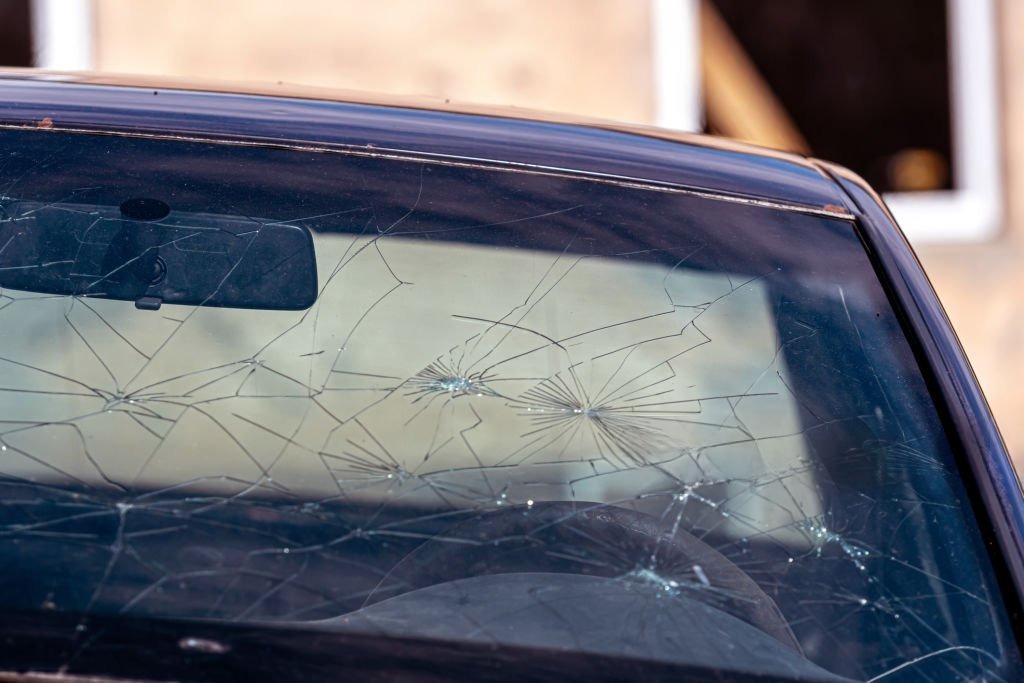
Back in the early ’90s, I remember driving to a repair call outside Sterling Heights. A pickup truck had hit a small rock while merging onto a back road, and a tiny chip had already grown into a spiderweb crack.
By the time I arrived, the windshield needed replacement. Stories like this are common for drivers near Fenton, where wildlife, farm vehicles, and gravel roads are everyday realities. Delaying repairs or ignoring a chip can turn an inexpensive fix into a major safety risk.
Windshield damage isn’t just cosmetic. Modern vehicles rely on the windshield as part of their structural integrity.
ADAS systems, including lane departure warnings and collision sensors, rely on perfectly aligned glass to function. A chip or crack in the wrong spot can compromise safety, increase repair costs, and affect your vehicle’s long-term value.
Why Deer Are a Bigger Threat Than You Think
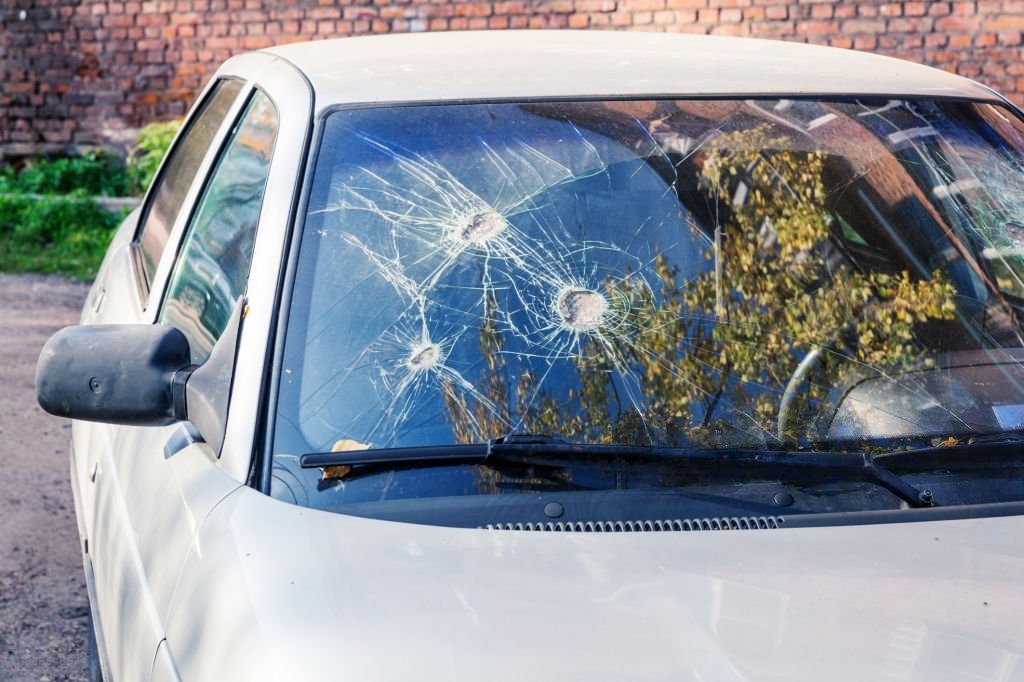
You might assume deer collisions mostly affect your bumper. The truth is, a deer can easily strike the windshield, especially on country roads at night. I once responded to a call from a Fenton resident who swerved to avoid a deer only to hit a hidden rock in the ditch. The windshield sustained a crack right across the driver’s view.
Deer aren’t predictable. They move suddenly, and even if your vehicle avoids the impact, kicked-up debris or antlers can chip the glass. Rural Michigan roads are particularly risky because trees line many stretches, reducing visibility.
Tips to reduce deer-related windshield damage:
- Drive cautiously at dawn and dusk when deer are most active
- Reduce speed on rural roads
- Use high beams when safe, but dim them if oncoming traffic approaches
- Stay alert for deer crossing signs—these are placed for a reason
Road Debris: The Hidden Hazard
Rural roads often have loose gravel, sand, and stones, especially after winter plowing. Even a small rock can fly up and chip your windshield. Back in ’99, I repaired a truck near Fenton after a rock from a passing farm trailer struck the windshield. The driver thought the small chip was harmless, but by the next day, it had expanded across half the glass.
Other debris, like branches, road salt, and even small metal fragments, can compromise windshield integrity. The danger isn’t just the initial chip—it’s the rapid spread of cracks under vibrations, temperature changes, or pressure from cleaning.
Preventing debris damage:
- Maintain safe following distances behind trucks and construction vehicles
- Avoid driving on the shoulder when loose gravel is present
- Inspect your windshield after hitting rough patches
Why Small Chips Can Turn Into Big Problems
Many drivers ignore small chips, thinking, “It’s just a tiny imperfection.” But I’ve seen 1-inch chips spread across an entire windshield in a matter of days. Temperature fluctuations, vibration from rural roads, and moisture can all accelerate crack growth.
I remember a Fenton resident who delayed a repair for three weeks. The crack had started from a small rock thrown up by a tractor. By the time they called me, the entire driver’s side had to be replaced, and insurance coverage required a full claim rather than a simple repair.
Here’s why quick action matters:
- Safety: Your windshield supports airbag deployment and vehicle structure
- Cost: Small repairs cost $50–$100; full replacements can reach $500+
- ADAS: Lane departure and collision sensors may fail if the glass is compromised
Mobile Auto Glass Repair: The Best Solution for Rural Drivers
For Fenton drivers dealing with deer and debris, mobile repair is a game-changer. You don’t have to risk driving long distances on rural roads with a damaged windshield. Our mobile vans are fully equipped with OEM or OEM-equivalent glass, AGSC-approved resins, and temperature-controlled curing setups.
Back in 1998, I did a mobile replacement for a client whose pickup hit a gravel patch outside Fenton. We completed the repair in under two hours, calibrated the ADAS camera on-site, and the driver didn’t have to risk another trip on dangerous back roads. Mobile repair ensures that rural drivers get fast, professional service without compromising safety.
Common Mistakes Drivers Make
Even with mobile service available, drivers often make mistakes that compromise their windshield:
- Ignoring small chips until they spread
- Using DIY repair kits with poor resin quality
- Attempting repairs in extreme cold or wet conditions
- Not checking for hidden debris damage after swerving or hitting gravel
- Failing to recalibrate ADAS after a replacement
These errors may seem minor, but they can lead to structural weakness, sensor malfunctions, or the need for full replacements.
Insurance Considerations
Many Fenton drivers delay repair thinking insurance won’t cover it or they’ll get a rate increase. In reality, most policies cover chip repair with no deductible. Filing promptly ensures minimal cost and prevents bigger claims later. I always tell customers: call your insurance provider before delaying, because delaying often complicates coverage.
Pro Tips for Protecting Your Windshield
- Inspect your windshield regularly for chips or cracks
- Avoid following gravel trucks or farm equipment too closely
- Repair chips as soon as they appear
- Don’t use hot water on icy windshields—thermal shock can worsen cracks
- Choose mobile or professional service to ensure proper resin curing and ADAS calibration
Key Takeaways
Deer and road debris are unpredictable hazards that can compromise your windshield in seconds. Immediate repair:
- Preserves vehicle structure and safety
- Maintains proper ADAS function
- Reduces repair costs
- Minimizes stress for rural drivers
At Save On Auto Glass, we’ve helped over 10,000 drivers across Michigan, including many near Fenton, repair or replace windshields safely and efficiently, often via mobile service.
FAQs
How long does a windshield repair take?
Most minor chip repairs typically take 30–45 minutes, depending on the size and location of the chip. Full windshield replacements, including necessary ADAS sensor recalibration, usually take 1–2 hours.
Mobile repair services often complete the job faster because they come to your location, eliminating travel time to a shop.
Repairs also include proper curing of resin and inspection for hidden damage. Timing can vary slightly with temperature and weather, as cold or wet conditions may require longer curing. Quick repairs help prevent chips from spreading into larger cracks that would require a full replacement.
Is OEM glass worth it?
Absolutely. OEM (Original Equipment Manufacturer) glass or OEM-equivalent glass is designed to match your car’s exact specifications. It maintains the structural integrity of the vehicle, supporting the roof and airbags in a collision.
OEM glass also ensures proper alignment and functioning of ADAS sensors, like lane departure and collision warnings. Cheaper, aftermarket glass may not handle temperature swings as well and can lead to sensor misalignment.
Using OEM glass increases safety, reduces long-term maintenance issues, and helps maintain your car’s resale value. In short, it’s an investment in both safety and reliability.
Can weather affect repairs?
Yes, weather conditions have a major impact on windshield repairs. Rain, snow, humidity, and extreme cold can prevent resin from curing properly, reducing repair strength.
Cold temperatures slow down curing, while moisture can seep into chips, making the crack worse. Professional mobile repair vans often use controlled environments to ensure resin sets correctly regardless of outside weather. Even small changes in temperature can affect the bond if not handled properly.
Attempting repairs in poor weather without proper equipment can lead to temporary fixes that fail quickly. Scheduling repairs during favorable conditions or using mobile service is always safer.
Do I need ADAS recalibration?
Yes, any windshield replacement on vehicles equipped with lane departure warning, forward-collision sensors, or cameras requires ADAS recalibration.
Even minor misalignment can cause false warnings, malfunctioning lane-keeping assistance, or improper airbag deployment.
Recalibration ensures all safety features function exactly as designed by the manufacturer. This is especially important after replacement or if cracks occur near sensor areas. Mobile technicians can often perform this recalibration on-site using specialized equipment. Skipping this step could compromise safety and affect insurance coverage in the event of an accident.
Will insurance cover mobile repairs?
In most cases, yes. Mobile windshield repairs are generally treated the same as shop-based repairs by insurance companies.
Minor chip repairs are often fully covered, frequently with no deductible. Filing a claim promptly ensures coverage before cracks expand, which might otherwise lead to a full replacement claim. Using certified professionals and OEM parts improves claim approval chances.
Some policies even allow you to schedule mobile service directly through your insurer, making the process easier and faster. Delaying repairs can increase costs and complicate insurance coverage if the damage worsens.
How do I prevent cracks from spreading before repair?
Preventing cracks from spreading starts with minimizing stress on the glass. Avoid rough roads, potholes, and gravel, which can cause chips to expand. Keep the car interior temperature stable; sudden heating or defrosting can worsen cracks.
Never attempt DIY repairs with low-quality kits, as they often fail under stress. Schedule professional repair immediately, preferably mobile service, to prevent additional damage.
Covering the chip temporarily with tape or a sunshade can reduce moisture entry, but professional attention is the only way to stop expansion safely. Early action saves money, prevents full replacements, and maintains safety.
Conclusion
Over my 35 years as an Auto Glass Master Technician, I’ve witnessed firsthand how Fenton drivers often underestimate the hidden risks of seemingly minor windshield damage.
A tiny chip from a rock, gravel, or even a deer encounter can escalate into a major safety hazard in just a few days if left unattended. What starts as a small cosmetic imperfection can compromise your vehicle’s structural integrity, interfere with the proper deployment of airbags, and cause ADAS systems like lane departure warnings, forward collision alerts, and automatic braking to malfunction.
The Fenton roads—rural highways, gravel patches, and high-speed stretches—add extra stress to your windshield. Temperature swings, road vibrations, and flying debris all work together to accelerate crack growth, turning a minor repair into a costly replacement if ignored.
Mobile repair services are a lifesaver in this scenario, allowing you to get professional, AGSC-approved repairs right at your home or workplace without risking another mile on dangerous back roads.
Immediate attention isn’t just about saving money—it’s about protecting your safety and that of your passengers. Even a small delay can result in cracks spreading across the glass, jeopardizing your car’s frame and increasing the chance of accidents. Professional technicians not only repair or replace your windshield efficiently but also ensure proper ADAS calibration, using OEM or OEM-equivalent glass to maintain sensor accuracy and vehicle safety.
So, if you notice any chips, cracks, or damage—even the tiniest ones—don’t wait. Act now. Contact a professional mobile auto glass technician to assess and repair the damage.
And remember, sharing this knowledge with friends and family in Fenton can make a real difference. Every driver deserves a safe windshield, and timely action is the best way to prevent small problems from becoming life-threatening ones.