Author name: Ray

Mobile windshield replacement
Blog

Same-Day Mobile Auto Glass in Troy for Office Professionals

I’ve been in the auto glass business since the early 90s, long before smartphones, before most people even thought about scheduling mobile service online. My name is Ray. Back in the day, replacing a windshield meant bringing the car to the shop, trading time for safety. Now, with modern tech and mobile service, we bring the glass — and the expertise — to you. Office professionals in Troy, Auburn Hills, and across Oakland County often tell me the same thing: “I don’t have time to sit in a waiting room all day.” I get it. I’ve worked long hours, balanced family duties, and know the value of time. That’s why same-day mobile auto glass service has become a real game-changer — especially for busy professionals who can’t be tied to an appointment in a shop. In this guide, I’ll walk you through what same-day mobile auto glass service really means in Troy, MI in 2026 — why it’s worth considering, how it works, what it costs, how insurance plays in, and how to choose a reputable provider that ensures both convenience and safety. What Is Same-Day Mobile Auto Glass Service? Same-day mobile service means exactly what it sounds like: instead of you driving to a repair shop, the technician comes to where your car is located — your office parking lot, your driveway, or even the gym — and performs the windshield repair or replacement there, often the same day you call. I remember the early 2000s when we first started toying with mobile setups — hauling tools out in the driveway, laying tarps on lawns, and trying to recreate shop conditions outdoors. The technology and training weren’t quite there yet. Today, with climate-controlled enclosures, professional glass racks, cordless power tools, proper adhesives, and calibration tools for modern sensors, mobile service is as reliable as in-shop work — as long as it’s done right. For Troy’s office professionals — many of whom shuttle between Big Beaver Road meetings, lunchtime errands around downtown Troy, or back-to-back consultations near I-75 — this means you don’t lose half a day. You get safe, professional auto glass service where you are, without disrupting your schedule. The Busy Professional’s Dilemma: Why Convenience Matters Let’s be honest — if you’re juggling a 9-to-5, answering emails, and commuting through Troy traffic, finding time to fix a windshield can feel impossible. I’ve had executives park their cars in our lot at 7:30 AM, run to work, and pick the vehicle up at 6 PM with a fresh windshield. But that’s cutting into your personal time — time with family, workouts, or even just a moment of peace. Same-day mobile service solves that. Instead of spending your lunch hour in a waiting room, you can have the technician meet you in the office parking structure while you wrap up reports. Rather than rearranging your schedule, you let the repair come to you. I once had a client who didn’t think anything of delaying a chip repair because “it’s just a small thing.” By the time she called us, that chip had become a spiderweb crack stretching across her driver’s view. In a city where winter temperature swings are brutal, a tiny chip can become a full-size crack in a matter of days. The good news? We met her at her office the same afternoon, finished the replacement before her evening meeting, and she never lost billable work hours. How Same-Day Mobile Service Works Scheduling same-day mobile auto glass service in Troy has never been easier or more reliable. The process begins when you call or book online — many providers now ask for a quick photo of the damage along with your vehicle details, such as year, make, and model. This helps the technician prepare the correct glass, tools, and adhesives in advance. Next, insurance coverage is verified. Some plans cover full glass replacement with no deductible, others only cover materials, and certain ADAS-equipped vehicles may incur calibration fees. Once everything is confirmed, a trained technician is dispatched to your location — whether it’s your office parking lot, home driveway, or another convenient spot — often within hours. On arrival, the mobile team sets up a clean workspace, removes the old windshield using proper tools, and installs the new OEM or high-quality aftermarket glass. Adhesive curing and quality inspection are performed according to manufacturer guidelines. For sensor-equipped vehicles, calibration is completed on-site or scheduled promptly. The result: the same high-quality work as a shop installation, delivered with unmatched convenience for busy Troy professionals. Cost Factors for Same-Day Mobile Service in Troy Pricing for same-day mobile auto glass service in Troy depends on several important factors, many of which are consistent with in-shop replacement costs. Vehicle type is a major driver; standard sedans without advanced sensors cost less than vehicles equipped with ADAS cameras, lane-keep assist, or heads-up display systems. The type of glass matters too — OEM glass guarantees perfect optical clarity and sensor compatibility, but it comes at a premium. High-quality aftermarket options often offer nearly the same performance at a lower cost, making them a smart choice for budget-conscious drivers. ADAS calibration adds another layer of complexity, whether performed on-site or in a shop, and some insurers may not cover this. Finally, insurance coverage itself plays a role: many comprehensive and full-glass policies cover replacement costs entirely, sometimes with zero deductible. In Troy for 2026, a standard windshield replacement without ADAS may range from $300–$550, while sensor-equipped vehicles with calibration can cost $550–$1,200 or more. Any small convenience surcharge for same-day mobile service is generally worth the time saved, especially for busy office professionals who cannot afford to lose a full workday. Safety and Quality: Why Don’t All Shops Do Mobile Service? Not all shops offer mobile auto glass service because replicating shop conditions outside a controlled environment used to be extremely challenging. Back when mobile service first emerged, issues like lighting, surface prep, adhesive curing, and proper tool access made installations outdoors risky. Today, technology

Glasser with windscreen or windshield
Blog

Do You Have to Use Insurance-Recommended Glass Shops?

I’m Ray. I’ve spent over 30 years working on windshields—from hand-polishing glass on 90s sedans to calibrating ADAS sensors on modern Teslas. I’ve trained young technicians, owned my own auto glass shop, and seen every mistake a beginner could make. One question I hear more than any other from my clients in Michigan is: “Do I have to use my insurance company’s recommended glass shop?” The short answer: no, you’re not legally required to. But like most things in the auto glass world, the decision has consequences. In this article, I’ll walk you through the pros and cons, the myths, the hidden costs, and what every Michigan driver needs to know before choosing where to get their windshield replaced. Understanding Your Rights as a Michigan Driver First, let’s clear the legal confusion. Michigan law allows you to choose any licensed and certified auto glass shop for repairs or replacement. Your insurer may have a list of preferred shops for convenience and pricing, but you are never legally required to use them. Choosing your own shop means you maintain control over the quality of materials, installation techniques, and—most importantly—ADAS calibration if your vehicle is equipped with advanced safety systems. Always confirm with your insurance company that your claim will be honored when using a non-preferred shop. This step avoids surprises and ensures you’re protected under your policy. Why Insurance Companies Have “Preferred” Shops Insurance companies often maintain lists of preferred or recommended glass shops. These shops agree to certain pricing, use specific materials, and sometimes follow internal protocols dictated by the insurer. From a practical perspective, insurers benefit from standardization. They know what to expect: type of glass, installation quality, and cost. Preferred shops usually offer fast service, direct billing, and sometimes even lifetime warranties that the insurance company recognizes. However, I’ve worked with many Sterling Heights and Troy drivers who assumed “recommended” meant “required.” That’s a misconception. Legally, you can take your vehicle to any licensed and certified shop, provided the glass and installation meet Michigan safety standards. The insurance company might still cover the replacement, though you’ll want to confirm beforehand. The Myths About Using Insurance-Recommended Shops There are several myths surrounding insurance-recommended shops. The most common ones are: Hidden Costs of “Recommended” Shops Convenience isn’t free. Many recommended shops prioritize volume over personalized attention. They may schedule quickly but rush adhesive curing or skip thorough ADAS calibration checks. Hidden costs can include sensor misalignment, recurring leaks, or future windshield replacements that could have been avoided with proper installation. Independent shops often charge slightly more upfront but can save you hundreds in long-term repairs by providing meticulous installation, high-quality adhesives, and attention to ADAS calibration Why You Might Choose an Independent Glass Shop There are several advantages to going with a non-preferred or independent shop: Personalized Service: Smaller shops like mine often provide one-on-one attention. We take the time to inspect your windshield, discuss OEM vs aftermarket options, and walk you through ADAS recalibration requirements. Flexibility in Glass Selection: Many insurers restrict glass brands or types in preferred shops. Independents can often source OEM or premium aftermarket glass, allowing you to choose the right balance of cost, quality, and safety. Better Scheduling Options: Large networks sometimes prioritize volume over timing. Independent shops often offer same-day or mobile service, which is critical if you drive in harsh Michigan winters when small cracks can spread quickly. Transparency in Installation: Independent shops often have more control over adhesive storage, curing procedures, and installer training. Proper installation is critical. Even the best glass is useless if the adhesive fails or the windshield isn’t calibrated correctly. Choosing Glass Based on Vehicle Technology Not all vehicles are created equal. Modern cars with ADAS cameras, lane departure sensors, or heads-up displays require glass that meets exact OEM specifications. Using the wrong curvature or thickness—even slightly—can misalign sensors and compromise safety features. For high-tech vehicles, always ask your shop whether they provide OEM or high-quality aftermarket glass that guarantees sensor compatibility. This is especially important if you live in Michigan, where winter roads and debris can amplify risks from misaligned systems. Understanding the Costs When deciding whether to use a recommended shop, consider both out-of-pocket costs and long-term value. Insurance usually covers repairs at preferred shops with no deductible for small chips. For full replacements, you may need to pay a deductible regardless of the shop. Independent shops may charge slightly more for labor if the insurance does not have pre-negotiated rates. But this can be offset by choosing high-quality glass, preventing sensor misalignment, or avoiding recurring cracks. From my experience, spending an extra $50–$100 upfront on a better glass and professional installation can save hundreds in future repairs. OEM vs Aftermarket Glass – What to Know One major consideration is the type of glass used. OEM Glass: Made by the original manufacturer, this glass matches the exact curvature, thickness, and optical clarity of your car. It’s especially important for modern vehicles with ADAS cameras, lane departure sensors, and heads-up displays. Using OEM glass ensures airbags deploy correctly and safety systems function as intended. Aftermarket Glass: Produced by third-party companies, aftermarket glass must meet safety standards but may vary in thickness, curvature, or lamination. In some cases, lower-quality aftermarket glass can warp or distort vision, cause sensor misalignment, or fail prematurely. Some insurance companies push aftermarket glass to save costs. Independent shops allow you to choose OEM glass if you prefer, which is often better for long-term safety, especially for luxury or high-tech vehicles. The Role of Proper Installation Glass quality matters, but installation quality matters more. A poorly installed windshield can: Even OEM glass can fail if adhesives aren’t applied correctly or curing is rushed. Experienced independent shops prioritize installation procedures, ensuring both safety and longevity. The Importance of Adhesives and Curing Time Adhesives are the unsung heroes of windshield replacement. Improper adhesive storage, incorrect mixing, or rushed curing can lead to leaks, detachment in a collision, or sensor misalignment. Michigan’s cold winters require careful

Protective reflective matte surface under the windshield of the passenger car parked on a hot day
Blog

The Role of Windshields in Vehicle Structural Integrity

I’m Ray. I’ve spent over three decades working on cars—from the thick, simple windshields of the 90s to today’s high-tech laminated glass with ADAS cameras and heads-up displays. Over the years, I’ve trained countless young technicians, repaired thousands of chips, and replaced windshields on vehicles ranging from classic American muscle cars to fully loaded electric SUVs. If you’ve ever wondered whether your windshield is just a piece of glass or something far more critical, you’re not alone. Many drivers think of windshields as simple protective barriers or cosmetic features. In reality, your windshield is a vital structural component of your vehicle. It plays a critical role in crash protection, supports the roof in rollovers, contributes to airbag deployment effectiveness, and ensures advanced safety systems work properly. Ignoring it can be dangerous, costly, and even life-threatening. In this article, I’ll break down everything you need to know about how windshields contribute to vehicle structural integrity, why high-quality glass matters, the dangers of cracks, and how professional repair and replacement keep you and your passengers safe. Why Windshields Are More Than Just Glass Back in the 90s, a windshield was just that—a piece of glass glued into the frame. We removed them with cold knives, handled halogen lamps that heated the shop like a summer day in Arizona, and rarely thought about sensors or cameras. Today, things are entirely different. Modern windshields are made from laminated safety glass. This isn’t ordinary glass—it’s a sandwich of two layers of tempered glass with a polyvinyl butyral (PVB) interlayer. This design keeps the windshield intact during impacts, reduces shattering, and maintains clarity. But more importantly, laminated glass actively contributes to your car’s structural strength. The windshield: Windshield and Vehicle Structural Integrity: How They Work Together The windshield is essentially part of the car’s backbone. In a front-end collision, your airbags rely on the windshield to provide a stable surface. If the glass pops out or is improperly installed, the airbag can deploy at the wrong angle, leaving passengers exposed. During a rollover, the windshield helps support the roof, preventing it from collapsing and protecting occupants. In fact, studies from the Auto Glass Safety Council (AGSC) suggest that improperly installed or weak windshields can reduce roof crush resistance by up to 50%. That’s huge when you’re talking about life-or-death situations. Even in daily driving, a rigid windshield keeps the car frame more stable, reducing vibration, noise, and stress on other structural components. A cracked, chipped, or improperly installed windshield can compromise all of these functions, making professional care essential. OEM vs Aftermarket Windshields: Structural Differences One of the most common questions I get in my shop is, “Ray, does it matter if I use OEM or aftermarket glass?” The answer is a resounding yes. OEM (Original Equipment Manufacturer) windshields are made to exact factory specifications. They match the curvature, thickness, optical clarity, and lamination strength of the original windshield. For vehicles with ADAS cameras, lane assist, or heads-up displays, OEM glass is almost always the safest choice because sensors rely on precise alignment. Aftermarket windshields have improved dramatically over the past 15 years, but not all brands meet the same precision. Cheap glass may have minor optical distortion or subtle curvature differences, which can affect airbag performance and sensor accuracy. While a quality aftermarket brand can perform safely, the key is installation accuracy. Even OEM glass installed poorly can compromise structural integrity. From my shop experience, cars with ADAS systems that had incorrectly installed aftermarket windshields often required recalibration or even replacement because the sensors couldn’t function correctly. That’s why I always stress: it’s not just the glass—it’s the installation that keeps your car safe. Windshield Bonding and Roof Strength: Why Adhesive Quality Matters The strength of a windshield isn’t just in the glass—it’s in the adhesive bonding. Urethane adhesives create a structural bond between the glass and the vehicle frame, which supports roof strength and airbag effectiveness. Poor adhesive quality, improper application, or rushing curing times can all compromise this critical connection. A properly bonded windshield resists impact forces and keeps the roof from collapsing during rollovers. In contrast, weak or unevenly applied adhesive can allow the glass to flex or detach in collisions. For vehicles with ADAS systems, even slight movement can misalign sensors and cameras, reducing their effectiveness and triggering false warnings. Professional technicians follow strict protocols for adhesive application: temperature-controlled storage, surface preparation, precise curing, and post-installation inspection. These steps ensure that the windshield performs as intended both in normal driving and in accident scenarios, safeguarding passengers and preserving vehicle integrity. Common Mistakes Drivers Make with Windshields Over my 30+ years, I’ve noticed patterns that repeatedly compromise vehicle safety: Ignoring small chips or cracks Many people think a tiny chip is harmless. I’ve seen chips the size of a dime turn into long cracks overnight due to temperature stress or minor road impacts. Every crack, no matter how small, weakens the windshield’s ability to support the roof and resist impact. DIY repairs on advanced windshields  Resin kits can temporarily stabilize minor damage, but in vehicles with sensors, even slight misalignment can distort camera readings. Professional repair ensures proper curing, alignment, and strength. Using low-quality glass Cheap aftermarket windshields may save money upfront but often fail to meet OEM structural standards, leading to premature cracking or sensor misalignment. Rushing drive-away times  Adhesive curing is critical. Airbags and roof support rely on the glass being fully bonded. I’ve seen cases where rushing this step led to glass popping out during minor collisions. These mistakes are common, but easily avoidable with awareness and proper maintenance. The Impact of Temperature Fluctuations on Windshield Integrity One factor many drivers overlook is how temperature changes affect windshield strength. Windshields expand and contract with heat and cold, and small imperfections—chips, scratches, or edge damage—can become weak points. In Michigan, for example, temperatures can swing from -10°F at night to 40°F during the day. That repeated freeze-thaw cycle puts enormous stress on laminated glass. Even minor impacts from rocks

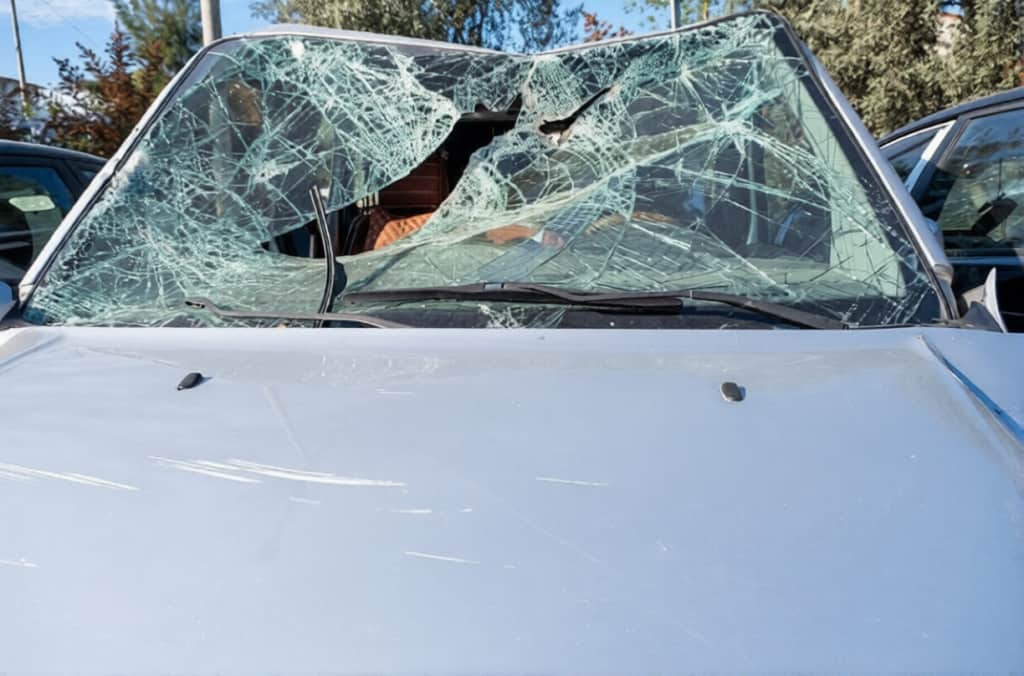
Broken car windshield
Blog

Why Michigan Pothole Season Causes Glass Damage

I’m Ray. I’ve been working on cars since the early 90s, back when we removed windshields with cold knives and polished chrome bumpers by hand. Over the past 30+ years in Sterling Heights, Troy, Pontiac, and across Michigan, I’ve seen one seasonal culprit wreak havoc on vehicles more than anything else: potholes. Michigan winters and spring thaws create roads that look like Swiss cheese, and every driver’s windshield is at risk. From tiny chips to full-blown cracks, these hazards are not just cosmetic—they affect safety, airbag performance, and even ADAS camera alignment in modern vehicles. In this article, I’ll break down why potholes are so dangerous, how they affect glass, what immediate measures you can take, and best practices for prevention and repair. The Science Behind Pothole Formation in Michigan Every year, Michigan experiences some of the harshest freeze-thaw cycles in the country. When water seeps into small cracks in asphalt and freezes, it expands by nearly 10%, forcing the road to buckle. Once the ice melts, the pavement contracts, leaving behind weak spots. Over time, repeated cycles turn these weak areas into potholes. By March and April, drivers are met with streets full of hidden and visible potholes, particularly on major arteries like M-59, I-75, and local residential roads. The severity isn’t just about size; depth and jagged edges make even small potholes a threat. When your tires hit a pothole, the sudden impact generates a shockwave that travels through your suspension and directly into your windshield. Even minor impacts can create stress points in laminated glass. Small chips caused by gravel or debris loosen under this stress, and microscopic cracks can propagate within hours or days. In Michigan, it’s not unusual to see a star-shaped chip from winter road debris turn into a full-length crack after a pothole strike. Understanding the science behind potholes helps drivers anticipate risk and adopt strategies to protect their vehicles during peak pothole season. How Pothole Impacts Transfer Stress to Windshields Many people think potholes only affect tires and suspension, but windshields are surprisingly vulnerable. The windshield is a structural component, bonded to the frame, supporting the roof, and working with airbags. A sudden vertical jolt from a pothole creates stress at mounting points and across the glass surface. The impact doesn’t have to be direct. Vibrations from the road can travel up through the chassis and chassis-mounted components. If your windshield already has a small chip or micro-crack, that stress can make it expand almost immediately. Even modern laminated windshields with two layers of glass and a plastic interlayer are not immune. In my 30+ years, I’ve seen countless cases where a windshield that looked fine in the morning arrived at my shop hours later with a spreading crack after hitting a single pothole. On vehicles equipped with ADAS cameras, even slight flexing can affect alignment, causing lane departure warnings or false alerts. Michigan potholes don’t discriminate—every car, from an old sedan to a new Tesla, is susceptible. Being aware of how pothole stress travels helps drivers act proactively and reduce windshield damage. Seasonal Timing: Why Late Winter and Early Spring Are Most Dangerous Pothole season in Michigan isn’t just a nickname; it’s a predictable period that spans late February through May. During this time, roads are saturated with water from melting snow. Freezing nights followed by daytime thawing expand cracks in asphalt, creating potholes overnight. Drivers returning from work or early errands often hit potholes before the roads are fully repaired. This timing coincides with temperature swings, which further stresses glass. A small chip from winter gravel, combined with a pothole impact, can result in a crack that spreads from one end of the windshield to the other. I remember a customer who drove a Toyota Camry on Van Dyke Avenue in Sterling Heights in March. The car had a tiny chip in the driver-side corner. After hitting a single pothole, the windshield developed a large spider-web crack overnight. Situations like this happen all the time in Michigan because winter leaves roads brittle, and spring brings traffic back at full force. Being mindful of seasonal timing allows drivers to inspect their windshields regularly, report damage early, and schedule repairs before minor issues escalate. Common Types of Glass Damage From Potholes Not all windshield damage looks the same, but potholes tend to produce predictable patterns: Recognizing the type of damage helps in deciding whether a repair is feasible or replacement is necessary. Immediate Actions After Hitting a Pothole If you hit a pothole and suspect windshield damage, immediate steps can reduce the risk of crack propagation: These steps do not replace professional repair, but they help prevent minor damage from escalating. Professional Repair vs Replacement in Pothole Cases When assessing pothole-induced windshield damage, professional evaluation is essential. Small chips (<1 inch) can usually be repaired with resin injection. Medium cracks may also be repairable if they haven’t reached the edge. Large cracks, edge cracks, or spider-web patterns generally require full windshield replacement. Professional repair ensures proper bonding, optical clarity, and adhesion to the vehicle frame. This is critical because windshields contribute to roof support during rollovers and work with airbags in collisions. In Michigan pothole season, timing is key—delaying repair allows cracks to propagate with the next pothole encounter. I’ve trained many technicians over the years, and one thing is clear: a professional repair is more reliable and safer than temporary DIY measures, especially during peak pothole season. Preventative Measures to Minimize Damage While potholes cannot be eliminated, drivers can take steps to reduce windshield risk: These measures combine cautious driving and maintenance to protect both vehicle and passenger safety. How ADAS and Modern Sensors Are Affected by Potholes Modern vehicles increasingly rely on ADAS systems such as lane departure warning, automatic braking, and adaptive cruise. Windshields with integrated cameras and sensors are particularly sensitive to stress from potholes. Even minor flexing can throw off calibration, causing false alerts or system errors. In my experience, cars with unaddressed pothole damage can

A Gray BMW 4 Series Is Displayed At The Chester Car Auction
Blog

BMW Windshield Replacement – Why Calibration Is Critical

I’ve spent over 30 years in the auto glass world. My name is Ray, and I’ve seen cars evolve from the simple mechanical marvels of the 90s to today’s high-tech BMWs loaded with advanced driver assistance systems (ADAS). Back in the day, replacing a windshield meant removing a piece of glass, cleaning the frame, and installing a new one. You didn’t think twice about sensors, cameras, or lane assist systems. Today, things are very different. Modern BMW windshields are far more than just glass—they’re a core part of the vehicle’s safety network. Cameras, rain sensors, lane departure warning systems, and heads-up displays all rely on precise windshield alignment. Misalignment or poor-quality glass can result in false warnings, system malfunctions, or even accidents. In Michigan, with our mix of icy winters, road salt, and unpredictable weather, a properly replaced and calibrated windshield is crucial. I’ve trained dozens of young technicians and witnessed firsthand the mistakes that can occur when calibration is ignored. I’ve also seen the relief on customers’ faces when their ADAS systems function flawlessly after a properly executed replacement. In this article, I’ll break down why BMW windshield calibration is critical, how the process works, common mistakes drivers make, cost considerations in Metro Detroit, and expert tips to protect your investment. By the end, you’ll understand why proper installation and calibration isn’t just recommended—it’s essential. Why BMW Windshields Require Precision BMW windshields are engineered with precision. Unlike the windshields I worked on in the 90s, today’s glass integrates multiple sensors that monitor your surroundings and provide real-time feedback to the car. These systems include: Even a slight deviation in windshield placement or curvature can cause these systems to behave unpredictably. I recall a case in Sterling Heights where a customer had a windshield replaced with a cheap aftermarket glass. The lane departure warning constantly triggered, and the heads-up display appeared blurry. After replacing the windshield with the correct OEM glass and calibrating the sensors, everything returned to normal. The reason precision is critical is that BMW designs these systems to work within extremely tight tolerances. A misaligned camera or sensor may not detect lane markings correctly or could misinterpret objects in the road. For Michigan drivers dealing with snow, ice, and reduced visibility, this can make a minor trip far more dangerous. Your windshield isn’t just glass—it’s a safety-critical component that keeps your vehicle’s high-tech systems functioning correctly. OEM vs Aftermarket Glass for BMW When it comes to BMW windshield replacement, choosing the right glass brand is one of the most important decisions you’ll make. Modern BMW windshields are not just transparent panels; they are engineered components designed to work seamlessly with cameras, sensors, heating elements, acoustic layers, and heads-up display systems. You generally have two primary options: OEM (Original Equipment Manufacturer) glass or aftermarket glass. OEM Glass OEM glass is manufactured by the same supplier that produced the original windshield installed at the BMW factory. That means it is built to BMW’s exact engineering specifications. This includes: BMW engineers design ADAS systems to function within extremely tight tolerances. Even a millimeter of variance in curvature or camera bracket placement can alter how the forward-facing camera interprets the road. OEM glass eliminates those risks because it mirrors factory specs exactly. Another important factor is optical clarity. BMW windshields often include specialized coatings to reduce glare and enhance heads-up display projection. OEM glass ensures the HUD image remains crisp, properly aligned, and distortion-free. For newer BMW models—especially those equipped with lane assist, adaptive cruise control, or forward collision warning—OEM glass significantly reduces the risk of calibration complications and post-installation system errors. Aftermarket Glass Aftermarket glass is produced by third-party manufacturers rather than the original BMW supplier. Over the past decade, the quality of many aftermarket brands has improved considerably. High-quality aftermarket windshields can be structurally sound and meet federal safety standards, often at a lower price point than OEM. However, there are potential drawbacks: In older BMW models without ADAS or heads-up displays, aftermarket glass can be a practical and cost-effective solution. But in modern BMWs loaded with safety technology, even small manufacturing variations can create ongoing sensor or calibration issues. From over 30 years in the field, I’ve found that OEM or true OEM-equivalent glass consistently delivers fewer headaches for BMW owners—especially in Michigan, where road vibrations, temperature swings, and harsh winters put additional stress on installations. The initial savings of cheaper glass can quickly disappear if recalibration problems require repeat service visits. The Calibration Process Explained Calibration is not an optional add-on—it is a critical safety procedure required after replacing the windshield on most modern BMW vehicles. Because many ADAS cameras and sensors are mounted directly to the windshield, replacing the glass changes their physical reference point. Even if the windshield is installed perfectly, calibration ensures the vehicle’s computer correctly understands the new sensor positioning. Here’s what the process typically involves: 1. Sensor Alignment The forward-facing camera system must be precisely aligned relative to the vehicle’s centerline and ride height. Specialized targets are placed at specific distances in front of the vehicle in a controlled environment. If alignment is even slightly off, the system may: Precision is everything. BMW tolerances are extremely tight, often within fractions of a degree. 2. Static or Dynamic Calibration Depending on the BMW model, calibration may require: Many models require both. This step allows the system to “learn” and confirm proper sensor positioning under real-world conditions. 3. Software Integration BMW’s onboard computer must recognize the newly installed windshield. Diagnostic tools are connected to reset error codes, reinitialize camera systems, and ensure the vehicle software accepts the calibration. Without this integration, ADAS warning lights may remain active on the dashboard. 4. Drive Verification This is the step many inexperienced installers are tempted to skip. A proper test drive confirms: I’ve seen technicians rush through jobs and skip verification, only for customers to return days later with persistent warning lights or erratic system behavior. A complete calibration process prevents these issues and ensures reliability.

Windshield crack repair using resin injection.
Blog

Windshield Chip Repair Cost: $60–$150 or $0?

Windshield chip repair typically costs between $60 and $150, depending on the chip size, your location, and whether you use insurance. Most Michigan drivers end up paying $0 out of pocket by filing through their comprehensive coverage. At Save On Auto Glass, chip repair is a flat $65, one of the most competitive rates in Michigan, with no hidden fees. That small chip won’t stay small for long. Michigan’s harsh winters and pothole-riddled roads can turn a minor rock chip into a spreading crack, and a full crack means full windshield replacement, costing $300–$500 or more. Catching it early is always the smarter move. In this guide, we’ll cover what affects repair cost, how insurance works, when a chip can no longer be repaired, and what to look for when choosing a shop. Complete Windshield Chip Repair Cost Breakdown Look, windshield repair cost may vary based on area, number of chips, size of cracks, replacement, and others criteria. So, the actual costs depends on following aspects: Single Chip Repair Prices In 2025, usually $60 to $90 is used to repair a normal bullseye or a small star chip (which is smaller than a small coin). If you go to any of the vast national chains like safelite, then you may cost $140 to $160 for a single chip without insurance. However, this price may vary from area to area. It may be $65 to $80 in your area. Within these costs, resin injection & lifetime warranty are included so that the crack won’t expand. At Save On Auto Glass, all types of windshield chip repair are $65. No hidden charges, but we don’t provide a lifetime warranty. ​Additional Chips Cost Do you have more than one crack on your windshield? The good news is, you don’t have to pay double for this. Most of the repair shops offer a ‘second chip repair discount’.  For the extra chip it may charge usually $20-$45 extra in the same windshield. For example, if the charges for the first chip is $79, then it may take $99-$110 for the second one. The costs become lower if you repair those chips at the same time rather than multiple times.  Crack Repair Prices (Up to 6 inches) Long chip or crack repairs are comparatively more technical or complex than any other simple chip. Technicians are doing drills to make a relief hole and use resins in long areas.  For this extra diligence, long crack repair price is a little bit higher which is usually within $125 to $155.  Keep in mind that most of the repair shops won’t repair if the size is more than 6 inches, it means they won’t want to take such risks. If the crack is longer than this then there is no way left behind rather than replacement.  ​Luxury & ADAS Vehicles If you have a Tesla Model Y, BMW X5 or a modern vehicle like Rivian which has Advanced Driver Assistance Systems (ADAS), then it requires additional caution.  However, the process of resin fills is similar, but many repair shops charge $20-$40 extra as a ‘tech premium’ to avoid potential risks of sensor or camera damage. Overall, the costs may be up to $100. The regulations are so strict specially for Tesla windshield repair. Manufacturers suggest not repairing the chip located exactly in front of the autopilot camera. In this regard, you have to replace the entire windshield instead of repairing with $100 which costs approx $1200 with calibration.  Factors That Affect Your Repair Bill All the chips or cracks are not equal, so the repair cost may vary. Usually, a ‘Bullseye’ chip which looks clear & round in shape is easy to repair & affordable.  But, if the damage is like a ‘star break’, which means the chip expands like a spider web, then it is difficult to repair. Resin takes too much time to reach this type of chip or crack. For the complexity, many technicians charge an additional 10%-15% more for the star break repair than any other repair. Location of the Damage Decisions are taken based on the location of the chip in the windshield whether it is possible to repair or not. If the crack is within the line of sight of the driver( 8.5 x 11 inches area over the steering wheel), then sometimes it is illegal to repair.  Because, glass transparency won’t come back completely after the repair, sometimes it may look blurry which disrupts while driving. It can be done with several bucks if the damage is likely to the passenger side or corner of glass.  Mobile Service vs. In-Shop Do you want to call a technician in-house or go to a repair shop? The costs also depend on it, indeed.  Service Type  How it Works Estimated Cost Mobile Service A technician will come & complete the task in front of your house or office. If you don’t have insurance coverage, you may have to pay an extra $25-$40 convenience fee on top of the core repair cost. In-Shop Service You may have to drive by yourself to the specific repair shop. No travel fee required. If you want the ‘cash price’ option search ‘windshield repair near me’. If you’re near Sterling Heights, then contact ‘Save on Auto Glass’. We don’t charge a convenience fee. We are providing free mobile service with no extra cost. Just pay the core price, and there’s no hassle.  Insurance Coverage: Is it Really Free? The most common myths among car owners about windshield repair are about repair costs. Many people don’t know that repair can even be possible without spending a single buck. If you have a clear understanding of the insurance policies, then you can get the service for free. Let’s see how an Insurance company bears the expenses, and whether it affects the policy or not. The “Zero Deductible” Waiver A question may pop up in your mind, “Why will insurance companies pay the bill to repair your windshield from their own funds?

Cherry Red Chevy Silverado
Blog

Chevy Silverado Auto Glass Replacement Cost Guide

I’ve been working on cars for over three decades. My name is Ray, and I’ve seen just about every windshield and auto glass scenario imaginable. From early 90s trucks to today’s advanced vehicles, including your Chevy Silverado, I’ve learned that replacing auto glass is about more than just slapping in a new piece of glass—it’s about safety, precision, and long-term durability. Chevy Silverado owners in Michigan frequently ask: “Ray, how much should I expect to pay for a windshield or side window replacement?” The answer isn’t one-size-fits-all. Costs vary depending on your model year, trim, glass type, whether you have Advanced Driver Assistance Systems (ADAS), and your location in Metro Detroit. In this guide, I’ll break down what you need to know, from cost estimates to insurance considerations and installation tips. Why Silverado Auto Glass Replacement Matters Many people underestimate the role of auto glass. Your windshield and windows aren’t just cosmetic—they’re critical for: Over the years, I’ve repaired countless Silverados with chips and cracks from road debris, Michigan winters, and high-traffic highways like I-75 and M-59. A neglected chip often grows into a full crack, which can cost hundreds more to replace. Your Silverado’s windshield may also house sensors for lane assist or cameras for adaptive features. Using subpar glass or skipping calibration can affect system performance. Even a small misalignment can trigger false warnings or sensor errors. Factors Affecting Replacement Cost Several factors influence how much it will cost to replace your Silverado’s auto glass, and understanding them can help you plan your budget. Type of glass is a major factor: OEM glass is more expensive but ensures exact factory specifications, while aftermarket glass can be cheaper but may vary in quality and optical clarity. Model year and trim also matter—newer Silverados often have advanced tech features such as cameras or ADAS, which require sensor calibration, raising the cost. Location in Metro Detroit affects labor rates; mobile service is convenient but can be slightly higher. Damage type matters too—a small chip repair is far less costly than replacing a full windshield or multiple side windows. Finally, seasonal considerations like Michigan winters can slow adhesive curing, impacting scheduling and cost. From my shop experience, realistic 2026 estimates are: Windshield Replacement: $450–$900 for standard models, $700–$1,200 for ADAS-equipped; Side Window Replacement: $200–$450; Rear Glass Replacement: $350–$800. These prices reflect materials, labor, and careful installation to meet safety standards. OEM vs Aftermarket Glass for Silverado One of the most common questions I get from Silverado owners is whether to choose OEM or aftermarket glass. OEM glass matches factory specifications perfectly, ensuring that ADAS sensors, lane assist cameras, and emergency braking systems function correctly. It also offers long-term durability and warranty compliance. Aftermarket glass can be a viable option if sourced from reputable manufacturers, and it’s usually less expensive. However, slight variations in curvature or thickness can affect sensor accuracy, optical clarity, and overall safety. For ADAS-equipped Silverados, I almost always recommend OEM or certified OEM-equivalent glass. A misaligned windshield can compromise lane assist, emergency braking, or camera-based safety features, potentially creating hazards on the road. Investing in the right glass upfront avoids costly recalibration and safety issues later. DIY vs Professional Replacement Some Silverado owners consider DIY kits for minor chips or cracks. While small chip repairs can sometimes be safely performed at home using proper resin kits, full windshield replacement or large cracks require professional tools, adhesives, and calibration. Improper installation can lead to leaks, sensor misalignment, or even the glass popping out in an accident. I’ve seen firsthand the results of rushed DIY repairs—one customer tried a windshield fix after a highway rock hit, and within a week the crack had spread across the entire glass. The truck had to come into my shop for a full replacement. Doing it right the first time saves money, protects safety, and preserves the structural integrity of your Silverado. Professional installation ensures proper curing, perfect sensor alignment, and long-term reliability. Insurance Considerations in Michigan Michigan law and insurance policies play a significant role in your out-of-pocket costs for auto glass replacement. Comprehensive coverage often includes windshield repair or replacement, but deductibles vary, and some policies include ADAS calibration while others do not. Early claims can prevent small chips from turning into larger cracks, saving you hundreds of dollars. I always advise clients in Troy, Sterling Heights, and Pontiac to call their insurer first, confirm coverage, and schedule replacement promptly. Delaying repairs can turn a simple $65 chip repair into a $900 windshield replacement. Knowing what your policy covers—OEM vs aftermarket, calibration costs, and labor—is key to making informed decisions and avoiding surprise expenses. Common Causes of Silverado Auto Glass Damage In Michigan, several factors put your Silverado at higher risk for glass damage. Highway debris is a major culprit; rocks from busy roads like I-75 and M-59 often chip windshields. Construction zones with loose gravel and heavy machinery can damage side windows. Winter road salt gradually weakens glass, especially near chips or small cracks, increasing the likelihood of spreading damage. Parking lot theft or vandalism is common in urban areas, often targeting side windows. Understanding these risks allows Silverado owners to take preventive measures, such as parking strategically, using chip-resistant films, driving cautiously near trucks, and repairing minor damage immediately to avoid costly replacements. Pro Tips From a Veteran Installer After decades of working on Chevy Silverados, here’s my advice for owners who want to avoid costly mistakes. Don’t ignore small chips—repair them early to prevent full windshield replacement. Always use OEM glass for ADAS-equipped models to maintain sensor accuracy and safety features. Allow adhesive to fully cure, especially in Michigan’s cold winters, to avoid leaks or misalignment. Keep a detailed record of all glass repairs and replacements for insurance and resale purposes. Finally, choose experienced, certified installers—shortcuts in installation lead to bigger problems over time. I’ve trained dozens of technicians and learned that precision and quality matter more than speed. Proper installation ensures durability, safety, and peace of mind. Frequently

car OEM glass
Blog

Aftermarket vs OEM Glass – What Insurance Usually Pays For

I’m Ray, and I’ve spent over 30 years working on windshields, from classic ’90s sedans to Teslas with every sensor you can imagine. When someone asks me, “Ray, does insurance cover OEM or aftermarket glass?” — I know the confusion is real. Back in the ’90s, the choice was simple: replace the windshield with glass from the factory or from a local manufacturer. Today, cars have cameras, rain sensors, heads-up displays, and ADAS systems. Glass isn’t just a sheet anymore; it’s part of the car’s safety network. Insurance coverage for replacement now comes with its own complications. If you’ve been hit by a rock on I‑75 in Troy, had a snow-laden commute in Sterling Heights, or experienced vandalism in Pontiac, this guide is for you. By the time you finish reading, you’ll understand the differences between OEM and aftermarket glass, how insurance views them, and what Michigan drivers can expect in 2026. Understanding OEM vs Aftermarket Glass OEM (Original Equipment Manufacturer) glass comes from the same company that supplied the windshield when your vehicle left the factory. It matches exact thickness, curvature, tint, and sensor placement. Aftermarket glass, on the other hand, is made by companies not tied to your car’s factory production. It meets safety standards, but may have slight variations in shape, optical clarity, or sensor housing. I’ve trained dozens of technicians who assumed all glass was equal — only to see lane assist systems misalign or HUDs project incorrectly after installing cheaper aftermarket units. It’s subtle, but on highways like M‑59 or I‑75, subtle can be dangerous. The choice between OEM and aftermarket affects: Even insurance companies take notice. How Insurance Typically Handles Glass Replacement In Michigan, most comprehensive auto insurance policies cover windshield replacement, but the specifics often vary between OEM and aftermarket glass. OEM coverage may be limited to policies that explicitly include it or may require the vehicle owner to pay a partial difference. Aftermarket glass is generally more widely covered because it costs less, helping insurers manage claim expenses. However, vehicles with advanced driver-assist systems (ADAS), cameras, or HUD displays may require additional sensor recalibration when aftermarket glass is used, which many policies do not fully cover. In real-world experience, I’ve seen Cadillac owners receive aftermarket glass, only to encounter minor camera misalignment that triggered lane assist warnings. The insurer paid for the glass, but the recalibration cost an additional $300 out-of-pocket. This shows why understanding your policy and discussing calibration requirements with your installer is critical before authorizing any replacement. How Insurance Determines Glass Type Coverage Insurance companies often have strict guidelines for windshield replacement, and understanding these rules is key to avoiding unexpected costs. Most Michigan policies cover replacement with cost-effective aftermarket glass because it keeps claims expenses lower. OEM glass, being more expensive, may only be covered if your policy explicitly includes it or if the vehicle has advanced features requiring factory-level precision. Factors like vehicle age, type of coverage, and presence of ADAS systems heavily influence the insurer’s decision. For example, luxury cars or newer vehicles with lane assist, HUD, or radar sensors often require OEM glass to maintain safety compliance. In many cases, insurers allow the driver to choose OEM glass but require them to pay the difference. Drivers should also know that insurers may not cover calibration costs when aftermarket glass is used. That’s why documenting your vehicle’s sensors, cameras, and HUDs when filing a claim is essential. By understanding how insurance decides which glass to cover, Michigan drivers can make informed choices, avoid disputes, and ensure both safety and compliance during replacement. Cost Differences Between OEM and Aftermarket Glass When it comes to replacement costs, insurance typically prioritizes affordability, which often favors aftermarket glass. In 2026 Michigan pricing, OEM windshields range from $450–$1,000 depending on the vehicle and whether ADAS sensors require recalibration, while aftermarket options typically cost $200–$600. Labor costs for installation are generally the same: $100–$250 for standard replacement, plus $200–$700 for static and dynamic calibration if sensors are involved. For example, replacing a BMW 3 Series windshield in Warren might cost $1,500–$1,700 with OEM glass, versus $900–$1,100 for aftermarket. Insurance usually covers the cheaper aftermarket option, leaving the driver to pay the difference for OEM. While aftermarket is cheaper upfront, it may require extra calibration, making OEM a safer choice for ADAS-equipped or luxury vehicles to ensure system accuracy and long-term reliability. Hidden Costs Drivers Often Overlook Many drivers focus solely on the upfront price of replacement, overlooking hidden costs that can quickly add up. Insurance may cover the glass itself but often excludes sensor recalibration, dynamic alignment, or advanced ADAS adjustments required after replacement. For aftermarket installations, these costs can range from $200 to $700, depending on vehicle complexity. Labor rates may also rise for vehicles with integrated HUDs or multiple cameras, adding to overall expense. There are additional risks, too: poorly calibrated sensors may lead to false alerts or compromised automatic braking, which could cause accidents. Some drivers attempt DIY calibration or skip the process entirely to save money — a dangerous decision that insurers may not honor in case of an accident. Even subtle optical distortions can reduce HUD readability or lane assist reliability, creating hidden safety risks. By considering these costs upfront, drivers can plan for total expenses and decide whether paying a small difference for OEM glass — which often eliminates extra calibration — is a wiser long-term choice. Michigan Drivers: Why OEM May Be Worth It For drivers in Troy, Sterling Heights, Pontiac, or anywhere in Metro Detroit, OEM glass offers more than brand prestige — it ensures precision, safety, and peace of mind. OEM glass guarantees correct sensor alignment for ADAS, accurate HUD display calibration, and minimal optical distortion, which is critical during winter drives when glare from snow or low sun can reduce visibility. It also tends to last longer, lowering future replacement costs. In my experience, even subtle differences in aftermarket glass curvature can cause lane assist warnings or misaligned heads-up displays. Although

Close up view of female hands on Tesla Model Y steering wheel with autopilot screen showing road traffic
Blog

Tesla Windshield Replacement & Sensor Calibration in Michigan

I’ve been in the auto glass industry for over 30 years, working on everything from 90s muscle cars to the latest Teslas. My name is Ray, and over three decades, I’ve learned that a windshield is far more than a piece of glass. On modern electric vehicles like Teslas, it’s part of a highly sophisticated safety and sensor system. In Michigan, where cold winters, road salt, and highway debris are daily hazards, Tesla owners often ask me: “Ray, if I need a windshield replacement, do I have to recalibrate all my sensors?” The answer is absolutely yes. Tesla windshields integrate cameras, ultrasonic sensors, and rain/light sensors that feed data to Autopilot, lane assist, emergency braking, and more. A misaligned windshield can compromise safety and trigger system errors. In this article, I’ll walk you through the replacement process, sensor calibration requirements, costs, and Michigan-specific considerations for Tesla drivers. I’ll also share insights from my decades of experience, with stories from my shop and practical advice you won’t find in a manual. Why Tesla Windshields Are More Than Glass Back in the 90s, a windshield was a simple piece of laminated glass — you removed the old one, prepped the frame, and installed a new pane. That was it. Today, Teslas are far more advanced. Their windshields are integral to vehicle safety, housing forward-facing cameras for Autopilot, rain and light sensors for automatic wipers and headlights, ultrasonic sensors for parking and collision detection, and even HUD projections in certain trims. Any misalignment, optical distortion, or uneven curvature can trigger false warnings, Autopilot errors, or sensor malfunctions. I’ve seen Teslas with poorly fitted aftermarket glass misread lane markings repeatedly, causing constant driver alerts. Properly calibrated, OEM or high-quality aftermarket windshields restore all systems to factory performance, ensuring safety, accuracy, and peace of mind on highways, city streets, or Michigan’s icy roads. Tesla Windshield Replacement: OEM vs Aftermarket When Tesla owners call my shop in Troy, Sterling Heights, or Detroit, the first question is always about glass quality. OEM Tesla glass is factory-made for precise curvature and thickness, guaranteeing proper alignment with all sensors and Autopilot systems. It minimizes the risk of calibration issues, optical distortion, or false warnings. Aftermarket glass can be cost-effective if it’s high quality and meets strict dimensional and optical tolerances, but lower-end options often introduce sensor misalignment or camera errors. From my experience, Tesla windshields are not a place to compromise. Even a slight deviation can affect lane assist, emergency braking, and Autopilot functionality. Investing in OEM or verified high-quality aftermarket glass ensures your vehicle’s advanced driver-assist systems function correctly, keeps calibration straightforward, and avoids costly troubleshooting down the line. Sensor Calibration: Why It’s Critical Tesla windshields are home to multiple sensors and cameras that feed data to Autopilot, emergency braking, lane assist, and other safety systems. Sensor calibration ensures that these components are positioned and functioning exactly as Tesla intended. I categorize calibration into two types: Static Calibration, which occurs in a controlled environment using Tesla’s proprietary diagnostic tools, aligns sensors while the vehicle is stationary; and Dynamic Calibration, performed on the road to verify correct operation under real driving conditions. Skipping calibration or relying on inexperienced installers is a common mistake I see. Improper calibration can cause Autopilot to misread lanes, trigger false emergency braking alerts, or misinterpret light and rain sensors, creating hazards. Proper calibration restores factory-level functionality and ensures that all advanced safety systems operate reliably and safely. Costs of Tesla Windshield Replacement in Michigan (2026) Tesla windshield replacement is among the more expensive auto glass jobs due to integrated sensors and proprietary glass design. Based on my experience in Metro Detroit, costs vary by model: Model 3: $700–$1,200, Model Y: $900–$1,400, and Model S/X: $1,200–$1,800, with ADAS and Autopilot calibration adding $300–$500 more. Factors affecting pricing include whether you choose OEM or high-quality aftermarket glass, the experience of the technician, whether service is performed in-shop or via mobile units, and seasonal labor adjustments in Michigan winters. Insurance often covers the glass but may not include calibration fees. Tesla owners who skip proper calibration often face higher costs later correcting system errors, false alerts, or sensor malfunctions. Planning ahead ensures both safety and cost-efficiency. Common Mistakes Tesla Owners Make Over the years, I’ve seen recurring mistakes Tesla owners make when replacing windshields. First, choosing the cheapest glass — lower-quality windshields often distort camera input and trigger Autopilot warnings. Second, skipping calibration — even perfectly installed glass won’t function correctly if sensors aren’t realigned. Third, rushing adhesive curing — Michigan’s cold winters slow bonding, and driving too soon can cause leaks or misaligned sensors. Fourth, attempting DIY replacement — Tesla’s proprietary sensors require professional tools and precise alignment. Investing in high-quality installation upfront prevents headaches, system errors, and expensive repairs later. Taking time for proper glass selection, calibration, and curing ensures your Tesla’s safety systems work as intended. Michigan Weather and Tesla Windshields Michigan winters create unique challenges for windshield replacement. Road salt and debris can chip glass near sensor areas, while freezing and thawing cycles can stress adhesive bonds and affect sensor accuracy. Temperature swings slow the curing process, making it critical to schedule installations in heated shops or use mobile units equipped for cold weather. Proper handling ensures adhesive cures fully, glass is aligned correctly, and sensors maintain factory-level precision. Ignoring these weather factors increases the risk of leaks, misaligned cameras, false alerts, and premature glass damage. Experienced installers in Michigan know how to adapt procedures for seasonal conditions, safeguarding both your Tesla and its advanced driver-assist systems. Tips for Tesla Owners in Metro Detroit Based on my decades of experience, Tesla owners should follow a few key tips to protect their investment. Verify your car’s year and model to determine whether calibration is required. Schedule both static and dynamic calibration with certified technicians. Always use OEM or high-quality aftermarket glass. Avoid driving immediately after installation to allow the adhesive to cure fully. Keep a record of replacement and calibration for insurance and

A portrait of a maroon-colored Jeep Grand Cherokee traveling down a highway in moderate traffic
Blog

Jeep Grand Cherokee ADAS Calibration After Windshield Replacement

I’ve been working on vehicles in Michigan for over 30 years — from hand-waxed classics in the 90s to fully loaded SUVs like the Jeep Grand Cherokee today. My name is Ray, and I’ve seen windshield technology evolve from simple laminated glass to integral components of modern safety systems. For owners of a Jeep Grand Cherokee in Troy, Warren, Sterling Heights, or anywhere in Metro Detroit, one of the most common questions I get is: “Ray, I just had my windshield replaced. Do I need ADAS calibration?” The answer isn’t always straightforward. Jeep’s modern Grand Cherokees, especially 2014 and newer, often come with advanced driver-assist systems (ADAS) — lane departure warning, forward collision alert, adaptive cruise control, rain sensors, and more. These systems rely on cameras and sensors mounted to the windshield. Any misalignment can cause safety warnings, incorrect braking, or sensor failure. In this article, I’ll explain the calibration process, why it’s essential, what costs to expect in 2026, and how Michigan weather and roads impact your SUV’s safety. Why ADAS Calibration Matters on the Jeep Grand Cherokee Replacing a windshield on a modern Jeep Grand Cherokee is far more than swapping glass. Today’s windshields are integral to the vehicle’s safety ecosystem, housing forward-facing cameras, rain and light sensors, forward collision alert cameras, and sometimes head-up display mounts. static calibration, which is performed in a controlled workshop using specialized targets Even a minor misalignment of these components can trigger false warnings, disable critical safety features, or reduce system accuracy. I’ve seen brand-new aftermarket windshields installed without calibration, resulting in phantom braking alerts, misaligned lane assist, and repeated warning lights. Proper ADAS calibration restores factory-level functionality, ensuring that lane departure, adaptive cruise, and collision systems operate safely. For SUVs driven daily on Metro Detroit highways, accurate calibration isn’t just a convenience—it’s essential for driver and passenger safety. When Jeep Grand Cherokees Require Calibration Not all Jeep Grand Cherokees require ADAS calibration after windshield replacement. It’s primarily necessary for models 2014 and newer equipped with forward-facing cameras, lane departure warning, forward collision alert, or adaptive cruise control. Windshields that house rain or light sensors also require proper calibration to ensure these systems operate correctly. Older or base models without these advanced features typically only need a standard windshield installation. Identifying your vehicle’s trim and sensor configuration before scheduling service is critical. Asking questions like “Does your Jeep have lane assist, forward collision, or adaptive cruise?” helps determine whether static or dynamic calibration—or both—will be required, ensuring safety systems function as intended and preventing costly errors. The Calibration Process Explained ADAS calibration realigns all cameras and sensors mounted to the windshield, ensuring proper functionality. There are two primary methods: static calibration, which is performed in a controlled workshop using specialized targets and alignment tools while the SUV remains stationary, and dynamic calibration, where the vehicle is driven under specific conditions to allow sensors to “relearn” positioning based on real-world road data. Many Grand Cherokees require both methods, as static calibration ensures precise camera alignment, while dynamic calibration fine-tunes radar and adaptive systems. Skipping either step or relying on untrained installers can result in phantom warnings, lane assist errors, or reduced performance of forward collision and adaptive cruise systems. Proper calibration guarantees safe and reliable ADAS operation. Cost of ADAS Calibration in Metro Detroit (2026) Windshield replacement costs for a Jeep Grand Cherokee vary depending on the presence of ADAS systems, sensor quantity, and local labor rates. Standard replacement without calibration typically ranges from $450–$700, while full replacement with static and dynamic calibration costs between $850–$1,300 in Metro Detroit. Factors affecting price include whether the glass is OEM or aftermarket, the number of cameras and sensors, technician experience, and mobile service availability. Insurance may cover windshield replacement but not always calibration, so it’s essential to confirm coverage with your agent beforehand. Investing in proper calibration ensures all safety systems function correctly, preventing future warnings, malfunctions, and costly repairs, which ultimately saves money and protects lives. OEM vs Aftermarket Windshields on the Grand Cherokee Choosing the right windshield is critical for proper ADAS functionality. OEM (Original Equipment Manufacturer) glass provides exact fit, curvature, and optical clarity, minimizing calibration issues and ensuring factory-level performance. It’s ideal for vehicles with cameras and sensor-based safety systems but comes at a higher cost. Aftermarket glass can be cost-effective if high-quality, but lower-end options may have slight variations in thickness or optical properties, causing sensor misalignment, false warnings, or distorted lane assist readings. For Grand Cherokees with advanced safety features, I always recommend OEM or high-quality aftermarket glass. Proper selection, paired with accurate calibration, ensures your vehicle’s ADAS systems work reliably, keeping you and your passengers safe on the road. Michigan Weather and ADAS Sensitivity Metro Detroit’s climate greatly impacts windshield durability and ADAS performance. Cold winters slow adhesive curing, which can lead to leaks, sensor misalignment, or faulty calibration if installers rush the job. Freeze-thaw cycles in spring may expand chips or cracks, affecting sensor positioning, while road debris on highways like I-75, M-59, or I-94 can strike sensitive areas around cameras. Proper installation and calibration prevent long-term problems caused by weather-related stress. Over my career, I’ve corrected numerous Grand Cherokees where rushed winter installs led to early sensor misalignment. Attention to weather conditions during installation, proper adhesive curing, and post-installation calibration ensures the vehicle’s safety systems remain fully operational regardless of Michigan’s harsh seasonal conditions. Signs Your Grand Cherokee May Need Recalibration Sometimes drivers don’t realize calibration was missed until warning signs appear. You may notice dashboard warning lights, lane assist behaving unpredictably, or adaptive cruise reacting inconsistently. Phantom braking or delayed collision alerts can also indicate alignment problems. If any safety feature behaves differently after windshield replacement, recalibration should be performed immediately. These systems are designed to assist you during critical moments, and even small errors can reduce effectiveness. Model Year Differences in Grand Cherokee ADAS Systems Grand Cherokee safety technology has evolved over the years. Models from 2014 to 2016 introduced broader availability of

Scroll to Top