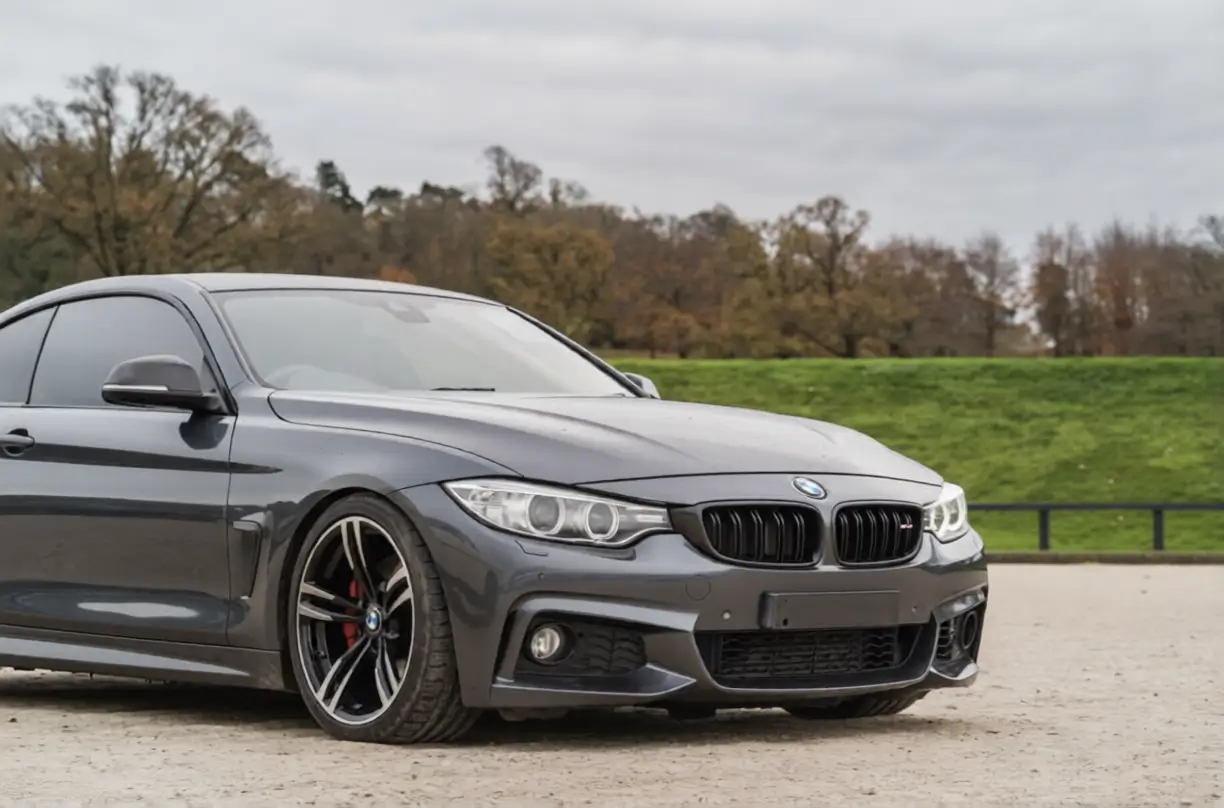
I’ve spent over 30 years in the auto glass world. My name is Ray, and I’ve seen cars evolve from the simple mechanical marvels of the 90s to today’s high-tech BMWs loaded with advanced driver assistance systems (ADAS).
Back in the day, replacing a windshield meant removing a piece of glass, cleaning the frame, and installing a new one. You didn’t think twice about sensors, cameras, or lane assist systems.
Today, things are very different. Modern BMW windshields are far more than just glass—they’re a core part of the vehicle’s safety network. Cameras, rain sensors, lane departure warning systems, and heads-up displays all rely on precise windshield alignment.
Misalignment or poor-quality glass can result in false warnings, system malfunctions, or even accidents.
In Michigan, with our mix of icy winters, road salt, and unpredictable weather, a properly replaced and calibrated windshield is crucial. I’ve trained dozens of young technicians and witnessed firsthand the mistakes that can occur when calibration is ignored. I’ve also seen the relief on customers’ faces when their ADAS systems function flawlessly after a properly executed replacement.
In this article, I’ll break down why BMW windshield calibration is critical, how the process works, common mistakes drivers make, cost considerations in Metro Detroit, and expert tips to protect your investment. By the end, you’ll understand why proper installation and calibration isn’t just recommended—it’s essential.
Why BMW Windshields Require Precision
BMW windshields are engineered with precision. Unlike the windshields I worked on in the 90s, today’s glass integrates multiple sensors that monitor your surroundings and provide real-time feedback to the car. These systems include:
- Forward collision cameras
- Lane departure warning sensors
- Adaptive cruise control cameras
- Rain and light sensors
- Heads-up display projectors
Even a slight deviation in windshield placement or curvature can cause these systems to behave unpredictably.
I recall a case in Sterling Heights where a customer had a windshield replaced with a cheap aftermarket glass. The lane departure warning constantly triggered, and the heads-up display appeared blurry. After replacing the windshield with the correct OEM glass and calibrating the sensors, everything returned to normal.
The reason precision is critical is that BMW designs these systems to work within extremely tight tolerances.
A misaligned camera or sensor may not detect lane markings correctly or could misinterpret objects in the road. For Michigan drivers dealing with snow, ice, and reduced visibility, this can make a minor trip far more dangerous.
Your windshield isn’t just glass—it’s a safety-critical component that keeps your vehicle’s high-tech systems functioning correctly.
OEM vs Aftermarket Glass for BMW
When it comes to BMW windshield replacement, choosing the right glass brand is one of the most important decisions you’ll make.
Modern BMW windshields are not just transparent panels; they are engineered components designed to work seamlessly with cameras, sensors, heating elements, acoustic layers, and heads-up display systems.
You generally have two primary options: OEM (Original Equipment Manufacturer) glass or aftermarket glass.
OEM Glass
OEM glass is manufactured by the same supplier that produced the original windshield installed at the BMW factory. That means it is built to BMW’s exact engineering specifications. This includes:
- Precise thickness and curvature tolerances
- Factory-matched acoustic interlayers for noise reduction
- Exact mounting bracket positioning for cameras and sensors
- Integrated heating elements, rain/light sensors, and HUD compatibility
- Manufacturer-backed warranty protection
BMW engineers design ADAS systems to function within extremely tight tolerances. Even a millimeter of variance in curvature or camera bracket placement can alter how the forward-facing camera interprets the road. OEM glass eliminates those risks because it mirrors factory specs exactly.
Another important factor is optical clarity. BMW windshields often include specialized coatings to reduce glare and enhance heads-up display projection. OEM glass ensures the HUD image remains crisp, properly aligned, and distortion-free.
For newer BMW models—especially those equipped with lane assist, adaptive cruise control, or forward collision warning—OEM glass significantly reduces the risk of calibration complications and post-installation system errors.
Aftermarket Glass
Aftermarket glass is produced by third-party manufacturers rather than the original BMW supplier. Over the past decade, the quality of many aftermarket brands has improved considerably. High-quality aftermarket windshields can be structurally sound and meet federal safety standards, often at a lower price point than OEM.
However, there are potential drawbacks:
- Slight differences in curvature or thickness
- Minor optical distortions, especially noticeable with HUD systems
- Variations in camera bracket positioning
- Increased likelihood of recalibration challenges
In older BMW models without ADAS or heads-up displays, aftermarket glass can be a practical and cost-effective solution. But in modern BMWs loaded with safety technology, even small manufacturing variations can create ongoing sensor or calibration issues.
From over 30 years in the field, I’ve found that OEM or true OEM-equivalent glass consistently delivers fewer headaches for BMW owners—especially in Michigan, where road vibrations, temperature swings, and harsh winters put additional stress on installations. The initial savings of cheaper glass can quickly disappear if recalibration problems require repeat service visits.
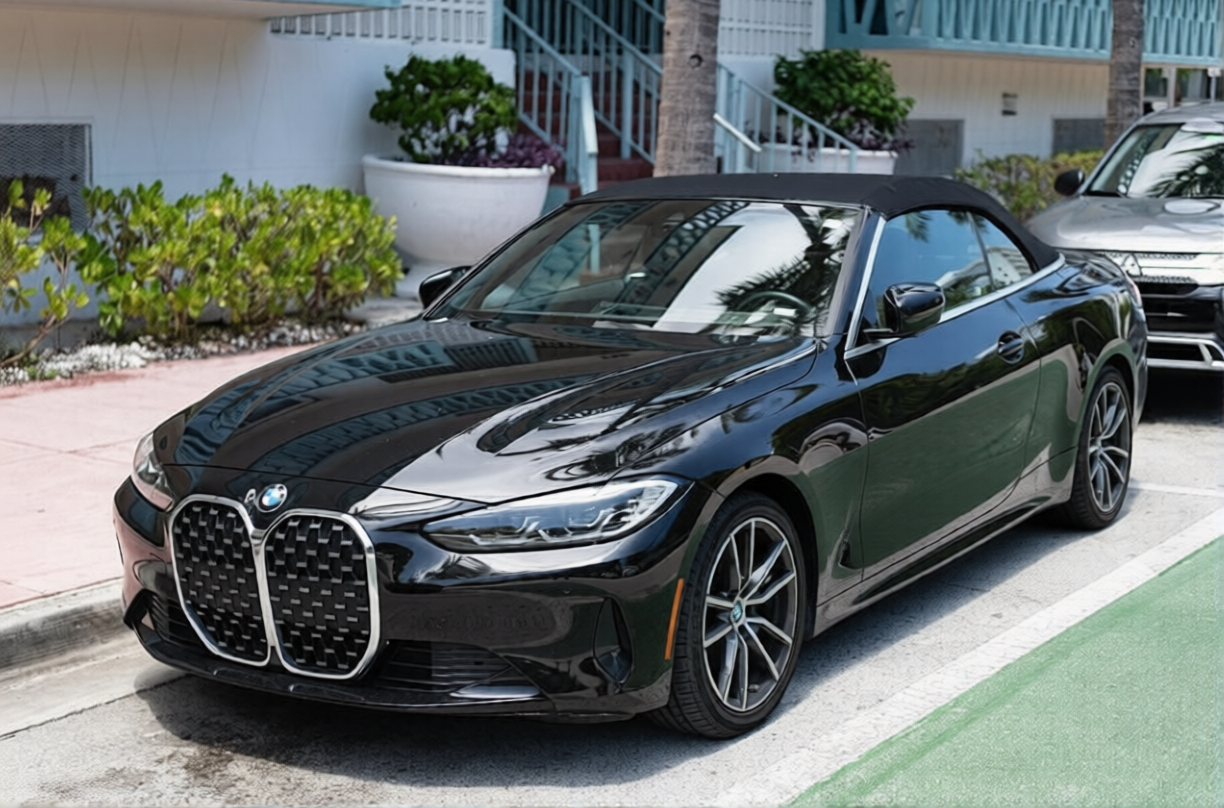
The Calibration Process Explained
Calibration is not an optional add-on—it is a critical safety procedure required after replacing the windshield on most modern BMW vehicles. Because many ADAS cameras and sensors are mounted directly to the windshield, replacing the glass changes their physical reference point.
Even if the windshield is installed perfectly, calibration ensures the vehicle’s computer correctly understands the new sensor positioning.
Here’s what the process typically involves:
1. Sensor Alignment
The forward-facing camera system must be precisely aligned relative to the vehicle’s centerline and ride height. Specialized targets are placed at specific distances in front of the vehicle in a controlled environment.
If alignment is even slightly off, the system may:
- Misread lane markings
- Trigger false forward collision warnings
- Apply brakes unexpectedly
- Drift within a lane
Precision is everything. BMW tolerances are extremely tight, often within fractions of a degree.
2. Static or Dynamic Calibration
Depending on the BMW model, calibration may require:
- Static calibration (performed in-shop using alignment targets and specialized equipment)
- Dynamic calibration (performed during a controlled road test at specific speeds and driving conditions)
Many models require both. This step allows the system to “learn” and confirm proper sensor positioning under real-world conditions.
3. Software Integration
BMW’s onboard computer must recognize the newly installed windshield. Diagnostic tools are connected to reset error codes, reinitialize camera systems, and ensure the vehicle software accepts the calibration.
Without this integration, ADAS warning lights may remain active on the dashboard.
4. Drive Verification
This is the step many inexperienced installers are tempted to skip. A proper test drive confirms:
- Lane departure warning functions correctly
- Adaptive cruise control tracks vehicles smoothly
- Forward collision warnings activate appropriately
- Heads-up display projects clearly and accurately
I’ve seen technicians rush through jobs and skip verification, only for customers to return days later with persistent warning lights or erratic system behavior. A complete calibration process prevents these issues and ensures reliability.
Cost Considerations in Metro Detroit
BMW windshield replacement with calibration is an investment in both safety and vehicle value. In Metro Detroit, pricing generally falls within these ranges:
- Standard Windshield Replacement: $700–$1,200
- Windshield Replacement with ADAS Calibration: $1,000–$1,600
Several factors influence final cost:
Vehicle Model and Year
Newer BMW models with advanced sensor arrays require more complex calibration procedures. A base 3 Series will differ significantly from an X5 or 7 Series with full ADAS packages.
Heads-Up Display (HUD)
Windshields equipped for HUD systems require specialized glass with precise optical layers. This increases material cost.
ADAS Complexity
The more driver assistance features installed, the more extensive the calibration process becomes.
Mobile vs In-Shop Service
Mobile replacement services offer convenience, especially for busy professionals in Troy, Sterling Heights, and surrounding Metro Detroit areas. However, complex calibrations often require in-shop equipment for maximum accuracy.
Weather Conditions
Michigan winters can complicate installations. Cold temperatures affect adhesive curing times and may require heated indoor service environments, which can impact scheduling and cost.
Insurance Coverage
Many comprehensive insurance policies cover windshield replacement. Some also include ADAS calibration, while others treat calibration as a separate expense. It’s essential to confirm details with your insurer before scheduling service to avoid unexpected out-of-pocket costs.
Common Mistakes I’ve Seen
After three decades in the industry, I’ve observed recurring mistakes that often lead to preventable problems:
Skipping Calibration
Drivers sometimes assume a windshield replacement is purely mechanical. In modern BMWs, failing to calibrate ADAS systems can compromise safety and cause persistent dashboard warnings.
DIY Installations
Windshield replacement requires specialized tools, adhesives, and calibration equipment. DIY attempts often result in improper bonding, sensor misalignment, water leaks, and structural weaknesses.
Using Low-Quality Glass
Budget glass may meet minimum safety standards but often lacks the precision required for BMW’s advanced systems. Optical distortions and bracket misalignment are common issues.
Rushing Adhesive Cure Time
Windshield urethane adhesives require specific curing periods before the vehicle can be safely driven. Driving too soon can compromise structural integrity and airbag deployment support.
Ignoring Weather Conditions
Michigan’s cold climate affects adhesive bonding. Installing glass in freezing temperatures without proper environmental controls increases the risk of leaks and long-term adhesion failure.
Avoiding these mistakes requires experienced technicians familiar with BMW engineering and regional climate challenges.
Frequently Asked Questions
1. Do all BMW windshields require calibration?
Almost all modern BMWs equipped with ADAS (Advanced Driver Assistance Systems) require calibration after a windshield replacement.
These systems include lane departure warning, forward collision detection, adaptive cruise control, and heads-up displays. Calibration ensures that cameras, radar sensors, and HUD projectors are perfectly aligned with the vehicle’s frame.
Without proper calibration, these safety systems may misinterpret lane lines, obstacles, or traffic conditions, triggering false alerts or failing to respond when needed. Older BMW models without ADAS may not require calibration, but for vehicles from roughly 2015 onward, skipping calibration is risky and can compromise safety and insurance compliance.
2. Can aftermarket glass be used instead of OEM?
High-quality aftermarket glass can sometimes be used in BMW windshield replacements, but there are risks.
Aftermarket units may have slight variations in curvature, thickness, or optical clarity, which can misalign ADAS sensors or heads-up displays. For older BMWs without cameras or lane assist systems, aftermarket glass can be a cost-effective solution.
However, on modern models with adaptive cruise, lane assist, or collision warning systems, OEM or OEM-equivalent glass is strongly recommended. Using aftermarket glass without proper verification may result in false sensor alerts, calibration errors, and potential safety hazards. Investing in OEM glass reduces these risks and preserves system reliability.
3. How long does calibration take?
Calibration usually requires 1–2 hours for most modern BMWs, depending on the complexity of the ADAS systems. This process includes sensor alignment, software recognition of the new windshield, and a drive verification step to ensure all cameras and radar systems function correctly.
Some advanced models may require additional calibration time for heads-up displays or adaptive cruise features. Technicians with the proper BMW tools can complete calibration efficiently, ensuring the vehicle’s safety systems operate as intended.
Skipping or rushing this process can lead to false alerts, misread sensors, and compromised collision detection, making the calibration step essential for both safety and system performance.
4. Does insurance cover calibration?
Many comprehensive insurance policies cover windshield replacement, but coverage for ADAS calibration varies by provider and policy.
Some insurers automatically include calibration for vehicles with advanced safety systems, while others may require an additional claim or out-of-pocket payment. It’s essential to verify with your insurance company before scheduling service to avoid unexpected costs.
In Michigan, policies that cover OEM or aftermarket glass replacement may still leave calibration costs as a responsibility of the vehicle owner. Early communication with your insurer ensures a smooth process, prevents surprises, and guarantees that your BMW’s safety systems remain properly functional after windshield replacement.
5. What happens if calibration is skipped?
Skipping calibration can have serious consequences.
Misaligned sensors may trigger false lane departure warnings, cause adaptive cruise to behave unpredictably, or display blurred or incorrect projections on the heads-up display. Forward collision systems may fail to detect obstacles, increasing the risk of accidents.
Even minor misalignments can cause alerts to sound continuously, distracting the driver and reducing confidence in safety features. In Michigan, where snow, ice, and low visibility are common, proper calibration is especially critical.
Every modern BMW windshield replacement should include full calibration to ensure ADAS systems function reliably, protect occupants, and maintain vehicle safety standards.
6. Can a poorly calibrated windshield cause accidents?
Yes, a poorly calibrated windshield can directly increase the risk of accidents. Misaligned cameras or sensors may fail to detect lane markings, vehicles, pedestrians, or obstacles, leading to delayed or incorrect responses from ADAS systems.
I’ve seen cases where constant false alerts distracted drivers, resulting in unsafe lane changes or sudden braking. Forward collision warning, lane assist, and adaptive cruise control all depend on precise sensor alignment.
Proper calibration restores full system functionality, ensuring your BMW responds accurately in real-world driving conditions. Skipping this step compromises safety, reduces the reliability of driver assistance systems, and can make even short drives potentially hazardous.
Conclusion
Replacing a BMW windshield isn’t just about changing glass—it’s about ensuring safety, technology reliability, and long-term value. In Michigan, with our winters, road salt, and heavy commuting traffic, proper installation and calibration are critical.
From my 30+ years of experience, OEM or OEM-equivalent glass, professional installation, and careful ADAS calibration make all the difference. Don’t cut corners or rush the process. Your BMW’s advanced systems depend on it, and your family’s safety is worth every extra step.
The next time you notice a chip or crack, or your ADAS system shows errors, remember: don’t wait. Choose experienced technicians, ensure proper calibration, and drive with confidence knowing your BMW is operating exactly as it was designed.