
I’m Ray. I’ve been working on cars since the early 90s, back when we removed windshields with cold knives and polished chrome bumpers by hand. Over the past 30+ years in Sterling Heights, Troy, Pontiac, and across Michigan, I’ve seen one seasonal culprit wreak havoc on vehicles more than anything else: potholes.
Michigan winters and spring thaws create roads that look like Swiss cheese, and every driver’s windshield is at risk.
From tiny chips to full-blown cracks, these hazards are not just cosmetic—they affect safety, airbag performance, and even ADAS camera alignment in modern vehicles. In this article, I’ll break down why potholes are so dangerous, how they affect glass, what immediate measures you can take, and best practices for prevention and repair.
The Science Behind Pothole Formation in Michigan
Every year, Michigan experiences some of the harshest freeze-thaw cycles in the country. When water seeps into small cracks in asphalt and freezes, it expands by nearly 10%, forcing the road to buckle. Once the ice melts, the pavement contracts, leaving behind weak spots. Over time, repeated cycles turn these weak areas into potholes.
By March and April, drivers are met with streets full of hidden and visible potholes, particularly on major arteries like M-59, I-75, and local residential roads.
The severity isn’t just about size; depth and jagged edges make even small potholes a threat. When your tires hit a pothole, the sudden impact generates a shockwave that travels through your suspension and directly into your windshield.
Even minor impacts can create stress points in laminated glass. Small chips caused by gravel or debris loosen under this stress, and microscopic cracks can propagate within hours or days. In Michigan, it’s not unusual to see a star-shaped chip from winter road debris turn into a full-length crack after a pothole strike.
Understanding the science behind potholes helps drivers anticipate risk and adopt strategies to protect their vehicles during peak pothole season.
How Pothole Impacts Transfer Stress to Windshields
Many people think potholes only affect tires and suspension, but windshields are surprisingly vulnerable. The windshield is a structural component, bonded to the frame, supporting the roof, and working with airbags. A sudden vertical jolt from a pothole creates stress at mounting points and across the glass surface.
The impact doesn’t have to be direct. Vibrations from the road can travel up through the chassis and chassis-mounted components. If your windshield already has a small chip or micro-crack, that stress can make it expand almost immediately. Even modern laminated windshields with two layers of glass and a plastic interlayer are not immune.
In my 30+ years, I’ve seen countless cases where a windshield that looked fine in the morning arrived at my shop hours later with a spreading crack after hitting a single pothole. On vehicles equipped with ADAS cameras, even slight flexing can affect alignment, causing lane departure warnings or false alerts.
Michigan potholes don’t discriminate—every car, from an old sedan to a new Tesla, is susceptible. Being aware of how pothole stress travels helps drivers act proactively and reduce windshield damage.
Seasonal Timing: Why Late Winter and Early Spring Are Most Dangerous
Pothole season in Michigan isn’t just a nickname; it’s a predictable period that spans late February through May. During this time, roads are saturated with water from melting snow. Freezing nights followed by daytime thawing expand cracks in asphalt, creating potholes overnight.
Drivers returning from work or early errands often hit potholes before the roads are fully repaired. This timing coincides with temperature swings, which further stresses glass. A small chip from winter gravel, combined with a pothole impact, can result in a crack that spreads from one end of the windshield to the other.
I remember a customer who drove a Toyota Camry on Van Dyke Avenue in Sterling Heights in March. The car had a tiny chip in the driver-side corner. After hitting a single pothole, the windshield developed a large spider-web crack overnight. Situations like this happen all the time in Michigan because winter leaves roads brittle, and spring brings traffic back at full force.
Being mindful of seasonal timing allows drivers to inspect their windshields regularly, report damage early, and schedule repairs before minor issues escalate.
Common Types of Glass Damage From Potholes
Not all windshield damage looks the same, but potholes tend to produce predictable patterns:
- Star-shaped chips: These often occur when gravel or debris is propelled during impact. A star chip has multiple radiating cracks and is highly vulnerable to spreading under stress.
- Edge cracks: Potholes can concentrate stress near the windshield frame, causing cracks to start at the edges. Edge cracks are particularly dangerous because they compromise structural integrity and roof support.
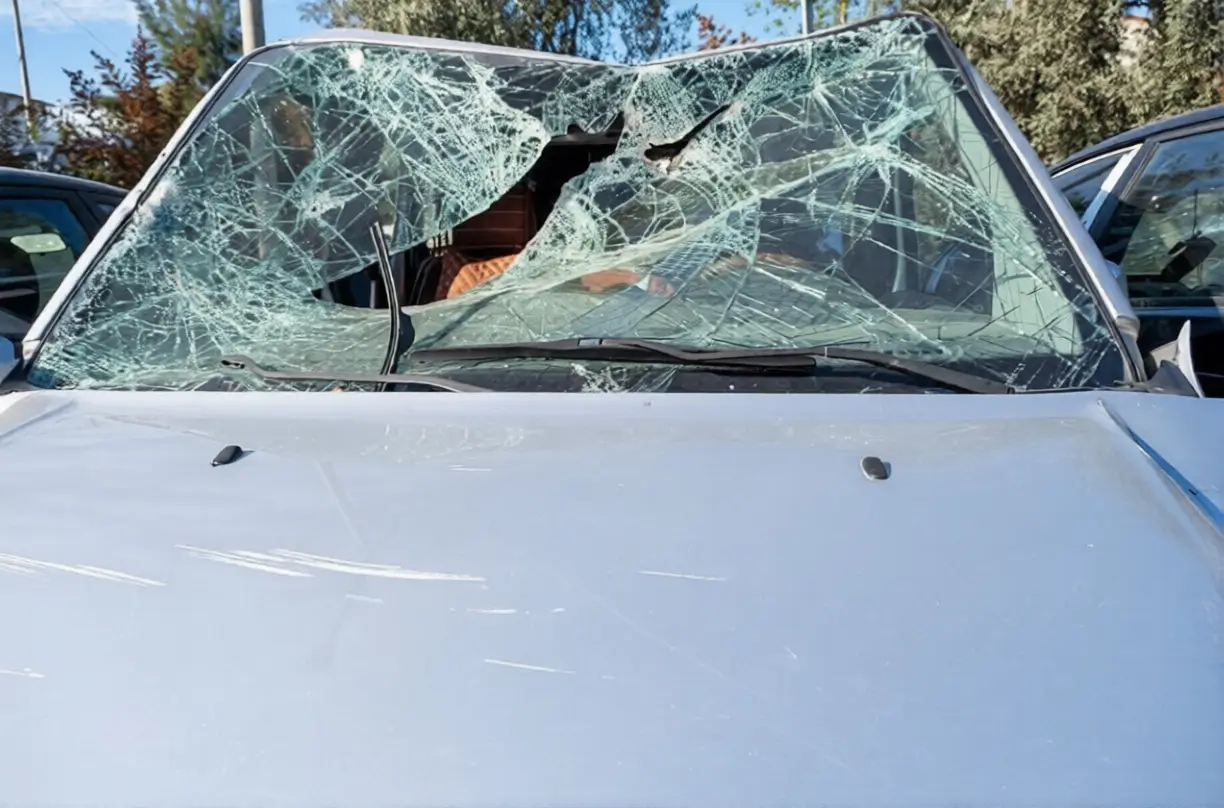
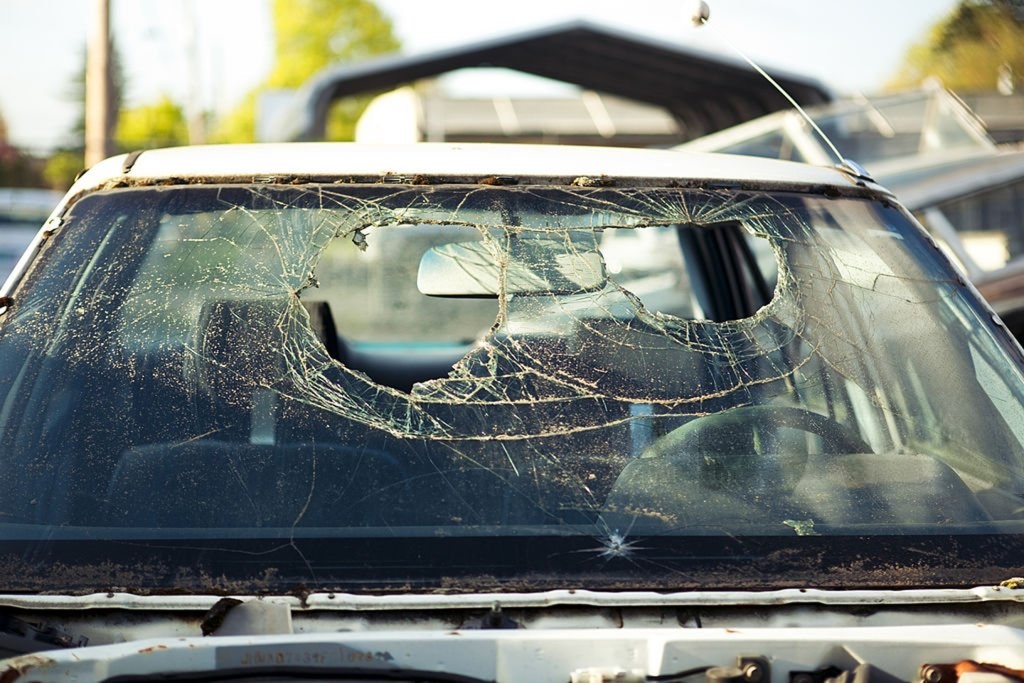
- Spider-web cracks: High-impact pothole hits or repeated minor hits can create a network of micro-cracks. These are difficult to repair and often require full replacement.
- Hidden internal cracks: Laminated windshields can absorb impact within the interlayer, making the damage invisible until stress causes propagation.
Recognizing the type of damage helps in deciding whether a repair is feasible or replacement is necessary.
Immediate Actions After Hitting a Pothole
If you hit a pothole and suspect windshield damage, immediate steps can reduce the risk of crack propagation:
- Inspect your windshield: Look for chips, hairline cracks, or distorted glass areas. Pay attention to areas near mounting points or edges.
- Control temperature: Avoid rapid heating or cooling, as sudden temperature changes stress already weakened glass.
- Protect from moisture: Cover the damaged area with tape if snow or rain is imminent. Moisture entering the crack can expand it overnight.
- Drive cautiously: Reduce speed and avoid rough terrain until you can have the windshield inspected professionally.
These steps do not replace professional repair, but they help prevent minor damage from escalating.
Professional Repair vs Replacement in Pothole Cases
When assessing pothole-induced windshield damage, professional evaluation is essential. Small chips (<6 inches) can usually be repaired with resin injection.
Medium cracks may also be repairable if they haven’t reached the edge. Large cracks, edge cracks, or spider-web patterns generally require full windshield replacement.
Professional repair ensures proper bonding, optical clarity, and adhesion to the vehicle frame. This is critical because windshields contribute to roof support during rollovers and work with airbags in collisions. In Michigan pothole season, timing is key—delaying repair allows cracks to propagate with the next pothole encounter.
I’ve trained many technicians over the years, and one thing is clear: a professional repair is more reliable and safer than temporary DIY measures, especially during peak pothole season.
Preventative Measures to Minimize Damage
While potholes cannot be eliminated, drivers can take steps to reduce windshield risk:
- Slow down on rough roads: Reducing speed decreases impact force and vibration.
- Maintain proper tire pressure: Tires absorb some impact; underinflated or overinflated tires transfer more force to the glass.
- Avoid known pothole areas: Use navigation apps or local alerts to identify high-risk streets in Sterling Heights, Troy, and surrounding areas.
- Regular windshield inspection: Early detection of chips allows for repair before cracks propagate.
- Use high-quality glass: Premium laminated windshields resist crack growth better than low-quality alternatives.
These measures combine cautious driving and maintenance to protect both vehicle and passenger safety.
How ADAS and Modern Sensors Are Affected by Potholes
Modern vehicles increasingly rely on ADAS systems such as lane departure warning, automatic braking, and adaptive cruise. Windshields with integrated cameras and sensors are particularly sensitive to stress from potholes. Even minor flexing can throw off calibration, causing false alerts or system errors.
In my experience, cars with unaddressed pothole damage can experience misaligned sensors that affect lane assist and collision detection.
Drivers may see phantom alerts or malfunctioning automatic braking after hitting just one pothole. In Michigan, where potholes are frequent during spring thaw, this is a serious safety concern. Ensuring that windshields are inspected and any damage repaired promptly maintains both glass integrity and the accuracy of onboard safety systems.
Long-Term Effects of Repeated Pothole Impacts
Repeated pothole hits create cumulative stress on laminated glass, even if no immediate damage is visible. Over months and years, micro-cracks develop and propagate, reducing structural integrity. Vehicles that frequently drive on Michigan roads with poor winter maintenance are at higher risk of developing spider-web patterns or edge cracks.
High-quality glass can withstand more stress, but no windshield is immune to repetitive impacts. Regular inspections after winter and early spring can detect these micro-damage areas before they spread.
Addressing minor chips early prevents full replacements and ensures the windshield maintains its role in structural support and safety.
Insurance Considerations During Pothole Season
Most comprehensive auto insurance policies cover pothole-related windshield damage, but coverage details vary. Some policies cover full replacement costs, while others pay only for repairs under a deductible. In Michigan, insurers often encourage using certified repair shops to ensure proper installation and avoid calibration issues on sensor-equipped vehicles.
Prompt documentation of damage, including photos and repair estimates, helps streamline claims. For ADAS-equipped vehicles, professional repair is crucial to avoid voiding warranties or introducing sensor errors. Understanding your insurance policy ahead of pothole season can save money and ensure your windshield and sensors are restored safely.
Best Practices for Winter-to-Spring Transition Driving
As Michigan transitions from winter to spring, drivers face the most severe pothole-related risks. Slushy roads conceal potholes, and temperature swings weaken asphalt. Reducing speed, increasing following distance, and planning routes to avoid known pothole hotspots can reduce windshield stress.
Inspecting tires, maintaining proper air pressure, and checking windshield chips frequently ensures any pre-existing damage doesn’t turn into cracks. For vehicles with sensors, verifying calibration after hitting significant potholes is also critical. By combining careful driving, preventative maintenance, and professional repair, drivers can navigate Michigan’s pothole season safely while protecting their windshield and advanced systems.
FAQs
Can pothole damage cause windshield sensor issues?
Yes, pothole impacts can affect modern windshields equipped with ADAS (Advanced Driver Assistance Systems) cameras or sensors.
Even minor flexing from hitting a pothole can misalign the camera, causing false lane departure warnings, automatic braking errors, or adaptive cruise malfunctions.
I’ve seen cases where a tiny chip combined with a pothole impact threw off a lane-keeping camera by several millimeters, requiring professional recalibration.
That’s why any windshield damage in vehicles with sensors should be inspected promptly, even if the crack seems small. Catching it early avoids costly repairs and keeps safety systems functioning as designed.
How soon should I repair a chip caused by a pothole?
Ideally, you should repair a chip within 24–48 hours. In Michigan, winter and spring conditions—freeze-thaw cycles, road salt, and potholes—accelerate crack propagation.
A small chip left untreated can expand overnight, especially after hitting another pothole or driving on rough roads. Quick professional repair not only stabilizes the crack but also prevents moisture from seeping between glass layers, which can cause further stress and internal damage.
Acting fast preserves the windshield’s structural integrity and can save you from a full replacement later, which is far more expensive and time-consuming.
Can DIY resin kits prevent pothole-related cracks?
DIY resin kits can temporarily stabilize small chips, but they are not a long-term solution, especially for pothole-related damage.
Potholes transmit high-impact forces through the vehicle frame and windshield, and DIY kits can’t restore the glass’s full strength or structural integrity. I’ve seen many attempts where bubbles, uneven filling, or improper curing actually worsened the damage.
These kits are fine for buying time until professional help arrives, but for lasting protection and safety, professional repair or replacement is always recommended, particularly for chips near edges or in vehicles with ADAS systems.
Do insurance companies cover pothole-related windshield damage?
Most comprehensive auto insurance policies cover windshield repair or replacement caused by potholes. Coverage often depends on your deductible and policy terms, but in Michigan, many insurers encourage using certified repair shops to maintain safety and sensor calibration.
Some companies even cover full replacement at no cost if the damage cannot be repaired. Filing a claim for minor chips may not always be necessary, but if the crack spreads, insurance can offset costs.
Always check your policy, and using a trusted local shop ensures proper installation and avoids voiding warranties or creating calibration issues with advanced systems.
Can repeated pothole hits reduce windshield lifespan?
Absolutely. Repeated impacts, even minor ones, create micro-stress points in laminated glass. Over time, these invisible micro-cracks weaken the windshield’s structure, making it more susceptible to chips spreading into long cracks or causing spider-web patterns.
I’ve seen vehicles with multiple pothole encounters develop cracks years before a normal windshield would fail. Even high-quality OEM glass is not immune to cumulative stress. Regular inspection after each winter and spring season is critical.
Early repairs prevent the small damage from worsening and extend the lifespan of the windshield, saving money and ensuring safety.
How can I prevent cracks in high-traffic areas like M-59 or I-75?
While you can’t eliminate potholes entirely, cautious driving reduces windshield risk. Slow down over rough stretches, avoid sudden swerves, and maintain proper tire pressure to absorb some impact.
Stay alert to potholes visible ahead, and use navigation apps that report road conditions. After driving through construction zones or snow-melt areas, inspect your windshield for chips or micro-cracks.
Preventative care, combined with high-quality glass and professional repairs, significantly lowers the chance of small chips turning into dangerous cracks. In high-traffic Michigan areas, vigilance is key to protecting your glass and sensors.
Final Thoughts
After 30+ years in the auto glass industry, I’ve seen the same pattern every Michigan pothole season: roads damage tires, suspension, and windshields alike. Minor chips can turn into full cracks within days if neglected.
For drivers in Sterling Heights, Troy, Pontiac, and beyond, awareness is key. Inspect your windshield regularly, take immediate protective measures after impacts, and seek professional repair as soon as possible.
Choosing high-quality glass and avoiding DIY shortcuts ensures that your windshield maintains structural integrity, optical clarity, and sensor accuracy.
Potholes are inevitable in Michigan, but their impact on your vehicle doesn’t have to be catastrophic. Protect your glass, drive cautiously, and don’t wait for a small chip to become a major safety hazard