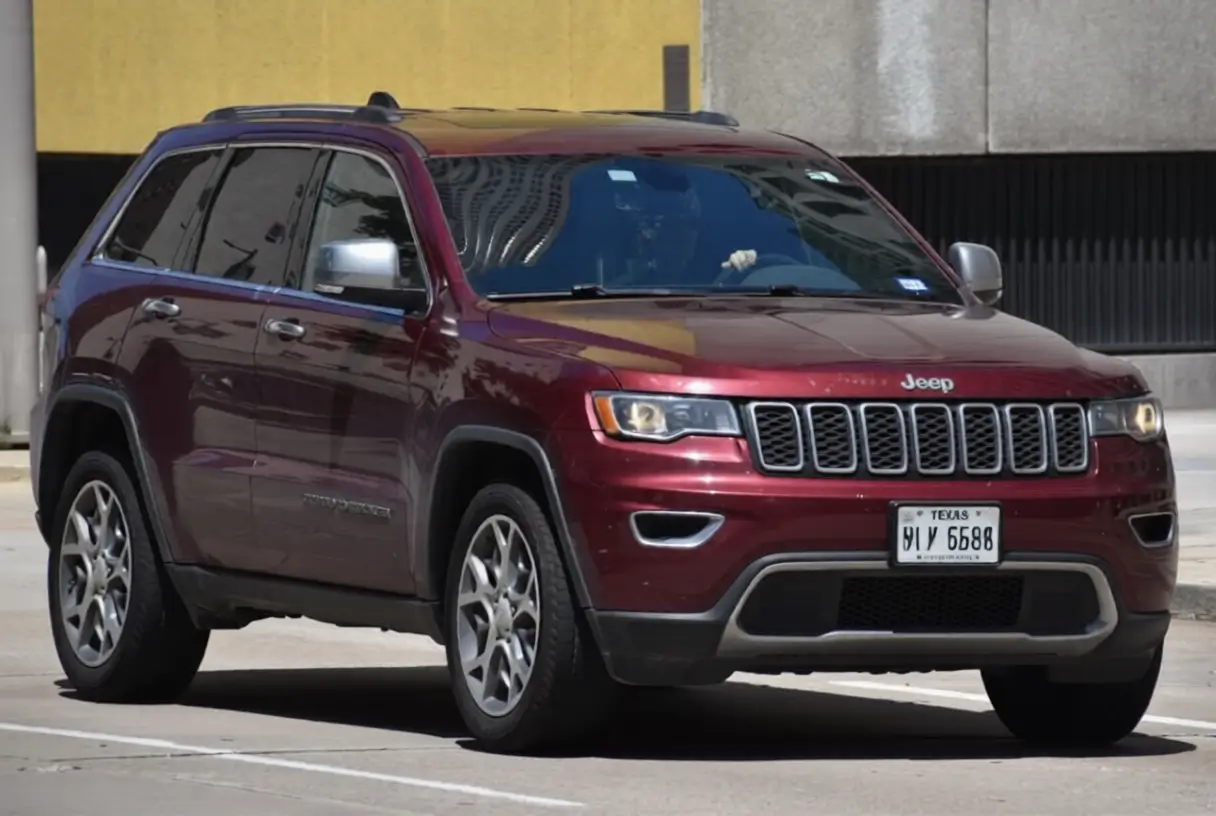
I’ve been working on vehicles in Michigan for over 30 years — from hand-waxed classics in the 90s to fully loaded SUVs like the Jeep Grand Cherokee today. My name is Ray, and I’ve seen windshield technology evolve from simple laminated glass to integral components of modern safety systems.
For owners of a Jeep Grand Cherokee in Troy, Warren, Sterling Heights, or anywhere in Metro Detroit, one of the most common questions I get is:
“Ray, I just had my windshield replaced. Do I need ADAS calibration?”
The answer isn’t always straightforward. Jeep’s modern Grand Cherokees, especially 2014 and newer, often come with advanced driver-assist systems (ADAS) — lane departure warning, forward collision alert, adaptive cruise control, rain sensors, and more. These systems rely on cameras and sensors mounted to the windshield. Any misalignment can cause safety warnings, incorrect braking, or sensor failure.
In this article, I’ll explain the calibration process, why it’s essential, what costs to expect in 2026, and how Michigan weather and roads impact your SUV’s safety.
Why ADAS Calibration Matters on the Jeep Grand Cherokee
Replacing a windshield on a modern Jeep Grand Cherokee is far more than swapping glass. Today’s windshields are integral to the vehicle’s safety ecosystem, housing forward-facing cameras, rain and light sensors, forward collision alert cameras, and sometimes head-up display mounts.
static calibration, which is performed in a controlled workshop using specialized targets Even a minor misalignment of these components can trigger false warnings, disable critical safety features, or reduce system accuracy. I’ve seen brand-new aftermarket windshields installed without calibration, resulting in phantom braking alerts, misaligned lane assist, and repeated warning lights.
Proper ADAS calibration restores factory-level functionality, ensuring that lane departure, adaptive cruise, and collision systems operate safely. For SUVs driven daily on Metro Detroit highways, accurate calibration isn’t just a convenience—it’s essential for driver and passenger safety.
When Jeep Grand Cherokees Require Calibration
Not all Jeep Grand Cherokees require ADAS calibration after windshield replacement. It’s primarily necessary for models 2014 and newer equipped with forward-facing cameras, lane departure warning, forward collision alert, or adaptive cruise control.
Windshields that house rain or light sensors also require proper calibration to ensure these systems operate correctly. Older or base models without these advanced features typically only need a standard windshield installation.
Identifying your vehicle’s trim and sensor configuration before scheduling service is critical. Asking questions like “Does your Jeep have lane assist, forward collision, or adaptive cruise?” helps determine whether static or dynamic calibration—or both—will be required, ensuring safety systems function as intended and preventing costly errors.
The Calibration Process Explained
ADAS calibration realigns all cameras and sensors mounted to the windshield, ensuring proper functionality.
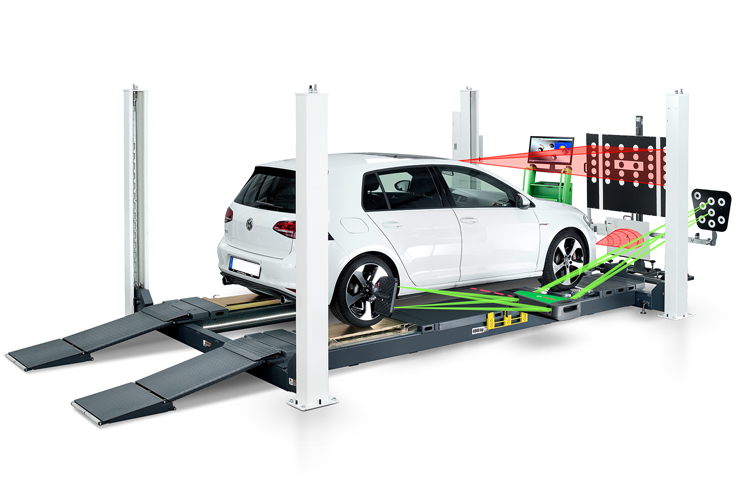
There are two primary methods: static calibration, which is performed in a controlled workshop using specialized targets and alignment tools while the SUV remains stationary, and dynamic calibration, where the vehicle is driven under specific conditions to allow sensors to “relearn” positioning based on real-world road data.
Many Grand Cherokees require both methods, as static calibration ensures precise camera alignment, while dynamic calibration fine-tunes radar and adaptive systems. Skipping either step or relying on untrained installers can result in phantom warnings, lane assist errors, or reduced performance of forward collision and adaptive cruise systems. Proper calibration guarantees safe and reliable ADAS operation.
Cost of ADAS Calibration in Metro Detroit (2026)
Windshield replacement costs for a Jeep Grand Cherokee vary depending on the presence of ADAS systems, sensor quantity, and local labor rates. Standard replacement without calibration typically ranges from $450–$700, while full replacement with static and dynamic calibration costs between $850–$1,300 in Metro Detroit.
Factors affecting price include whether the glass is OEM or aftermarket, the number of cameras and sensors, technician experience, and mobile service availability. Insurance may cover windshield replacement but not always calibration, so it’s essential to confirm coverage with your agent beforehand.
Investing in proper calibration ensures all safety systems function correctly, preventing future warnings, malfunctions, and costly repairs, which ultimately saves money and protects lives.
OEM vs Aftermarket Windshields on the Grand Cherokee
Choosing the right windshield is critical for proper ADAS functionality. OEM (Original Equipment Manufacturer) glass provides exact fit, curvature, and optical clarity, minimizing calibration issues and ensuring factory-level performance.
It’s ideal for vehicles with cameras and sensor-based safety systems but comes at a higher cost. Aftermarket glass can be cost-effective if high-quality, but lower-end options may have slight variations in thickness or optical properties, causing sensor misalignment, false warnings, or distorted lane assist readings.
For Grand Cherokees with advanced safety features, I always recommend OEM or high-quality aftermarket glass. Proper selection, paired with accurate calibration, ensures your vehicle’s ADAS systems work reliably, keeping you and your passengers safe on the road.
Michigan Weather and ADAS Sensitivity
Metro Detroit’s climate greatly impacts windshield durability and ADAS performance. Cold winters slow adhesive curing, which can lead to leaks, sensor misalignment, or faulty calibration if installers rush the job.
Freeze-thaw cycles in spring may expand chips or cracks, affecting sensor positioning, while road debris on highways like I-75, M-59, or I-94 can strike sensitive areas around cameras. Proper installation and calibration prevent long-term problems caused by weather-related stress.
Over my career, I’ve corrected numerous Grand Cherokees where rushed winter installs led to early sensor misalignment. Attention to weather conditions during installation, proper adhesive curing, and post-installation calibration ensures the vehicle’s safety systems remain fully operational regardless of Michigan’s harsh seasonal conditions.
Signs Your Grand Cherokee May Need Recalibration
Sometimes drivers don’t realize calibration was missed until warning signs appear.
You may notice dashboard warning lights, lane assist behaving unpredictably, or adaptive cruise reacting inconsistently. Phantom braking or delayed collision alerts can also indicate alignment problems.
If any safety feature behaves differently after windshield replacement, recalibration should be performed immediately. These systems are designed to assist you during critical moments, and even small errors can reduce effectiveness.
Model Year Differences in Grand Cherokee ADAS Systems
Grand Cherokee safety technology has evolved over the years.
Models from 2014 to 2016 introduced broader availability of forward collision systems and lane departure alerts. Later models added improved camera resolution and more refined adaptive cruise control.
Newer trims may include additional sensors and radar integration, increasing calibration precision requirements. Understanding your specific model year helps determine the exact calibration procedure needed.
As safety systems become more advanced, windshield replacement becomes more technical.
Mobile Calibration vs In-Shop Calibration
Mobile windshield services offer convenience, but calibration often benefits from a controlled indoor setting.
Static calibration requires precise measurements and stable lighting conditions. Outdoor environments can introduce uneven surfaces or visual interference.
For Grand Cherokees with multiple ADAS features, in-shop calibration typically provides the most accurate results. Mobile service may still work in certain cases, but environmental conditions must be ideal.
Accuracy matters more than convenience when it comes to safety systems.
What Happens If Calibration Is Skipped
Skipping calibration can lead to incorrect camera readings.
Lane departure systems may fail to recognize road markings. Adaptive cruise control may follow vehicles at unsafe distances. Forward collision alert systems may activate too late or unnecessarily.
These errors may not show up immediately. Sometimes they only appear in high-speed or emergency situations.
Calibration restores the system to manufacturer specifications and ensures reliable performance.
How Long Should You Wait to Drive After Replacement?
After windshield installation, adhesive curing time is critical.
Safe drive-away time depends on temperature and humidity. In Michigan winters, curing may take longer. Driving too soon can compromise the bond between the glass and frame.
Since airbags rely on windshield support during deployment, allowing proper curing time protects both structural integrity and passenger safety.
Patience during this stage ensures long-term reliability.
Choosing the Right Installer in Metro Detroit
Not all installers are experienced with ADAS-equipped SUVs.
Look for technicians trained in calibration procedures and familiar with Jeep Grand Cherokee systems. Proper tools, factory-level equipment, and knowledge of Michigan weather challenges make a significant difference.
A qualified installer ensures accurate calibration, respects adhesive curing times, and stands behind the work with warranty protection.
Cutting corners often leads to repeat visits and higher long-term costs.
Choosing a Qualified Installer in Metro Detroit
Professional installation is crucial for ADAS-equipped Jeep Grand Cherokees.
Choose technicians certified by AGSC or I-CAR, with specific experience handling Grand Cherokees and other SUVs with camera and radar systems. A qualified installer uses OEM or high-quality aftermarket glass, performs both static and dynamic calibrations, and respects adhesive curing times.
Cutting corners can result in misaligned sensors, false warnings, or system malfunctions that are costly to fix. Experienced installers understand Michigan road conditions, winter challenges, and how to ensure forward collision, lane departure, and adaptive cruise systems function correctly. Choosing the right professional guarantees long-term reliability, safety, and peace of mind.
DIY Kits: Not for ADAS Windshields
DIY windshield repair kits may work for minor chips on older, sensor-free vehicles, but they are not suitable for ADAS-equipped Jeep Grand Cherokees.
Attempting repairs with these kits can cause misaligned cameras or sensors, triggering false warnings, phantom braking, or adaptive cruise issues. Additionally, improper DIY work may void warranties or compromise the safety features of your SUV.
Professional windshield replacement and calibration are essential for vehicles with lane departure, forward collision, or adaptive cruise systems. Only certified installers using OEM or high-quality aftermarket glass and proper calibration procedures can guarantee your ADAS remains accurate, keeping you and your passengers safe on Metro Detroit roads.
Frequently Asked Questions
Does my Jeep Grand Cherokee always need ADAS calibration after windshield replacement?
Not every Grand Cherokee requires ADAS calibration after a windshield replacement. Calibration is necessary only if your vehicle has forward-facing cameras, lane departure warning, adaptive cruise control, or rain/light sensors mounted to the glass.
Older models or base trims without these features generally do not require calibration. Performing calibration ensures that all ADAS systems function accurately, preventing false warnings, phantom braking, or misaligned lane assist.
Skipping calibration on sensor-equipped vehicles compromises safety and can reduce system effectiveness on highways and city roads alike. Always verify your vehicle’s trim and sensor configuration before scheduling service to determine the correct procedure.
How long does ADAS calibration take?
The duration of ADAS calibration depends on the type of system and the method used. Static calibration, which is performed in a controlled workshop using alignment targets, usually takes 30–60 minutes.
Dynamic calibration, done on the road while the vehicle collects real-time data from lane markings and traffic conditions, typically requires an additional 15–30 minutes of driving. For SUVs like the Jeep Grand Cherokee, many models require both static and dynamic calibration.
Total time can vary depending on sensor count, traffic conditions, and technician experience. Accurate calibration is critical for ensuring forward collision, lane assist, and adaptive cruise systems function safely and reliably.
Will insurance cover ADAS calibration costs?
Insurance coverage for ADAS calibration varies by policy. While most comprehensive auto insurance policies cover windshield replacement itself, not all plans automatically include calibration fees. Some insurers cover the entire cost of calibration if it’s part of a comprehensive glass claim, while others may require you to pay separately.
Confirm with your agent before scheduling service to avoid surprises. Providing details about your vehicle’s sensors, camera systems, and ADAS features helps ensure proper coverage.
In Michigan, where weather and road conditions increase the likelihood of windshield damage, understanding insurance coverage upfront can save you money and ensure your vehicle’s safety systems are correctly restored.
Can aftermarket windshields cause ADAS malfunctions?
Yes, aftermarket windshields can potentially cause ADAS malfunctions if they differ in curvature, thickness, or optical clarity from the original factory glass.
Low-quality glass may misalign cameras or sensors, triggering false lane departure warnings, incorrect forward collision alerts, or improper adaptive cruise performance.
High-quality aftermarket glass or OEM replacement ensures that sensor alignment is maintained, reducing the risk of system errors. For Grand Cherokees equipped with ADAS, I always recommend either OEM glass or premium aftermarket glass that meets manufacturer specifications.
Proper installation and calibration are equally critical to maintaining the safety and accuracy of all driver-assist systems.
What happens if calibration is skipped?
Skipping ADAS calibration can lead to significant safety risks.
Cameras and sensors may become misaligned, resulting in false lane departure warnings, phantom braking, or failure of forward collision alerts. Adaptive cruise systems may behave unpredictably, and lane assist features may stop functioning correctly.
In addition to safety hazards, skipping calibration can reduce overall system reliability, trigger dashboard warning lights, and even void certain manufacturer warranties.
For Jeep Grand Cherokees driven on Michigan highways, this can be especially dangerous due to high-speed traffic, winter road conditions, and frequent snow or ice. Proper calibration restores factory-level safety and functionality.
How often should ADAS systems be checked after replacement?
After a windshield replacement, it’s essential to verify ADAS system performance immediately, then periodically during routine maintenance. Check lane assist, forward collision, adaptive cruise, and rain/light sensors after any windshield work, accidents, or exposure to road debris that could impact sensor alignment. Regular inspection ensures false warnings are avoided and safety features remain reliable, especially in Michigan’s challenging winter and spring conditions. Even small misalignments can reduce system accuracy over time. Professional inspection, combined with proper calibration during installation, keeps your Jeep Grand Cherokee’s ADAS functioning optimally, protecting both you and your passengers.
Final Thoughts
Replacing a windshield on a Jeep Grand Cherokee isn’t just swapping glass. It’s about understanding ADAS systems, proper installation, calibration requirements, and Michigan-specific road conditions.
Over my 30+ years, I’ve learned that cutting corners costs more in the long run. OEM glass, certified installers, and proper static/dynamic calibration ensure your SUV remains as safe as the day it rolled off the assembly line.
So if you’re in Troy, Warren, Sterling Heights, or any Metro Detroit neighborhood and you need windshield replacement on your Grand Cherokee, remember this:
The glass is only the beginning. Proper ADAS calibration ensures your cameras, sensors, and safety systems protect you and your passengers.
Take your time, choose quality, and don’t skip the calibration. Your vehicle — and your life — depend on it.