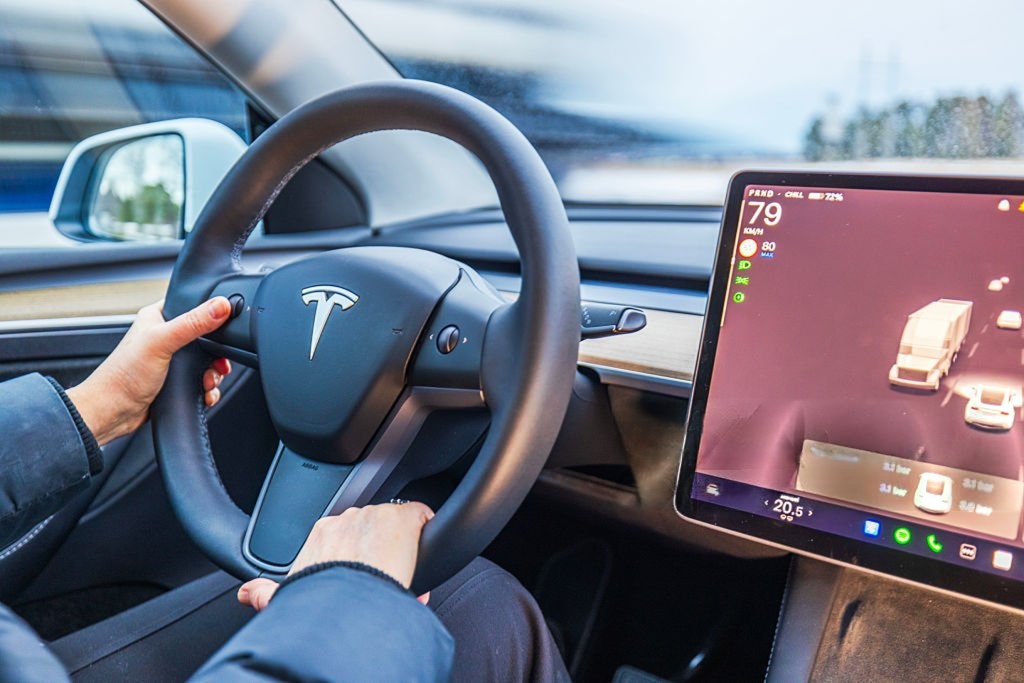
I’ve been in the auto glass industry for over 30 years, working on everything from 90s muscle cars to the latest Teslas. My name is Ray, and over three decades, I’ve learned that a windshield is far more than a piece of glass. On modern electric vehicles like Teslas, it’s part of a highly sophisticated safety and sensor system.
In Michigan, where cold winters, road salt, and highway debris are daily hazards, Tesla owners often ask me:
“Ray, if I need a windshield replacement, do I have to recalibrate all my sensors?”
The answer is absolutely yes. Tesla windshields integrate cameras, ultrasonic sensors, and rain/light sensors that feed data to Autopilot, lane assist, emergency braking, and more. A misaligned windshield can compromise safety and trigger system errors.
In this article, I’ll walk you through the replacement process, sensor calibration requirements, costs, and Michigan-specific considerations for Tesla drivers. I’ll also share insights from my decades of experience, with stories from my shop and practical advice you won’t find in a manual.
Why Tesla Windshields Are More Than Glass
Back in the 90s, a windshield was a simple piece of laminated glass — you removed the old one, prepped the frame, and installed a new pane. That was it. Today, Teslas are far more advanced.
Their windshields are integral to vehicle safety, housing forward-facing cameras for Autopilot, rain and light sensors for automatic wipers and headlights, ultrasonic sensors for parking and collision detection, and even HUD projections in certain trims. Any misalignment, optical distortion, or uneven curvature can trigger false warnings, Autopilot errors, or sensor malfunctions.
I’ve seen Teslas with poorly fitted aftermarket glass misread lane markings repeatedly, causing constant driver alerts. Properly calibrated, OEM or high-quality aftermarket windshields restore all systems to factory performance, ensuring safety, accuracy, and peace of mind on highways, city streets, or Michigan’s icy roads.
Tesla Windshield Replacement: OEM vs Aftermarket
When Tesla owners call my shop in Troy, Sterling Heights, or Detroit, the first question is always about glass quality. OEM Tesla glass is factory-made for precise curvature and thickness, guaranteeing proper alignment with all sensors and Autopilot systems.
It minimizes the risk of calibration issues, optical distortion, or false warnings. Aftermarket glass can be cost-effective if it’s high quality and meets strict dimensional and optical tolerances, but lower-end options often introduce sensor misalignment or camera errors.
From my experience, Tesla windshields are not a place to compromise. Even a slight deviation can affect lane assist, emergency braking, and Autopilot functionality.
Investing in OEM or verified high-quality aftermarket glass ensures your vehicle’s advanced driver-assist systems function correctly, keeps calibration straightforward, and avoids costly troubleshooting down the line.
Sensor Calibration: Why It’s Critical
Tesla windshields are home to multiple sensors and cameras that feed data to Autopilot, emergency braking, lane assist, and other safety systems. Sensor calibration ensures that these components are positioned and functioning exactly as Tesla intended.
I categorize calibration into two types: Static Calibration, which occurs in a controlled environment using Tesla’s proprietary diagnostic tools, aligns sensors while the vehicle is stationary; and Dynamic Calibration, performed on the road to verify correct operation under real driving conditions.
Skipping calibration or relying on inexperienced installers is a common mistake I see. Improper calibration can cause Autopilot to misread lanes, trigger false emergency braking alerts, or misinterpret light and rain sensors, creating hazards. Proper calibration restores factory-level functionality and ensures that all advanced safety systems operate reliably and safely.
Costs of Tesla Windshield Replacement in Michigan (2026)
Tesla windshield replacement is among the more expensive auto glass jobs due to integrated sensors and proprietary glass design.
Based on my experience in Metro Detroit, costs vary by model: Model 3: $700–$1,200, Model Y: $900–$1,400, and Model S/X: $1,200–$1,800, with ADAS and Autopilot calibration adding $300–$500 more.
Factors affecting pricing include whether you choose OEM or high-quality aftermarket glass, the experience of the technician, whether service is performed in-shop or via mobile units, and seasonal labor adjustments in Michigan winters. Insurance often covers the glass but may not include calibration fees. Tesla owners who skip proper calibration often face higher costs later correcting system errors, false alerts, or sensor malfunctions. Planning ahead ensures both safety and cost-efficiency.
Common Mistakes Tesla Owners Make
Over the years, I’ve seen recurring mistakes Tesla owners make when replacing windshields. First, choosing the cheapest glass — lower-quality windshields often distort camera input and trigger Autopilot warnings. Second, skipping calibration — even perfectly installed glass won’t function correctly if sensors aren’t realigned.
Third, rushing adhesive curing — Michigan’s cold winters slow bonding, and driving too soon can cause leaks or misaligned sensors. Fourth, attempting DIY replacement — Tesla’s proprietary sensors require professional tools and precise alignment.
Investing in high-quality installation upfront prevents headaches, system errors, and expensive repairs later. Taking time for proper glass selection, calibration, and curing ensures your Tesla’s safety systems work as intended.
Michigan Weather and Tesla Windshields
Michigan winters create unique challenges for windshield replacement. Road salt and debris can chip glass near sensor areas, while freezing and thawing cycles can stress adhesive bonds and affect sensor accuracy.
Temperature swings slow the curing process, making it critical to schedule installations in heated shops or use mobile units equipped for cold weather. Proper handling ensures adhesive cures fully, glass is aligned correctly, and sensors maintain factory-level precision.
Ignoring these weather factors increases the risk of leaks, misaligned cameras, false alerts, and premature glass damage. Experienced installers in Michigan know how to adapt procedures for seasonal conditions, safeguarding both your Tesla and its advanced driver-assist systems.
Tips for Tesla Owners in Metro Detroit
Based on my decades of experience, Tesla owners should follow a few key tips to protect their investment. Verify your car’s year and model to determine whether calibration is required. Schedule both static and dynamic calibration with certified technicians. Always use OEM or high-quality aftermarket glass.
Avoid driving immediately after installation to allow the adhesive to cure fully. Keep a record of replacement and calibration for insurance and resale purposes. Following these steps ensures safety, maintains Autopilot and ADAS functionality, and prevents costly system errors. Taking proper precautions now saves time, money, and protects you on Michigan roads.
Mobile vs. In-Shop Tesla Windshield Replacement
Mobile Tesla windshield replacement is a convenient option, especially for drivers in Metro Detroit with busy schedules. Certified technicians bring all tools and equipment to your location, allowing static and dynamic calibration in a controlled, heated mobile unit.
However, mobile service has limits. Extreme cold or improper curing environments can affect adhesive bonding. Static calibration requires precision — even minor temperature variations may cause misalignment. In-shop replacements provide a controlled environment and access to Tesla diagnostic tools, minimizing risk of errors.
The key is to choose certified professionals experienced with both mobile and in-shop procedures, ensuring that ADAS and Autopilot systems are fully operational after replacement.
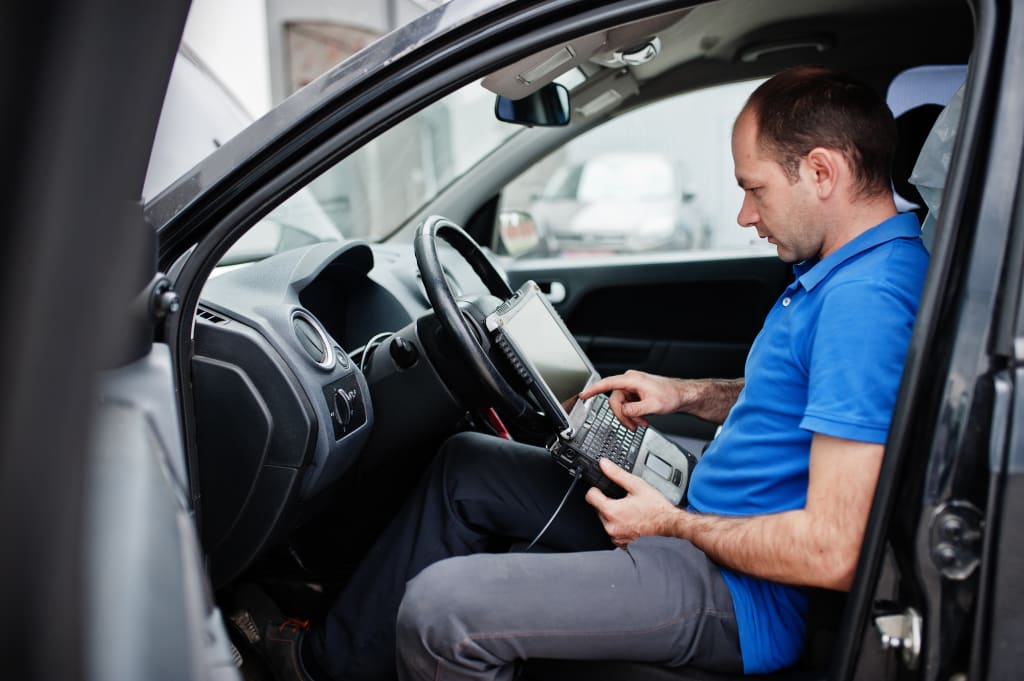
Understanding Advanced Driver Assistance System (ADAS) Integration
Tesla windshields aren’t just glass; they are sensors, cameras, and data nodes for ADAS. Lane departure warnings, adaptive cruise control, emergency braking, and Autopilot all rely on perfect sensor alignment.
Even small optical distortions or uneven curvature can cause cameras to misread lane lines, shadows, or nearby vehicles. Dynamic calibration on public roads is essential — it allows sensors to “relearn” their environment in real driving conditions.
Skipping this step risks repeated system errors, false alerts, and compromised safety. In Michigan, where snowy, icy, or slushy roads are common, fully functional ADAS can make the difference between a minor incident and a major accident. Proper calibration ensures the windshield supports Tesla’s safety technology as intended.
Common Sensor Issues After Replacement
Even after a seemingly successful windshield replacement, Tesla owners may encounter sensor-related problems. Forward-facing cameras may misinterpret lane markings, adaptive cruise may behave erratically, or rain/light sensors may fail to trigger wipers and headlights correctly.
These issues often occur due to subtle misalignment, improper curing, or aftermarket glass with optical inconsistencies. Early detection and correction prevent repeated false alerts, system errors, and safety hazards.
Always test Autopilot, lane assist, emergency braking, and wipers immediately after installation. Addressing problems promptly ensures your Tesla operates safely, maintaining both driver confidence and factory-level system accuracy.
Long-Term Maintenance for Tesla Windshields
Maintaining a Tesla windshield goes beyond replacement. Regular inspections for chips, cracks, or minor pitting keep sensors working properly. Wiper blade replacement, careful washing with non-abrasive materials, and using protective films in high-debris areas extend the life of both glass and integrated sensors.
Michigan drivers should be vigilant during winter months when road salt and gravel increase risk. Small chips can propagate under freeze-thaw cycles, creating calibration or sensor errors if ignored. Long-term care minimizes the need for full replacements, preserves Autopilot performance, and ensures all ADAS features operate as intended for years.
Frequently Asked Questions
1. Do all Teslas need calibration after windshield replacement?
Not every Tesla requires sensor calibration after a windshield replacement. Calibration is only necessary for vehicles equipped with forward-facing cameras, rain/light sensors, or Autopilot features, which rely on precise positioning of windshield-mounted components.
Older or base models that lack these advanced systems can usually have a standard replacement without sensor recalibration. However, for Autopilot-equipped vehicles, skipping calibration can cause false alerts, malfunctioning lane assist, or emergency braking errors. Always check your vehicle’s features before scheduling service.
Identifying whether your Tesla needs calibration ensures safety systems operate correctly, prevents costly errors, and maintains the full functionality of Autopilot and other driver-assist technologies.
2. How long does Tesla sensor calibration take?
Tesla sensor calibration involves both static and dynamic procedures to ensure all cameras and sensors are aligned correctly.
Static calibration, performed in a controlled shop environment, usually takes about 30–60 minutes, depending on the number of sensors and system complexity.
Dynamic calibration is conducted on the road and typically requires an additional 15–30 minutes, allowing the vehicle to “relearn” lane markings, road curvature, and adaptive systems in real-world conditions.
Both procedures are essential for ensuring Autopilot, emergency braking, and lane assist systems function safely. Skipping either step can compromise safety, so proper scheduling and professional handling are critical for all Tesla models with advanced driver-assist systems.
3. Can aftermarket glass affect Autopilot?
Yes, aftermarket windshields can significantly affect Autopilot performance if they aren’t manufactured to precise specifications.
Even minor differences in curvature, thickness, or optical clarity can misalign forward-facing cameras and sensors, causing false alerts, lane detection errors, or emergency braking malfunctions. Only high-quality aftermarket glass or OEM Tesla glass ensures that sensors function correctly and safely.
Lower-quality glass may save money upfront but can lead to repeated system errors and costly repairs later. For Teslas, where ADAS and Autopilot rely heavily on accurate sensor input, proper glass selection and subsequent calibration are crucial for both safety and reliability.
4. Does insurance cover Tesla calibration costs?
Coverage for Tesla windshield replacement and calibration varies depending on your insurance policy. Many comprehensive plans will cover the cost of the glass itself but may not include calibration fees, which are often billed separately.
Some insurers offer full glass coverage with no deductible, while others require a partial payment for sensor recalibration. Before scheduling service, always confirm with your insurance provider whether calibration is covered, and if there are any deductible requirements.
Failing to verify can result in unexpected out-of-pocket expenses. Proper documentation of the replacement and calibration also helps ensure claims are processed smoothly and that your Autopilot systems remain fully functional after service.
5. Is mobile Tesla windshield replacement reliable in Michigan?
Yes, mobile Tesla windshield replacement can be reliable, but it requires certified technicians and properly equipped vehicles. In Michigan, cold winters, road salt, and outdoor conditions can impact adhesive curing and sensor alignment, so mobile units must be heated and equipped with the right calibration tools.
Experience matters — technicians must perform both static and dynamic calibrations to ensure Autopilot, lane assist, and emergency braking systems work correctly.
Mobile service offers convenience for drivers who cannot visit a shop, but improper equipment or rushed procedures can lead to leaks, misaligned sensors, or false system alerts. Choose certified professionals to ensure safety and quality.
6. What happens if calibration is skipped?
Skipping Tesla sensor calibration after windshield replacement can lead to serious safety issues. Forward-facing cameras may misread lane markings, causing Autopilot errors, phantom lane departure alerts, or incorrect adaptive cruise behavior.
Emergency braking sensors may trigger unexpectedly or fail to respond when needed. Rain and light sensors may malfunction, affecting wipers and automatic headlights.
These errors not only compromise your safety but can also void warranties or increase repair costs. Proper static and dynamic calibration restores factory-level functionality, ensuring that all driver-assist systems operate as intended. For Teslas, calibration isn’t optional — it’s a critical step for both safety and performance.
Final Thoughts
Replacing a Tesla windshield isn’t just swapping glass. It’s a delicate balance of high-quality materials, sensor calibration, and Michigan weather considerations.
Over my 30+ years in the trade, I’ve learned that even the smallest misalignment can trigger costly and dangerous system errors. That’s why OEM or high-quality glass, certified installers, and proper static and dynamic calibration are non-negotiable for Teslas.
If you drive a Tesla in Troy, Sterling Heights, Warren, or anywhere in Metro Detroit, remember: your windshield isn’t just glass. It’s a critical part of your EV’s safety system. Don’t cut corners — your life and your Autopilot system depend on it.