
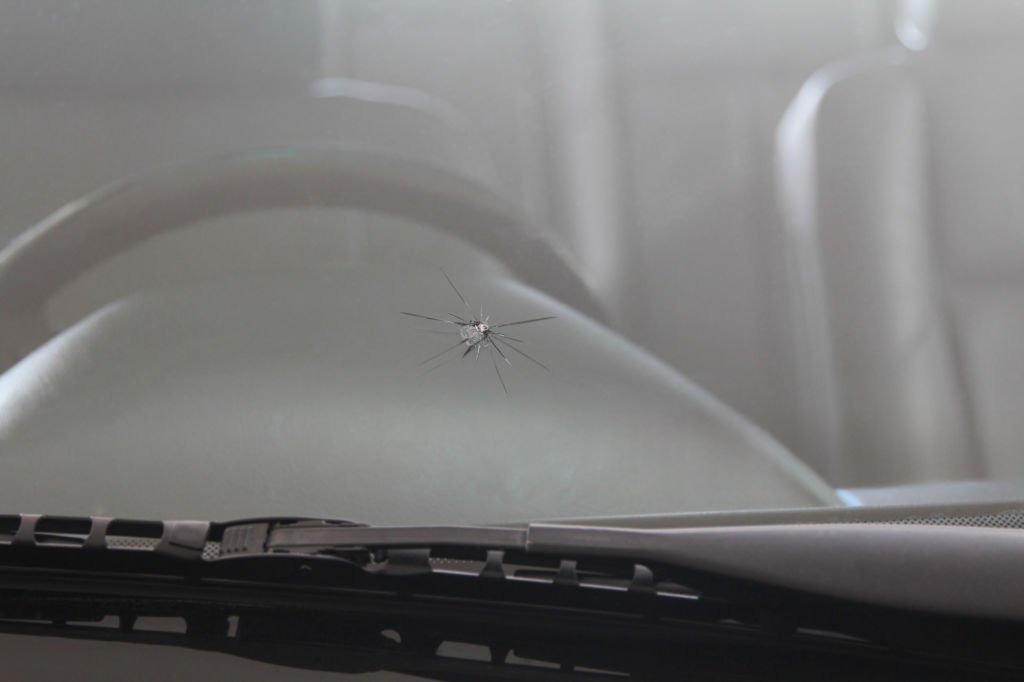
You’re driving along M-15 just outside Fenton, enjoying the morning air, or maybe rushing to work. Suddenly, you hear that tiny plink—a small rock bouncing off your windshield. You glance up, and there it is: a tiny chip, almost unnoticeable at first. Most drivers shrug it off, thinking, “It’s just a small chip, no big deal.”
I’ve seen this scenario thousands of times over my 35 years in auto glass repair. That tiny chip? It can turn into a massive crack faster than most people expect.
Back in the early ’90s, I got a call from a driver on I-69 near Fenton. They had a tiny windshield chip from a loose gravel truck. A week passed before they got help—and by the time I arrived, the chip had spider-webbed across the driver’s side.
Ignoring a small chip isn’t just risky for your wallet—it’s dangerous for your safety, your passengers, and everyone else on the road.
Modern vehicles complicate this even further. Windshields aren’t just glass—they are critical safety components that support airbags, maintain structural integrity, and house ADAS systems like lane departure warnings and forward collision sensors.
Even a tiny crack in the wrong location can compromise these systems.
Why Small Cracks Spread So Quickly
Many drivers don’t realize that a windshield is under constant stress. Every bump, turn, or acceleration sends vibrations through the glass.
Temperature changes—from freezing winter mornings to hot, sunny afternoons—cause the glass to expand and contract. Moisture from rain, snow, or even a car wash can seep into small chips. Over time, all these forces combine to make cracks grow faster than you might expect.
I remember a client in Fenton with a half-dollar-sized chip. They drove to work, hit a few potholes, and by the time they returned home, the crack had already doubled in length. Small chips can spread in hours, depending on conditions.
Factors That Accelerate Crack Spread
A windshield may look solid, but once a chip forms, the glass becomes extremely vulnerable. Several everyday driving and environmental factors work together to turn minor damage into a rapidly spreading crack—especially on highways and rural roads around Fenton.
Road Vibrations and Impact Stress
Highways, back roads, and rural routes constantly transmit vibrations through your vehicle. Every pothole, expansion joint, railroad crossing, or uneven patch of asphalt sends shockwaves directly into the windshield. These vibrations concentrate stress at the weakest point—the chip or crack—causing microscopic fractures to grow. On roads with higher speeds, like I-69, the force of vibration is amplified, making crack spread much faster than during city driving.
Temperature Extremes and Rapid Changes
Windshields expand in heat and contract in cold, and sudden temperature swings put enormous stress on damaged glass. A windshield sitting in the hot sun can expand quickly, while cold winter mornings cause contraction.
Rapid transitions—such as turning on a hot defroster in freezing weather or blasting air conditioning on a sun-heated windshield—intensify this stress. These expansion and contraction cycles pull at existing cracks, allowing them to lengthen or branch out.
Moisture Contamination and Environmental Exposure
Water is one of the biggest enemies of chipped glass. Rain, snow, sleet, road salt, and even moisture from windshield defrosters can seep into micro-fractures.
Once inside, moisture weakens the glass structure and interferes with proper resin bonding. During freeze–thaw cycles, trapped moisture can expand, pushing cracks further across the windshield and accelerating damage.
Poor-Quality Resin or DIY Repair Attempts
Not all repairs are created equal. Low-quality resin or improperly applied DIY kits often fail to fully penetrate the chip, leaving air pockets and weak spots behind.
Under highway vibration, temperature changes, and daily driving stress, these incomplete repairs can break down quickly. Instead of stopping crack growth, poor repairs may actually make the damage worse by giving cracks an easy path to spread.
Edge Location and Structural Weak Points
Chips near the edge of the windshield are especially dangerous. The edges are under more structural tension and flex more during driving. Cracks that start near the frame often spread faster and farther than those in the center, sometimes making repair impossible and forcing a full windshield replacement.
High-Speed Driving and Wind Pressure
At highway speeds, constant wind pressure adds another layer of stress to damaged glass. This pressure, combined with vibration and debris impact, can rapidly turn a small chip into a long crack—sometimes in a single drive.
Even a seemingly harmless chip on a rural highway is a ticking time bomb. Under the combined effects of vibration, temperature changes, moisture, and driving stress, minor windshield damage can escalate quickly—often when drivers least expect it.
Real-Life Examples from Fenton Roads
I’ve seen countless examples of small cracks spreading rapidly on Fenton highways:
Delivery Truck on Lapeer Road
A local delivery driver hit a small gravel patch, leaving a chip barely visible. They didn’t stop, thinking it was minor. By the time they reached Linden, the crack had shot across half the windshield. Mobile repair on-site saved them from full replacement, but the damage could have been prevented with quick attention.
Snowstorm on I-69
A client’s windshield already had a small chip from a previous trip. Winter snow mixed with salt and debris hit the glass at highway speeds. Vibration, temperature swings, and moisture caused the chip to split in multiple directions, making a full replacement inevitable.
These examples highlight a key truth: highway speed and environmental stress amplify minor damage.
The Science Behind Crack Growth
Windshields are made of laminated safety glass—two layers of glass sandwiching a thin plastic interlayer. This design holds the glass together during impacts but doesn’t prevent cracks from spreading once they start.
When a small chip occurs, microscopic fractures form in the glass. Every vibration, temperature change, and wind gust puts stress on those fractures, allowing them to extend.
- Chips near the edges are especially dangerous, as the edges are weaker and cracks can propagate faster.
- Even tiny imperfections in the center can compromise structural integrity over time.
- For vehicles with ADAS sensors, a cracked windshield can misalign cameras, giving false readings or disabling safety features.
DIY vs Professional Repairs
Many drivers are tempted by DIY kits. They’re cheap, convenient, and promise easy fixes—but they rarely deliver the safety and reliability of professional repairs.
Common problems with DIY repairs:
- Resin does not fully penetrate the chip, leaving weak spots.
- Air bubbles form, especially under vibration, which can worsen cracks.
- Misalignment of ADAS cameras if the crack is near sensors.
- Moisture contamination reduces bond strength.
Professional repairs, especially mobile services like Save On Auto Glass, ensure:
- AGSC-approved resin that cures properly and restores structural integrity.
- OEM or OEM-equivalent glass for replacements.
- Correct ADAS calibration for vehicles with lane assist, collision warnings, or automatic braking.
- Repairs are performed in a controlled environment, reducing exposure to moisture and debris.
How Fenton Highways Make Things Worse
Highways like I-69 or M-15 expose windshields to continuous stress:
- High speeds increase wind pressure and vibration.
- Debris from gravel, construction, or farm vehicles can chip glass further.
- Temperature swings from shaded tree patches to open sunny stretches cause micro-expansion and contraction.
Insurance Insights
Many drivers delay repair, thinking insurance won’t cover minor chips. In most cases, chip repair is fully covered with no deductible. Waiting until the crack spreads often leads to a costlier replacement claim.
Mobile repair makes it even easier: your windshield can be fixed quickly and safely, without risking another mile on the highway.
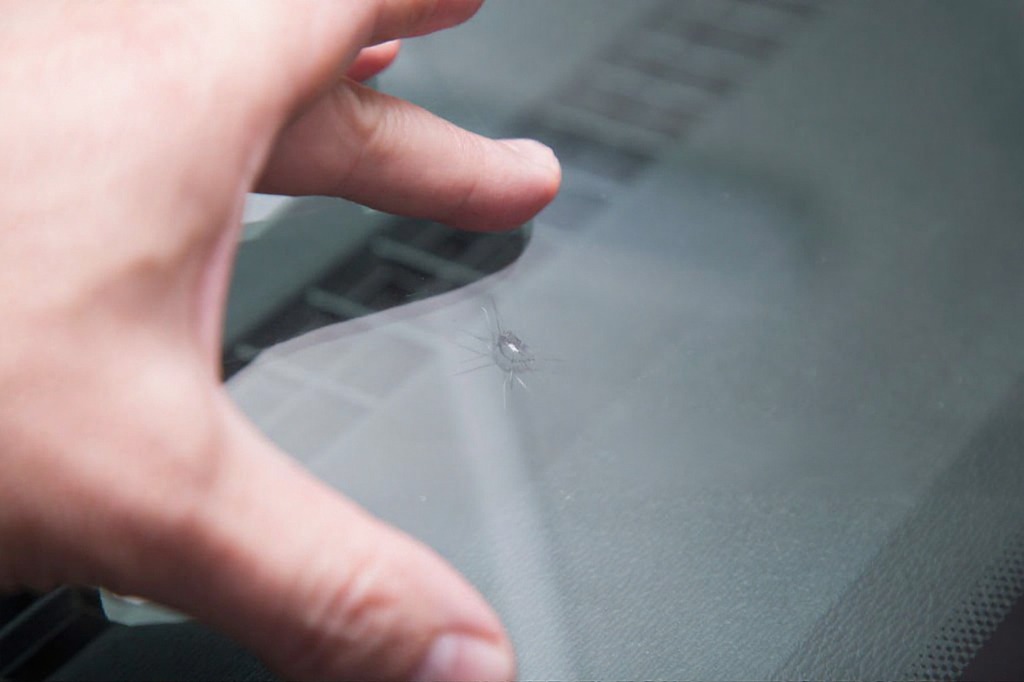
Pro Tips to Stop Cracks from Spreading
Repair Immediately
Time is your biggest enemy when it comes to windshield damage. What looks like a tiny chip today can turn into a long, spreading crack in a matter of hours or days—especially on highways around Fenton.
Early professional repair allows resin to fully bond with the glass before dirt, moisture, or stress weakens the area. Fast action often means a simple, affordable repair instead of a full windshield replacement.
Avoid Rough Roads and High-Speed Driving
Every pothole, speed bump, or uneven road surface sends vibrations through your windshield. On rural roads and highways like I-69 or M-15, these constant vibrations put pressure on weak points in the glass.
Until the chip is repaired, limit unnecessary driving, avoid gravel roads, and reduce highway speeds to minimize stress on the damaged area.
Control Temperature Exposure
Sudden temperature changes are one of the fastest ways to make cracks spread. Blasting hot air on a cold windshield—or cranking the AC on a hot, sun-baked windshield—causes rapid expansion or contraction of the glass.
Instead, adjust climate controls gradually and avoid directing defrosters straight at the damaged spot. Parking in shaded or covered areas can also reduce thermal stress.
Keep Moisture and Dirt Away from the Chip
Water, snow, road salt, and dust can seep into even the smallest chip, weakening the glass and making proper repair more difficult. If rain or snow is unavoidable, gently cover the chip with clear tape as a temporary measure until professional repair is available.
This helps keep contaminants out and improves the chances of a strong, lasting repair.
Don’t Rely on DIY Kits for Major Damage
DIY repair kits may seem convenient, but they often fail to address deeper cracks or chips exposed to constant highway vibration. Low-quality resin, trapped air bubbles, and improper curing can actually make the damage worse over time.
For anything beyond a very minor chip, professional repair ensures proper resin penetration, strength, and long-term durability.
Use Mobile Professional Service When Possible
Driving long distances with a compromised windshield increases the risk of crack expansion. Mobile auto glass repair eliminates that risk by bringing professional service directly to your home or workplace. Repairs performed on-site reduce exposure to road stress and prevent further damage before it starts.
Check ADAS Recalibration After Repairs or Replacement
Modern vehicles rely on Advanced Driver Assistance Systems (ADAS) such as lane-keeping assist, forward collision warnings, and automatic braking. Even small windshield repairs or replacements near camera areas can affect sensor alignment. Always confirm that proper ADAS recalibration is performed so these safety systems continue to function accurately and reliably.
Act Before Insurance Costs Rise
Most insurance policies cover chip repairs at little or no cost, but once a crack spreads, a full replacement may be required—often with a deductible. Addressing damage early protects both your safety and your wallet, turning a potential major expense into a simple preventative fix.
Key Takeaways
- Even a tiny chip on Fenton highways can spread rapidly if ignored.
- Vibrations, temperature changes, moisture, and debris accelerate crack growth.
- Professional, immediate repair protects your safety, structural integrity, and ADAS systems.
- Mobile service ensures you don’t have to risk driving with compromised glass.
Ignoring minor chips is a gamble that can cost hundreds of dollars and put you at risk.
FAQs
How fast can a small chip spread?
The speed at which a chip grows depends on multiple factors, including vibration, temperature changes, and moisture exposure.
On highways or rural Fenton roads, even a tiny nick can expand rapidly due to constant stress from bumps and wind pressure. Heat from the sun or cold mornings can cause the glass to expand and contract, worsening micro-cracks.
Moisture seeping into the chip can also accelerate the spread. In real-life scenarios, small chips have turned into full spiderweb cracks within hours of highway driving. That’s why immediate repair is crucial—delaying it increases the chance of needing a full windshield replacement.
Can I drive with a small crack on the highway?
Driving with a small crack on highways is extremely risky. High speeds amplify wind pressure and vibration, which can quickly enlarge a minor chip into a dangerous crack.
Even if the crack seems harmless at first, bumps, road debris, or sudden braking can cause it to spider across the windshield.
Additionally, a weakened windshield compromises structural integrity and may affect ADAS sensors if your car has lane-keeping or collision warning systems.
Mobile or professional repair is the safest option before making any long-distance trips. Driving without addressing it is essentially gambling with your safety.
Does weather affect crack growth?
Absolutely. Weather plays a major role in how fast a chip spreads. Heat causes the glass to expand, which can enlarge micro-fractures, while freezing temperatures make the glass contract, putting stress on already damaged areas.
Rain, snow, and road salt can seep into small cracks, weakening the temporary resin used in DIY repairs or unfinished chips. Rapid temperature swings, common on rural Fenton roads with open fields and shaded patches, accelerate the crack growth even further.
Moisture and weather exposure turn minor chips into major hazards if not addressed promptly.
Are DIY repair kits effective?
DIY repair kits may provide a temporary fix for very small chips, but they rarely match professional-grade resin in strength or durability. Many kits fail to fill the entire depth of the chip, leaving weak spots that can worsen under vibration and temperature changes.
Highway driving or exposure to wet or cold conditions can cause the DIY repair to fail completely. Additionally, improperly applied resin may trap air bubbles, reduce structural integrity, or even misalign ADAS sensors. Professional repairs ensure proper resin penetration, moisture-free application, and restored windshield strength, giving long-term safety.
Do I need ADAS recalibration after repair?
Yes, especially if your windshield has been replaced or if the crack is near cameras and sensors. ADAS systems, like lane departure warnings, forward collision alerts, and automatic braking, rely on precise windshield alignment.
Even a minor misalignment can cause false warnings, system malfunctions, or total sensor failure. Professional repair ensures that the glass is correctly bonded and that all ADAS components are recalibrated. Skipping this step may leave you with an unsafe car, despite having a visually repaired windshield.
Will insurance cover small repairs?
Most comprehensive auto insurance policies cover small chip repairs, often fully and with no deductible. Early reporting and professional repair increase the likelihood of coverage and prevent more expensive claims later.
Waiting until the crack grows usually converts an inexpensive repair into a costly full replacement.
Mobile repair services can expedite the process and minimize driving with a compromised windshield, ensuring your claim is handled efficiently. Prompt action not only saves money but also protects your vehicle’s safety.
How can I prevent chips from spreading before repair?
The best prevention is quick, professional attention. Avoid long-distance driving, rough roads, or gravel stretches until the chip is repaired.
Minimize extreme temperature exposure by parking in the shade or using climate control carefully. Clean the windshield gently to prevent debris from entering the crack.
Scheduling mobile or in-shop repairs immediately significantly reduces the risk of expansion. Early intervention keeps the damage manageable and often prevents a full windshield replacement, saving both money and stress.
Conclusion:
After decades in the auto glass industry, one lesson is crystal clear: small chips grow fast on highways, especially on rural Fenton roads. Ignoring a tiny chip is like ignoring a leaky roof—it starts small, but consequences escalate quickly.
Mobile and professional repairs using AGSC-approved resin and OEM glass are your best defense. Immediate attention preserves your safety, your vehicle’s structure, and ADAS functionality.
Even a seemingly harmless chip can turn into a hundred-dollar repair into a $400 replacement if ignored. Don’t gamble with your safety.
Call Save On Auto Glass as soon as you spot a chip, and share this guide with friends and family in Fenton. Protecting your windshield isn’t just about your car—it’s about keeping everyone on the road safe.