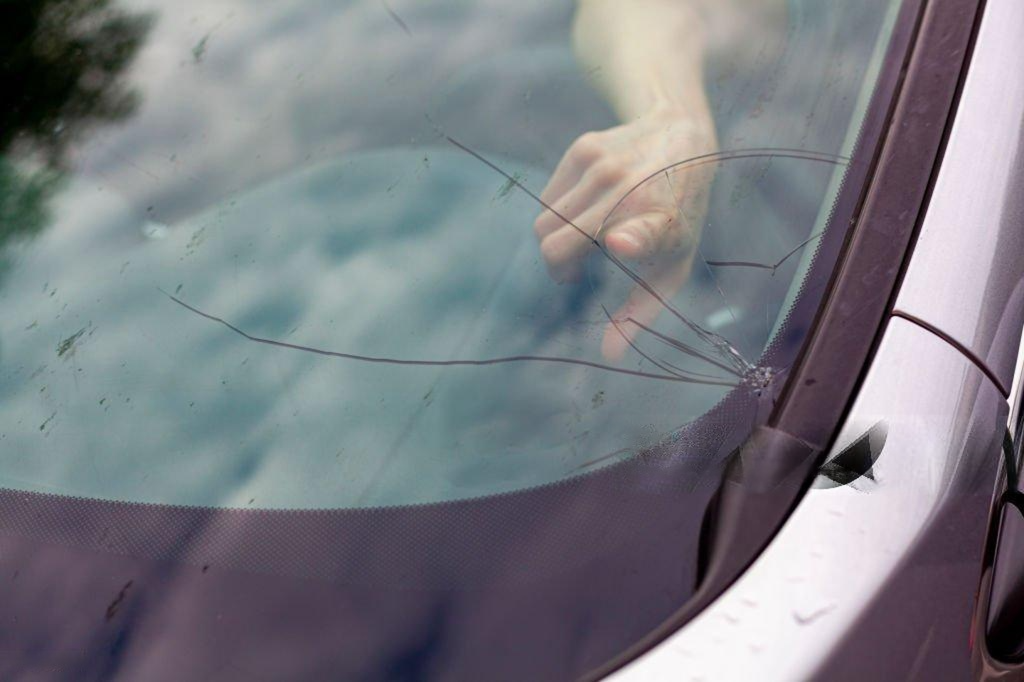
It’s early January in Fenton. You step out, rubbing your eyes, and notice your windshield glistening with a thin frost. As you start the car and scrape the ice away, a small, almost invisible chip catches the morning sunlight. You curse under your breath.
I’ve seen this countless times. Drivers underestimate the silent damage that comes with temperature swings. Back in the early 90s, I remember working on a Sterling Heights commuter who had ignored a tiny star chip during a cold snap. By the time they called me a week later, the chip had spidered across half the windshield. A simple $80 repair turned into a $400 replacement.
Understanding how temperature affects your auto glass isn’t just a curiosity—it’s a safety imperative.
Why Temperature Matters for Auto Glass
Your windshield is far more than a simple pane of glass—it’s an integral part of your vehicle’s safety system. Think of it as your car’s helmet and backbone. In the event of a rollover, your windshield helps support the roof, preventing it from caving in.
It also protects passengers from road debris, rocks, and other flying hazards. Modern vehicles add another layer of complexity: advanced driver-assistance systems (ADAS), such as lane-keeping assist, forward collision warning, and automatic braking, rely on cameras and sensors mounted on or near the windshield.
Temperature changes directly affect each component of your windshield:
Glass Expansion and Contraction:
Glass reacts to temperature changes. In cold conditions, it contracts and becomes more brittle, while heat causes it to expand. Rapid temperature swings—like starting your car in a freezing morning and blasting the defrost—stress the glass, often at existing weak points. These small stresses can magnify micro-chips into cracks that spread across the windshield.
Adhesive Vulnerability:
Urethane adhesives bond the windshield to your car frame. Cold temperatures slow curing and weaken the bond, while hot conditions can soften adhesives temporarily. A windshield with compromised adhesive is less able to maintain structural integrity during minor impacts or even regular driving.
Micro-Cracks Amplify:
Tiny, almost invisible chips react quickly to freezing temperatures. Water seeping into micro-cracks can freeze, expand, and enlarge these imperfections. A chip that seems harmless today could become a full-blown spider crack overnight.
Driving with compromised glass integrity is not just an inconvenience—it’s a serious safety risk. On long drives or rural Fenton roads, vibrations, potholes, and high-speed wind pressure compound the effects of temperature, making minor damage turn into urgent replacement needs. Ignoring these risks can lead to shattered windshields, misaligned ADAS sensors, and potential accidents.
How Cold Weather Accelerates Damage
Fenton winters aren’t just cold—they are deceptive. Even minor frost or light snow can trigger damage that spreads quickly if left untreated. Several factors make winter conditions particularly hazardous for windshield integrity:
Freeze-Thaw Cycle:
Water from rain, snow, or car washes can seep into small chips and cracks. Overnight, it freezes and expands. By morning, a tiny imperfection has widened. Repeated freeze-thaw cycles are especially dangerous because they steadily weaken glass, making it more likely to shatter during normal driving.
Thermal Shock:
Many drivers unknowingly stress their windshield by rapidly defrosting it. Blasting hot air on a frozen or frosted windshield creates sudden temperature gradients in the glass. The resulting thermal shock can form new stress lines and accelerate the growth of existing cracks. I’ve repaired countless windshields where thermal shock caused spider cracks to form within minutes.
Road Salt & Debris:
Winter roads in Fenton are coated with salt and small gravel to improve traction. This combination is brutal for damaged windshields. Even a minor chip can expand when impacted by road debris, while salt accelerates glass surface wear and can weaken adhesives, leaving the windshield more prone to cracking.
Windshield Flex:
Cold temperatures make glass more brittle and less able to flex. Under normal driving conditions—going over bumps, potholes, or uneven pavement—this rigidity means that stress gets concentrated at existing cracks, pushing them to spread faster than in warmer months.
Types of Damage Most Affected by Cold
Not all windshield damage reacts the same way to freezing temperatures. In Fenton, I commonly see the following types worsen during winter:
Star Cracks:
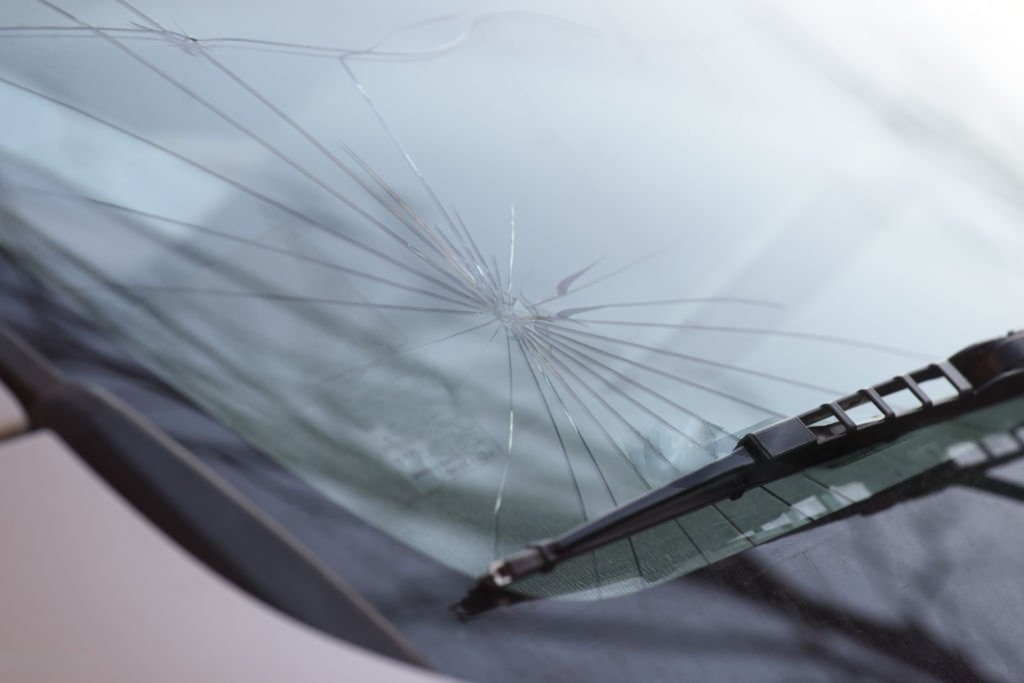
Radiating from a central point, these cracks often originate from gravel or small road debris. Cold makes the glass less flexible, accelerating the spread along the star pattern, especially when combined with road vibrations.
Edge Cracks:
Starting at the perimeter of the windshield, these are particularly dangerous during winter. Edge cracks can propagate under minor impacts or even when flexing occurs during vehicle movement. One jolt on a frozen road can compromise the windshield entirely.
Combination Cracks:
These include both bullseye and star patterns. They often remain hidden under frost or condensation, but cold exposes weaknesses in the glass, causing previously stable chips to spread rapidly.
Micro-Chips:
Tiny cracks often invisible to the naked eye are particularly insidious in winter. Freeze-thaw cycles and temperature swings magnify these imperfections into full cracks. A windshield with micro-chips is essentially a ticking time bomb waiting for stress to trigger rapid growth.
Stories from the Field
Real-life experiences often illustrate the dangers better than theory. Here are a few cases I’ve handled in Fenton winters:
- Case 1: Sterling Heights, 1999 – A young tech called me for a minor chip on a Honda Civic. Overnight, winter winds caused the chip to expand. By the time the driver reached the highway, the windshield needed a full replacement. Lesson: small damage grows silently in cold conditions.
- Case 2: Weekend Commuter – A driver traveled from Fenton to Ann Arbor in February with a tiny bullseye chip. Road gravel on icy streets caused it to expand into a star crack. Prompt professional repair saved time, money, and potential safety hazards.
- Case 3: ADAS Mishap – A newer vehicle had a chip near a lane-assist camera. Freezing temperatures distorted the glass, triggering false sensor warnings. After professional repair and recalibration, the systems functioned correctly, restoring safety and confidence.
These examples highlight that temperature drops are more than just an inconvenience—they actively threaten windshield integrity, structural safety, and vehicle technology.
Why Cheap Repairs Don’t Cut It in Cold Weather
Cold weather quickly exposes the weaknesses of DIY windshield repair kits and low-quality repair attempts. While these options may seem convenient or cost-effective, they often fail under winter conditions—turning small damage into major safety risks.
One of the most common problems is the use of low-grade resin. Cheap resin does not flex or cure properly during temperature fluctuations. As the glass expands during warmer moments and contracts in freezing temperatures, weak resin separates from the glass, allowing cracks to continue spreading beneath the surface. What appears fixed on the outside may be actively failing on the inside.
Another major issue is overlooking micro-chips hidden by frost or condensation. In winter, tiny chips can be nearly invisible under ice or fogged glass. DIY repairs often miss these flaws entirely, allowing freeze–thaw cycles to enlarge them overnight. By the time the damage becomes visible, repair may no longer be an option.
ADAS calibration is frequently ignored in low-cost or DIY repairs. Modern vehicles rely on cameras and sensors mounted near the windshield for lane-keeping assist, forward-collision warnings, and automatic braking. Even slight distortion or improper bonding of the glass can misalign these systems, leading to false alerts—or worse, systems that fail when you need them most.
Poor cleaning and preparation further weaken cheap repairs. Cold-weather moisture, road salt, and debris often remain trapped inside chips when repairs are rushed. This contamination prevents resin from bonding correctly, significantly reducing the strength and lifespan of the repair.
Professional winter repairs address these issues properly by using:
- AGSC-approved resin designed to handle freeze–thaw cycles without separating or cracking
- OEM or OEM-equivalent glass that maintains structural strength and supports ADAS accuracy
- Thorough cleaning, drying, and moisture control before any repair or replacement
- Proper ADAS recalibration, ensuring cameras and sensors function exactly as intended
How to Protect Your Windshield in Fenton Winter
Winter in Fenton demands proactive care. Small habits and early action can dramatically reduce the risk of windshield damage spreading when temperatures drop.
Preemptive Care
Before winter sets in, carefully inspect your windshield for even the smallest chips or cracks. Addressing minor damage early prevents freeze–thaw cycles from turning it into a major issue. Avoid parking under trees, power lines, or roof edges where falling ice or frozen debris can strike your windshield.
Wash your windshield regularly to remove road salt, sand, and chemical residue, which can weaken glass surfaces and adhesives over time.
Smart Winter Driving Habits
Sudden temperature changes are one of the biggest threats to auto glass. Warm your vehicle gradually instead of blasting hot air on a frozen windshield. This reduces thermal shock and stress on the glass. Drive cautiously on icy, uneven, or gravel-covered roads. Even small impacts can expand existing chips when glass is brittle from cold temperatures.
Avoid slamming doors or closing them forcefully. In cold weather, the pressure change inside the vehicle can stress already weakened glass and worsen micro-cracks.
Professional Assistance
Prompt professional repair is the most effective way to prevent winter damage from spreading. Don’t wait for freezing temperatures to magnify the problem.
If driving to a shop isn’t safe, use mobile auto glass repair services to avoid exposing damaged glass to highway vibration and cold wind.
Always confirm ADAS recalibration if damage is near cameras or sensors—this step is essential for maintaining modern vehicle safety systems.
ADAS and Cold Weather
Modern vehicles rely heavily on Advanced Driver Assistance Systems (ADAS), many of which depend on precise windshield alignment. Cold weather can interfere with these systems in several ways:
Lens Clarity Issues
Frost, ice, and condensation can distort camera visibility, reducing the accuracy of lane detection and collision monitoring. Even minor windshield damage can worsen visibility problems during winter conditions.
Calibration Problems
Cracks or repairs near sensor mounting areas can cause subtle misalignment. Cold temperatures can further shift the glass or adhesive, throwing off calibration and affecting how the system interprets road conditions.
False Warnings and System Malfunctions
Improperly calibrated or distorted sensors may trigger false lane-departure alerts, forward-collision warnings, or unexpected braking. In winter driving conditions, these errors can be dangerous and distracting.
Professional inspection, repair, and recalibration ensure ADAS systems function correctly—even in freezing temperatures—helping keep you and other drivers safe on Fenton roads.
DIY vs Professional Repairs: Winter Edition
DIY Kits:
- Good for minor chips, but brittle in cold
- Resin may not cure properly
- ADAS sensors ignored
Professional Repairs:
- AGSC-approved resin, OEM glass
- ADAS calibration if required
- Moisture-free prep ensures lasting repair
Insurance Tips for Cold-Weather Repairs
- Document chips immediately with photos
- Call your insurer before repairs; most cover OEM glass repairs in winter
- Use certified technicians to avoid claim denials
- Avoid driving long distances with known damage; insurers notice worsening cracks
Prompt action reduces risk and saves money.
FAQs
How long does windshield replacement take in winter?
A professional windshield replacement typically takes 1–2 hours under normal conditions. In winter, however, curing time can be longer due to cold temperatures slowing the adhesive’s bonding process.
Some adhesives may require up to 24 hours to reach full strength in freezing conditions. During this time, it’s important not to drive aggressively or expose the vehicle to bumps, potholes, or extreme temperature changes.
Mobile services often provide temporary guidance, like keeping windows closed and avoiding rough roads until the adhesive fully sets. Planning ahead can prevent damage to a newly installed windshield during winter drives.
Is OEM glass worth it?
Absolutely. OEM (Original Equipment Manufacturer) glass is designed specifically for your vehicle, ensuring proper fit, safety, and durability.
Unlike aftermarket alternatives, OEM glass is engineered to withstand temperature fluctuations without warping or cracking, which is especially critical in Fenton winters.
For cars with ADAS sensors, OEM glass ensures cameras and sensors remain perfectly aligned, preserving features like lane-keeping assist and forward collision warnings. While it may cost slightly more upfront, OEM glass often prevents expensive future repairs and ensures your vehicle meets safety standards.
Can frost damage a minor chip?
Yes, frost can be surprisingly destructive. When water seeps into a tiny chip and freezes overnight, it expands, forcing micro-cracks to grow larger.
This freeze-thaw cycle can turn what seemed like a harmless chip into a spider crack by morning. Even a chip that isn’t visible under frost may worsen if left untreated.
Drivers who scrape ice aggressively or use high heat to defrost the windshield can also unintentionally stress the glass further, making early repair essential to prevent full replacements.
Do I need ADAS recalibration in winter?
If your windshield is replaced or a chip or crack is near any sensors or cameras, yes, recalibration is necessary. Cold weather doesn’t change the recalibration procedure itself, but it can exacerbate misalignment if cracks spread or adhesives cure unevenly.
Sensors that are slightly off can lead to false warnings in lane departure, forward collision, or automatic braking systems. Proper calibration ensures all safety systems function correctly, giving you peace of mind while driving on icy or snowy roads.
Will insurance cover a winter windshield repair?
Most comprehensive auto insurance policies cover chip or crack repairs, even in winter, often with no deductible. Filing early is key—insurance companies prefer repairs done promptly rather than after cracks expand, which can require a full replacement.
Using a certified professional ensures your claim meets safety and quality standards, preventing claim denials. Documenting the damage with photos and notifying your insurer immediately helps the process go smoothly. Timely repairs in winter can save both money and potential safety hazards.
Key Takeaways
- Cold Fenton temperatures can compromise glass integrity and adhesives.
- Minor chips can expand into full cracks due to freeze-thaw cycles.
- ADAS systems may malfunction if windshield damage occurs near sensors.
- Professional repairs and OEM glass are essential for safety.
- Prompt inspection and repair save money and prevent accidents.
Conclusion:
I remember my first winter repair in Fenton back in ’92. A minor bullseye chip had expanded overnight due to freezing temperatures. The driver learned the hard way: cold magnifies damage silently.
Your windshield protects your passengers, supports your roof, and keeps your vehicle’s advanced safety systems working. Don’t gamble with it—inspect, repair, and if necessary, replace before the first major cold snap.
Plan ahead, drive safely, and protect your investment. Share this guide with fellow Fenton drivers—your windshield (and your family) will thank you.