
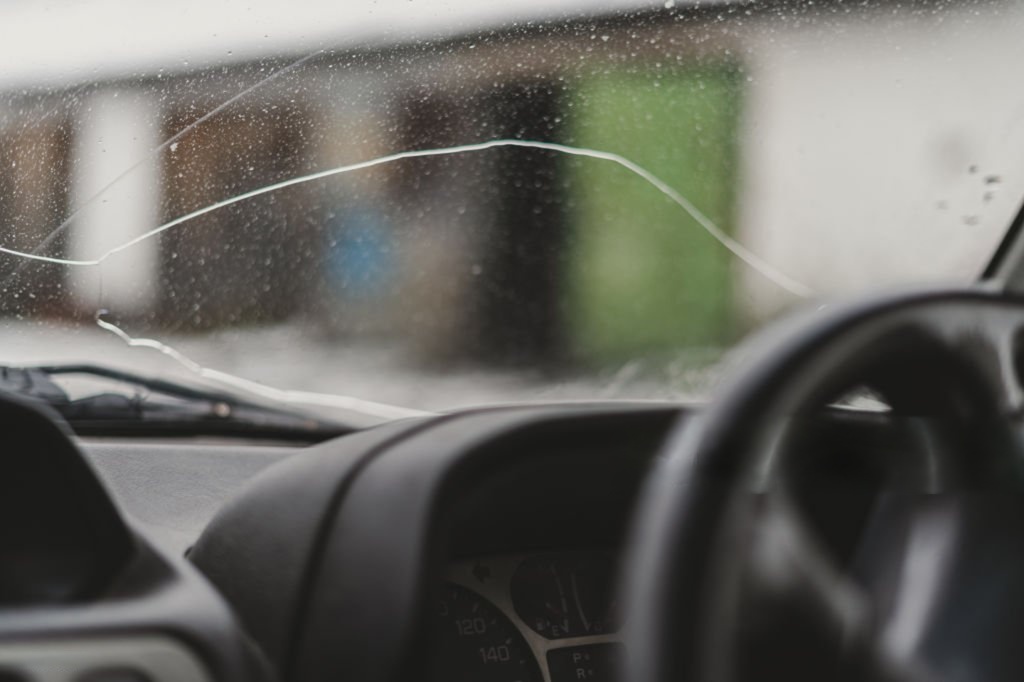
If you’ve driven around Fenton, especially on the rural stretches or near construction zones, you know the roads aren’t always smooth. You might be cruising along when suddenly a small rock flips up from a tractor tire or dirt falls off a dump truck. That plink on your windshield might seem minor—but even small impacts can turn into long cracks faster than most drivers expect.
Back in the early ’90s, I remember repairing a windshield on a client’s truck near Linden Road. A gravel truck kicked up a stone at 50 mph.
The chip seemed tiny at first, but by the time they reached town, it had spread across half the windshield.
That was before I even had my mobile repair van. Today, even with modern glass bonding and resins, the damage can escalate just as fast if drivers don’t take it seriously.
Why Farm and Construction Vehicles Are Risky for Windshields
Farm and construction vehicles carry a lot of loose material—gravel, sand, dirt, even bits of metal sometimes. When they drive on rural or semi-paved roads near Fenton, small debris can get launched into the air, directly into the path of your windshield. Even at moderate speeds, these impacts can chip or crack glass.
I’ve seen countless chips caused by a tractor’s rear tires flinging a rock up at cars following too closely. One memorable call was a driver on Linden Road trailing behind a combine. A small stone hit right in front of the driver-side windshield.
By the time they made it to Fenton, the chip had spider-webbed across the pane. These vehicles are slow, yes, but the debris they kick up can move surprisingly fast.
Key reasons these vehicles cause damage:
- Tires and tracks pick up and fling gravel or stones.
- Load material can fall from open beds or hoppers.
- Mud, sand, and salt act like abrasives, weakening glass over time.
- Sudden starts or stops create momentum that launches debris farther.
Real-Life Fenton Examples
I once repaired a windshield for a family driving home from a weekend at Fenton’s local farms. A dump truck had just passed in front of them, and the family noticed a tiny chip near the bottom corner of the windshield. By the time they reached the city, the crack had spread upward. Speed, combined with debris, made a minor annoyance a safety concern.
Construction sites near Fenton are another hotspot. I recall a call from a local contractor whose truck was following a flatbed carrying concrete forms.
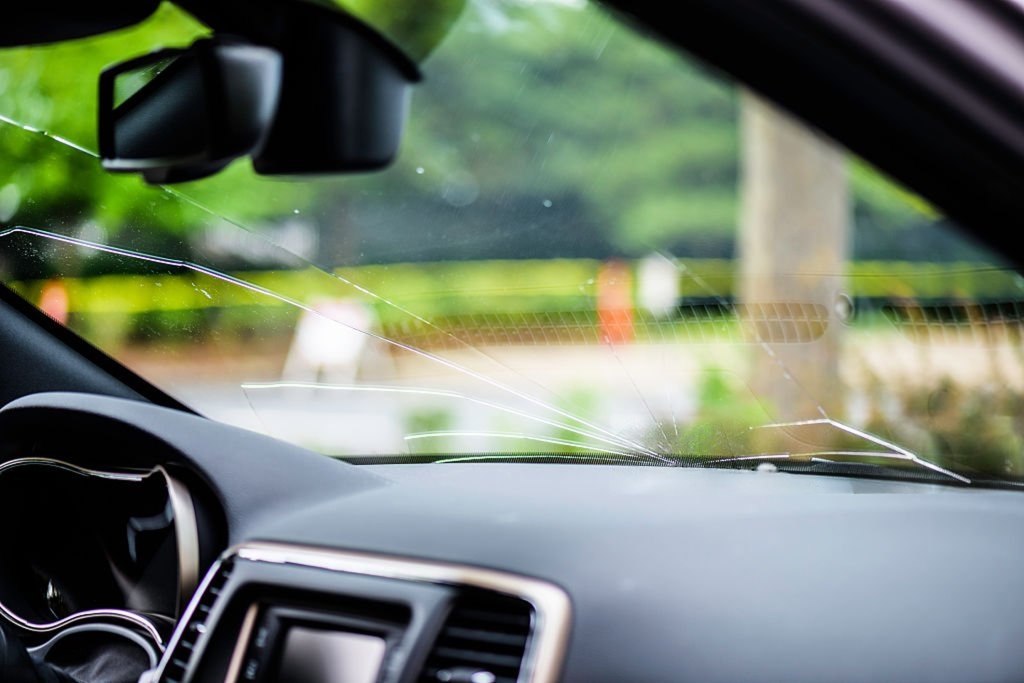
A small piece of concrete chipped their windshield. Because the vehicle was traveling at 45 mph on a slightly bumpy road, the impact caused a star-shaped crack. This is a classic example of how even “slow” rural speeds can make a small chip spread.
How Debris Impacts Glass
Windshields are made of laminated safety glass—a carefully engineered sandwich of two layers of glass with a thin plastic interlayer in between.
This design is meant to hold the glass together in the event of a collision, preventing passengers from being ejected or cut by shards. However, this laminated structure doesn’t stop cracks from spreading once a chip or fracture begins.
When debris from farm or construction vehicles—like a small rock, gravel, or even hardened dirt—hits your windshield, the energy of the impact creates a micro-fracture in the outer glass layer.
These micro-fractures are often invisible at first, but vibrations from driving, uneven roads, or even temperature changes cause the damage to propagate quickly through both glass layers.
On rural roads around Fenton, especially near farms or construction zones, the effects are amplified. Even “slow-moving” vehicles can launch debris at speeds fast enough to chip windshields. A tiny chip from a gravel truck can evolve into a spiderweb crack after just a few miles.
Factors that influence the severity of damage:
- Size of debris: Larger stones and heavy materials cause bigger chips, while small particles can still create micro-fractures that spread.
- Relative speed: The faster the debris hits, the more energy is transferred to the glass, increasing the likelihood of a crack forming.
- Angle of impact: Direct hits perpendicular to the windshield are more damaging than glancing blows.
- Glass condition: Older windshields, or glass that already has minor chips or scratches, is more prone to spreading cracks.
Pro tip: Even if a chip seems insignificant, it’s best to treat it immediately. A small chip today can turn into a full replacement scenario tomorrow, especially on roads frequented by farm machinery or construction trucks.
Weather’s Role in Debris Damage
Weather in Fenton is unpredictable, and it plays a major role in whether a small chip evolves into a large crack. Windshield glass expands and contracts with temperature changes, and micro-fractures from debris react to these stresses.
Cold mornings: When temperatures drop, glass contracts. Any micro-fracture in the windshield can widen, creating larger cracks overnight. Ice can also settle into tiny chips, expanding fractures as it freezes.
Hot afternoons: Prolonged sun exposure heats the glass, causing it to expand. The combination of heat stress and pre-existing chips can accelerate crack growth, particularly on sun-facing roads or vehicles parked outdoors.
Rain or snow: Moisture can seep into chips and weaken the bond between glass layers. Freeze-thaw cycles, combined with vibrations from rural roads, can dramatically worsen damage.
I remember a case near Linden where a minor chip from construction debris was left unattended over a weekend in early March. Overnight freezing expanded the crack dramatically, forcing a full windshield replacement.
Pro tip: Avoid extreme temperature changes immediately after a chip occurs. Parking in shaded areas, using a windshield cover, and repairing chips promptly reduces the risk of weather-related damage.
Mobile Repairs vs. Shop Repairs
Some drivers make the mistake of delaying repairs, assuming they’ll get to a shop “eventually.” On roads near farms or construction zones, even a small chip left unrepaired is risky. Mobile windshield repair is often the safest and most convenient choice for Fenton drivers.
At Save On Auto Glass, our mobile units are fully equipped with AGSC-approved resin, OEM-grade glass, and ADAS calibration tools. This allows us to repair chips on-site before they spread into larger cracks. Mobile repair has several advantages:
- Immediate attention prevents crack spread: Quick repair stops micro-fractures from propagating due to vibration or temperature changes.
- Reduces highway stress on the glass: Driving with a compromised windshield adds stress, especially on uneven or gravel roads near construction and farm equipment.
- Convenience: Busy Fenton drivers don’t need to take extra time visiting a shop—repairs happen at your home, workplace, or farm site.
Pro tip: Mobile repair is not just a convenience—it’s a preventative measure that can save hundreds of dollars in replacement costs.
Common Mistakes Drivers Make
Even experienced drivers underestimate how quickly a chip can become a major problem. Here are the mistakes we see most often in Fenton:
- Ignoring small chips: Drivers assume minor chips are harmless, but small micro-fractures can spread quickly with vibrations and temperature fluctuations.
- Following farm or construction vehicles too closely: Loose gravel, sand, and debris can fly back at high speeds, increasing the risk of additional chips or worsening existing ones.
- Attempting DIY repairs: Over-the-counter resin kits are inconsistent in strength and durability. Improperly applied DIY fixes often fail to stop crack propagation.
- Waiting too long: Delay often leads to cracks spreading to the point where professional repair is impossible, necessitating a full windshield replacement.
Safety Risks of Delayed Repair
Driving with a chip or crack isn’t just a cosmetic issue—it directly impacts vehicle safety:
- Reduced structural integrity: In a rollover or collision, a weakened windshield may fail to support the roof, increasing injury risk.
- Weakens airbag deployment support: Airbags rely on a solid windshield to deploy correctly. Cracks can compromise timing and placement.
- Misaligned ADAS cameras: Many modern vehicles use lane assist, collision sensors, or automatic braking that depend on proper windshield alignment. Even a small chip near camera areas can affect performance.
- Higher risk from farm/construction debris: Ongoing exposure to flying debris increases the likelihood of sudden windshield failure if repairs are delayed.
Pro tip: Treat any chip or crack near ADAS cameras as urgent. Delayed repair isn’t worth compromising active safety features.
Cost and Insurance Insights
Many drivers assume small chips aren’t covered by insurance, but in reality, most policies with full coverage cover minor repairs. Waiting until a chip spreads usually leads to a replacement claim; this is where the comprehensive deductible kicks in. In some cases, we can waive your deductible for a replacement.
Typical Fenton-area costs:
- Chip repair: $65
- Average Full windshield replacement: $250–$450
- Average OEM glass + ADAS calibration: $400–$600
Professional repair is almost always cheaper than replacement after a crack spreads. Acting early saves money, time, and the stress of arranging a full windshield replacement.
Pro tip: Document chips with photos and date stamps for insurance purposes. Immediate repair maximizes coverage and reduces costs.
Pro Tips to Protect Your Windshield
- Keep distance from farm/construction vehicles: Loose gravel, dirt, and debris are often thrown backward.
- Repair chips immediately: Even minor impacts can propagate quickly.
- Avoid rough roads after a chip occurs: Vibrations worsen cracks.
- Use mobile repair if a shop isn’t nearby: Convenience and safety combined.
- Watch for ADAS recalibration: Modern windshields must be precisely aligned for cameras and sensors.
Extra tip: During construction or harvest season, drive cautiously in areas with heavy equipment. Small adjustments in speed and spacing can prevent thousands in repair costs.
Key Takeaways
Farm and construction vehicles in and around Fenton pose unique risks to windshields. Small stones, gravel, dirt, and debris can chip or crack glass at speeds that seem safe. Ignoring these chips is both dangerous and costly, especially for vehicles with modern safety features.
Professional, immediate, and mobile repair is the best defense:
- Stops cracks before they spread.
- Maintains ADAS safety system performance.
Saves money compared to delayed full replacement.
FAQs
How fast can a small chip spread from farm debris?
Even a tiny chip from a rock or piece of gravel can escalate quickly. Road vibrations, potholes, and uneven surfaces cause micro-fractures to expand, sometimes within hours.
Temperature changes, such as freezing nights or hot afternoons, make the glass expand and contract, further propagating cracks. That’s why what seems like a minor chip in the morning can turn into a full windshield replacement by evening if left untreated.
Can I drive close behind a tractor or dump truck safely?
Following farm and construction vehicles too closely is extremely risky. Tires and open beds can launch gravel, dirt, and debris at high speeds, often without warning. Even slow-moving equipment can propel small rocks with enough force to chip or crack your windshield.
Maintaining a safe following distance is the simplest way to reduce risk and protect your glass from sudden impacts.
Does weather affect crack growth?
Absolutely. Weather has a huge impact on windshield damage. Cold mornings can cause glass to contract, enlarging micro-fractures. Hot sun can expand existing cracks, while rain or snow allows moisture to seep into chips, accelerating growth. Freeze-thaw cycles are especially damaging in Fenton’s rural areas, making immediate repair crucial for long-term safety.
Are DIY repair kits safe for chips from debris?
DIY repair kits may work on very minor surface chips, but they’re often unreliable for debris-related damage.
Over-the-counter resin can fail to penetrate deeply enough, leaving micro-fractures untreated. Professional repairs use industrial-grade resin and precision tools to fully stabilize the chip, preventing further cracking and maintaining windshield integrity.
Do I need ADAS recalibration after a windshield replacement?
Yes. Modern vehicles often have lane assist, automatic braking, and collision sensors integrated into the windshield area. Even a slight misalignment after replacement can cause these systems to function improperly. Professional repair ensures precise recalibration so your safety features remain accurate and reliable.
Will insurance cover small chips?
Most insurance policies cover minor windshield repairs fully, often with zero deductible. Waiting for a chip to spread usually converts it into a full replacement claim, which is far more expensive. Filing early not only saves money but ensures your vehicle is safe to drive without compromising ADAS systems or structural integrity.
How can I prevent cracks from spreading?
The best prevention is immediate attention. Keep a safe distance from farm and construction vehicles, avoid rough roads after a chip occurs, and repair damage as soon as possible. Mobile repair services are ideal if you cannot visit a shop, reducing stress on the glass and stopping cracks before they worsen. Small preventative steps can save hundreds in replacement costs.
Conclusion
Fenton drivers face unique challenges when it comes to windshield safety. Farm equipment, construction vehicles, and rural roads create conditions where even small debris can cause chips or cracks that spread rapidly. Ignoring these minor impacts isn’t just a cosmetic issue—it compromises structural integrity, airbag performance, and ADAS safety systems.
Immediate, professional repair is the best way to protect both your vehicle and your safety. Mobile services, like those offered by Save On Auto Glass, bring expert repair directly to your location, stabilizing chips before they become costly cracks.
Using AGSC-approved resin and OEM-grade glass ensures that your windshield maintains its strength and your vehicle’s safety systems remain fully functional.
Don’t gamble with your visibility or safety. If you notice even a small chip or crack, act quickly. Call Save On Auto Glass today to schedule a professional repair. Share this information with friends, neighbors, and anyone who drives near farms or construction zones—preventive action now can save time, money, and serious risk later.