
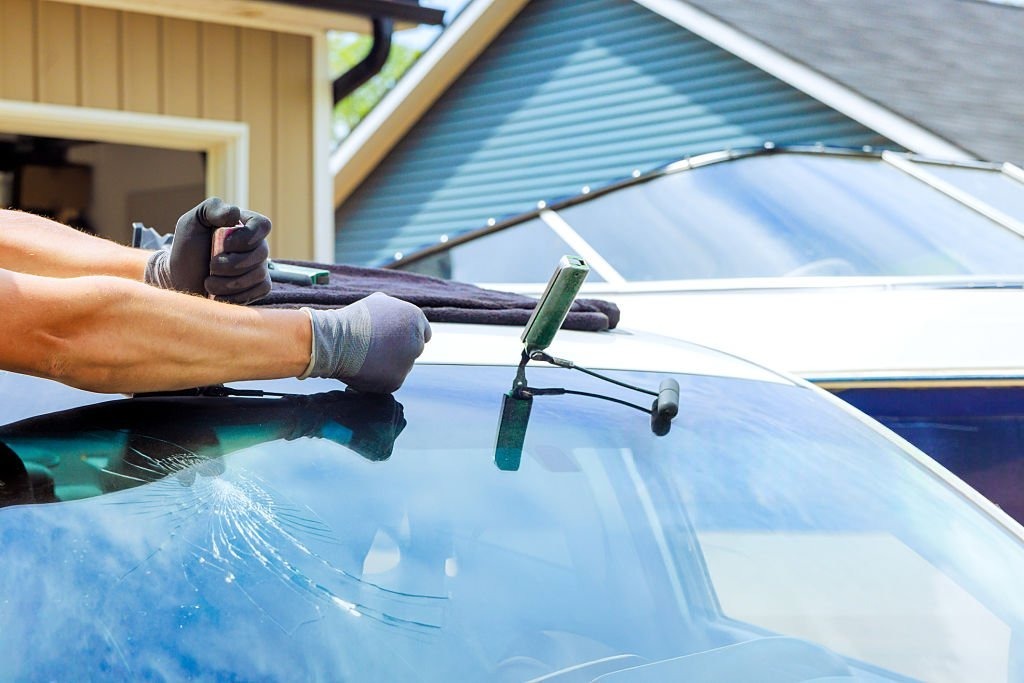
If you’ve ever driven through Fenton on a quiet road and noticed a small chip on your windshield, you might have thought, “It’s no big deal—I’ll get to it later.” I get it. I’ve been in this business since the late 80s, and I’ve seen drivers wait weeks—sometimes months—before addressing a small crack.
It’s frustrating because the longer you wait, the worse it gets. What starts as a tiny blemish can turn into a sprawling spiderweb crack, and that’s when the real danger begins.
Back in the early ’90s, I remember a Sterling Heights client whose truck had a small chip from gravel while driving out of Fenton.
He delayed the repair, thinking it would hold. A week later, the crack had grown while he was driving on rough back roads. By the time he called, it was a full windshield replacement instead of a simple repair. This story isn’t unique—I’ve seen it hundreds of times. And each time, I wish drivers understood how avoidable the problem was.
Windshield damage isn’t just cosmetic. Modern vehicles rely on the windshield for structural integrity, especially in rollovers. ADAS systems, including lane departure warnings and collision sensors, are calibrated to your glass. A cracked windshield can compromise these systems, putting you, your passengers, and your family at risk.
The Top Reasons Fenton Drivers Delay Windshield Repair
Many drivers have their reasons for putting off repairs. Some are practical, some are misconceptions. Here’s what I hear most often:
1. “It’s Just a Tiny Chip”
A small chip might seem harmless, but under stress, temperature changes, or road vibrations, it can spread rapidly. Rural roads around Fenton, with gravel stretches and occasional farm equipment, create just the right conditions for cracks to expand. I often tell my customers: the windshield is like a helmet for your car. One weak spot can compromise the entire structure.
Quick fact: Even a 1-inch chip can develop into a crack in just a few days if ignored on rough roads.
2. Cost Concerns
Many people delay repairs because they fear the cost. But delaying often makes the repair more expensive. A simple chip repair typically costs under $65, whereas a full replacement can run $300–$600 or more, depending on your vehicle and ADAS requirements.
I had a customer near rural Fenton who waited three weeks thinking, “I’ll save some money.” When I arrived, the crack had spread across the driver’s side, and insurance covered the replacement—but the deductible and time lost were far more than if we had repaired it immediately.
3. Insurance Misconceptions
Some drivers assume insurance won’t cover small repairs or that filing a claim will raise their rates. In reality, many insurance policies cover chip repairs with no deductible, and filing small claims usually doesn’t affect your premium. I always advise: call your insurance provider before delaying. You may be surprised at how easy it is to fix a minor chip at no extra cost.
4. Lack of Awareness About Safety
Many drivers simply don’t realize the risks. A cracked windshield affects airbag deployment, structural integrity, and even ADAS systems.
I remember working on a Fenton SUV where the crack ran directly in front of the lane departure camera. The owner had no idea the warning system was malfunctioning until we performed an inspection. It’s not just glass—it’s safety technology that’s at stake.
5. Thinking DIY Is Enough
DIY repair kits can be tempting, especially if you’ve got a small chip. But these kits rarely provide a professional-grade fix.
Moisture contamination, improper resin curing, and misalignment of ADAS cameras are common problems with DIY fixes. I’ve seen chips “repaired” at home that ended up spreading further within a few days. Mobile or shop technicians use OEM or OEM-equivalent glass, AGSC-approved resins, and controlled conditions to ensure durability.
6. Scheduling and Convenience
Fenton drivers often delay repairs because they think it’s inconvenient to drive into town or wait at a shop. That’s why mobile auto glass service is so valuable. We bring everything to your home, farm, or workplace, and complete most repairs in under an hour. For rural drivers, this convenience eliminates long trips, unsafe drives, and unnecessary stress.
The Consequences of Delay
Ignoring a chip or small crack isn’t harmless—it can turn a minor inconvenience into a major safety hazard faster than most drivers realize. Here’s what happens when repairs are delayed:
Cracks Spread:
Even a tiny chip can expand rapidly due to road vibrations, temperature fluctuations, or simple pressure from washing the car. Rural roads around Fenton, with their gravel, potholes, and uneven surfaces, accelerate this process. What starts as a small blemish can turn into a spiderweb crack that stretches across the entire windshield, sometimes in just a few days.
Higher Costs:
A quick chip repair typically costs under $100, but ignoring it can transform the repair into a full windshield replacement, which may range from $300–$600 or more depending on your vehicle and ADAS systems. Waiting too long can also complicate insurance claims, sometimes making coverage trickier or forcing drivers to pay higher deductibles.
Safety Risks:
Your windshield isn’t just glass—it’s an integral part of your vehicle’s structure. It supports airbag deployment, contributes to roof strength in a rollover, and ensures ADAS systems like lane departure warnings, forward-collision alerts, and cameras function properly. A compromised windshield reduces protection for everyone inside the vehicle.
Insurance Hassles:
Minor chip repairs often require no deductible and are straightforward to process. Delay until a full replacement is needed, and suddenly you’re filing a large claim, dealing with paperwork, and possibly paying higher premiums.
I’ve personally seen cracks spread from one side of a windshield to the other in less than a week, especially during Fenton’s cold winter mornings when frost settles on already weakened glass. The lesson is clear: small issues ignored today become expensive and dangerous problems tomorrow.
Mobile vs Shop Repairs
Mobile auto glass repair is a game-changer for Fenton drivers, particularly those in rural areas who face long drives on gravel or icy roads to reach a shop. Unlike traditional repairs that require driving a vehicle with compromised glass, mobile repair brings the shop directly to you.
Mobile Advantages Include:
Fast Response and Minimal Downtime:
Many mobile repairs are completed in under an hour, saving you time and preventing unnecessary risk of driving on a damaged windshield.
Controlled Environment for Resin Curing:
Mobile vans are equipped to handle extreme temperatures, moisture, and other environmental factors, ensuring the resin bonds correctly and the repair lasts.
ADAS Calibration On-Site:
Modern vehicles rely heavily on cameras and sensors mounted on the windshield. Mobile technicians can recalibrate lane departure systems, forward-collision cameras, and other ADAS features right at your location.
Avoids Risky Travel:
For rural Fenton residents, avoiding trips on gravel roads or highways with a cracked windshield reduces the chance of further damage or accidents.
I remember a case back in 1999 when a truck hit a gravel patch outside Fenton. The client didn’t want to risk driving into town with a compromised windshield. Our mobile team arrived on-site, completed a full replacement, and recalibrated the ADAS system—all in under two hours.
The client left impressed, safe, and stress-free. Mobile service is not just convenient; it’s a crucial safety option for rural drivers.
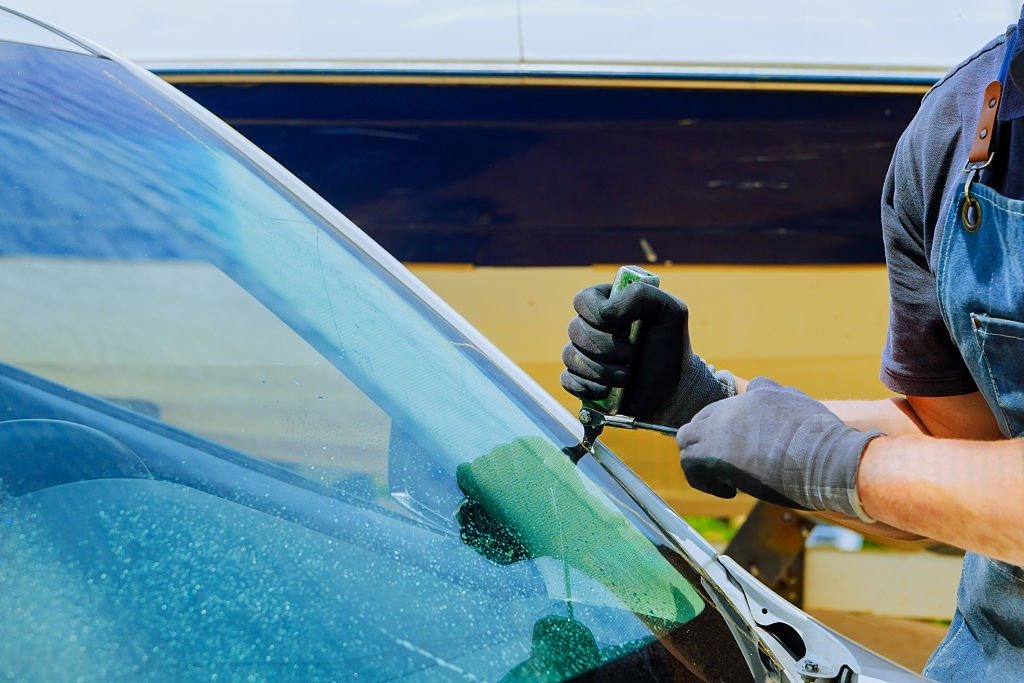
Pro Tips for Fenton Drivers
Even with professional service available, there are steps every driver can take to minimize damage and prevent chips from spreading:
- Avoid Following Gravel Trucks: Rocks kicked up from trucks or farm equipment are the leading cause of windshield chips on rural Fenton roads. Maintain a safe distance, especially on highways and unpaved roads.
- Repair Immediately: Don’t wait for a small chip to become a crack. Early repair is faster, cheaper, and much safer.
- Inspect Your Glass Regularly: Small chips or micro-fractures can be invisible at first glance. Regular checks allow early detection, which can save you hundreds in replacement costs.
- Protect from Temperature Shock: Avoid pouring hot water on icy windshields. Sudden temperature changes create stress lines that can worsen chips. Instead, allow defrosting gradually or use the car’s defrost system.
- Use Professional Mobile Service: Ensures proper resin curing, uses AGSC-approved adhesives, and provides ADAS recalibration when needed. This guarantees the repair lasts and your vehicle remains safe.
Key Takeaways
Delaying windshield repair might seem harmless, but the risks far outweigh the convenience of waiting. Immediate action provides several key benefits:
- Preserves Vehicle Structure: A repaired or replaced windshield maintains the integrity of your car’s roof, airbag system, and overall safety.
- Keeps ADAS and Safety Systems Functioning Properly: Cracks near sensors can lead to false alerts or system failure; timely repairs prevent these issues.
- Reduces Costs and Insurance Complications: Early repair is significantly cheaper and simpler to claim than full replacements.
Prevents Unnecessary Stress for Rural Drivers: Mobile repair eliminates long trips, unsafe driving, and the worry of worsening damage.
FAQs
How long does a windshield repair take?
Most minor chip repairs can be completed in 30–45 minutes, depending on the size and location of the damage. Full windshield replacements, especially on vehicles with ADAS cameras or sensors, usually take 1–2 hours, including proper calibration and curing time.
Mobile services often provide faster turnaround since they bring all tools and materials directly to your home, farm, or workplace, eliminating the need to drive on a cracked windshield.
Seasonal conditions, such as extreme cold in Fenton winters, may slightly extend curing times, but mobile technicians are equipped to handle these challenges efficiently. Prompt repair ensures you’re back on the road safely without unnecessary delays.
Is OEM glass worth it?
Absolutely. OEM (Original Equipment Manufacturer) glass or OEM-equivalent glass is designed specifically for your vehicle, ensuring a perfect fit, structural integrity, and proper alignment for ADAS systems like lane departure warnings, forward-collision cameras, and automatic braking.
Aftermarket or cheap glass may save a few dollars initially, but it often fails under temperature extremes or doesn’t properly support safety systems, which can compromise both protection and warranty coverage. Using OEM glass provides peace of mind, long-lasting durability, and ensures your vehicle performs as intended in both normal driving and emergency situations.
Can weather affect repair timing?
Yes, weather plays a major role in windshield repair. Extreme cold, rain, or moisture can prevent the resin from curing properly, leading to a weak bond or an incomplete repair.
On icy Fenton mornings, pouring hot water on a windshield can even worsen a chip due to thermal shock. Mobile repair vans are equipped with temperature-controlled setups to maintain optimal conditions for resin curing, ensuring repairs are strong, durable, and safe regardless of outdoor weather. That’s why professional mobile service is often the safest and most reliable solution, especially in winter or during wet conditions.
Do modern vehicles require ADAS recalibration?
Yes. Most modern vehicles with cameras or sensors mounted on or near the windshield require recalibration after a repair or replacement. ADAS systems—like lane departure warnings, collision alerts, or automatic braking—rely on perfectly aligned glass to function correctly.
Even a small misalignment can trigger false alerts or prevent safety systems from working when you need them most. Professional mobile technicians handle this on-site using specialized equipment, ensuring your ADAS systems are fully calibrated and your vehicle remains safe for everyday driving.
Will insurance cover repairs?
In most cases, yes. Many insurance policies cover windshield chip repairs and full replacements, whether performed in a shop or via mobile service. Minor chip repairs often have no deductible, making early repair not only safer but also cost-effective.
Delaying repairs can lead to larger cracks that may require full replacement, potentially involving deductibles or full claims. It’s always a good idea to call your insurer immediately when you notice damage; most Fenton drivers are surprised how easily small repairs are covered under their existing policy.
How can I stop cracks from spreading before repair?
Before professional repair, there’s no guaranteed way to stop a chip from spreading. Temporary measures like tape or stickers may slow debris entry but won’t prevent expansion caused by road vibrations, temperature changes, or pressure.
The best approach is to avoid rough roads, sudden temperature swings, or highway driving until the chip can be repaired. Promptly scheduling mobile or professional service ensures the crack doesn’t worsen and prevents higher repair costs, safety risks, or damage to ADAS systems. Early intervention is always the safest and most cost-effective strategy.
Conclusion
Over three decades in auto glass, I’ve seen the same mistake again and again: Fenton drivers ignoring small chips until they turn into major safety hazards. Windshield damage isn’t just cosmetic—it’s structural, technological, and potentially life-threatening.
Delaying repair increases costs, compromises safety, and stresses ADAS systems. Mobile or professional service ensures a fast, safe, and reliable fix without disrupting your day. Don’t wait until a tiny chip becomes a full replacement. Your windshield is more than glass—it’s your vehicle’s first line of defense.