
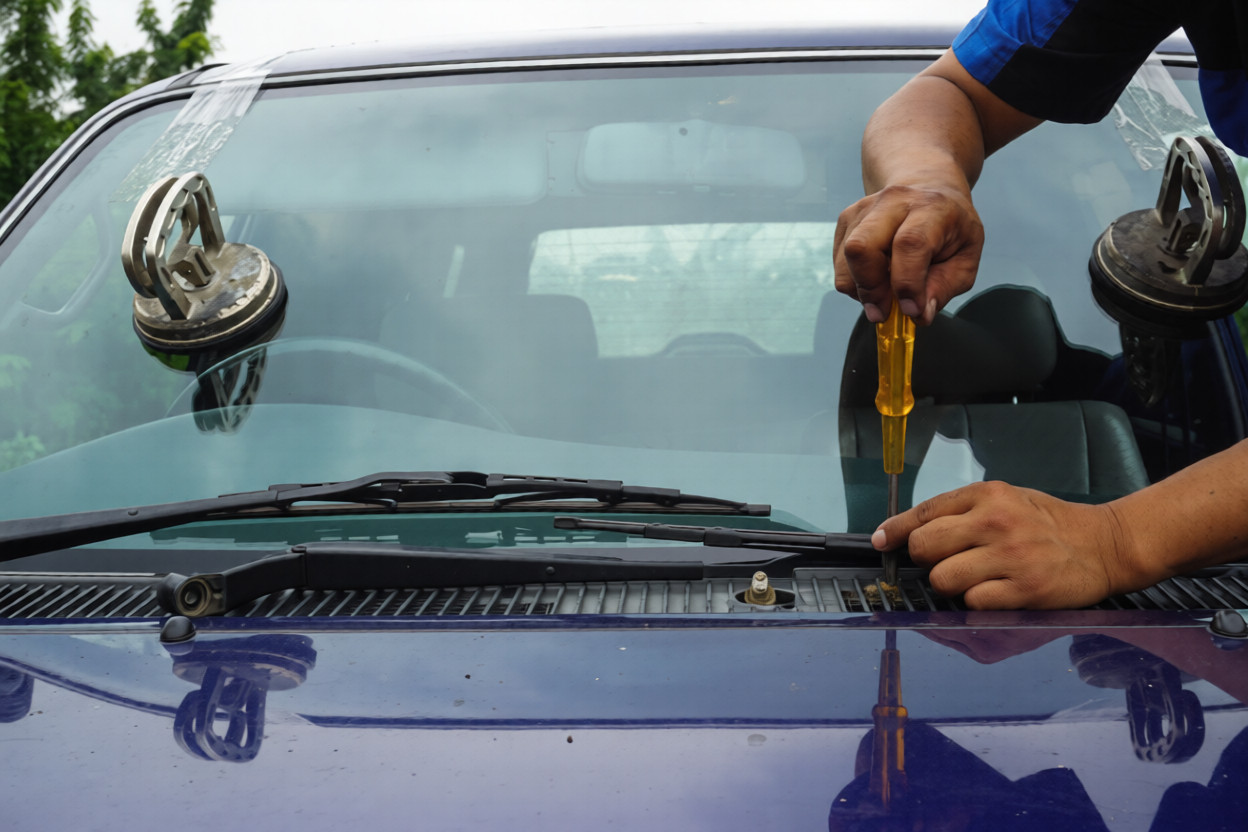
You’re loading the kids into the car for a weekend getaway, the sun just peeking over Fenton’s quiet streets, and then it hits you—a thin, jagged line across your windshield. Your heart sinks. Questions flood your mind: Can I still make the trip? Will the crack spread? Am I putting my family at risk?
I’ve seen this scene hundreds of times. Drivers call frantic, hoping they can complete a trip without disaster. Back in the early ’90s, I remember a family leaving Sterling Heights for Traverse City.
A minor chip turned into a spider web halfway through, all because the crack had been ignored. No one was hurt, but it was a costly lesson—and one that could have been avoided.
Understanding the risks, and what steps to take next, can save you money, stress, and most importantly, keep you safe on the road.
Why Windshield Damage Matters More Than You Think
Your windshield isn’t just a piece of glass. Think of it as your car’s helmet. It protects you and your passengers, and it supports critical safety systems. Modern windshields host ADAS (Advanced Driver Assistance Systems) cameras, lane assist sensors, and rain-sensing wipers. A crack in the wrong place doesn’t just look bad—it can compromise safety systems.
Structurally, windshields support roughly 45% of your car’s roof in a rollover. A crack near the edges or in your direct line of sight can weaken the entire structure. On long drives, constant vibration, wind pressure, and temperature changes can turn a minor chip into a major hazard.
Insurance also comes into play. Many policies may deny claims if damage is ignored and leads to an accident. This is why assessing your windshield’s condition before a long trip is crucial.
Common Types of Windshield Damage
Not all cracks are created equal, and recognizing the type of damage is critical for deciding whether a repair will suffice or a full replacement is necessary. On Fenton roads, the damage I see most often includes:
Bullseye Chips
- These are small, circular impact marks usually caused by a single piece of gravel or road debris.
- They often appear as a dark ring surrounding a lighter center and may be tiny at first, but can grow if left untreated.
- While low-risk initially, highway speeds and repeated vibrations can cause them to expand into star cracks over time.
- Early repair is usually quick and inexpensive, often preserving the original windshield.
Star Cracks
- Radiating cracks that spread from a central impact point, much like the spokes of a wheel.
- They typically result from stones kicked up by other vehicles, especially on gravel or poorly maintained roads.
- Star cracks are more unstable than bullseyes, particularly during long drives, because vibration and temperature changes accelerate spreading.
- If caught early, some star cracks can be repaired; otherwise, replacement may be necessary.
Combination Cracks
- These involve both bullseye and star patterns, often caused by repeated stress, temperature fluctuations, or successive impacts in the same area.
- They compromise the windshield’s structural integrity and almost always require a full replacement.
- Drivers often mistake them for minor chips, but combination cracks are one of the fastest-growing types of damage.
Edge Cracks
- Begin at the perimeter of the windshield, where the glass is most vulnerable.
- These cracks are particularly dangerous because stress from vibration or wind pressure can cause the glass to shatter.
- Edge cracks almost always necessitate replacement, as repair rarely restores the structural strength needed for safety or ADAS calibration.
Identifying the type of damage early can prevent minor repairs from turning into costly replacements and keeps your vehicle safe during long drives.
Why Long-Distance Driving Worsens Cracks
Driving long distances adds significant stress to a compromised windshield. Even a small chip can quickly become a safety hazard when exposed to:
Vibration:
Highways, potholes, and gravel roads shake the glass continuously. Even subtle vibrations can cause micro-cracks to expand into spiderweb patterns.
Temperature Swings:
Glass expands in heat and contracts in cold. Rapid changes, like driving from a sunny area into a shaded or air-conditioned environment, exacerbate crack growth.
Wind Pressure:
At highway speeds, wind pushes against weakened areas, forcing cracks to spread faster than they would in city driving.
Moisture Intrusion:
Rain, snow, or even condensation can seep into cracks, weakening temporary repairs and further expanding damage.
I once had a client drive from Fenton to Mackinaw City with a tiny star chip. Halfway there, it had spidered across the entire windshield. What started as an $80 repair quickly became a $400 replacement. Long-distance driving puts extra strain on already compromised glass—never underestimate even a minor crack before a trip.
How to Assess Your Windshield Before a Road Trip
Before hitting the road, take a careful look at your windshield:
- Location: Cracks in your line of sight or near edges are high-risk. A minor crack in the center may be less dangerous than one near the driver’s view or perimeter.
- Size and Depth: Chips over six inches, or deep enough to feel with your fingernail, require professional attention.
- Number of Chips: Multiple chips weaken the overall structure and increase the likelihood of shattering.
- Weather Conditions: Extreme heat, cold, or wet conditions can accelerate crack growth.
- Vehicle Use: Consider whether your trip involves highways, gravel roads, or mountainous routes—these increase vibration and stress.
If you’re unsure about the windshield’s safety, it’s best not to risk a long drive until a professional has evaluated it. A quick inspection can prevent accidents and save thousands in repairs.
Professional Repair vs DIY Kits
DIY kits might temporarily fill small chips, but they are rarely reliable for long-distance safety. Common problems include:
- Resin failing to penetrate the chip fully, leaving weak spots.
- Air bubbles forming, which expand under vibration.
- Misaligned ADAS sensors if the crack is near cameras.
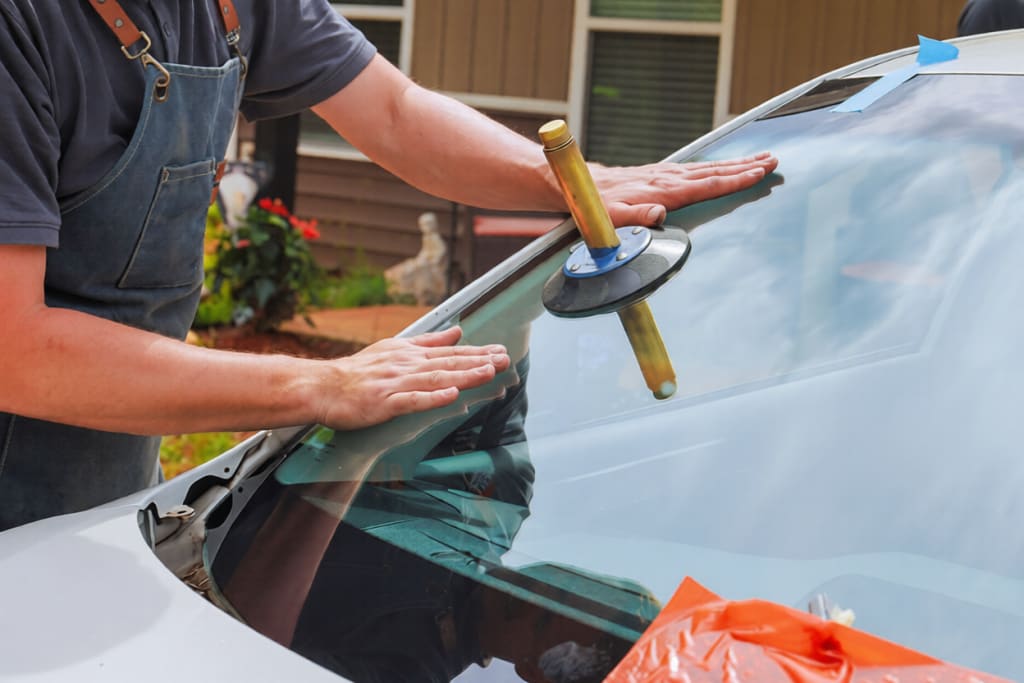
Professional repairs using AGSC-approved resin and OEM glass ensure:
- Proper bond strength that restores structural integrity.
- Accurate ADAS recalibration for lane assist, collision warnings, and rain sensors.
- Long-lasting repairs that can withstand temperature swings and road vibration.
ADAS Systems: Why They Matter
Modern vehicles increasingly rely on Advanced Driver Assistance Systems (ADAS), including collision warnings, lane-keeping, automatic braking, and rain-sensing wipers. A crack near the camera or sensor can:
- Misalign the sensors, causing false warnings or complete system failure.
- Compromise safety features during long drives, especially at highway speeds.
I remember a 2018 Honda Accord with a chip near the lane-assist camera.
On a 150-mile trip, the system malfunctioned, and the driver experienced intermittent alerts. After professional repair and ADAS recalibration, the systems functioned perfectly, preventing further issues and keeping the driver safe.
Seasonal Considerations in Fenton
Fenton’s climate can accelerate crack growth:
- Summer Heat: Glass expands in high temperatures, causing chips to spread faster.
- Winter Freeze-Thaw: Water in cracks freezes, expands, and spiderwebs damage across the windshield.
- Rain or Ice: Reduces visibility and weakens temporary repairs, making cracks grow more quickly.
Even a small chip can escalate into a serious problem under these conditions, which is why seasonal awareness is crucial before any long-distance trip.
Real-Life Long-Distance Cases
Case 1: The Family Trip
A family drove 200 miles from Fenton to Traverse City with a minor crack. Continuous vibration and wind pressure caused the crack to spider across the windshield, necessitating an emergency replacement.
Case 2: The Daily Commuter
A commuter ignored an edge crack on their vehicle. During a 100-mile work trip, potholes worsened the damage, turning a $90 repair into a $400 replacement.
These stories emphasize the importance of addressing even minor damage before long trips. Early attention saves money, time, and prevents accidents.
Safety Risks of Driving Long Distances
Driving long distances with a cracked windshield can:
- Cause Shattering: Edge cracks or large chips may fail under stress.
- Reduce Visibility: Cracks distort vision, increasing accident risk.
- Weaken Structure: The windshield supports the roof; damage compromises safety in rollovers.
- Interfere with ADAS: Misaligned sensors may fail or give false alerts.
Even small cracks are a gamble on long trips. Prioritize repair or replacement before hitting highways.
Repair and Replacement Options
Mobile Windshield Repair
- Convenient for busy Fenton drivers.
- Repairs minor chips before they spread.
- Typically completed in 30–45 minutes at your location.
In-Shop Replacement
- Necessary for edge cracks, large chips, or structural compromise.
- Ensures proper ADAS calibration.
- Uses OEM-grade glass and AGSC-approved adhesives.
Pro Tip: Minor chips deserve professional attention before any long-distance travel. Don’t assume “it will hold”—even a short highway drive can make damage worse.
DIY vs Professional: Why Experience Matters
I’ve trained countless technicians and seen the consequences of cheap or careless installations:
- Low-quality glass cracks easily
- Poor adhesives compromise strength
- ADAS cameras misaligned
- Moisture contamination ruins repairs
Professional service is essential—it’s the difference between a safe trip and a potential accident.
FAQs
Can I drive 50 miles with a small chip?
Technically, yes—you might be able to drive 50 miles with a small chip without immediate failure. However, even minor chips are vulnerable to stress from:
Vibration: Gravel roads, potholes, or even highway bumps can make the chip spiderweb.
Temperature changes: Heat causes the glass to expand; cold causes contraction. Rapid swings accelerate crack growth.
Wind pressure: At higher speeds, the glass is under extra stress.
Does insurance cover long-distance windshield repair?
Most comprehensive auto insurance policies do cover windshield repairs, even if you’re planning a long drive. Key points to remember:
Prompt documentation: Take photos and report the damage as soon as possible. Delays can affect coverage.
OEM glass and AGSC-approved adhesives: Insurance providers often require professional-grade materials for claims. Aftermarket or DIY repairs may not be accepted.
Policy specifics: Coverage can vary depending on your deductible and provider. Some policies cover full replacements, while others may cover only repairs.
Do I need ADAS recalibration after a long drive with a crack?
Yes. If a crack is near any Advanced Driver Assistance System (ADAS) cameras or sensors, even driving a short distance can misalign them. Why it matters:
Misaligned sensors can trigger false alerts or cause systems like lane-keeping, automatic braking, and collision warnings to malfunction.
Long trips amplify risk because vibration, wind pressure, and temperature changes can shift the glass slightly, affecting calibration.
Professional repair restores structural integrity and allows technicians to recalibrate ADAS, ensuring your vehicle’s safety systems function correctly.
Will rain worsen a chip on a long trip?
Absolutely. Moisture can sneak into small cracks, undermining temporary repairs and increasing the risk of spreading. Key points:
Water intrusion: Rain, snow, or ice can penetrate the chip, causing expansion when freezing occurs.
Reduced structural support: Moisture weakens the bond in DIY-filled chips or untreated areas.
Visibility issues: Water collects in cracks, distorting your view and increasing risk during highway speeds.
What’s safer: repair or replacement before a road trip?
It depends on the type and location of the damage:
Repair: Suitable for minor bullseye or star chips under two inches, away from ADAS cameras and the driver’s direct line of sight. Quick, affordable, and prevents cracks from spreading during long drives.
Replacement: Necessary for edge cracks, combination cracks, multiple chips, or damage near sensors. This restores structural integrity and ensures all safety systems work correctly.
Key Takeaways
- Driving long distances with a cracked windshield is risky.
- Minor chips can grow, especially at highway speeds.
- ADAS systems may be compromised.
- Professional repair or replacement is essential.
- Mobile services offer convenience for Fenton drivers.
Conclusion:
I remember a client in 1997 who took a 200-mile trip from Fenton with a minor star chip. Halfway there, the crack spidered across the glass, forcing an emergency stop and full replacement. That memory has stuck with me: a windshield is your car’s helmet. Don’t gamble with it.
Before any long drive, schedule a professional repair or replacement. Ensure ADAS systems function correctly, and protect your passengers.
Share this article with friends and family in Fenton planning long trips—it could save lives.