
If your windshield wipers stop working in the middle of a heavy Fenton rainstorm, you know that sinking feeling. Visibility drops, traffic seems faster, and suddenly what felt like a minor annoyance becomes a full-on safety emergency. That’s usually when folks ask me, “Revin, how much does it cost to repair a windshield wiper motor?”
I’ve been fixing cars and windshields since the late ’80s, long before mobile repair vans had air compressors and before I-CAR certifications were standard. Back then, I remember a Sterling Heights customer whose wiper motor failed during a sudden snow squall.
The motor was shot, and the car had to sit in the shop overnight. The cost? Enough to make him swear he’d never ignore wiper maintenance again.
Today, I want to walk you through everything about windshield wiper motor repair: what the motor does, why it fails, the costs you can expect, DIY vs professional repair, and tips to avoid surprises.
What Is a Windshield Wiper Motor and Why It Matter?
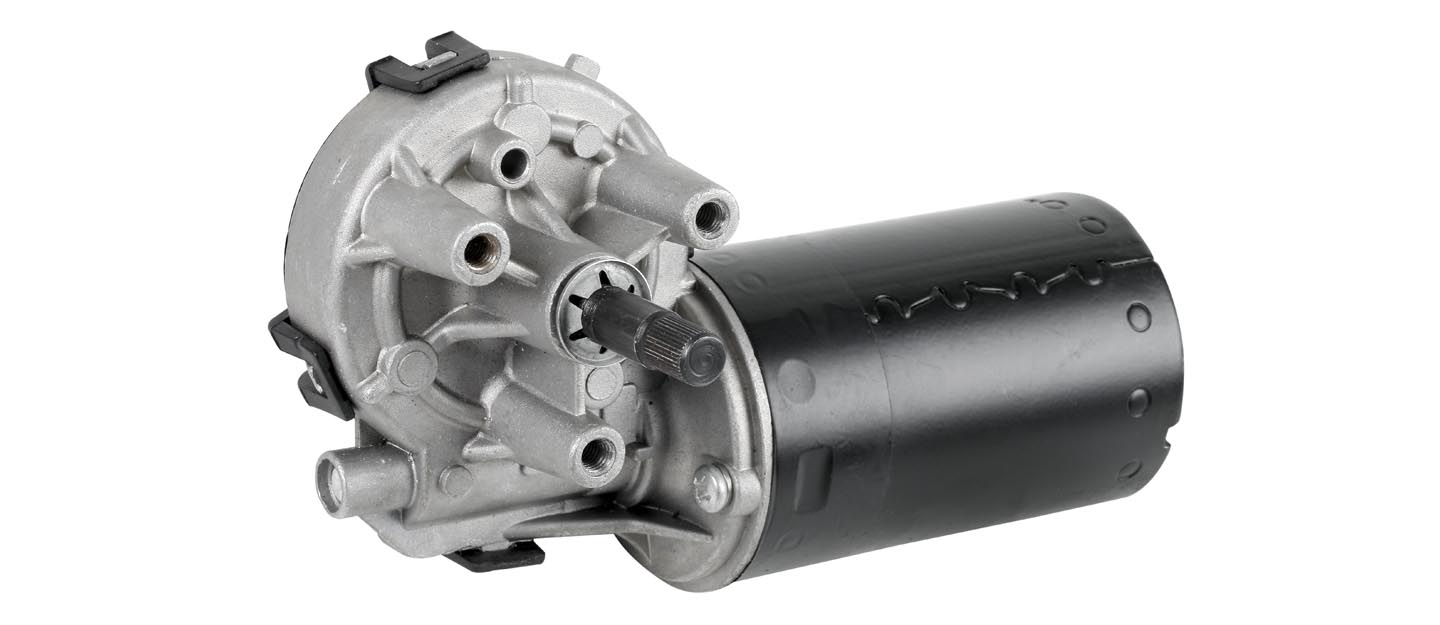
A windshield wiper motor is the heart of your wiper system. It converts electrical energy into motion that moves your wipers across the windshield. Without it, the wipers won’t move, leaving you blind in rain, snow, or even dust storms.
Back in the early ’90s, wiper motors were simpler. They had fewer electronics and fewer speed options. Today, some wiper motors sync with rain sensors, ADAS cameras, and automatic speed adjustment. That’s why modern repairs can be trickier—and sometimes more expensive—than they used to be.
Driving with a faulty wiper motor isn’t just inconvenient—it’s dangerous. Rain reduces visibility drastically, and a failed motor during a storm can turn an ordinary drive into an accident risk.
Common Causes of Wiper Motor Failure: Why Your Wipers Stop Working and How to Prevent It
Understanding why a wiper motor fails can save you both money and major headaches on the road. Wiper motors may seem simple, but they endure constant wear, exposure to the elements, and electrical stress. Knowing the common causes can help you catch issues early and avoid costly replacements.
Wear and Tear:
Over time, the brushes inside the motor naturally wear down from constant movement. This is the most common cause of failure, especially in older vehicles or those driven frequently in rain or snow. Even if your wipers seem fine, worn brushes reduce motor efficiency and can eventually cause the motor to seize. Regular inspection every year can prolong motor life.
Electrical Issues:
Corroded connectors, blown fuses, or loose wiring can interrupt power to the motor. Modern vehicles have complex circuits that integrate wipers with rain sensors, ADAS cameras, and sometimes even automatic headlight systems.
A single electrical fault can make the motor stop entirely or cause erratic movement. Keeping the connectors clean and checking for fuse integrity is key.
Mechanical Strain:
Heavy snow, ice, or debris on the windshield can overload the motor. Forcing wipers through frozen snow or stuck leaves creates extra stress that burns out internal gears or the motor itself. Always remove snow and debris by hand before activating wipers, especially during Fenton winters.
Neglect:
Running wipers on a dry windshield may seem harmless, but it increases friction, heating, and wear on the motor. Neglecting basic maintenance, like replacing worn wiper blades or using washer fluid, can shorten motor lifespan significantly.
Debris and Moisture:
Older motors can be compromised by water and grime seeping in over time. Rusted or dirty internal components cause resistance, overheating, and eventual failure. Seasonal checks, especially after rainstorms or dusty road conditions, can prevent this.
I remember one client in Fenton who drove through a dust storm without using washer fluid. Tiny sand particles built up inside the motor, and by spring, the motor was squealing and finally failed. Simple maintenance could have avoided a costly replacement and a stressful drive in the rain.
Step-By-Step: How a Wiper Motor Is Repaired – From Diagnosis to Reinstallation
Not every motor needs a full replacement. Often, a careful inspection and targeted repair can restore function quickly. Here’s the detailed process we follow at Save On Auto Glass:
1. Diagnosis:
The first step is always a thorough diagnosis. This includes checking for blown fuses, broken relays, damaged wiring, or worn internal components. Electrical continuity tests identify faults before any physical repair is attempted.
2. Motor Testing:
The motor is removed from the vehicle to test its operation outside the car. This ensures the motor is functioning properly and identifies whether internal repairs are needed or if a full replacement is the best solution.
Repair Options:
- Brush Replacement: If the brushes inside the motor are worn, we replace them. This simple fix can restore full function and extend the motor’s life without needing a full replacement.
- Gear Repair: Stripped or damaged gears can be rebuilt or replaced individually. This avoids the cost of an entire new motor while ensuring reliable performance.
- Full Replacement: If repair isn’t feasible, we replace the motor with OEM or OEM-equivalent parts to maintain structural integrity and ensure proper integration with any ADAS features.
Reinstallation and Testing: The repaired or replaced motor is reinstalled, and the wipers are tested across all speeds. Rain sensors and any automatic functions are checked to ensure proper operation.
Electrical Check: Finally, all fuses, connectors, and wiring are confirmed secure. This prevents future failures and ensures the motor operates safely under all conditions.
DIY vs Professional Repair: When to Call a Pro and Why
While some minor motor issues might be tempting to fix yourself, modern vehicles make professional intervention the safer choice.
DIY Pros:
- Can save money if the repair is minor, like replacing worn brushes.
- Quick for mechanically inclined individuals with the right tools.
DIY Cons:
- Incorrect wiring can damage the motor or other vehicle systems.
- Risk of misaligning rain sensors or ADAS cameras.
- Labor-intensive, time-consuming, and may void your vehicle warranty.
Professional Repair Benefits:
- Use of correct OEM or equivalent parts ensures longevity.
- Proper testing, calibration, and alignment keep safety systems intact.
- Avoids costly mistakes that can turn a $50 DIY repair into a $500 emergency.
At Save On Auto Glass, we use quality tools, testing procedures, and industry experience to ensure that every wiper motor repair is safe, reliable, and long-lasting.
Signs Your Wiper Motor Needs Attention: Early Warnings Before Complete Failure
Catching a failing wiper motor early can prevent dangerous driving situations:
- Slow or Stuttering Wipers: Indicates worn brushes or mechanical resistance.
- Unusual Noises: Grinding, squealing, or clicking can point to gear or motor issues.
- Wipers Stop Mid-Swipe or Don’t Park Properly: Suggests electrical or mechanical failure.
- Intermittent Operation: Motor may work at some speeds but fail at others.
- Repeated Fuse Trips: Could signal a short circuit or motor overload.
I had a Fenton driver notice a squealing motor during light rain. Ignoring it for just one week led to complete motor failure in a heavy storm, creating both danger and an emergency repair bill. Early attention saves money and ensures safety.
Weather and Maintenance Considerations: Protecting Your Wiper Motor Year-Round
Fenton’s unpredictable weather makes preventive care essential:
- Snow and Ice: Never force wipers through frozen snow. Clear manually to prevent motor overload.
- Heat: Prolonged sun exposure can degrade rubber blades, increasing motor strain. Use sunshades or park in covered areas when possible.
- Rain: Always use washer fluid to avoid dry friction that can stress the motor.
Pro Tip: Lifting wipers during winter avoids ice build-up and reduces motor strain. Regular seasonal inspections, lubrication, and blade replacement extend motor life and prevent sudden failures.
Insurance and Warranty Tips: When You Don’t Have to Pay Out-of-Pocket
Some insurance policies cover wiper motor repair if damage is caused by accidental incidents such as hail, fallen branches, or collisions. Manufacturer warranties may also cover motor failure under normal use for newer vehicles.
Always check your policy or warranty before paying for repairs. Sometimes, a call to your insurance provider or dealership can save you hundreds in repair costs. Documenting damage promptly and keeping maintenance records strengthens your claim.
Key Takeaways
- Wiper motor failure is common, especially in older vehicles.
- Costs vary: $80–$650 depending on repair type and vehicle.
- Early diagnosis prevents bigger repair bills.
Professional repair preserves safety, especially with ADAS-equipped vehicles.
FAQs
How long does a wiper motor repair take?
Simple repairs, such as replacing worn brushes or cleaning electrical contacts, typically take 30–60 minutes.
Full replacements, especially on modern vehicles with integrated ADAS cameras or rain-sensing wipers, may take 1–2 hours, including recalibration and testing.
Mobile repair services often complete these same-day, minimizing inconvenience. Scheduling repairs early prevents waiting for parts or additional damage that could extend repair time.
Can I drive with a failing wiper motor?
Technically, you can, but it’s highly risky. A partially working motor can fail completely during sudden rain or snow, leaving you without visibility at critical moments.
Even slow or stuttering wipers reduce reaction time and increase accident risk. Driving in such conditions is not only unsafe for you but also for others on the road. Early repair ensures safety and peace of mind.
Is OEM motor worth the extra cost?
Absolutely. OEM or OEM-equivalent motors are designed to fit your vehicle perfectly, last longer, and maintain compatibility with ADAS systems, rain sensors, and automatic wiper functions.
Aftermarket motors may be cheaper upfront, but they can wear faster, misalign sensors, and potentially trigger warning lights. For modern cars, investing in OEM ensures reliable operation and protects your vehicle’s electronics.
Can rain or snow damage a wiper motor?
Yes, particularly in older motors with compromised seals. Excess moisture can short out electrical components or cause corrosion inside the motor. Ice or heavy snow can also put mechanical strain on the motor, leading to premature failure.
Regular inspection, proper blade use, and keeping seals intact prevent most weather-related problems. Seasonal maintenance is key to extending motor life.
Will insurance cover wiper motor replacement?
Sometimes. Insurance typically covers accidental damage, like a fallen tree limb, hail, or collision impact. However, wear-and-tear failures or neglected maintenance usually aren’t covered.
Checking your policy beforehand and documenting damage can help you understand coverage limits and potentially reduce out-of-pocket costs. Manufacturer warranties may also cover motor failure in newer vehicles.
Why do motors fail faster in some cars?
Several factors accelerate motor wear: integrated electronics, heavier wiper blades, frequent use in harsh weather, and improper maintenance.
Vehicles with rain-sensing or automatic wipers place more demands on the motor. Similarly, cars driven in snowy or dusty conditions endure extra mechanical strain. Understanding these risks allows drivers to take preventive measures and avoid sudden failure.
Can I fix a motor myself?
Minor issues, like replacing brushes or checking fuses, can sometimes be handled with basic mechanical skills.
However, DIY repair carries risks: incorrect wiring, misaligned sensors, and voided warranties are common problems. Professional repair ensures proper calibration, correct parts, and long-term reliability, especially for vehicles with ADAS systems. When in doubt, calling a certified technician is the safest option.
Conclusion:
A faulty windshield wiper motor may seem minor until a sudden storm hits. Reduced visibility during rain, snow, or dust storms can quickly turn a small annoyance into a serious safety hazard. Understanding the common causes, early warning signs, repair options, and maintenance tips can save both money and stress.
At Save On Auto Glass, we’ve repaired thousands of wiper motors for Fenton drivers, ensuring that every repair is safe, reliable, and ADAS-compatible. Whether it’s a simple brush replacement, gear repair, or full motor replacement, professional attention preserves your safety and keeps your wipers performing optimally.
Don’t wait until the next storm to discover your wipers are failing. If your wipers hesitate, stutter, or stop working altogether, call a certified technician immediately. Proactive care, early repair, and proper maintenance are far cheaper and safer than waiting for a total failure.
Share this guide with friends and family so no one gets caught unprepared in the next rainstorm—because safety and visibility aren’t worth risking.