I’m Ray. I’ve spent over 30 years repairing, replacing, and inspecting windshields in Sterling Heights and surrounding areas. From the thick glass of 90s sedans to today’s high-tech windshields equipped with cameras, sensors, and heads-up displays, I’ve seen how small cracks, left untreated, can escalate into serious safety hazards.
Many drivers think a tiny chip is harmless, but I’ve witnessed countless situations where a minor crack spread across the windshield in a matter of days. Not only does it affect visibility, but it can compromise structural integrity, interfere with airbags, and even cause sensor malfunctions in modern vehicles.
If you’re reading this, chances are you’ve noticed a chip or crack in your windshield and are wondering how to prevent it from spreading. In this article, I’ll explain the causes of crack propagation, temporary measures you can take immediately, why professional repair is essential, and best practices for long-term protection, all tailored for Sterling Heights drivers.
Understanding Why Windscreen Cracks Spread
Windscreen cracks develop and expand due to multiple factors, often interacting in ways that drivers don’t realize. One of the most critical factors is temperature stress. In Sterling Heights, winter temperatures can plunge well below freezing, while summer heat can create extreme differences between the inside and outside of your vehicle.
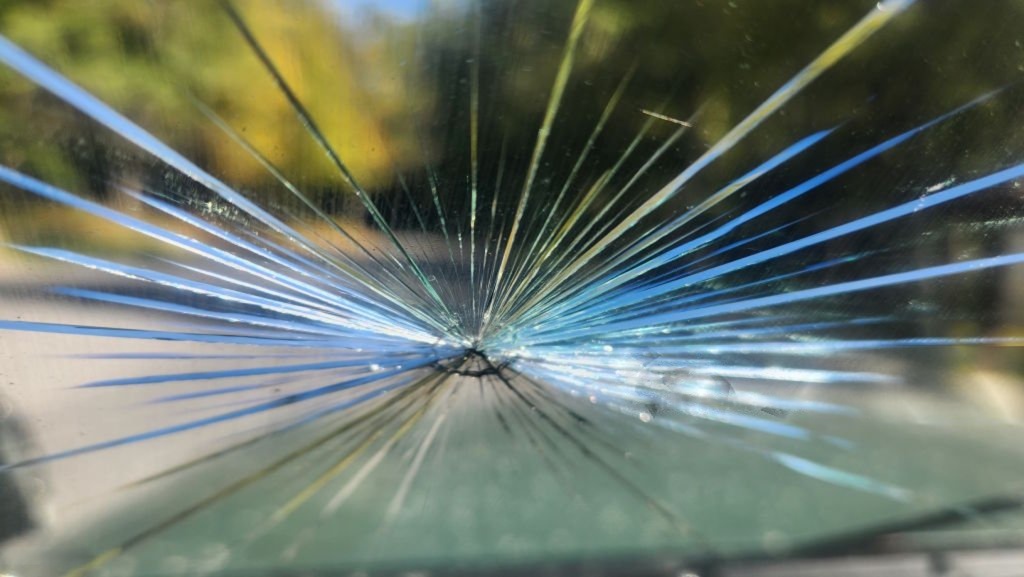
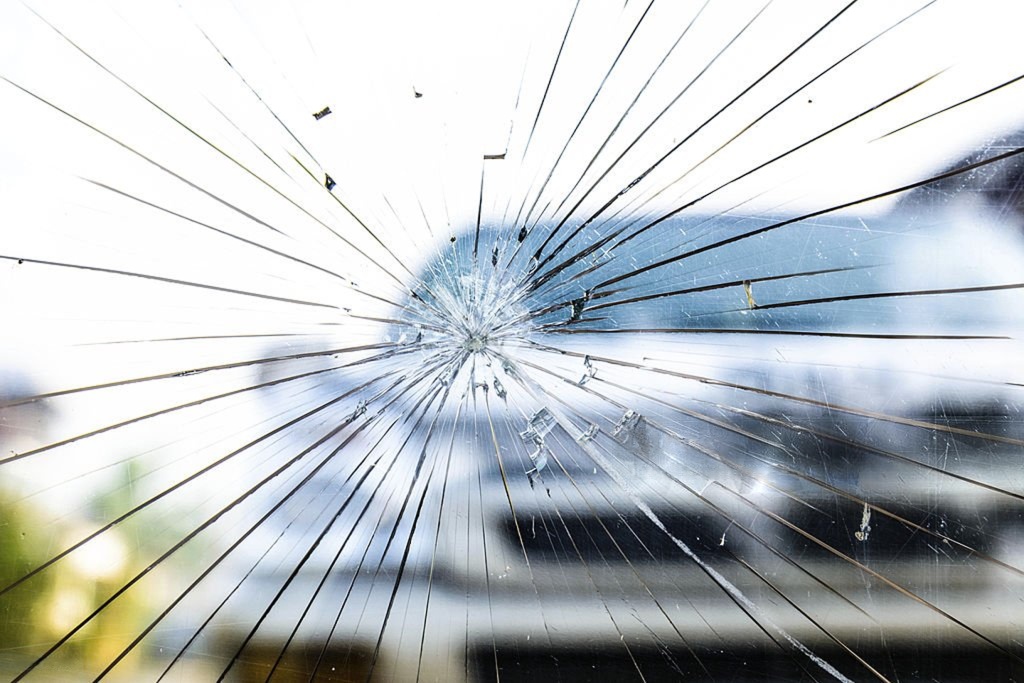
When glass contracts in cold weather and expands under heat, any pre-existing weakness can widen rapidly. I’ve seen a tiny star-shaped chip in January turn into a full windshield fracture within a week due to this freeze-thaw cycle.
Road conditions are another major contributor. Sterling Heights drivers frequently encounter potholes, gravel, and construction zones along M-59 and local streets. Even minor vibrations from these roads transmit forces directly through the windshield. Over time, these repeated impacts exacerbate micro-cracks, increasing the likelihood of propagation.
Moisture intrusion further accelerates growth. Snow, rain, or even condensation entering the crack can freeze, expanding the fissure and weakening the bond between layers of laminated glass. On vehicles equipped with ADAS systems, even a small crack can distort the optical properties of the windshield, causing cameras or sensors to misalign.
Finally, glass composition and quality play a crucial role. Laminated safety glass is designed to resist shattering, but low-quality or poorly manufactured glass may propagate cracks more quickly. High-quality glass from trusted brands maintains structural integrity longer, slowing the spread and making repairs more effective.
Understanding these causes helps drivers act quickly. Recognizing that even a minor crack is vulnerable to temperature changes, road vibrations, and moisture is the first step in preventing further damage.
Immediate Steps to Protect Your Windshield
Once a crack appears, the first 24–48 hours are critical to prevent spreading. Sterling Heights drivers can take several immediate precautions while waiting for professional service.
Temperature control is essential. Avoid blasting the heater on a frozen windshield or parking under direct sunlight during hot summer days. Rapid heating or cooling stresses the glass and encourages propagation. Keeping the interior of your car at a moderate temperature and parking in shaded or covered areas helps stabilize existing cracks.
Prevent moisture and debris intrusion. Small chips easily accumulate dirt or water, which weakens the glass and makes repairs more challenging. Using a soft cloth to gently clean the damaged area without scrubbing or using harsh chemicals prevents further weakening. A temporary protective barrier, such as clear packing tape or windshield-specific tape, can help seal the crack from moisture. Ensure it is smooth, flat, and fully covers the damaged area. Replace if it loosens or bubbles form.
Driving behavior also matters. Smooth acceleration, gentle braking, and avoiding rough terrain reduce the vibration stress on the glass. Even short trips over rough streets or hitting speed bumps aggressively can accelerate crack growth. Avoid automatic car washes until the windshield is repaired, as high-pressure water jets can force moisture into the crack.
Following these immediate steps doesn’t guarantee a permanent solution, but it significantly reduces the risk of propagation and buys time until professional repair can be performed.
Temporary DIY Measures and Their Limitations
Many drivers attempt DIY solutions to stop cracks from spreading, and while some can slow damage temporarily, they are never a full substitute for professional repair. Resin kits, available at auto parts stores, are a popular choice. These kits inject a bonding resin into the crack to prevent moisture from entering. When applied correctly, they can stabilize small cracks and allow safe short-term driving. However, improper use often leaves bubbles, optical distortion, or incomplete adhesion, which reduces effectiveness.
Other emergency methods include using superglue or clear nail polish. While these can block moisture, they do not restore the windshield’s structural integrity. I’ve trained many technicians who had to redo repairs because a customer attempted a DIY fix improperly.
It’s also important to note that curing time matters. Resin must fully harden to provide strength. Applying it incorrectly, driving too soon, or exposing it to temperature extremes during curing can cause the crack to worsen instead of improving.
The bottom line: DIY measures can buy time, but professional intervention is required for a reliable, long-term solution. Understanding these limitations helps Sterling Heights drivers make informed decisions while protecting their vehicles and passengers.
Professional Repair vs Replacement
When it comes to stopping a crack from spreading, professional repair and replacement are the gold standards. The decision depends on the crack’s size, location, and the vehicle’s technology.
Small chips, usually under one inch, can often be repaired with resin injection. Proper bonding ensures structural integrity and restores optical clarity. Medium cracks, from one to six inches, may also be repairable if they haven’t reached the edge. Speed is critical, as delays increase the risk of propagation.
Large cracks, especially those that extend to the edge or exceed six inches, typically require a full windshield replacement. Edge cracks compromise structural support and may violate Michigan safety and inspection standards.
Professional repair ensures that adhesive bonds correctly to the pinch weld. This is vital because the windshield contributes to roof support during rollovers and airbag deployment during frontal collisions. Attempting DIY fixes on large or edge cracks can result in recurring propagation, optical distortion, and compromised safety.
Choosing professional repair also provides peace of mind. A certified technician assesses the damage, determines whether repair or replacement is appropriate, and uses industry-approved adhesives and curing methods. This ensures the windshield performs reliably in both normal driving conditions and emergencies.
How Windshield Quality Impacts Crack Growth
Not all windshields respond equally to chips or cracks. Glass quality is a critical factor in whether a crack spreads or stabilizes after minor damage.
High-quality laminated glass resists stress better, maintains optical clarity, and allows resin repairs to be more effective. Brands such as Pilkington, Saint-Gobain Sekurit, AGC Automotive, and modern Fuyao have strong lamination and consistent optical properties, slowing crack propagation.
Pilkington provides excellent weight and clarity, giving technicians confidence during repairs. Saint-Gobain Sekurit is ideal for European vehicles with precise curvature, ensuring ADAS sensors remain accurate. AGC Automotive offers dependable consistency for Japanese vehicles, while Fuyao has improved manufacturing processes over the last decade, providing reliable performance for many American cars.
Choosing quality glass is not a guarantee against cracks but significantly enhances repair effectiveness. In Sterling Heights, where winter conditions and road salt add stress, premium glass often makes the difference between a repair that holds and one that fails prematurely.
Common Mistakes Drivers Make
Over decades, I’ve noticed recurring mistakes that accelerate windshield crack growth. Many drivers focus solely on price, assuming all glass is the same. Others attempt DIY fixes without understanding curing requirements or proper application techniques. Rushing to drive the car immediately after a repair is another frequent mistake, as the adhesive requires proper curing time to reach full strength.
Environmental factors are often ignored. Sterling Heights drivers must consider freeze-thaw cycles, road salt, snow, and uneven roads. Even careful driving cannot prevent propagation if moisture and debris are introduced into the crack. Patience, prompt action, and professional repair are critical to ensuring long-term durability.
Another common error is ignoring the vehicle’s technology. Modern vehicles with ADAS systems require precise optical properties. A crack in the wrong location or poor-quality glass can distort sensor readings, causing safety systems to malfunction. Understanding these details ensures drivers make informed choices that protect both safety and investment.
FAQ
Can I stop a crack from spreading without professional help?
You can slow a crack temporarily, but stopping it permanently without professional repair is unlikely. Applying clear tape over the area helps keep out moisture and debris.
DIY resin kits can stabilize very small chips if used correctly, but improper application often leads to air bubbles or weak bonding. In Sterling Heights, temperature swings and road vibrations quickly stress damaged glass.
Professional repair uses commercial-grade resin and vacuum pressure tools that fully penetrate the crack and restore structural integrity. Temporary fixes buy you time, but they are not a long-term solution.
How long do I have to repair a chip?
Ideally, you should repair a chip within 24–48 hours. The longer you wait, the higher the risk of spreading. In Sterling Heights winters, moisture can enter the chip and freeze overnight, expanding the crack. Even in warmer months, dirt and debris contaminate the damaged area, reducing repair effectiveness.
A small chip can quickly become a full-length crack after hitting a pothole or experiencing sudden temperature changes. Acting quickly increases the likelihood of a simple repair instead of a full replacement.
Does windshield brand matter?
Yes, windshield quality plays an important role in crack resistance and repair success. Premium laminated glass maintains stronger bonding between layers and offers better optical clarity. Lower-quality glass may have slight distortions or weaker lamination, which can allow cracks to spread more easily.
For vehicles equipped with cameras or driver-assist systems, consistent curvature and clarity are critical. Choosing high-quality glass improves durability and ensures repairs hold up better under Michigan’s seasonal temperature changes.
Can winter driving worsen cracks?
Absolutely. Winter conditions in Sterling Heights are tough on damaged glass. When water enters a crack and freezes, it expands, forcing the crack to grow. Rapid temperature changes — such as blasting the defroster on a frozen windshield — create additional stress. Road vibrations from icy surfaces and potholes also accelerate crack propagation. Managing temperature carefully and repairing chips before freezing weather arrives greatly reduces the risk of rapid spreading.
Should edge cracks be replaced?
In most cases, yes. Edge cracks weaken the structural bond between the windshield and the vehicle frame. This bond is critical for roof support during rollovers and proper airbag deployment in collisions. Cracks at the edge also tend to spread faster because stress concentrates along the frame.
For safety and long-term reliability, replacement is typically recommended over repair when the crack reaches the edge.
Can superglue fix a crack?
Superglue may temporarily seal the surface of a crack, but it does not restore strength. It blocks moisture but does not penetrate deeply enough to stabilize internal stress. In some cases, it can even contaminate the area and make professional repair more difficult.
Windshield repair resin is specifically designed to bond with laminated safety glass and restore structural integrity. For a lasting fix, professional repair or replacement is required.
How long does a repair last?
A properly performed windshield repair can last for years. Professional resin bonding restores much of the glass’s original strength and prevents further spreading under normal conditions. However, environmental stress such as extreme temperatures, rough roads, and additional impacts can affect longevity.
While repairs stabilize the damage, they do not make the glass brand new. With proper care and prompt repair, most stabilized cracks remain secure for the life of the windshield.
Final Thoughts
In my 30+ years of experience in Sterling Heights, I’ve repaired windscreen cracks caused by debris, gravel, parking lot accidents, and everyday road hazards. Cracks spread quickly if ignored, risking safety and vehicle integrity.
When drivers ask, “Ray, how can I stop a windscreen crack from spreading?” I consider vehicle type, crack location, driving habits, and environmental factors. The solution is never a single method—it’s a combination of immediate care, quality glass, and professional repair.
Your windshield is more than glass; it’s a vital component of your vehicle’s safety system. Protect it wisely.