I’ve had this conversation more times than I can count. A customer comes in after a windshield replacement, we talk about calibration, and then comes the question: “Is insurance going to cover this?”
And I get it. ADAS calibration isn’t something most drivers even knew existed a few years ago. Now it’s part of almost every modern vehicle, and suddenly there’s an extra cost tied to something that used to be simple.
I remember a guy with a Ford Escape who looked genuinely surprised when I explained calibration. He said, “I thought insurance just covers the glass.” That used to be true. But today, things have changed.
So let’s break this down properly—because the answer isn’t just yes or no. It depends on a few important factors, and after 30 years in this industry, I’ve seen just about every situation.
What ADAS Calibration Has to Do with Insurance Coverage
Before we talk about insurance, you need to understand why calibration is even part of the conversation.
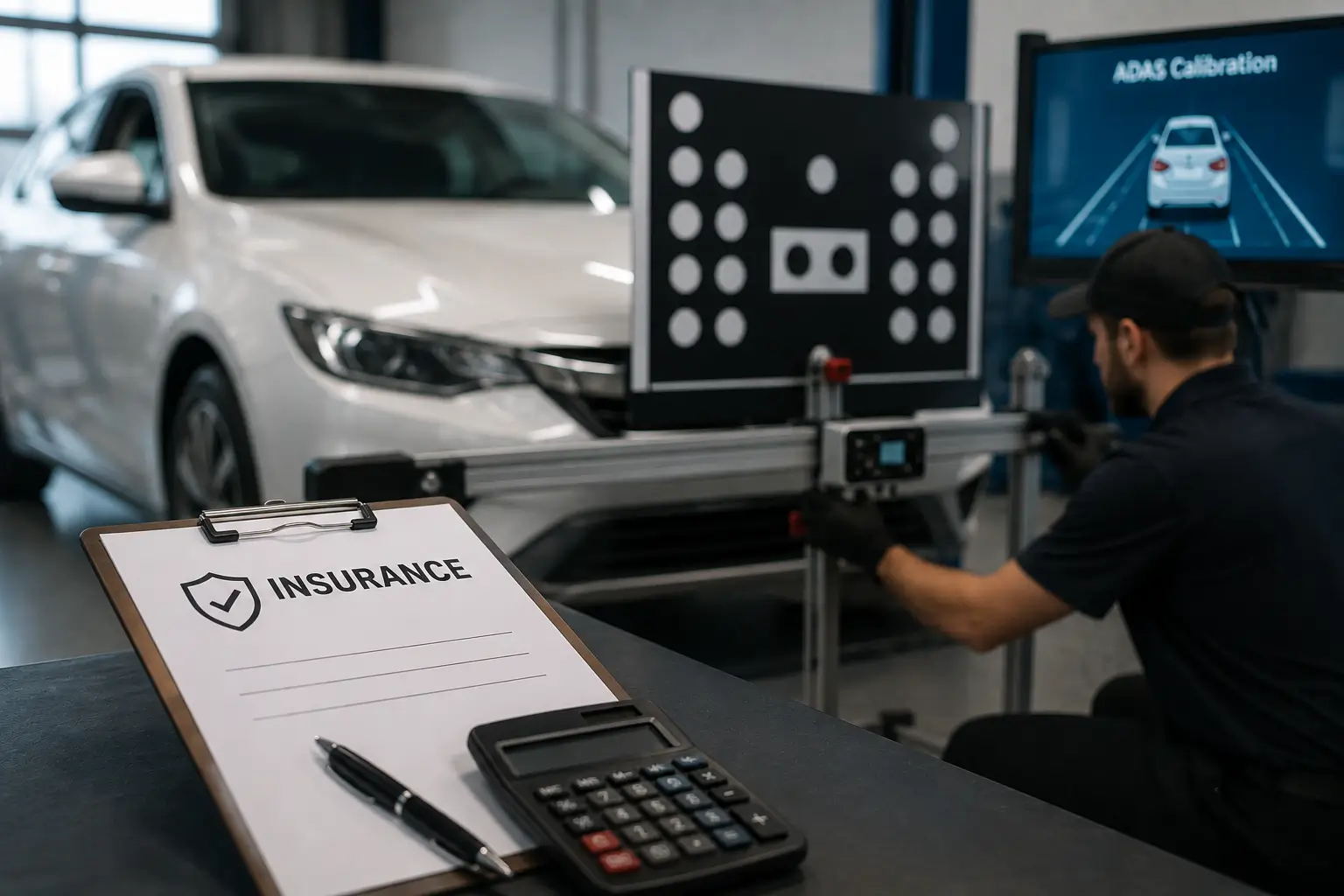
Modern vehicles use ADAS systems like lane departure warning, forward collision alert, and lane keep assist. These systems rely on cameras mounted on or behind your windshield. When the windshield is replaced, that camera can shift slightly, and recalibration is needed to restore accuracy.
Now here’s where insurance comes in.
From an insurance perspective, calibration isn’t a “bonus service.” It’s considered a necessary step to restore your vehicle to its pre-damage condition. That’s important, because insurance companies are generally responsible for covering repairs that bring your car back to how it was before the damage occurred.
I’ve had adjusters tell me directly, “If the vehicle had ADAS before the damage, we need to make sure it works the same after the repair.”
So in many cases, calibration is not optional—it’s part of the repair process. But whether it’s fully covered depends on how your policy is set up.
When Insurance Covers ADAS Calibration in Michigan
Let me give you the straight answer based on real-world experience.
In Michigan, insurance will often cover ADAS calibration when it’s directly tied to a windshield replacement claim. If your windshield is damaged and needs to be replaced, and your vehicle requires calibration, most insurance companies treat it as part of the same repair.
I’ve worked with many insurance providers over the years, and in a lot of cases, they approve both the glass replacement and the calibration together. The reasoning is simple—they want the vehicle restored properly and safely.
There are situations where coverage is more likely. For example, if you have comprehensive coverage and the damage was caused by something like road debris, a rock chip, or weather, insurance is more likely to step in.
I’ve seen customers walk out paying little to nothing out of pocket because their policy covered both the windshield and the calibration. But that doesn’t happen in every case, and that’s where things can get confusing.
When Insurance May Not Cover Calibration
Now let’s talk about the other side of the story.
There are situations where insurance may not fully cover ADAS calibration, or may not cover it at all. This usually comes down to policy details.
If your policy has a high deductible, you might end up paying for calibration out of pocket because the total cost doesn’t exceed your deductible. I’ve seen this happen quite a bit.
Another situation is when the damage isn’t covered under your policy. For example, if the windshield replacement is being paid out of pocket, calibration typically becomes your responsibility as well.
There are also cases where insurance companies push back or require additional approval. They may ask for documentation showing that calibration is necessary for your specific vehicle. This is where working with an experienced shop makes a big difference.
I’ve helped customers navigate these situations by providing proper documentation and explaining the technical requirements to insurance adjusters. Sometimes it takes a little extra effort, but it’s worth it to get things done right.
How Michigan Insurance Policies Typically Handle Auto Glass
Michigan is a bit unique when it comes to auto insurance.
Some policies include full glass coverage, which means windshield replacement is covered without a deductible. In those cases, calibration is often included as part of the repair process, especially if it’s required for safety systems.
Other policies fall under standard comprehensive coverage, where a deductible applies. In these situations, the total cost of the repair—including calibration—must exceed the deductible for insurance to cover it.
I’ve seen drivers assume they have full coverage, only to find out later that calibration isn’t automatically included. That’s why it’s always important to review your policy or talk to your provider before moving forward.
One thing I always tell customers is this—don’t assume anything. Insurance policies can vary more than people realize, even within the same state.
The Role of Your Auto Glass Shop in Insurance Claims
This is something a lot of people overlook.
The shop you choose plays a big role in whether your calibration gets covered. A good shop will not only perform the work properly but also help you navigate the insurance process.
At Save On Auto Glass, we work directly with insurance companies all the time. We provide the necessary documentation, explain why calibration is required, and make sure everything is submitted correctly.
I’ve seen situations where customers went to a shop that didn’t handle insurance properly. They ended up paying out of pocket simply because the paperwork wasn’t done right.
A professional shop understands both the technical side and the insurance side. That combination can save you time, money, and frustration.
Cost of ADAS Calibration Without Insurance
Let’s say insurance doesn’t cover it. What are you looking at?
In most cases, ADAS calibration costs between $150 and $400. Some vehicles, especially newer or luxury models, can go higher depending on the complexity of the system.
I always try to be upfront about costs because surprises are never fun. While it might seem like an extra expense, it’s important to understand what you’re paying for.
Calibration requires specialized equipment, trained technicians, and time. It’s not something that can be rushed or skipped without consequences.
I’ve had customers hesitate at first, but once they understand how important calibration is for safety, they usually see the value.
Why Skipping Calibration to Save Money Is Risky
I’ve seen this mistake too many times.
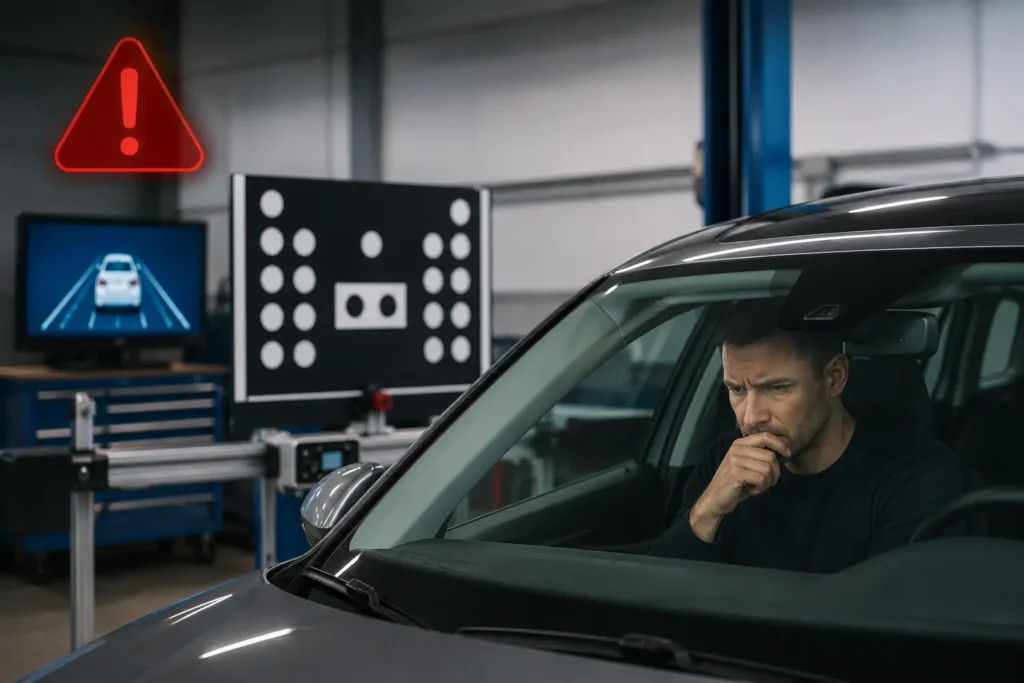
A driver tries to save money by skipping calibration, thinking everything will be fine. And sometimes, for a short period, it seems like it is. But eventually, problems start to show.
The system may give delayed warnings or fail to respond when needed. In some cases, it may behave unpredictably, which can be even more dangerous.
I remember one case where a driver skipped calibration and later noticed his lane assist wasn’t correcting properly. He told me, “I didn’t think it was a big deal.” After recalibration, he realized how much the system had been off.
Saving money upfront can cost you more later, especially if it leads to safety issues or additional repairs.
Tips to Make Sure Your Calibration Is Covered
After all these years, I’ve learned a few simple steps that can make this process easier for drivers.
First, always check your insurance policy before scheduling a replacement. Know what your coverage includes and what your deductible is.
Second, ask your auto glass shop if they handle insurance claims. A shop that works with insurance regularly can guide you through the process and help maximize your coverage.
Third, make sure calibration is included in the estimate. Don’t assume it’s part of the job—ask directly.
Finally, keep all documentation. If there’s ever a question about coverage, having clear records can make a big difference.
These small steps can save you a lot of confusion and unexpected costs.
FAQ
Does insurance always cover ADAS calibration in Michigan?
No, insurance does not automatically or always cover ADAS calibration in Michigan. Coverage depends heavily on your individual insurance policy, especially whether you have comprehensive coverage and how your glass coverage is structured.
In many cases, when ADAS calibration is directly tied to a windshield replacement claim, insurance companies do approve it as part of the repair process. This is because modern safety systems rely on proper calibration to return the vehicle to its pre-accident condition. From an insurance standpoint, restoring safety functionality is just as important as replacing the glass itself.
However, not every policy treats it the same way. Some policies may cover the windshield but leave calibration as a separate line item, especially if the deductible has not been met. Others may require additional approval or documentation before they agree to pay for it.
Is ADAS calibration considered part of windshield replacement?
Yes, in most modern vehicles, ADAS calibration is considered an essential part of the windshield replacement process rather than a separate optional service. This is because the windshield is no longer just a piece of glass—it often houses forward-facing cameras and sensor systems that directly control safety features like lane assist, automatic braking, and adaptive cruise control.
When the windshield is removed and replaced, even a small shift in camera position or angle can affect how these systems function. That’s why calibration is required to restore factory-level accuracy.
Insurance companies generally understand this relationship. In many claims, calibration is treated as part of restoring the vehicle to its original operational condition, which is typically what comprehensive coverage is designed to do.
How can I check if my insurance covers calibration?
The most reliable way to confirm ADAS calibration coverage is to contact your insurance provider directly and ask for a detailed explanation of your comprehensive and glass coverage benefits. Many drivers assume they are fully covered, but policies can vary significantly even within the same company.
When speaking with your insurer, it’s important to specifically mention ADAS calibration, not just windshield replacement. Some policies clearly include it, while others may only cover the glass itself unless calibration is proven necessary for vehicle safety compliance.
Another practical approach is to involve your auto glass shop early in the process. Experienced shops often work directly with insurance companies and can quickly verify whether calibration is included in the claim. They also understand how to submit documentation that justifies the procedure, which can improve approval chances.
What happens if my insurance doesn’t cover calibration?
If insurance does not cover ADAS calibration, the cost becomes your responsibility and is paid out of pocket. On average, calibration costs typically range between $150 and $400, although this can be higher for certain vehicles with advanced or multi-camera systems.
While it may seem like an extra or unexpected expense, it is important to understand what calibration actually does. It ensures that your vehicle’s safety systems are accurately aligned after windshield replacement. Without it, features like lane departure warning or emergency braking may not function correctly.
Some drivers consider skipping calibration to save money, but this is not recommended. In my experience, uncalibrated systems often behave inconsistently, which can create serious safety risks over time.
It’s also worth noting that skipping calibration may lead to higher costs later. If the system malfunctions or if another repair becomes necessary due to misalignment, the total expense can end up being significantly higher than the original calibration cost.
So even if insurance does not cover it, calibration should always be treated as a necessary safety investment rather than an optional service.
Can I choose a shop that works with my insurance?
Yes, in most cases, you have the right to choose your own auto glass repair shop, even if your insurance company suggests preferred or partner providers. This is an important point that many drivers are not fully aware of.
Insurance companies may recommend certain shops because they have existing agreements or streamlined billing processes. However, that does not mean you are required to use them. You can typically select any qualified shop you trust.
Choosing a shop that is experienced with ADAS systems and insurance claims can make a significant difference in the overall process. A knowledgeable shop will not only perform the calibration correctly but will also handle communication with the insurance company, provide necessary documentation, and help ensure the claim is processed smoothly.
Final Thoughts
If you had asked this question 20 years ago, the answer would have been simple. Insurance covers the windshield, and that’s it.
Today, things are more complex—but also more important.
ADAS systems are designed to keep you safe, and calibration is a key part of making sure those systems work properly after a windshield replacement. Insurance companies are starting to recognize that, which is why coverage is becoming more common.
But every policy is different, and every situation has its own details. That’s why it’s important to ask questions, work with the right shop, and make sure everything is handled properly.
At the end of the day, it’s not just about coverage. It’s about making sure your vehicle is safe and functioning the way it was designed to.