I’ve been in the auto glass industry for over 30 years. My name is Ray.
I started in the early 90s, when a windshield was simply glass, and my tools were basic: cold knives, halogen lamps that made the shop feel like a summer afternoon in Michigan, and plenty of elbow grease. Back then, drivers didn’t ask online if it was “worth fixing” — they just wanted their car safe and drivable.
Today, the question is more common than ever. Cars now carry cameras, lane-assist sensors, rain detectors, and sometimes heads-up displays embedded in the windshield. A crack is no longer just an aesthetic issue.
\It affects safety, technology, and long-term durability. Over my career, I’ve seen small chips ignored, cracks left untreated, and drivers paying far more than necessary later. So, is it worth fixing a cracked windshield? Let’s break it down.
Why Addressing a Crack Matters More Than You Think
Many drivers underestimate the role a windshield plays in safety. Beyond keeping the weather out and providing clear visibility, the windshield is a structural component of your car. In a rollover accident, it helps support the roof.
During front-end collisions, it works in tandem with airbags. I’ve seen vehicles come into the shop after accidents where the glass separated from the frame, making the airbags less effective. That’s not something you forget as a professional.
A small crack might seem harmless, but glass stress is cumulative. Temperature swings, road vibrations, and Michigan winters can cause chips to spread rapidly.
I’ve had customers bring in a tiny stone chip that overnight became a six-inch crack after a frost. By addressing damage promptly, you maintain the windshield’s structural integrity and reduce long-term risk.
Repair vs Replacement: Understanding Your Options
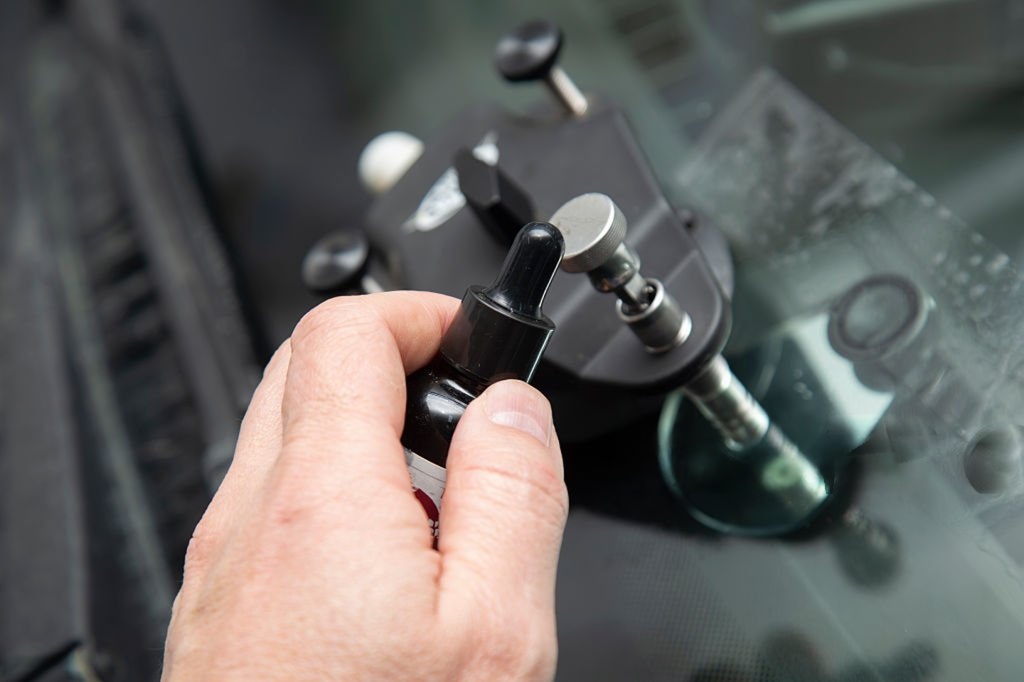
Repairing a windshield usually involves injecting a clear resin into small cracks or chips. This restores strength and prevents further spreading. In most cases, a professional repair takes less than an hour and is often covered by insurance.
Replacement is necessary for larger cracks, edge damage, or chips that penetrate multiple layers of laminated glass.
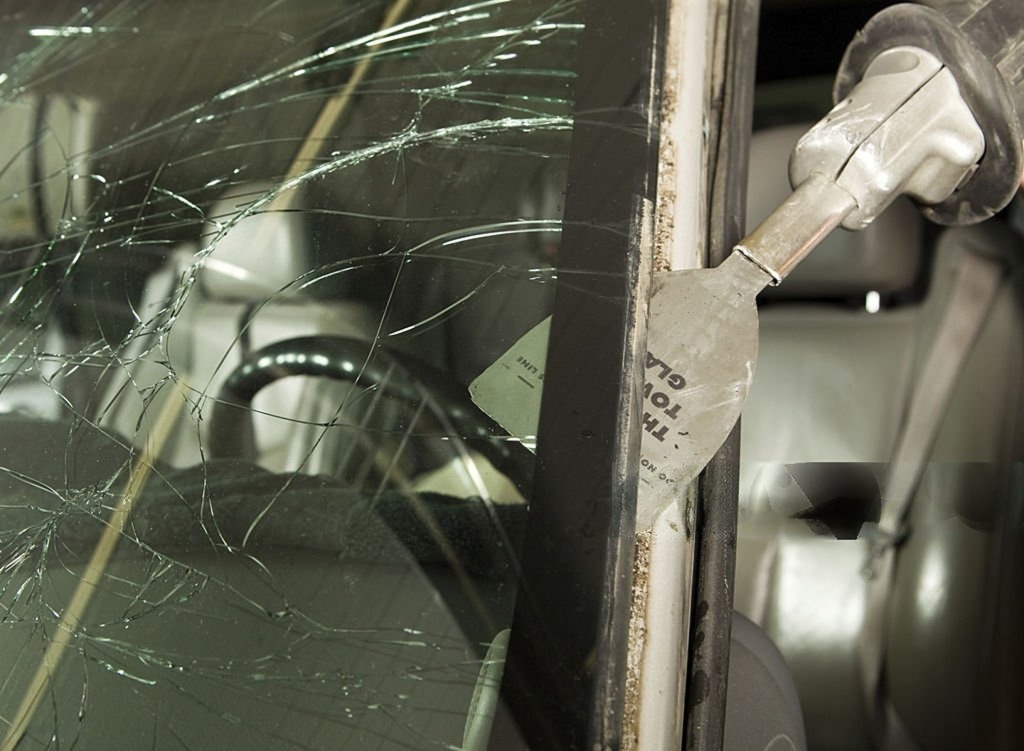
Replacing a windshield involves removing the old glass, cleaning the frame, applying urethane adhesive, and allowing it to cure. Modern vehicles with ADAS systems may require calibration after replacement, increasing both time and cost.
From my experience, the choice isn’t just financial. Repair is cheaper upfront, but replacement is sometimes the safer long-term option. The deciding factors include crack size, location, vehicle type, and technology. Understanding these distinctions ensures you make a choice that protects your car and your family.
Understanding Insurance Coverage for Repairs
One factor many drivers overlook is how insurance coverage impacts the decision to repair or replace. In Michigan, most comprehensive policies cover windshield repairs because they are cheaper than full replacements. Some policies even waive the deductible entirely for small chips, encouraging early action.
Replacement coverage depends on your policy and deductible. Older vehicles or those without ADAS features might make paying out-of-pocket a more practical option if the deductible is higher than the repair cost.
For newer cars with lane-assist, cameras, or rain sensors, insurance can cover both the glass and recalibration, which can save several hundred dollars.
When a Repair Is Worth It
Not all cracks are created equal. Small chips under an inch are almost always repairable. Medium cracks, 1–6 inches, might also be repairable if they haven’t reached the edge. Timing is critical. A fresh crack is far easier to repair than one that has been stressed over weeks of temperature swings and driving vibrations.
I remember a case in Sterling Heights where a customer ignored a dime-sized chip during fall. By January, the chip had turned into a six-inch crack across the driver’s view.
A repair costs $65; replacement would have cost $450+. Depends on Vehicles makes and models. That’s why early action matters. A timely repair preserves clarity, prevents spread, and is often fully covered by insurance.
Professional repair ensures proper resin bonding and structural integrity. Attempting DIY fixes can result in trapped air bubbles, poor adhesion, and eventual crack spread. On vehicles with ADAS, improper repairs can even affect sensor readings and safety systems.
Timing Matters: How Quickly You Should Act
One of the biggest mistakes drivers make is waiting too long to address a crack. Michigan’s climate accelerates damage: freezing nights expand cracks overnight, and daily road vibrations stress weakened glass. A chip that seems minor on Monday can turn into a full-length crack by Wednesday.
Early reporting also preserves your insurance options. Minor repairs are often fully covered and require little downtime. Waiting can force a full replacement, increasing costs and potentially leading to partial out-of-pocket expenses.
From my experience, acting within the first few days of noticing damage is critical. Even a small delay during the winter months can result in cracks spreading past repairable limits. Quick response protects safety, keeps costs down, and ensures ADAS systems remain properly aligned.
Factors That Make Replacement Necessary
Sometimes, repair isn’t enough. Large cracks exceeding six inches, chips along the edge, or multiple chips require replacement. These cracks compromise the windshield’s strength and can fail under stress.
Modern vehicles with advanced driver-assistance systems also push the decision toward replacement. Misalignment during repair or replacement can interfere with cameras, lane departure systems, or heads-up displays. A misaligned sensor can trigger false warnings, degrade system performance, or even create dangerous blind spots.
Ultimately, replacement is about long-term safety. The upfront cost is higher, but it guarantees that the structural integrity and technology of your vehicle remain uncompromised.
Impact of Advanced Safety Systems on Repairs
Windshields are no longer just glass; they’re platforms for cameras, radar, and heads-up displays. For vehicles equipped with ADAS, even small imperfections from a chip or improper repair can compromise sensor functionality.
Calibration is crucial after replacement, and some minor cracks can distort optical clarity, affecting lane-keeping, collision alerts, and rain-sensing wipers.
In my shop, I’ve seen cases where inexpensive aftermarket replacements caused minor misalignment in sensors, leading to false alerts. OEM glass or high-quality repairs often prevent this problem.
Drivers should consider technology when deciding to repair or replace. For ADAS-equipped vehicles, professional repair or replacement isn’t just about cost — it’s a matter of safety. Skipping proper calibration or repair can cause long-term headaches and risk system errors.
Cost Considerations: Is It Financially Worthwhile?
Repairing a windshield is almost always cheaper upfront. Chips less than an inch typically cost $65, sometimes covered by insurance with no deductible. Replacements for older vehicles without advanced sensors range from $200–$400. Modern SUVs, trucks, or EVs with ADAS features can exceed $1,000.
From experience, I can say that waiting too long is expensive. Ignoring a small chip can turn a $100 repair into a $500 replacement. The lesson: timely repairs save money and preserve safety.
I’ve also noticed that some customers prioritize brand over necessity. A high-quality windshield with OEM specifications may cost more than aftermarket options but ensures sensor compatibility, optical clarity, and long-term durability. In these cases, spending a bit more upfront prevents headaches down the road.
DIY vs Professional Repairs: Pros and Cons
DIY repair kits are tempting — they’re cheap and convenient. But from decades of experience, they often fail. Improper resin application, trapped air bubbles, or uneven curing can weaken the glass and allow cracks to continue spreading.
Professional repair restores structural integrity, ensures optical clarity, and prevents future damage. For vehicles with sensors, certified shops provide proper calibration, which DIY kits cannot guarantee. Even small misalignments can trigger false alerts, degrade ADAS performance, or reduce safety in a collision.
Investing in professional service might cost slightly more, but it protects both your vehicle’s functionality and your family’s safety. The quality of installation is just as important as the glass itself.
The Risks of Ignoring a Crack
Ignoring a windshield crack is more than just a financial gamble. Cracks compromise structural integrity, making the windshield more prone to shattering in collisions. They can also impair visibility, causing glare or optical distortion.
For vehicles with ADAS systems, ignoring damage can affect sensor accuracy. Lane assist, forward collision warnings, and rain detection systems rely on a precise windshield. Even a minor misalignment can trigger false alerts or malfunctions.
From my years in Michigan, I’ve seen many drivers underestimate the rapid spread of cracks during winter. Freezing temperatures expand cracks overnight. Road salt, potholes, and daily vibrations exacerbate damage. Ignoring even minor chips is a risk you don’t want to take.
Professional Insight: Why Expertise Matters
You can buy a repair kit online for $50, but I’ve seen countless DIY attempts fail. Improper resin application, trapped air bubbles, and uneven curing often make cracks worse. Professional repair restores strength, clarity, and prevents future spread.
Replacement also requires skill. Correct alignment, adhesive application, and curing are essential. Modern vehicles with sensors demand precision. I’ve trained dozens of technicians, and I can tell you that proper craftsmanship is as important as the glass itself.
Experience counts. A professional knows how to assess whether repair is viable, choose OEM or high-quality aftermarket glass, and ensure long-term durability.
Michigan Considerations: Weather, Roads, and Glass Longevity
Michigan winters, salted roads, and freeze-thaw cycles accelerate crack spread. Summer heat can also stress adhesive bonds and weaken laminated glass. Drivers here need to be proactive.
Repairing small chips in fall prevents winter cracks. Replacing high-quality glass ensures it survives harsh temperature swings. Local knowledge matters. A chip that remains stable in Florida might spread overnight in Detroit. Knowing the regional factors can save you money and prevent safety hazards.
Frequently Asked Questions
Is it always worth fixing a cracked windshield?
In most cases, yes — especially if the crack or chip is small and caught early. A windshield isn’t just there to block wind and debris; it plays a structural role in roof support and airbag deployment. Even a small crack weakens the glass and increases the risk of spreading under stress from temperature changes, potholes, or vibration.
If the damage is minor and repairable, fixing it promptly preserves structural integrity, maintains visibility, and prevents a far more expensive replacement later. In many situations, insurance companies fully cover small repairs, making it financially worthwhile as well.
How do I know if my windshield can be repaired or needs replacement?
The decision depends on size, location, and severity of the damage. Chips smaller than a quarter and cracks under about six inches are often repairable, provided they haven’t reached the edge of the windshield. Damage that extends to the perimeter weakens structural bonding and typically requires replacement.
Location also matters. If the crack sits directly in the driver’s line of sight, repair may restore strength but still leave slight distortion, making replacement the better option. Additionally, if the damage penetrates both layers of laminated glass, repair may not be reliable.
Will insurance cover a windshield repair?
In many cases, yes. Most comprehensive auto insurance policies cover windshield repair because it is significantly cheaper than replacement. Some insurers even waive deductibles entirely for minor chip repairs to encourage early action and reduce larger claims later.
Replacement coverage depends on your specific policy and deductible amount. If your deductible is higher than the cost of replacement, paying out of pocket may make more sense. For newer vehicles with ADAS systems, insurance often covers both the glass and required recalibration — but this varies by provider.
It’s always wise to check your policy details before deciding. Acting quickly improves the chances that repair — rather than replacement — remains an option, which can save both you and your insurer money. Prompt reporting also prevents disputes over whether the damage worsened due to delay.
Can repaired windshields last as long as new ones?
Yes, when repaired correctly and early, a windshield repair can last for many years — often for the life of the vehicle. Professional resin injection restores much of the glass’s original strength and prevents the crack from spreading further.
That said, repairs are designed to stabilize damage, not make it cosmetically invisible. You may still see a faint mark depending on the size and depth of the chip. Structurally, however, a properly executed repair maintains safety under normal driving conditions.
Are OEM windshields always better than aftermarket?
OEM (Original Equipment Manufacturer) windshields are built to match your vehicle’s original specifications exactly — including thickness, curvature, tint, and optical clarity. For vehicles equipped with ADAS features, rain sensors, or heads-up displays, OEM glass often ensures better compatibility and fewer calibration issues.
However, high-quality aftermarket glass has improved significantly over the years. For older vehicles without advanced electronics, reputable aftermarket brands can provide reliable performance at a lower cost. The key is choosing a trusted manufacturer rather than simply the cheapest option available.
Installation quality is equally important. Even OEM glass can cause issues if installed improperly. Precision alignment, proper adhesive curing, and sensor recalibration all play critical roles.
In short, OEM is often safest for technology-heavy vehicles, while high-grade aftermarket glass can be perfectly suitable for simpler models.
What happens if I ignore a small chip?
Ignoring a small chip is one of the most common and costly mistakes drivers make. What starts as minor cosmetic damage can quickly turn into a long crack due to vibration, potholes, and temperature swings — especially during Michigan’s freeze-thaw cycles.
As cracks expand, repair becomes impossible, leaving full replacement as the only option. Costs can increase three to five times compared to early repair. Structural strength also declines as the crack spreads, potentially reducing roof support in rollover accidents and affecting airbag performance.
Visibility can worsen as well. Cracks refract light, especially at night or in rain, creating glare and distortion. For vehicles equipped with cameras or sensors, expanding cracks may interfere with system accuracy.
In short, delaying repair increases financial cost and safety risk. Acting early is almost always the smarter and more economical choice.
Final Thoughts
After 30+ years in the auto glass industry, my advice is simple: address cracks promptly, choose professional service, and consider vehicle technology. Repair is almost always cheaper when done early, but replacement is necessary when damage is extensive or involves ADAS systems.
Your windshield is more than glass — it’s structural support, a safety feature, and the foundation for modern driving technology. Treat it with care, make informed choices, and you’ll save money, prevent stress, and keep your family safe on the road.