
I started back in the 90s, when windshields were simpler and the work was purely mechanical. We removed glass with cold knives, used halogen lamps that heated the shop like a summer afternoon in Michigan, and polished chrome bumpers by hand. Back then, customers rarely asked which windshield brand or repair method was best — they just wanted it fixed and safe.
Fast forward to today, and things are much more complex. Windshields are no longer just glass; they hold cameras, rain sensors, heating elements, and sometimes heads-up displays.
Any crack or chip now has implications beyond visibility — it can affect ADAS systems, airbag deployment, and overall structural integrity. This evolution is why the question “Is it cheaper to repair or replace a windshield?” is more than financial; it’s a safety question.
Over decades, I’ve seen the full spectrum of outcomes: chips repaired early lasting over a decade, delayed repairs turning into costly replacements, and improper installations causing sensor malfunctions. Let me walk you through the factors, costs, and considerations that determine whether repair or replacement is the smarter choice.
Understanding the Difference Between Repair and Replacement
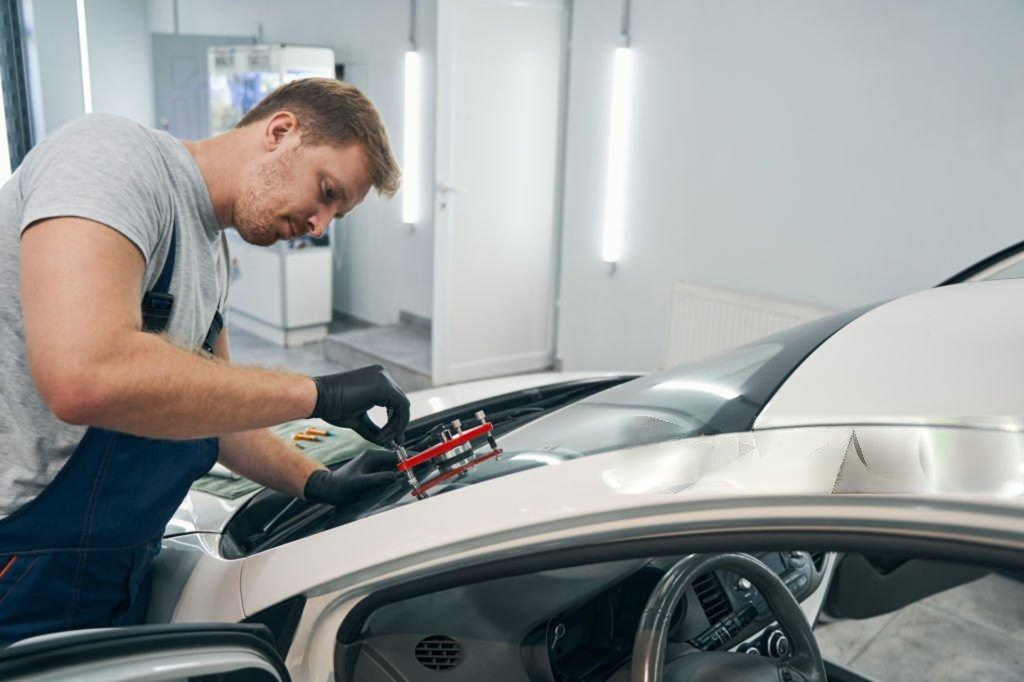
Repairing a windshield usually involves filling small chips or cracks with a resin that restores structural integrity. This process is faster and far less expensive than replacement. A skilled technician can complete a repair in under an hour, and costs is $65.
Replacement, on the other hand, involves removing the damaged windshield and installing a new one. This includes adhesive application, curing time, and often calibration of cameras and sensors for modern vehicles. Costs vary widely — older vehicles might cost $200–$400, whereas modern SUVs or EVs with ADAS systems can exceed $1,000.
Size, location, and type of damage all dictate the appropriate method. Small chips under an inch are prime candidates for repair. Cracks over six inches, edge damage, or multiple chips typically require replacement. Depth and lamination are also crucial; modern windshields use two layers of glass with a plastic interlayer, and damage that penetrates both layers often cannot be reliably repaired.
The key takeaway from my 30+ years of experience: repair is cheaper upfront, but replacement is sometimes the safer long-term investment. Timing, vehicle type, and technology determine which is ultimately more cost-effective.
Why Timing Matters: Don’t Let Small Chips Turn into Expensive Replacements
Michigan winters can be brutal. Temperature swings, freezing rain, and road salt stress windshield glass. A tiny chip left unrepaired can expand overnight into a crack that spans the entire windshield. I’ve seen chips less than an inch in length transform into 10-inch cracks after a single freeze-thaw cycle.
Waiting too long often results in replacement costs that are three to five times higher than an early repair. Not to mention, delays compromise safety. A compromised windshield reduces roof support during rollovers and can affect airbag deployment.
Acting quickly is critical. Small chips are easier to repair, maintain clarity, and preserve the structural strength of the windshield. Even if the cost difference seems minor initially, early action often saves money, time, and stress down the line.
The Role of Vehicle Technology in Cost Decisions
Modern vehicles add complexity. Cameras, lane departure sensors, rain detection, and heads-up displays mean even minor curvature differences in replacement glass can trigger errors. A low-quality aftermarket windshield may fit mechanically but misalign sensors, causing warning lights to flash constantly or ADAS systems to malfunction.
In my experience, OEM glass is usually the safest choice for vehicles with advanced systems. Aftermarket glass has improved dramatically, but there is still a risk of slight optical distortion or sensor misalignment. For older vehicles without cameras or electronic sensors, high-quality aftermarket replacement often provides excellent performance at a lower cost.
The point is simple: technology influences cost decisions. The cheapest replacement is not always the best. If your car relies on ADAS features, investing in precise, high-quality glass prevents expensive recalibration errors and ensures long-term safety.
Common Mistakes Drivers Make
Over the years, I’ve seen several recurring mistakes when it comes to repair versus replacement. First, focusing solely on price is dangerous. A $50 DIY repair kit might seem tempting, but improper resin injection or air pockets can make cracks worse over time.
Another common error is ignoring drive-away time. Adhesives need time to cure properly. I once had a customer drive off minutes after installation, which weakened the bond and led to leaks later.
Some drivers assume all glass is identical. It’s not. Brands, lamination quality, and manufacturing tolerances vary significantly. Even a minor variation can affect sensors, distortion, and long-term durability. The safest approach is timely professional repair for small damage, and carefully chosen replacement for larger or critical cracks.
Financial Considerations: Short-Term vs Long-Term Costs
Repair almost always wins short-term financially. A minor chip can be fixed quickly, often at no cost if covered by insurance. Replacement involves higher materials, labor, and sometimes calibration.
Long-term, however, replacement can be more cost-effective in certain cases. If a crack is allowed to spread, a repair may no longer be possible, forcing a replacement anyway. In vehicles with advanced sensors, a lower-cost replacement may lead to misalignment or recalibration costs that outweigh initial savings.
From my experience, thinking beyond the sticker price is essential. Consider safety, technology, timing, and potential for future repairs. Repair early, replace wisely, and always choose professional service.
Professional Expertise vs DIY Repairs
I’ve trained dozens of young technicians and watched countless DIY attempts. Even small cracks are deceptively tricky. Resin must fill the chip completely, the glass must remain clean, and curing time must be observed. Improper handling can cause distortion, air bubbles, and eventual crack spread.
Replacement is equally delicate. Proper alignment, adhesive application, and curing are critical, especially for vehicles with modern safety systems. Attempting a DIY replacement almost always results in problems later, from leaks to sensor misalignment.
Professional work is more expensive upfront but saves headaches and ensures your car remains structurally sound. In my shop, we’ve had customers return years later with no issues because the job was done correctly the first time. That kind of long-term reliability is priceless.

The Michigan Factor: Weather, Roads, and Glass Longevity
Michigan drivers face unique challenges. Freezing winters, salted roads, and heavy snow contribute to rock chips and crack expansion. Summer heat can also stress glass and adhesives.
From my experience, windshield repair and replacement decisions in Michigan must account for climate. Prompt repair in fall prevents winter cracks. Choosing high-quality replacement glass ensures it withstands temperature swings and harsh road conditions. Local knowledge matters — the same chip in Florida might remain stable for months, while in Michigan it can spread overnight.
Frequently Asked Questions
Is repair always cheaper than replacement?
In most situations, yes — repair is significantly cheaper than replacement in the short term. A small chip under an inch can usually be repaired in less than 30 minutes and costs $65. In many cases, insurance companies even waive the deductible for repairs because it prevents larger claims later.
Replacement, however, involves higher material costs, labor, adhesive curing time, and sometimes ADAS recalibration. Older vehicles without sensors might cost between $200 and $400. Modern SUVs, luxury vehicles, and EVs equipped with cameras and driver-assistance systems can exceed $1,000 due to calibration requirements.
That said, repair is only cheaper if the damage qualifies for safe repair. If a crack spreads due to delay, replacement becomes unavoidable and more expensive. The real savings come from acting early. Addressing a minor damage promptly almost always prevents higher long-term costs and maintains safety standards.
Can a repaired windshield last as long as a new one?
Yes — when repaired correctly and early, a windshield repair can last for many years, sometimes the lifetime of the vehicle. The key factors are timing, technician skill, and material quality. When resin is properly injected into a clean, dry chip, it restores much of the windshield’s structural integrity and prevents further crack expansion.
Cosmetically, you may still notice a faint mark depending on the size and depth of the original chip. However, structurally, a properly repaired windshield remains safe and stable under normal driving conditions.
Problems arise when repairs are delayed. Dirt, moisture, and temperature changes can contaminate the crack, reducing resin bonding strength. DIY kits also frequently leave air pockets, which allow cracks to continue spreading over time.
In my experience, early professional repair provides long-term durability comparable to undamaged glass in many cases — especially when Michigan weather stress is considered.
Should I use OEM or aftermarket glass for replacement?
The answer depends largely on your vehicle’s technology. OEM (Original Equipment Manufacturer) glass is designed to match factory specifications precisely, including thickness, curvature, tint, and optical clarity. For vehicles equipped with ADAS systems, lane departure cameras, rain sensors, or heads-up displays, OEM glass is often the safest choice because even slight distortion can affect calibration accuracy.
High-quality aftermarket glass has improved significantly over the years and can perform very well in older vehicles without electronic systems. However, not all aftermarket brands are equal. Manufacturing tolerances, lamination quality, and clarity can vary.
If your vehicle relies heavily on driver-assistance features, investing in OEM glass reduces the risk of sensor misalignment and future recalibration issues. For simpler vehicles, reputable aftermarket options can provide reliable performance at a lower cost. The decision should balance safety, technology, and budget.
How long should I wait after repair or replacement before driving?
Drive-away time depends on the type of service performed. For minor chip repairs, you can usually drive almost immediately after the resin has cured — typically within 30 to 60 minutes. The repair process itself strengthens the damaged area quickly.
For full windshield replacement, timing is more critical. Modern urethane adhesives require proper curing time to ensure the windshield bonds securely to the vehicle frame. Depending on temperature and humidity, safe drive-away time can range from one hour to several hours. In colder Michigan weather, curing may take longer.
Driving too soon can weaken the bond and compromise structural performance during a collision. I’ve seen cases where rushing led to leaks or reduced adhesion strength. Always follow the technician’s recommended safe drive-away time. Proper curing ensures your windshield provides full structural support and airbag protection.
Can insurance cover repair or replacement?
Many comprehensive auto insurance policies cover windshield damage, especially repairs. In fact, insurers often encourage repair over replacement because it’s far less expensive. Some policies waive deductibles entirely for chip repairs, making the process cost-free for the driver.
Replacement coverage depends on your specific policy and deductible. If your deductible is higher than the replacement cost, you may choose to pay out of pocket. For newer vehicles with ADAS systems, insurance often covers both the glass and necessary recalibration.
It’s important to check with your provider before making a decision. Acting quickly not only preserves safety but also increases the likelihood that repair — rather than replacement — will qualify under coverage guidelines. Early repair benefits both you and your insurer financially.
What are the risks of delaying repair?
Delaying repair significantly increases both safety and financial risks. A small chip may seem harmless at first, but temperature swings, vibration, and road impacts can cause it to spread rapidly. In Michigan’s freeze-thaw cycles, I’ve seen minor chips turn into full-length cracks overnight.
As cracks expand, repair becomes impossible, forcing full replacement at a much higher cost. Structural integrity also declines as damage grows. The windshield plays a key role in roof support during rollovers and acts as a backstop for passenger airbags. Compromised glass reduces that protective performance.
Visibility can also worsen as cracks refract light, especially at night or during rain. For vehicles equipped with cameras and sensors, crack expansion may interfere with calibration and system accuracy.
In short, waiting almost always increases expense and reduces safety. Early repair is the smartest long-term decision.
Final Thoughts
After decades in this trade, my advice is simple: address small chips quickly, choose professional service, and understand the role of your vehicle’s technology in cost decisions. Repair is cheaper and effective when done promptly. Replacement is safer and necessary when damage exceeds repair limits or your vehicle has advanced systems.
Your windshield isn’t just glass — it’s a structural component, a safety feature, and a platform for modern driving technology. Treat it with care, invest wisely, and the road ahead will be safer for you, your family, and everyone in your vehicle.