
I’ve been replacing auto glass in Southeast Michigan for more than 30 years — back when vehicles were simple, and windshields were just windshields. My name is Ray, and I’ve watched cars evolve from basic laminated glass to today’s ADAS-integrated systems.
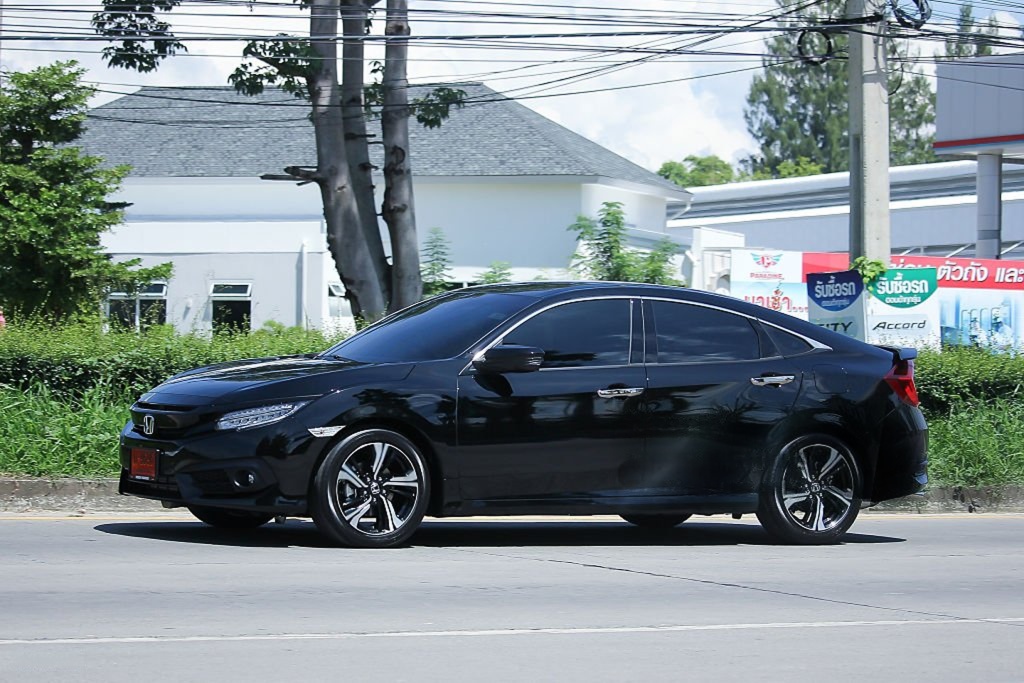
One vehicle I’ve seen lots of over the decades is the Honda Civic — dependable, efficient, and everywhere on roads from Troy to Sterling Heights to Rochester Hills.
With its popularity comes a lot of windshield damage from road debris, gravel, winter salt, and everyday commuting wear. And the most common question I hear from Metro Detroit drivers is:
“Ray, how much will it cost to replace my Honda Civic windshield here in Michigan?”
The honest answer isn’t a single number — cost depends on the Civic’s year, safety systems, windshield brand, and whether advanced driver-assist systems (ADAS) require calibration. In this guide, I’ll walk you through all the pricing factors, timing considerations, insurance interactions, and what you need to know to make a smart decision.
Why Windshield Replacement Costs Vary for Honda Civics
Before we talk dollars, let’s understand why costs can differ so much. Not all Civics are built the same, and not all windshields are created equal.
1. Vehicle Year and Trim Level
Older Civics (pre-2016) tend to have simpler windshields — no embedded cameras or radar sensors. Newer models, especially 2016 and later, may have:
- Rain sensors
- Lane departure systems
- Forward collision warning
- Heads-up display projections
These systems often rely on components mounted to or aligned with the windshield glass.
2. OEM vs Aftermarket Glass
OEM (Original Equipment Manufacturer) glass fits exactly as Honda intended, with perfect geometric alignment and optical clarity. Aftermarket glass can offer good quality at a lower cost, but quality varies — and cheaper glass may cause distortion or sensor misalignment.
3. ADAS Calibration Requirements
If your Civic has driver-assistance systems that depend on camera/sensor alignment, replacement often means calibration — and calibration adds cost.
4. Installation Expertise
Proper installation isn’t just about putting in new glass. It’s about preparing the pinchweld correctly, applying proper primer and urethane, allowing adequate cure time, and ensuring sensor function.
In Michigan’s winter climates, improper adhesive curing or rushing through jobs leads to leaks and defects later. That’s why choosing the right installer matters just as much as glass brand.
Typical Windshield Replacement Cost for Honda Civic in Metro Detroit (2026)
Here’s the realistic 2026 pricing range you can expect in Metro Detroit for a Honda Civic — based on real shop experience and local labor rates:
Older Civic Models (2006–2015)
For Civics without ADAS systems or embedded sensors:
➡ $300 – $550
This price includes quality glass, professional installation, and standard inspection. These Civics usually require minimal technological adjustments.
Mid-Range Civics (2016–2021)
For Civics with basic driver-assist features (rain sensors or simple camera systems):
➡ $550 – $850
Windshield cost increases because the glass is often larger and more complex, and calibration may be recommended.
Newer Civics (2022–2026 with Advanced ADAS)
For Civics equipped with lane assist, adaptive cruise, forward collision systems:
➡ $850 – $1,400+
Calibration is often necessary here, and that adds to labor and equipment costs.
These ranges are typical for the Metro Detroit area — including Troy, Sterling Heights, Warren, and Auburn Hills — where labor rates and parts availability reflect 2026 market conditions.
Insurance Coverage: What Metro Detroit Drivers Need to Know
Most windshield damage from flying debris or impact is covered under comprehensive coverage, not collision. That means your insurance can significantly reduce your out-of-pocket cost.
Here’s what to keep in mind:
Glass Coverage & Deductibles
Some policies include full glass coverage with zero deductible. That means replacement may cost you nothing.
Calibration Coverage
Not all insurers cover ADAS calibration. Some pay for glass but not calibration fees. That’s why confirming with your agent before scheduling service is important.
Claim Frequency and Premiums
Windshield claims don’t usually carry the same premium impact as at-fault collision claims, especially single small claims. However, frequent claims could affect your policy depending on the provider.
Before scheduling, call your agent and verify:
- What glass coverage you have
- Whether calibration is included
- Whether any deductible applies
Many times, the paperwork is half the job — and having clarity upfront ensures no surprises later.
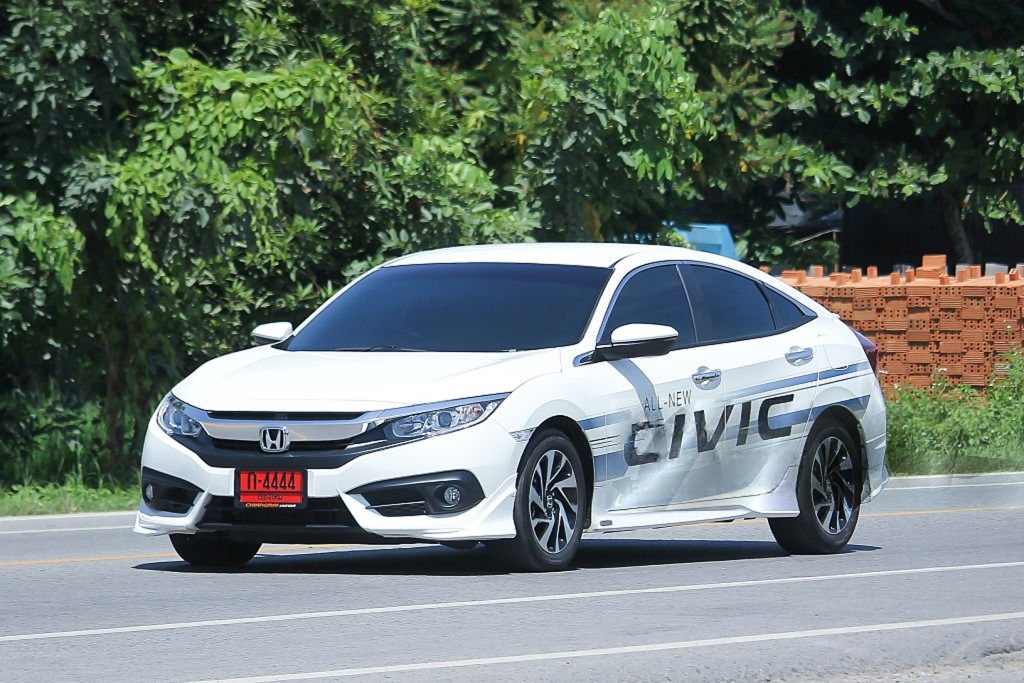
Honda Civic ADAS and Calibration: What You Should Know
If your Honda Civic has features like:
- Lane Keeping Assist
- Forward Collision Warning
- Adaptive Cruise Control
- Rain or light sensors
Then, windshield replacement is not just glass installation — it’s sensor and camera alignment work.
Sensors depend on precise positioning relative to the windshield plane. Even a tiny angular misalignment — less than a millimeter — can cause warning lights, false braking alerts, or sensor dropout.
There are two main calibration methods:
Static Calibration:
Performed with targets and alignment tools in a controlled environment.
Dynamic Calibration:
Performed on the road, where the vehicle “relearns” sensor alignment during controlled driving.
Many modern Civics require both, depending on the system.
Calibrating correctly requires experience, the right tools, and adherence to manufacturer specs. A cheap install with no calibration is like installing brakes without bleeding the lines — structurally present but functionally compromised.
For Metro Detroit drivers who navigate I-75, M-59, or M-10 daily, accurate ADAS functioning isn’t luxury — it’s safety.
OEM vs Aftermarket Glass: Which Is Better for Your Civic?
You’ll often be asked to choose between OEM Honda glass and aftermarket replacements.
OEM Glass:
- Exact factory specs
- Best optical clarity
- Best long-term sensor compatibility
- Slightly higher cost
Aftermarket Glass:
- Can be excellent if high-quality
- Lower cost
- Must be chosen carefully (not all aftermarket is equal)
In Civics with no ADAS systems, many aftermarket options perform safely and reliably. For 2016+ Civics with camera-based systems, I recommend either OEM or high-quality aftermarket with calibration support.
In my shop, I always ask:
“Do you want a number price, or do you want a long-term safe installation?”
Nine times out of ten, the latter produces better outcomes.
Installation Process: What Michigan Drivers Should Expect
Let’s walk through what happens during a proper windshield replacement — especially for a Honda Civic:
- Vehicle assessment:
Inspect damage, measure cracks, check sensors/cameras. - Glass preparation:
Clean pinch weld, remove old urethane, prep surface. - Primer & adhesive:
Apply manufacturer-approved primer and new urethane bead. - Windshield installation:
Set glass precisely to prevent leaks and optical distortion. - Cure time:
Urethane needs proper curing — especially critical in Michigan winters. - Calibration (if required):
Perform static/dynamic ADAS reset procedures.
Skipping or rushing any step increases risk of leaks, wind noise, or poor sensor performance.
Michigan Weather and Windshield Durability
Metro Detroit winters are notorious. Isolated frost, heavy salt usage, and freeze-thaw cycles create a perfect storm for windshield stress.
Salt spray embeds into trim edges and panel seams. Tiny chips that would be stable elsewhere can expand rapidly when water enters and freezes.
Spring thaw accelerates crack spread. A small chip in February may be a full crack by March.
Regular inspections — especially after winter — help catch damage early. That’s the inexpensive part of auto glass maintenance.
When to Repair vs Replace
Not all windshield damage means replacement.
Chips that are usually repairable:
- Smaller than a quarter
- Not directly in driver’s primary line of sight
- No deep lamination layer damage
Damage that typically needs replacement:
- Cracks longer than six inches
- Edge cracks
- Multiple impact points
- Damage in camera/sensor zones
Catching damage early helps older Civics avoid full replacement entirely.
DIY Kits: Do They Work on Civics?
DIY windshield repair kits can work for very small chips in older vehicles without ADAS.
What DIY kits do not do well:
- Deep cracks
- Sensor-related areas
- Large impact zones
- Edge cracks
I’ve seen countless DIY “repairs” that made damage worse, creating optical distortion or hidden stress areas that eventually required full replacement.
Professional repair with proper resin technology is almost always more durable and safer.
Frequently Asked Questions
How much does a Honda Civic windshield replacement cost in Metro Detroit?
The cost of replacing a Honda Civic windshield in Metro Detroit depends heavily on the model year, trim, and whether your vehicle has ADAS features.
Older Civics without driver-assist cameras or sensors typically range from $300–$550, while mid-range models with basic rain sensors or lane assist may cost $550–$850. Newer Civics equipped with advanced ADAS features — including adaptive cruise, forward collision systems, or HUD displays — can reach $850–$1,400 or more.
These prices account for high-quality glass, professional installation, and any required calibration. Labor rates, glass brand (OEM vs aftermarket), and additional services like mobile installation can also influence final pricing.
Will insurance cover windshield replacement?
Most comprehensive auto insurance policies in Michigan cover windshield replacement, and many plans even offer zero-deductible glass coverage, meaning replacement could cost you nothing out-of-pocket. However, coverage for ADAS calibration may vary.
While some insurers include calibration fees as part of a glass claim, others may require separate payment. It’s important to verify your policy details before scheduling service. Confirm whether your plan covers the glass itself, sensor or camera calibration, and any potential deductibles. Having this clarity upfront prevents surprises and ensures you receive the proper safety work without unexpected costs.
Can a small chip be repaired instead of replaced?
Yes, small chips can often be repaired, which is both cost-effective and less invasive than full replacement. Repairs are most effective when the chip is smaller than a quarter, not in the driver’s primary line of sight, and away from any embedded cameras or sensor areas.
Early repair prevents cracks from spreading, especially in Michigan’s harsh winter conditions where freezing and thawing can exacerbate damage. Using professional-grade resins ensures optical clarity and structural stability, whereas DIY kits may leave hidden stress points. Acting quickly can save money and maintain proper ADAS sensor functionality.
How long does replacement take?
A standard Honda Civic windshield replacement typically takes 1–2 hours for older or sensor-free models.
For Civics equipped with ADAS features, calibration may add an additional 1–2 hours, depending on the number of sensors and whether both static and dynamic calibration is required. Proper installation also includes prep work, adhesive curing, and verification of seals to prevent leaks and ensure structural integrity.
Weather conditions, particularly in Michigan winters, can influence curing time. Rushing the process may compromise safety and lead to wind noise, leaks, or sensor misalignment.
Do all Honda Civics require ADAS calibration after replacement?
No, only Honda Civics equipped with advanced driver-assist systems, such as lane keeping assist, forward collision warning, adaptive cruise control, or rain/light sensors, require calibration after windshield replacement. Older models or base trims without these sensors typically do not need calibration.
Calibration ensures that cameras and sensors are correctly aligned to the windshield’s plane, preventing false warnings, false braking events, or malfunctioning adaptive features. Skipping calibration on sensor-equipped vehicles can compromise safety systems, making it a critical step for modern Civics in Metro Detroit.
How does Michigan’s weather affect windshield integrity?
Michigan weather is particularly harsh on windshields. Freeze-thaw cycles, road salt, and extreme temperature swings can cause small chips to spread into larger cracks quickly.
Winter salt accelerates corrosion around glass edges, and ice scraping can weaken laminated layers over time. Spring thaw can further propagate damage, turning minor imperfections into full replacements.
For Honda Civics, timely inspection and early chip repair are essential to preserve windshield integrity and ADAS functionality. Ignoring minor damage can result in more expensive replacements, sensor misalignment, and potential safety risks while driving on snowy or icy roads.
Final Thoughts
Over my decades in this business, I’ve learned that windshield replacement isn’t just a matter of swapping glass. It’s about understanding vehicle technology, driver-assist systems, installation quality, and local road conditions.
For Honda Civic owners in Metro Detroit, the key takeaways are:
- Cost varies based on year and ADAS features
- OEM glass is worth the cost for sensor-equipped models
- Insurance can significantly offset costs
- Proper calibration is essential for safety
- Early repairs save money and headaches
Your windshield isn’t just glass — it’s part of your safety system. Respect it and care for it early, and you’ll reduce long-term costs and stay safer on Michigan roads. Ready to get it done right? Get a free quote from our Metro Detroit team.