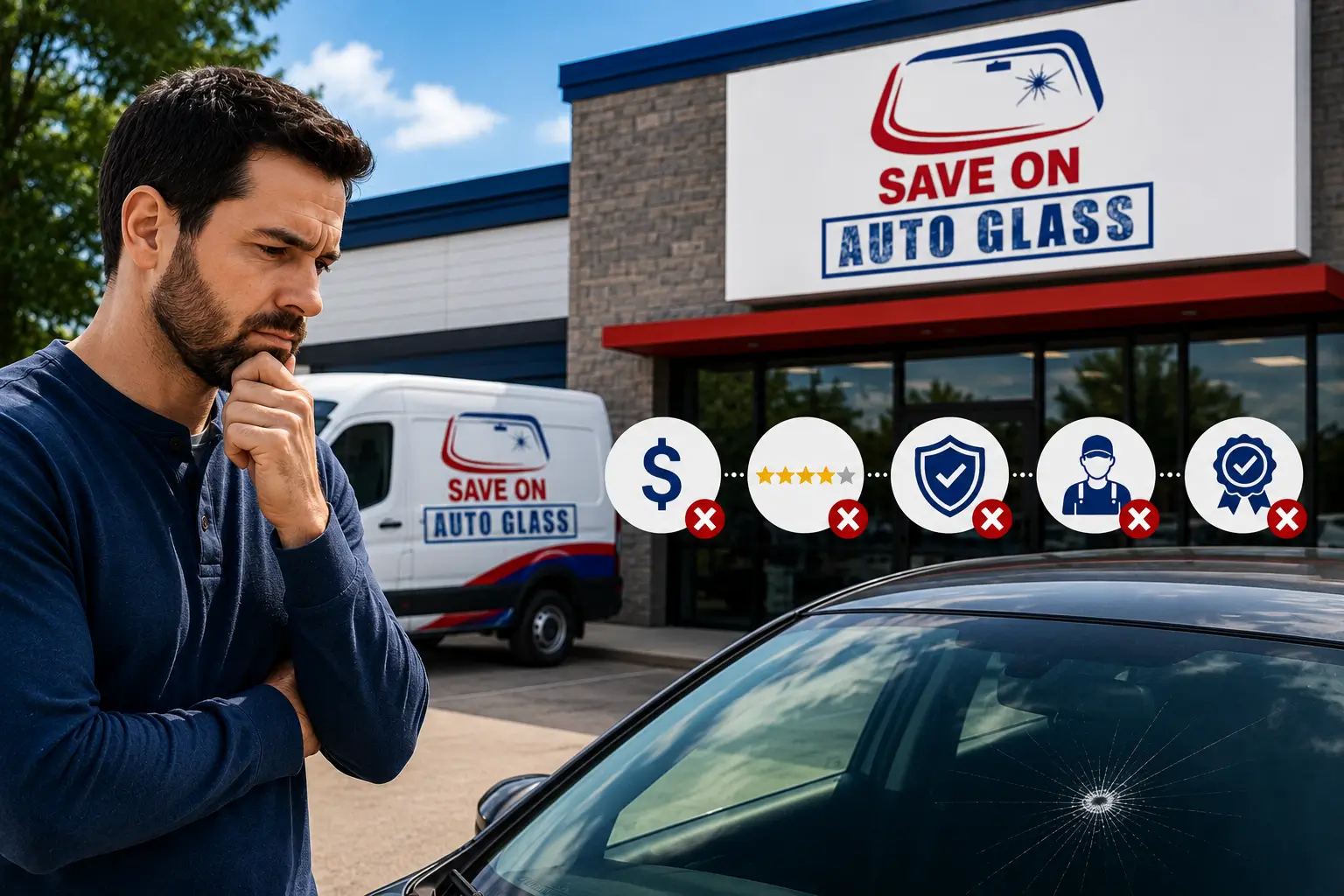
Choosing an auto glass company might seem simple—you just need a windshield or a window replaced, right? But over my decades in the industry, I’ve seen countless drivers make choices that compromise safety, cost them extra money, and cause unnecessary stress.
Your car’s glass isn’t just a sheet of safety glass. It’s a critical part of the vehicle’s structure, supporting airbags, sensors, and even advanced driver-assistance systems (ADAS). A misaligned or poorly installed windshield can affect everything from lane assist to front cameras.
I remember a customer who came in after going with a “discount shop” for a quick windshield replacement. At first, everything seemed fine, but a few weeks later, the car’s ADAS sensors weren’t working, and water started leaking through the edges.
What seemed like a smart financial decision turned into double the cost, wasted time, and a lot of frustration. Stories like this are all too common when drivers don’t know what to look for.
In this guide, I’ll break down the top 10 mistakes drivers make when choosing an auto glass company. I’ll share real-life examples, insider tips, and actionable advice so you can avoid these pitfalls.
Whether you drive a classic car, a daily commuter, or a modern EV with ADAS technology, understanding these mistakes can save you money, time, and most importantly, ensure your safety.
By the end of this article, you’ll know exactly what questions to ask, what certifications matter, how to spot quality versus cheap work, and why your choice impacts more than just glass—it affects your car’s performance, your safety, and your peace of mind. Let’s dive in.
Why Choosing the Right Company Matters
A windshield isn’t just a pane of glass; it’s part of your car’s structural integrity. In a collision, the windshield supports airbags and helps protect passengers. Even minor misalignment or improper adhesive can compromise safety. I once had a customer whose vehicle’s windshield wasn’t installed by a certified technician. During a routine calibration of the ADAS system, we discovered the glass was off by a few millimeters. That small misalignment could have caused serious sensor malfunctions.
Safety aside, poor installation can be costly. Improper adhesives, substandard glass, or rushed installations often lead to leaks, cracks, or sensor errors. Replacing a windshield again means paying labor twice, plus extra for sensor recalibration. On top of that, insurance claims can become complicated if work isn’t documented or certified.
Experience matters. Certified, trained technicians know how to handle modern glass, ADAS sensors, and all the small details that make a difference.
They follow precise procedures for curing adhesives, align the glass correctly, and ensure your car is safe to drive immediately after replacement. Choosing the right company isn’t just a luxury—it’s an investment in your safety and peace of mind.
Finally, a reputable company gives more than just a replacement. They offer guidance on maintenance, warranty, and preventive care. The right team ensures your windshield performs as intended for years to come, without surprises or hidden problems. Understanding common mistakes drivers make is your first step toward making a smart choice.
Top 10 Mistakes Drivers Make When Choosing an Auto Glass Company
Even careful drivers can fall into traps when selecting an auto glass service. Below, I’ll detail the most common errors and provide context, real-life examples, and practical guidance. Each point has 3–5 paragraphs of explanation followed by actionable advice.
1. Choosing Based on Price Alone
Many drivers think the lowest bid is the best deal. On the surface, it seems logical—you’re saving money. But cheap installations often come with hidden costs.
I had a customer who went with a shop offering a “$99 windshield replacement.” A month later, water leaked in during a rainstorm, and the forward-facing camera was misaligned. Fixing it properly cost three times as much as if they’d chosen a certified shop upfront.
Low-cost shops often cut corners—using substandard adhesives, lower-quality glass, or technicians without proper training. These shortcuts may save a few dollars initially but risk long-term problems, including sensor misalignment, leaks, and safety issues.
Always consider experience, certifications, and materials alongside price. Investing in quality upfront prevents headaches later, ensures safety, and protects your vehicle’s value.
How low-cost glass affects ADAS calibration
When a shop uses cheap or non-OEM glass, it may not align perfectly with the vehicle’s cameras and sensors. ADAS systems are extremely sensitive—even a few millimeters off can trigger false alerts or disable features like lane departure warnings or automatic braking.
I’ve seen clients come back after a “discount” replacement where the windshield wasn’t properly seated, causing the forward camera to misread lane markings. Low-cost installations often skip recalibration entirely, which is a hidden safety hazard.
Hidden costs of “discount” replacements
What seems like a $99 installation can turn into hundreds in repairs. Leaks, sensor misalignment, and airbag misfires are common problems I’ve seen when cost is the only deciding factor.
The repair itself may require another replacement or recalibration session, adding labor and insurance headaches. Remember, the upfront savings are often swallowed by these unexpected follow-ups.
Long-term durability vs upfront savings
Cheap adhesives or glass might save a few bucks today but can result in cracked or shifting windshields over time. A windshield is structural—it helps your car maintain rigidity and protects airbag deployment.
I’ve had classic car owners come back after cheap replacements where cracks appeared within months. Investing in quality materials ensures longevity and peace of mind, particularly for modern vehicles with sophisticated safety systems.
2. Ignoring Certifications and Training
Not all auto glass shops are created equal. Certifications like AGSC, ASE, or I-CAR indicate technicians are trained to handle modern vehicles and safety features. Ignoring certifications is like hiring a surgeon without medical training.
One driver assumed any shop could replace a windshield on their SUV. After installation, the lane departure system malfunctioned. The shop didn’t have certified technicians familiar with ADAS. It required recalibration, which cost extra.
Certified shops follow strict procedures for adhesive curing, glass alignment, and sensor calibration. They reduce risk and ensure compliance with safety standards. Always verify certifications before scheduling work.
Importance of AGSC certification
The Auto Glass Safety Council (AGSC) sets standards for installation, adhesive use, and vehicle safety. Technicians with AGSC certification know how to handle windshields on vehicles equipped with airbags and cameras. Without this, misalignment or improper adhesive application is more likely.
What ASE training ensures for glass installation
ASE-trained technicians understand vehicle structures and advanced electronics integration. This means they can handle everything from luxury sedans to EVs without damaging sensors. ASE training also emphasizes correct curing, which affects both structural integrity and sensor accuracy.
How certifications protect your warranty
Many automakers require certified installations for warranty coverage. If a shop isn’t certified, you could void your glass warranty or even affect vehicle safety guarantees. Certification ensures the installation is compliant, which protects you in case of insurance claims or ADAS failures.
3. Not Checking Warranties
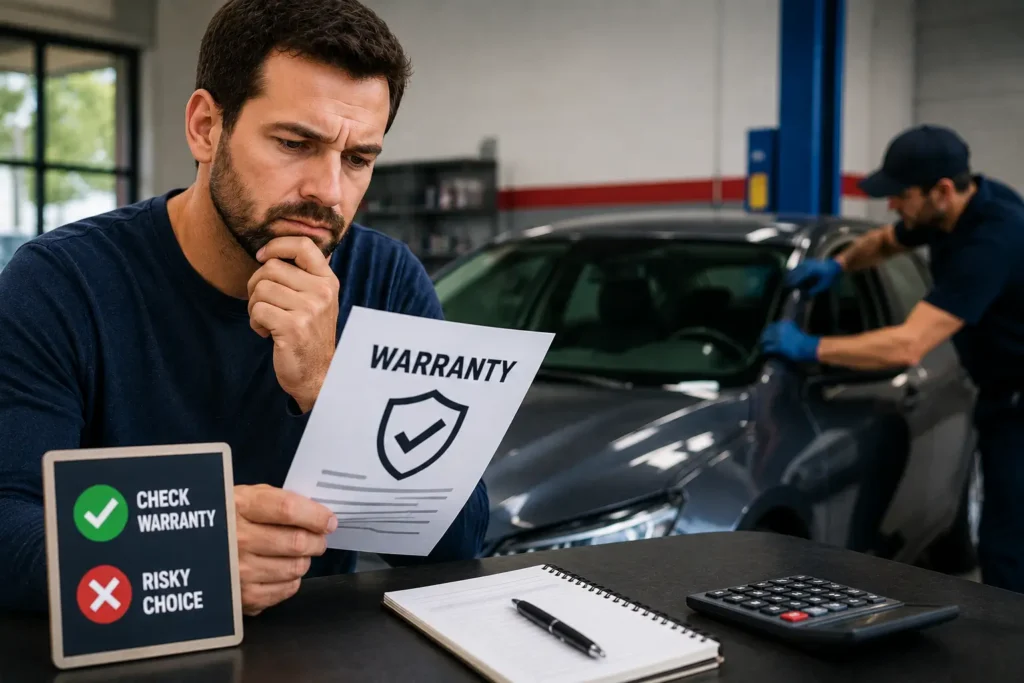
A warranty protects you if something goes wrong after installation. Skipping this step is a common mistake.
I’ve seen windshields installed with no warranty, only for the adhesive to fail within months. Customers had to pay full replacement costs, which could have been avoided with a reputable company.
Check both material and labor warranties. Quality shops often offer lifetime warranties on materials and workmanship, giving you peace of mind.
Difference between material and labor warranties
Material warranties cover defects in glass itself, while labor warranties protect against installation errors. Both are critical. A perfect glass piece installed incorrectly is useless, and a perfect installation on flawed glass can crack easily.
How to read fine print
Some shops offer “lifetime warranty” but exclude adhesives or sensor recalibration. Always ask what’s included—does it cover leaks, cracks, and ADAS recalibration? Understanding this saves you from paying again for avoidable problems.
Using warranty for ADAS calibration coverage
Many warranties now include calibration, but only if installation followed manufacturer guidelines. If your ADAS sensors fail after a replacement and the company skipped calibration, a proper warranty ensures they correct it at no extra cost.
4. Overlooking Customer Reviews
Ignoring reviews is a major mistake. Reviews reveal consistency, professionalism, and customer satisfaction.
A local shop looked cheap, but positive reviews mentioned precise installations and excellent sensor recalibration. Reviews helped me recommend it to a client who needed ADAS calibration after replacement.
Check Google, Yelp, and industry forums. Look for patterns in complaints and compliments.
Reading reviews critically
Look beyond star ratings. Positive reviews should mention installation quality, sensor calibration, and post-installation support. Negative reviews often highlight recurring issues or rushed installations.
How to spot red flags in customer feedback
If multiple reviewers mention leaks, sensor problems, or rushed appointments, consider it a warning. Even high ratings can mask frequent small problems, so read the details.
Balancing online reviews with personal referrals
Referrals from friends or family provide context online reviews can’t. A neighbor may tell you a technician goes above and beyond to ensure sensors are properly aligned—something stars alone won’t reveal.
5. Not Asking About ADAS Calibration
Modern vehicles require precise sensor alignment after windshield replacement. Not asking about calibration can be dangerous.
I once replaced a windshield on a Tesla. The owner didn’t mention ADAS. Post-installation, lane assist and collision warning failed. We had to recalibrate manually, costing more than the initial installation.
Always confirm if the shop can handle camera, radar, and sensor alignment.
Which systems require calibration
Lane departure, adaptive cruise control, forward collision, and automatic braking all rely on precise sensor placement. Any windshield replacement without recalibration can compromise these systems.
How calibration is performed
Technicians use specialized equipment to align cameras and radar sensors with vehicle specifications. This may involve software diagnostics and laser alignment tools. Skipping these steps is dangerous.
Why skipping calibration risks safety
Misaligned sensors can trigger false alerts, disable features, or prevent airbags from deploying correctly. In my decades of experience, I’ve seen even minor misalignment cause costly repairs and safety risks.
6. Rushing the Decision
Some drivers schedule the first available appointment without research. I’ve seen rushed choices lead to problems.
One customer booked a replacement the same day their windshield cracked. The shop used inexperienced staff and low-quality materials. Weeks later, a small leak became a crack.
Take time to research, ask questions, and verify certifications. Rushing can compromise safety and quality.
Importance of research time
Even a cracked windshield doesn’t justify picking the first available shop. Take time to verify credentials, certifications, and reviews. Quality work requires deliberate selection.
Questions to ask before booking
Ask about glass type, adhesive brand, curing time, ADAS calibration, and warranties. Detailed answers indicate a company that prioritizes quality.
Avoiding last-minute mistakes
Rushing can mean inexperienced staff or low-quality glass. I’ve seen clients return after last-minute replacements with leaks and sensor failures—completely avoidable with proper planning.
7. Ignoring Vehicle-Specific Requirements
Not all vehicles are the same. Ignoring specific needs is a big mistake.
For example, a Subaru Forester with ADAS requires precise windshield placement for camera alignment. A generic shop might overlook this.
Understand your vehicle’s requirements—sensor placement, adhesive type, and glass specifications—before choosing a shop.
Differences for SUVs, sedans, and EVs
Windshield placement, sensor position, and adhesive requirements differ between vehicle types. An SUV with tall cameras may need extra alignment checks compared to a compact sedan. EVs often require OEM glass to integrate advanced sensors.
Sensor-specific placement concerns
ADAS sensors are highly sensitive. Even slight deviations can affect lane keeping, collision warnings, and adaptive cruise. Ensure the shop understands your vehicle’s requirements.
Glass type and OEM standards
OEM glass guarantees proper thickness, curvature, and sensor compatibility. Some aftermarket options may fit but fail to maintain these standards, affecting performance and safety.
8. Failing to Inspect Materials
Some shops use inferior glass or adhesives. Not inspecting these materials can lead to leaks, cracks, or sensor misalignment.
I once saw a windshield with tiny bubbles in the adhesive layer. Over time, the bubbles expanded and caused leaks. Proper inspection could have avoided the problem.
Check glass thickness, brand, and adhesive quality. Ask if OEM or equivalent materials are used.
How to inspect adhesives
Adhesives should be applied evenly without bubbles or gaps. Improper adhesives lead to leaks, cracks, and misalignment. I’ve encountered windshields with small air pockets that grew over time—something careful inspection could prevent.
Recognizing OEM vs aftermarket glass
OEM glass comes with manufacturer marks and consistent clarity. Aftermarket options vary in thickness, curvature, and optical quality, which can interfere with sensors.
Why material quality affects longevity
Inferior materials compromise safety and durability. Quality glass and adhesives maintain structural integrity during collisions and harsh weather, protecting both passengers and vehicle systems.
9. Not Confirming Mobile vs In-Shop Services
Some drivers assume mobile services are always safe. While convenient, not all mobile services meet quality standards.
I’ve had customers with windshields installed in their driveway that later leaked. The environment affected curing and alignment.
Confirm equipment, experience, and environment before choosing mobile installation.
Pros and cons of mobile installation
Mobile installations are convenient but can be affected by temperature, wind, or uneven surfaces. In-shop installations provide controlled environments, reducing risk.
Ensuring proper curing and alignment
Mobile installations must follow strict procedures for curing adhesives and aligning glass. Skipping these steps risks leaks and sensor errors.
Checking shop experience for mobile work
Experienced mobile teams bring professional tools, heaters, and calibration equipment to the job site. Always verify their experience and past success stories.
10. Skipping Post-Installation Instructions
Even after perfect installation, ignoring post-installation care causes problems.
Drivers often drive immediately over bumps or wash the car too soon, causing adhesive failure or sensor misalignment. I always advise waiting at least 24 hours before heavy driving or washing.
Follow all instructions to maintain safety, durability, and calibration accuracy.
Recommended wait times
Most adhesives require 24–48 hours to fully cure. Driving or washing the car too soon compromises the bond and can cause leaks or cracks.
Avoiding early stress on adhesives
Avoid rough roads, potholes, and slamming doors immediately after installation. Even small shocks can affect the adhesive bond.
Maintaining ADAS sensor accuracy
Driving immediately without curing or ignoring calibration instructions can misalign cameras and radar. Following instructions ensures your vehicle’s safety systems work as intended.
FAQs
Q1: How do I know if my windshield needs ADAS calibration?
If your vehicle has lane departure warning, forward collision warning, or adaptive cruise control, calibration is necessary whenever the windshield is replaced or shifted.
Symptoms include warning lights, inaccurate lane assist, or collision alerts. Always have a certified technician perform calibration to ensure safety.
Q2: Can I replace my windshield with aftermarket glass?
Yes, but aftermarket glass may differ slightly in dimensions or material. Using OEM or high-quality equivalent glass is crucial, especially for vehicles with ADAS, to prevent misalignment or sensor errors.
Q3: How long does windshield adhesive need to cure?
Adhesive typically requires 24–48 hours to fully cure, depending on temperature and humidity. Driving too soon may risk leaks, cracks, or misalignment. Follow technician instructions carefully.
Q4: Are mobile auto glass services reliable?
Mobile services can be convenient, but quality varies. Ensure the technician uses proper tools, certifications, and controlled environments for adhesive curing. Some complex vehicles still require in-shop installations for safety.
Q5: What should I ask an auto glass company before hiring them?
Ask about certifications, warranties, experience with your vehicle model, ADAS calibration capability, and materials used. Also confirm post-installation instructions and service guarantees.
Conclusion
Choosing the right auto glass company is about more than just price—it’s about safety, quality, and peace of mind. Avoiding these top 10 mistakes ensures proper installation, functioning safety systems, and long-term durability.
Take your time, ask questions, verify certifications, and follow post-installation instructions carefully. Your windshield protects you every time you drive—treat it with the attention it deserves.