I’ve been in the auto glass industry for over three decades, working on everything from classic ’90s cars to modern Teslas. My name is Ray. Over the years, I’ve seen every type of windshield crack imaginable. Some are simple chips that a resin repair can fix in minutes. Others are disasters waiting to happen if ignored.
One question I get asked constantly by drivers in Sterling Heights, Auburn Hills, and across Michigan is: “Which cracks can’t be repaired?” It’s a crucial question. Choosing the wrong repair method can compromise safety, trigger airbag malfunctions, or lead to a costly replacement down the line.
Let’s break it down based on decades of hands-on experience, common mistakes I’ve seen, and the realities of modern vehicles.
Understanding Windshield Damage
Not all cracks are created equal. Windshields are made of laminated safety glass, which is essentially a sandwich of two glass layers with a plastic interlayer in between.
This design is critical because it absorbs impact and prevents the windshield from shattering during collisions, protecting passengers and ensuring airbags deploy correctly.
When damage occurs, the location, size, and type of crack determine whether it can be safely repaired. In my 30+ years in the industry, I’ve repaired thousands of minor chips and cracks, but I’ve also seen countless DIY attempts fail, often making the damage worse or compromising structural integrity.
Common types of windshield damage include star breaks, bullseyes, edge cracks, and long cracks. Star breaks are small impacts that radiate outward, while bullseye chips are circular and usually caused by small rocks. Edge cracks start at the windshield’s frame and are particularly dangerous, and long cracks often exceed six inches.
Certain cracks, particularly near ADAS sensors or along edges, are unsafe to repair, requiring professional evaluation or replacement. Understanding these distinctions is crucial to preventing further damage and ensuring vehicle safety.
Size Matters: Long Cracks
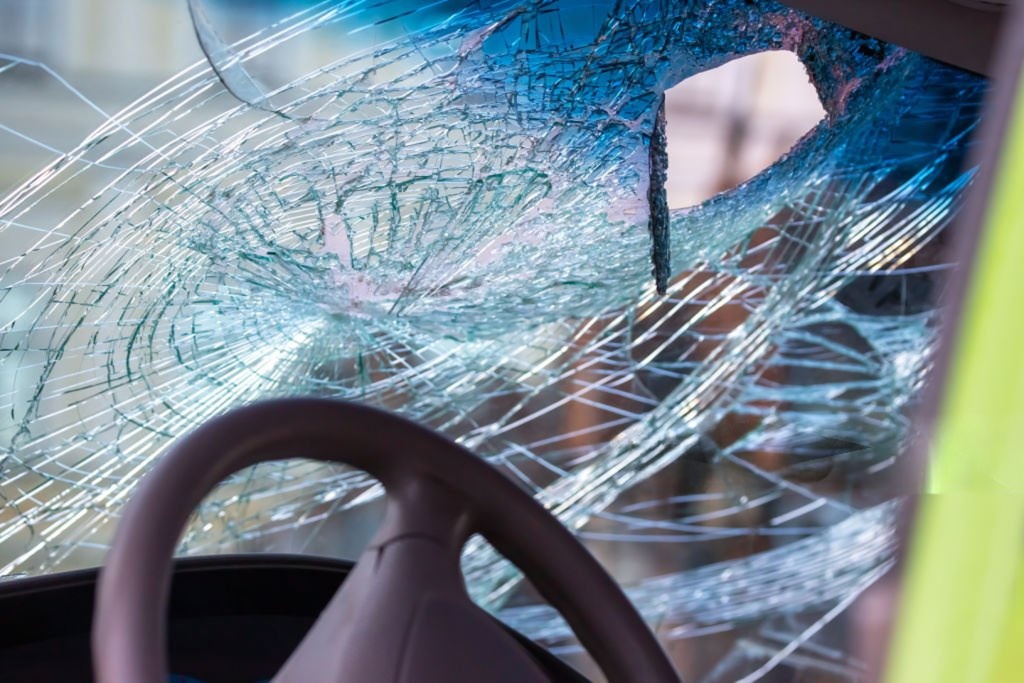
Cracks longer than six inches are almost always considered unrepairable. This is because longer cracks compromise the structural integrity of the windshield, reducing its ability to protect passengers during a collision or rollover. Repair resin may not fully penetrate such cracks, leaving weak spots that can easily expand.
In Michigan, temperature swings, road vibrations, and winter salt accelerate crack growth, making a small long crack turn into a full replacement job very quickly. I remember a case in Fenton where a driver attempted a DIY fix on a 10-inch crack. Within days, the crack spread across the windshield, forcing a professional full replacement.
Long cracks also risk optical distortion, which can affect visibility and ADAS sensor performance. Insurance companies typically require replacement for cracks of this length, especially if the vehicle has cameras or sensors integrated into the windshield. The lesson is simple: if the crack exceeds six inches, professional replacement is the safest and most cost-effective solution, preventing future failures, safety hazards, and potential insurance complications.
Edge Cracks: Dangerous Zones
Edge cracks, which start at or near the windshield frame, are among the most dangerous types of damage. These cracks weaken the bond between the glass and vehicle frame, compromising the structural integrity of the windshield. Even a small edge crack can propagate rapidly under stress, particularly in Michigan winters, where road salt, ice, and temperature swings increase the risk of crack expansion.
Edge cracks are especially concerning for rollover protection and proper airbag deployment. I once removed a windshield from a Sterling Heights SUV that had a minor edge crack. Winter stress had caused it to spread, and if left unrepaired, the vehicle’s airbag might not have deployed correctly in a collision.
Repairing edge cracks with resin is almost always ineffective, as the bond between the resin and glass is insufficient near the weakened edge. Professional replacement ensures that the windshield maintains its protective role and that all safety systems function as designed. When it comes to edge cracks, early replacement is always safer than attempting repair.
Cracks Over Sensors and Cameras
Modern vehicles increasingly rely on ADAS (Advanced Driver Assistance Systems), which include cameras for lane departure warnings, forward collision alerts, rain sensors, and heads-up displays.
Cracks that appear over these sensors or cameras cannot be repaired safely. Even small chips can create optical distortion, leading to false alerts, inaccurate readings, or total sensor malfunction. Proper calibration after windshield replacement is critical, and a poorly repaired or misaligned glass can compromise safety features, such as automatic braking or lane-keeping assistance.
I’ve personally calibrated hundreds of ADAS-equipped windshields in Sterling Heights and Auburn Hills. Even a minor crack along a sensor’s line of sight can affect performance. Insurance often covers full replacement and calibration if handled by a certified professional. DIY repairs or improper fixes in these zones can lead to costly errors, compromised safety, and possible insurance disputes.
For any crack over ADAS cameras or sensors, full professional replacement is the safest, most reliable choice.
Multiple Cracks and Star Breaks
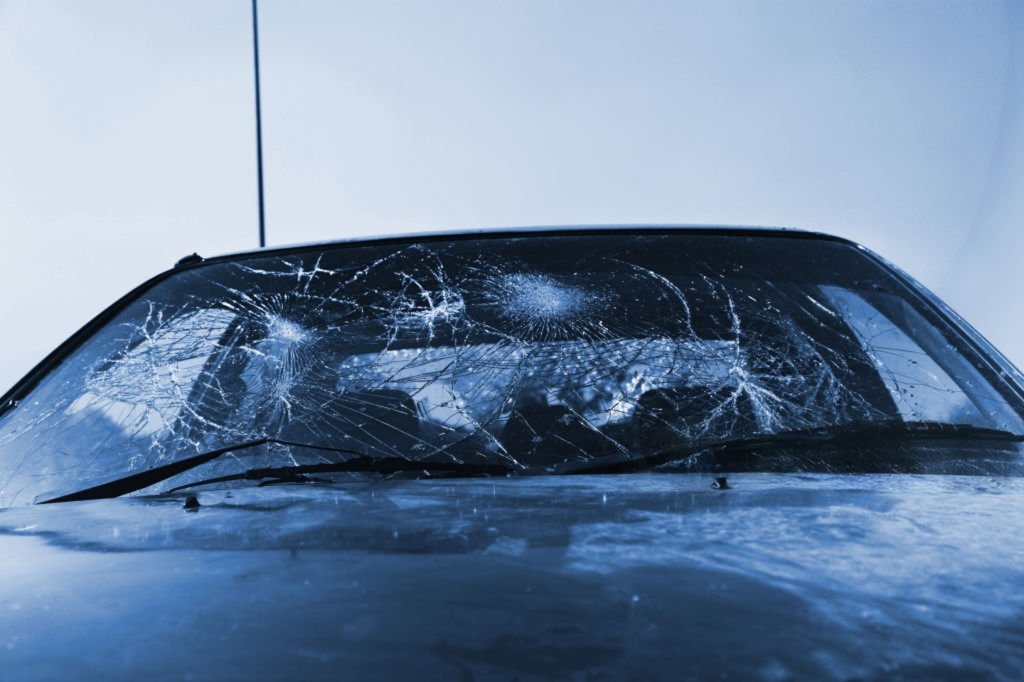
Windshields with multiple chips or star breaks are rarely repairable. Clusters of cracks reduce the structural integrity of the glass, making it vulnerable to further spreading. Resin repairs may work for single, isolated chips, but multiple cracks interact with one another, creating weak points that a repair cannot stabilize.
In Michigan, winter gravel, potholes, and road salt often result in multiple chips, especially on vehicles in Auburn Hills or Sterling Heights.
Even if individual chips are small, the combined effect creates safety risks and optical distortions that affect visibility. Attempting to repair multiple star breaks with resin is usually ineffective, and insurance companies typically require full replacement to restore proper strength and ensure safety compliance.
Professional replacement guarantees structural stability, restores windshield integrity, and maintains proper function of safety systems like airbags and ADAS sensors. Safety always takes precedence over attempting cost-saving repairs for clustered cracks.
Improperly Healed or Old Cracks
Cracks that are older than 30 days are generally considered unrepairable. Over time, dirt, moisture, and UV exposure penetrate the damaged area, weakening the glass and preventing resin from bonding correctly. Previous DIY attempts can also create air pockets or uneven surfaces that render repairs ineffective.
I once encountered a six-month-old crack that a driver tried to fix with a DIY kit in Michigan. The resin failed to bond properly, and the crack expanded further during winter, necessitating a full replacement. Old cracks are particularly vulnerable to temperature fluctuations and road stress, making delayed repairs unsafe.
Professional replacement ensures that the windshield regains full structural integrity, maintains proper adhesion, and prevents future failures. Timely evaluation is critical; cracks should be addressed as soon as they appear to avoid complications. When damage is old, replacement is the safest, most reliable solution for both safety and insurance coverage.
Seasonal Considerations in Michigan
Michigan weather is tough on windshields:
- Winter: Temperature swings stress glass, expand cracks
- Summer: Heat causes resin to expand or fail if applied incorrectly
- Road Conditions: Gravel and salt exacerbate damage
Certain cracks that might be repairable in milder climates are not safe to repair here. Edge cracks, multiple star breaks, and long cracks are particularly vulnerable to Michigan’s extreme weather.
Professional vs DIY: Why Installation Matters
Attempting DIY repairs on unrepairable cracks is risky. Improper application can lead to:
- Optical distortion
- Resin separation
- Rapid crack propagation
- ADAS malfunction
Professional installation uses proper tools, clean surfaces, and adhesive curing protocols to maximize safety. Even when insurance covers a replacement, skipping professional service can compromise protection.
Signs Your Windshield Crack Cannot Be Repaired
- Crack exceeds six inches in length
- Crack starts at or near the edge
- Multiple cracks or star break clusters
- Damage over sensors or cameras
- Old or previously repaired cracks
- Structural weakness or compromised adhesion
Recognizing these signs early saves time, money, and ensures safety.
Frequently Asked Questions
1. Can a long crack be repaired with resin?
Technically, small portions of a long crack might accept resin, but cracks longer than six inches are generally unrepairable.
Long cracks compromise the structural integrity of the windshield, making it unsafe to drive on even after resin repair. In Michigan, temperature swings, winter road salt, and vibrations from potholes accelerate the spread of these cracks.
I’ve seen drivers in Sterling Heights and Auburn Hills attempt DIY fixes on 10-inch cracks, only to have the damage spread within days, forcing a full replacement. Even if resin temporarily fills the crack, weak points remain that could compromise safety in an accident or affect airbag deployment. Professional replacement is always the safest approach for long cracks.
Attempting a repair could lead to optical distortions, uneven curing, and potential failures during collisions. The key takeaway: if the crack exceeds six inches, full professional replacement is the only reliable and safe option.
2. Are edge cracks always unrepairable?
Yes, cracks that start at or near the windshield edge are considered unrepairable. Edge cracks weaken the bond between the glass and vehicle frame, which is crucial for structural integrity, especially during collisions or rollovers.
Even a small edge crack can interfere with proper airbag deployment, putting passengers at risk. Michigan winters worsen edge cracks quickly due to temperature fluctuations, ice expansion, and road salt.
I recall a Sterling Heights SUV where a minor edge crack under winter stress spread across the windshield, compromising safety. Repairs using resin are generally ineffective in these cases because the adhesive cannot stabilize the compromised area.
Certified technicians always recommend full windshield replacement for edge cracks to maintain both structural support and safety system functionality. Ignoring edge cracks or attempting DIY fixes could result in rapid crack propagation and serious safety hazards.
3. What about cracks over ADAS cameras or sensors?
Cracks that occur in front of Advanced Driver Assistance Systems (ADAS), such as forward collision cameras, lane departure sensors, or rain sensors, cannot be safely repaired. Even minor chips in these areas can distort optical readings, triggering false warnings or disabling safety features. Proper calibration is critical for ADAS functionality, and only full professional replacement ensures that sensors and cameras remain accurate.
I’ve calibrated hundreds of ADAS-equipped windshields, and I can confirm that improper repair can cause ongoing malfunctions. In Michigan, winter conditions often hide small chips until they worsen, making timely reporting and replacement essential. Insurance often covers ADAS-related repairs if handled professionally.
DIY attempts or partial repairs risk sensor misalignment, potentially compromising features like automatic braking, lane-keeping assistance, and collision warnings. When cracks are located over sensors, replacement is the safest and most reliable choice for both insurance coverage and driver safety.
4. Can multiple star breaks be repaired?
No. Multiple star breaks, especially clustered together, are not candidates for safe repair. When several chips or cracks are close together, filling each with resin becomes ineffective because the cracks interact and stress the windshield unevenly.
Structural integrity is compromised, making the windshield prone to spreading cracks, leaks, or failure during a collision. In Michigan, road conditions like gravel and winter salt often cause clusters of chips on local vehicles in Auburn Hills and Sterling Heights. Even if individual chips are small, the cumulative effect of multiple star breaks weakens the windshield. Attempting a repair could also create optical distortion, reducing visibility and increasing the risk of accidents. Full replacement by a certified professional ensures proper adhesion, structural integrity, and compatibility with safety systems. In these cases, prioritizing safety over cost is essential.
5. Does age of the crack matter?
Absolutely. Cracks older than 30 days are typically unrepairable. Over time, dirt, moisture, and UV exposure penetrate the damaged area, preventing repair resin from bonding correctly with the glass.
This creates weak spots that can spread or fail under stress. I once encountered a six-month-old crack in a Sterling Heights vehicle where a DIY attempt failed entirely; the crack expanded during winter, necessitating full replacement.
Michigan’s extreme temperatures accelerate crack growth and reduce repair effectiveness for older damage. Even professional resin applications are unlikely to succeed on aged cracks. Timely reporting and repair are critical. If a crack is older than 30 days, professional replacement is the safest and most reliable choice to restore structural integrity, maintain sensor functionality, and ensure passenger safety.
6. Can DIY repairs work on unrepairable cracks?
DIY kits are only suitable for minor chips, generally under one inch and located away from the edges or sensors. Long cracks, edge cracks, multiple star breaks, or cracks over ADAS sensors cannot be safely repaired with DIY kits.
Attempting DIY fixes on these cracks can result in optical distortion, uneven bonding, and rapid propagation, compromising both structural integrity and safety features like airbags or lane departure warnings. I’ve seen numerous Michigan drivers try DIY repairs during winter, only to see cracks spread within days.
Certified technicians follow strict procedures, ensuring proper cleaning, resin application, curing, and calibration, especially for modern vehicles. For anything beyond a small isolated chip, professional evaluation and replacement are the only safe options. Attempting DIY re
Final Thoughts
After 30+ years repairing and replacing windshields, I’ve learned that not every crack can or should be repaired. Size, location, age, and technology integration determine whether a crack is fixable. Michigan drivers face additional challenges from winter salt, temperature swings, and road debris.
When you’re asking, “What windshield cracks cannot be repaired?”, remember: your windshield is a critical safety component. Ignoring unrepairable cracks or attempting DIY fixes can compromise airbags, sensors, and structural integrity. Professional evaluation ensures the right decision, whether that’s a repair or a full replacement.
Drive safely, inspect your glass regularly, and when in doubt, consult a certified technician. Your family, safety, and peace of mind depend on it.