
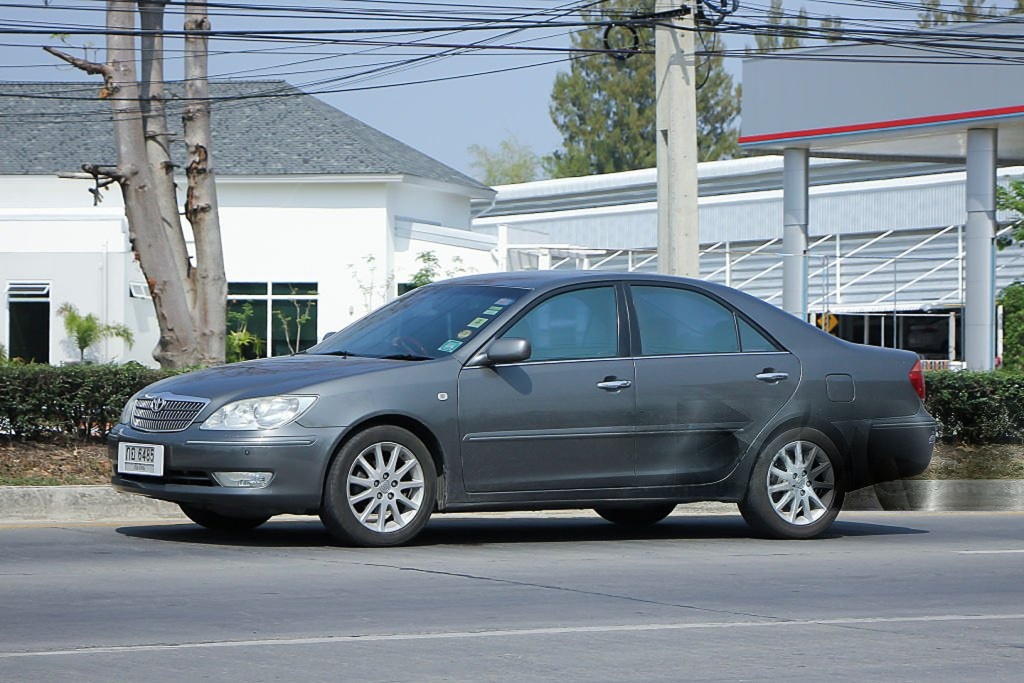
I’m Ray. I’ve been in the auto glass business for over 30 years, starting back in the 90s when windshields were simple panes of glass and installation mostly meant careful hands and a halogen lamp.
Today, replacing a Toyota Camry windshield is a more intricate process — especially for models equipped with ADAS (Advanced Driver Assistance Systems).
Camrys are among the most popular sedans in Michigan — in Troy, Sterling Heights, Pontiac, Warren, and Rochester Hills — and that popularity means I see everything from minor chips to full-blown cracks caused by gravel, winter salt, or road debris.
So when a customer asks, “Ray, what does it take to replace my Camry windshield?”, I don’t just give them a price. I talk about safety, technology, and long-term durability. Let me walk you through it, step by step.
Why Windshield Replacement Matters for Your Camry
Your windshield is far more than a window — it’s a critical structural component of your Camry. In the event of a rollover, it supports the roof, helping prevent collapse and protecting occupants. It also works alongside airbags to provide proper impact cushioning during collisions.
For modern Camrys, especially 2018 and newer models, the windshield houses ADAS (Advanced Driver Assistance Systems) like lane departure alerts, adaptive cruise control, pre-collision systems, and rain-sensing wipers.
Even minor distortions or misalignments in replacement glass can disrupt these systems. Choosing the right glass and ensuring proper installation are just as important as price to maintain both safety and technology performance.
OEM vs Aftermarket Windshield Options
When replacing a Camry windshield, you’ll generally have two choices: OEM or aftermarket glass. OEM glass comes directly from Toyota suppliers, ensuring perfect curvature, optical clarity, and ADAS sensor compatibility. This guarantees safety and proper functioning of advanced systems but comes at a higher price. Aftermarket glass, produced by third-party manufacturers, can be more affordable, but quality varies widely. Poorly made aftermarket windshields can misalign cameras or sensors, causing false alerts or system errors.
For Camrys with ADAS or heads-up displays, OEM glass is recommended. Older, sensor-free models can often use certified aftermarket windshields safely, providing a balance of cost savings and reliability.
Cost of Windshield Replacement for Toyota Camry in Michigan
The cost of replacing a Toyota Camry windshield depends on year, trim, and ADAS technology. Older models (2012–2017) without sensors typically cost $300–$550, requiring only a straightforward installation. Mid-range Camrys (2018–2021) with some ADAS features range from $550–$900, possibly needing calibration for lane departure or rain sensors.
High-tech models (2022+) with full ADAS functionality may cost $900–$1,400+, as pre-collision, adaptive cruise, and heads-up systems require precise calibration. Other factors affecting cost include the choice between OEM and aftermarket glass, labor rates in Michigan, calibration requirements, and mobile or emergency service fees. Accurate pricing accounts for both installation and sensor alignment.
Understanding ADAS Calibration
For Camrys equipped with ADAS, windshield replacement involves more than simply installing glass. Lane departure, adaptive cruise, and pre-collision systems rely on precise camera and sensor alignment.
Even minor misalignment can trigger false warnings, malfunctioning adaptive cruise, or incorrect alerts. Calibration ensures these systems function exactly as Toyota intended.
There are two types: static calibration, which uses targets in a controlled, stationary environment, and dynamic calibration, performed on the road as the vehicle collects real-time data. Skipping or performing calibration incorrectly can compromise safety. Proper calibration by experienced professionals ensures your ADAS features remain reliable and accurate for daily driving.
Installation Process for Camry Windshields
Replacing a Camry windshield involves several careful steps to ensure safety and durability. First, the old glass is removed, and the pinch weld is thoroughly cleaned.
Next, Toyota-approved primer and urethane adhesive are applied to ensure strong bonding. The replacement glass — OEM or high-quality aftermarket — is carefully positioned, and adhesive curing is allowed, especially in cold Michigan conditions, to prevent leaks or weak bonds. For ADAS-equipped vehicles, cameras and sensors are aligned and calibrated according to manufacturer specifications.
Rushing any step can cause wind noise, leaks, or sensor malfunctions. Proper installation guarantees both structural integrity and reliable ADAS performance.
Signs Your Camry Windshield Needs Immediate Replacement
Not every chip requires full replacement, but some damage should never be ignored.
If a crack is longer than several inches, reaches the edge of the glass, or sits directly in the driver’s line of sight, replacement is usually the safest option. Damage near the forward-facing camera area is also a concern, as it can interfere with sensor visibility.
In Michigan, small cracks often spread quickly during freeze-thaw cycles. What looks minor in the afternoon can expand overnight. Acting early prevents further structural weakening and avoids more expensive repairs later.
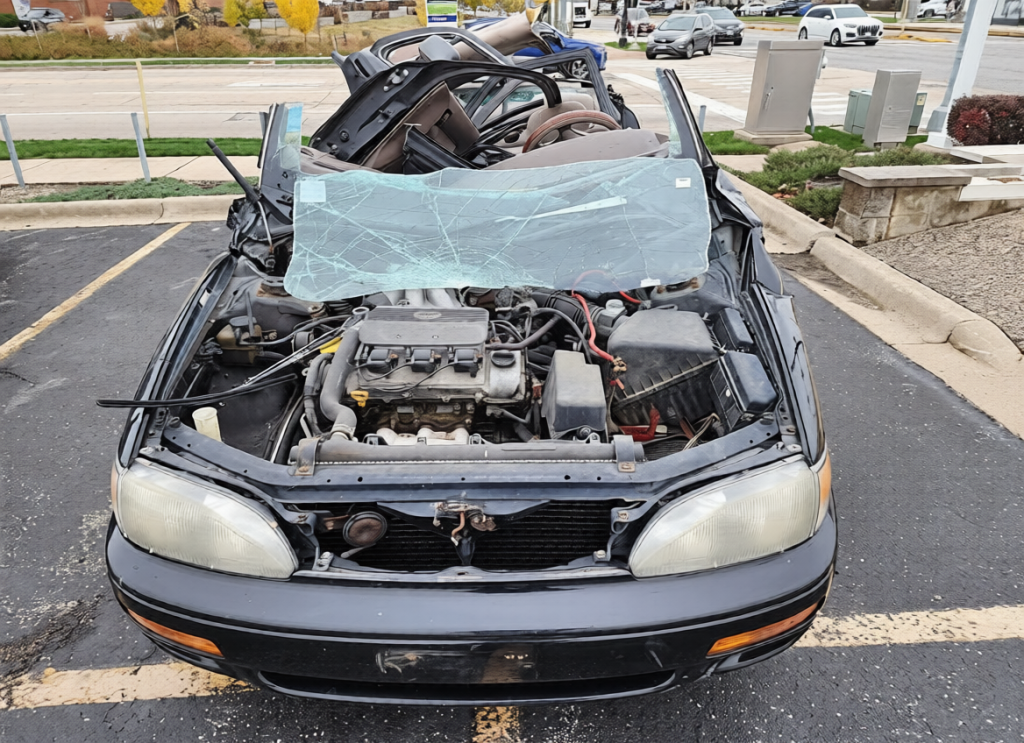
Toyota Camry Model Years and ADAS Differences (2012–2024)
Camry windshield replacement complexity varies by generation.
Models from 2012 to 2017 generally do not include forward-facing camera systems. Replacement on these vehicles is more straightforward and does not require camera calibration.
Starting in 2018, Toyota introduced broader use of Toyota Safety Sense, integrating lane departure and pre-collision systems into the windshield area. From 2022 onward, these systems became more refined, increasing calibration precision requirements.
Understanding your model year helps determine both cost and procedure.
Mobile vs In-Shop Windshield Replacement
Mobile windshield replacement offers convenience, but the environment matters.
In warmer months, mobile installation can work well. However, in Michigan winters, cold temperatures can affect adhesive curing and calibration accuracy. Indoor installation provides controlled temperature and lighting conditions, which are particularly important for vehicles requiring static calibration.
For newer Camrys with ADAS features, in-shop replacement often provides the most consistent results.
What Happens If ADAS Is Not Calibrated Properly?
Improper calibration may not cause immediate visible problems, but it can create serious safety risks.
A misaligned camera can delay automatic braking or misinterpret lane markings. Adaptive cruise control may follow vehicles at incorrect distances. In emergency situations, even small errors can have large consequences.
Calibration ensures that the system performs exactly as engineered by Toyota. It is a critical safety step, not an optional add-on.
Windshield Warranty: What Camry Owners Should Ask About
Before approving any replacement, it is wise to ask about warranty coverage.
A professional installer should stand behind both the glass and the workmanship. This includes protection against leaks, defects in optical clarity, and calibration-related issues.
Warranty coverage reflects confidence in installation quality and provides peace of mind long after the service is complete.
Is It Safe to Drive Immediately After Replacement?
Every windshield replacement has a recommended safe drive-away time. This depends on temperature, humidity, and adhesive type.
Driving too soon can weaken the bond between the glass and frame. Since airbags rely on windshield support during deployment, proper curing time is essential. Allowing the adhesive to reach safe strength ensures that the structural integrity of the vehicle remains intact.
Patience during this stage protects both safety systems and long-term durability.
Common Causes of Camry Windshield Damage in Michigan
Michigan roads pose multiple threats to Camry windshields. Construction sites scatter small rocks and gravel, which can chip laminated glass. Winter conditions, including road salt and sand, accelerate cracks and edge corrosion.
Extreme temperature swings, freeze-thaw cycles, and parking lot accidents further stress the glass. Small chips that are left untreated can quickly spread into larger cracks, requiring full replacement. Prompt repair prevents further damage and ensures ADAS sensors continue functioning accurately. By understanding these common causes, Camry drivers can take proactive steps to protect their windshields and reduce costly replacements.
Cost-Saving Tips Without Sacrificing Safety
.it’s a qualified yes, meaning: choose quality glass, hire an experienced installer. You can save money on windshield care without compromising safety. Repairing small chips promptly prevents the need for full replacement. Choosing certified aftermarket glass is acceptable for older, sensor-free Camrys.
Scheduling replacements during mild weather avoids adhesion or calibration issues caused by extreme temperatures. Regularly checking your insurance plan can help you take advantage of zero-deductible glass coverage. While it’s tempting to cut costs, never compromise sensor alignment or structural integrity.
Following these practices ensures your windshield remains safe, clear, and fully functional, while helping you avoid expensive repairs or replacement caused by neglect or low-quality installation.
Frequently Asked Questions
1. How much does it cost to replace a Camry windshield in Michigan?
The cost of replacing a Toyota Camry windshield in Michigan varies based on the model year, trim, and whether it has ADAS features.
Older Camrys without sensors typically range from $300 to $550, while mid-range models with some ADAS features cost $550 to $900. Newer Camrys equipped with advanced ADAS systems, including lane departure, adaptive cruise, and pre-collision cameras, can cost $900 to $1,400 or more, including calibration.
Factors like OEM versus aftermarket glass, labor rates, and emergency or mobile service fees also affect pricing. Accurate quotes should always consider both installation and any required sensor calibration.
2. Can I repair a small chip instead of replacing the windshield?
Yes, small chips can often be repaired instead of replacing the entire windshield. Chips smaller than a quarter, especially those away from ADAS sensors and camera areas, can usually be fixed quickly and cost-effectively.
Prompt repair prevents the chip from spreading into a full crack caused by road vibrations, temperature changes, or winter freeze-thaw cycles in Michigan. Timely action preserves the structural integrity of the windshield and ensures that ADAS systems continue to function properly.
Repairing early can save significant money while maintaining safety, making it a preferred choice for minor damage before it escalates.
3. Do I need calibration after replacing my Camry’s windshield?
Yes, if your Camry is equipped with ADAS features, proper calibration is essential. Lane departure, adaptive cruise, pre-collision, and rain-sensing systems rely on precise camera and sensor alignment built into the windshield. Without calibration, these systems may give false alerts, fail to function correctly, or compromise safety during emergency situations.
Calibration can be static, using controlled targets while the vehicle is stationary, or dynamic, performed on the road while sensors collect real-time data. Skipping this step is risky, and many inexperienced installers overlook it. Professional calibration ensures your safety systems operate exactly as Toyota designed them.
4. Does insurance cover Camry windshield replacement?
Most comprehensive auto insurance plans in Michigan cover windshield replacement. Some policies even provide zero-deductible glass coverage, making repair or replacement very cost-effective.
Coverage typically includes labor and glass, but ADAS calibration fees may vary depending on the policy. Since windshield damage from debris or road hazards is non-collision, filing a claim usually does not impact your rates as much as an accident claim.
It’s essential to confirm with your insurance agent whether your specific plan covers calibration, OEM glass, or aftermarket options. Prompt repair or replacement under insurance can save money and maintain safety without waiting for damage to worsen.
5. How long does windshield replacement take for a Camry?
Windshield replacement for a Toyota Camry generally takes 1–2 hours under normal conditions. For vehicles with ADAS features, calibration can add an additional 1–2 hours, depending on the complexity of the sensors and camera systems. Factors like year, trim, weather, and the installer’s experience can influence timing. In Michigan, cold winter conditions require proper adhesive curing, which can extend installation slightly.
Proper replacement ensures structural integrity, prevents leaks or wind noise, and allows ADAS features to function correctly. Planning for the full process ensures safety and avoids errors from rushing the installation or calibration.
6. Can aftermarket windshields affect ADAS performance?
Yes, aftermarket windshields can affect ADAS performance if the glass is not high-quality or installed correctly. Variations in thickness, curvature, optical clarity, or lamination can misalign cameras and sensors, causing false warnings or system malfunction.
Low-grade glass may also distort images or affect heads-up displays. Certified aftermarket or OEM windshields designed for Toyota Camry are recommended to ensure safety features function as intended.
Proper professional installation, including ADAS calibration, is essential. For Camrys with lane departure, adaptive cruise, or pre-collision systems, choosing the right windshield protects both your investment and your safety on Michigan roads.
Final Thoughts
Over my 30+ years in this trade, I’ve replaced windshields on everything from ’90s sedans to modern Teslas. The Toyota Camry stands out because even small details — curvature, sensor alignment, lamination — matter for safety.
Troy, Sterling Heights, Pontiac, Warren, and Rochester HillsWhen a customer asks me, “Ray, is it safe and worth replacing my Camry windshield?”, my answer isn’t just yes — it’s a qualified yes, meaning: choose quality glass, hire an experienced installer, and don’t skip ADAS calibration if needed.
Your windshield is more than glass; it’s a safety system. Treat it with respect, and your Camry will continue keeping you safe on Michigan roads — from the busy streets of Troy to snowy backroads in Pontiac.