
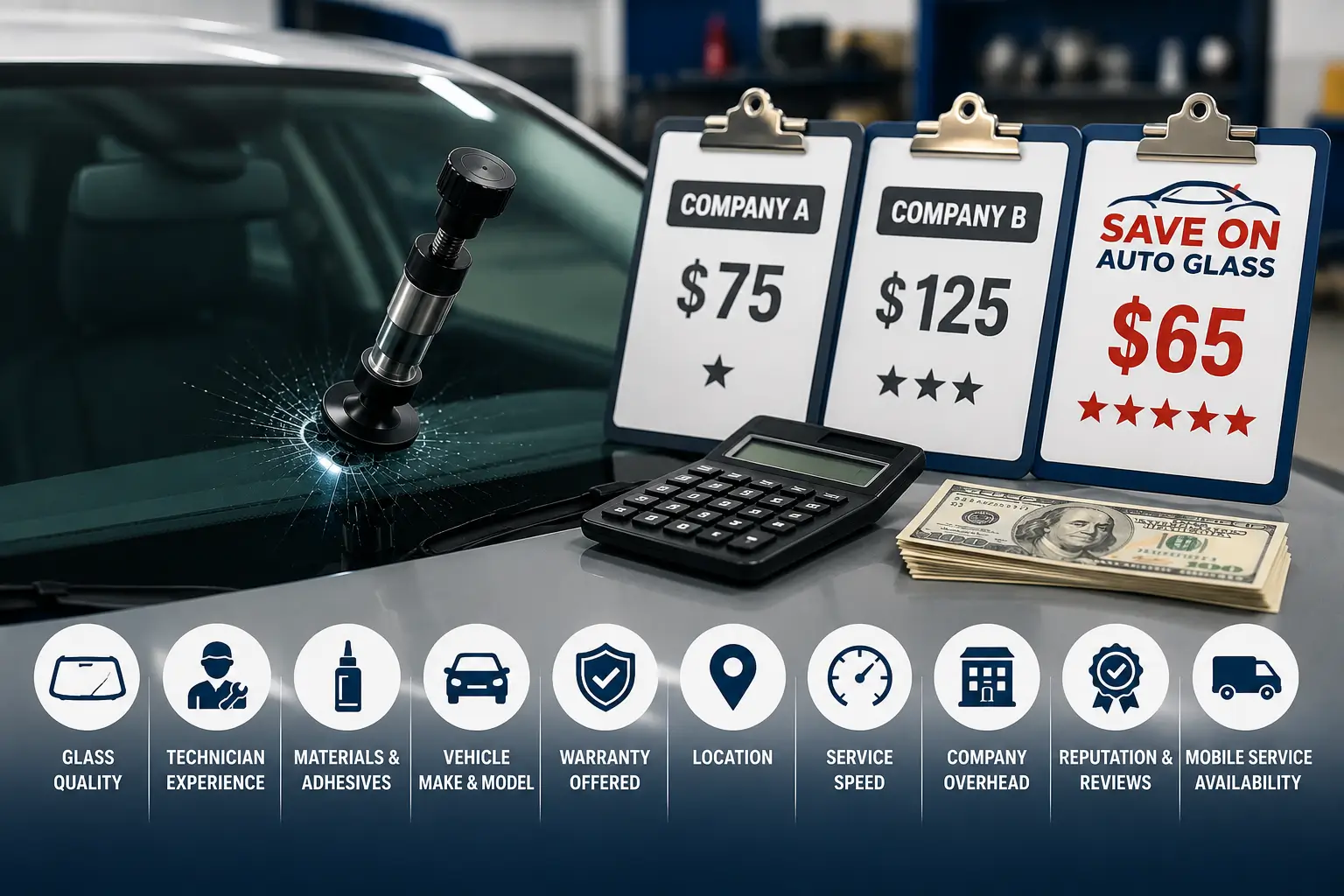
I’ve been working with auto glass for over 30 years, and one question I hear all the time is: “Why does one shop charge $100 for a windshield repair, and another $250?”
On the surface, it seems confusing. After all, it’s just a chip or crack, right? But the reality is, windshield repair pricing is influenced by a lot of factors—from materials to labor expertise, tools, vehicle technology, and even shop overhead. A lower price doesn’t always mean a better deal, and a higher price isn’t always a rip-off.
In this article, I’ll explain the top 10 reasons windshield repair prices vary between companies, sharing real-world examples from my decades in the field. I’ll also give insight into what to look for when choosing a shop so you get value, quality, and peace of mind.
Why Windshield Repair Pricing Varies So Much Between Shops
Windshield repair pricing is not standardized across the auto glass industry, which is why customers often see large differences between companies for what looks like the same job.
The reality is that no two repairs are truly identical, even if the damage appears similar at first glance. Factors such as vehicle technology, technician skill, tools used, and material quality all influence the final price.
A simple chip on one vehicle may be quick and inexpensive, while the same chip on a modern car with ADAS systems requires more precision and expertise. Understanding this variation helps drivers avoid judging a service based only on price.
What Most Drivers Don’t Realize About Cheap Windshield Repairs
Many drivers assume a windshield repair is a quick fix that should cost the same everywhere, but this is a common misconception. Cheap repairs often cut corners in materials, training, or equipment, which can lead to long-term issues such as resin failure, spreading cracks, or even visibility distortion.
In my experience, some low-cost shops skip proper cleaning or curing steps just to complete jobs faster. While the upfront price may seem attractive, the risk of future damage or repeat repairs often makes the cheaper option more expensive in the long run.
The Role of Modern Vehicle Technology in Repair Costs
Modern vehicles are far more complex than older models, and this directly affects windshield repair pricing. Cars equipped with ADAS systems, rain sensors, lane assist cameras, and heated glass require extra care during repair. Even a small chip repair may require inspection of nearby sensors or recalibration checks to ensure everything functions properly.
This additional responsibility increases both labor time and technical requirements. As vehicles continue to advance, windshield repair is no longer just about glass—it’s about maintaining the accuracy of integrated safety systems.
How Labor Expertise Impacts Repair Quality and Pricing
Technician expertise plays one of the biggest roles in determining windshield repair costs. Highly experienced professionals understand how cracks behave under stress, how resin flows into micro-fractures, and how to prevent damage from spreading during repair. This level of skill comes from years of hands-on experience and continuous training.
Less experienced technicians may complete the job quickly but risk leaving behind air pockets, weak bonding, or incomplete fills. Skilled labor naturally costs more, but it significantly improves long-term durability and safety.
Why Materials and Equipment Quality Matter in Every Repair
The quality of materials and equipment used in windshield repair directly affects both the price and the outcome. High-grade resins, UV curing systems, and precision injection tools produce stronger, clearer, and longer-lasting repairs.
Lower-cost shops may use basic or outdated tools, which can result in weaker repairs that degrade over time. Even small differences in resin quality can affect clarity, strength, and resistance to temperature changes. Investing in better equipment ensures a more permanent and professional repair, which is why pricing varies between companies.
How Location and Business Costs Influence Repair Prices
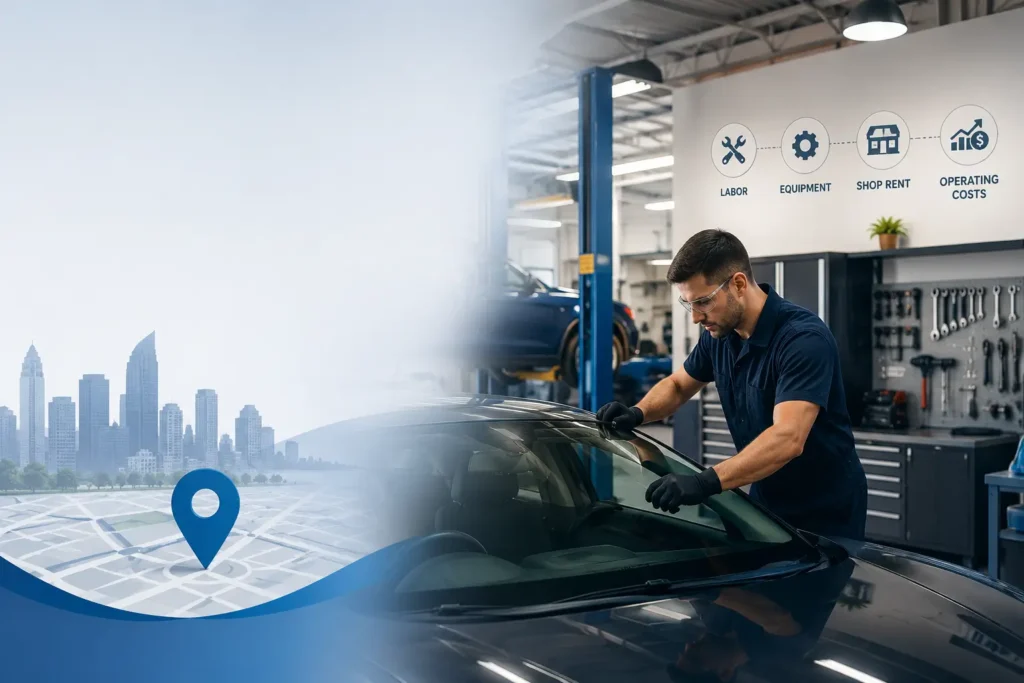
Where a repair shop is located has a significant impact on pricing, even if the service provided is identical. Shops in urban areas typically have higher rent, labor costs, insurance expenses, and operational overhead compared to rural or suburban businesses.
These costs are naturally reflected in their pricing structure. On the other hand, smaller-town shops may offer lower prices due to reduced overhead but may also have fewer advanced tools or certifications. This is why the same windshield repair can cost noticeably different amounts depending on location alone.
At Save On Auto Glass, we’ve worked hard to keep this process simple and transparent for our customers. Windshield repair is a fixed $65, with no hidden fees added on at checkout. We believe drivers shouldn’t have to guess what a repair will actually cost or worry about surprise charges once the job is done. This straightforward pricing reflects our commitment to honest service backed by decades of hands-on experience, so you get a fair price without sacrificing the quality, materials, or expertise that go into every repair.
Top 10 Reasons Windshield Repair Prices Vary Between Companies
1. Technician Experience and Skill
Expertise matters. The skill and experience of the technician handling your windshield can greatly influence the repair cost. Experienced professionals have spent years mastering the craft, ensuring that chips and cracks are repaired without causing further damage.
A highly skilled technician understands subtle differences in glass stress, resin injection, and curing times. They can work efficiently while maintaining high-quality results. Conversely, a less experienced technician may take longer, make mistakes, or use improper techniques that compromise the windshield’s integrity.
Over 30 years, I’ve trained hundreds of technicians. A skilled tech knows how to handle tiny chips without spreading cracks, calibrate ADAS sensors properly, and avoid water leaks. These are details that beginners often overlook. Investing in expertise upfront reduces the likelihood of future problems.
2. Type of Vehicle
Not all vehicles are created equal. Luxury cars, trucks, SUVs, and electric vehicles often have specialized windshields, cameras, and sensors that require more time and precision to repair.
Modern vehicles with driver-assist technology or panoramic glass need careful handling and sometimes recalibration of sensors after a repair. These requirements add to the cost because they demand additional skill, time, and equipment.
For instance, a client brought in a 2020 Ford Explorer. The repair required thorough checks of lane departure and adaptive cruise sensors. A standard sedan without these systems would not have required these steps, which is why pricing varies by vehicle type.
3. Severity and Size of the Damage
The extent of the damage directly impacts pricing. A tiny chip is simple to fix, but a long crack or complex star-shaped damage requires more time, materials, and precision.
Larger or more intricate damage often needs multiple resin injections, longer curing periods, and careful polishing to prevent stress points. A rushed repair can lead to cracks spreading, reducing the windshield’s lifespan and safety.
I once repaired a 6-inch spider crack on a Jeep. Filling, curing, and polishing it without leaving any stress points took nearly an hour. A smaller chip on the same vehicle would have been done in 10 minutes, demonstrating why damage size affects cost.
4. Type and Quality of Materials
Not all glass and repair resins are equal. High-quality, OEM-grade materials maintain structural integrity, optical clarity, and longevity. Shops using substandard resins or aftermarket glass may charge less, but repairs might fail prematurely.
Inferior resin can yellow, shrink, or leave bubbles, compromising both aesthetics and safety. Using top-tier materials ensures that repaired chips remain strong under stress and extreme temperatures, which is especially important for vehicles with safety sensors.
A client once chose a $50 repair resin from a discount shop. Within weeks, the chip expanded. Repaired with high-quality, certified resin, the crack remained stable for years. Material choice often justifies price differences.
5. Equipment and Technology
Modern repair equipment improves repair quality but can increase costs. Shops that invest in advanced tools deliver more precise, consistent, and durable results.
Vacuum systems, UV curing lights, and precision injection tools help fill chips without air pockets or stress lines. While basic tools can complete a repair, the result may not be as reliable, leading to potential future failures.
I’ve seen shops upgrade to UV-assisted curing lamps for high-tech vehicles. Repairs were faster and far more consistent, but the investment in equipment raised the repair cost slightly—a worthwhile trade for superior results.
6. Labor Time
Some shops charge based on labor time, especially for complex or meticulous repairs. Detailed work takes longer, ensuring the repair is thorough and durable.
Rushing a repair can cause bubbles, stress points, or misalignment, which may compromise the windshield and vehicle safety. Experienced technicians may spend additional time inspecting, prepping, and curing the glass properly, which adds to the cost.
For example, I repaired multiple chips on a fleet vehicle. Each chip required careful inspection, precise resin injection, and monitoring during curing. The total labor time justified a higher cost compared to a simple, single-chip repair.
7. Certifications and Training
Certified technicians and shops often charge more, but certification ensures proper procedures are followed. AGSC, ASE, and manufacturer-specific certifications indicate that the technician has received training on glass installation, adhesive curing, and sensor calibration.
Certified shops reduce the risk of leaks, sensor failures, and safety issues. Choosing a non-certified shop may save money initially but can lead to costly problems in the future.
A client’s Tesla repair required ADAS calibration. Certified techs followed precise procedures, ensuring that all systems functioned correctly post-repair—a scenario where the extra cost was worth it.
8. Insurance Handling
Shops that handle insurance claims often include administrative costs in pricing. Submitting claims, communicating with adjusters, and documenting repairs takes time and overhead, which is reflected in cost.
Some shops factor this into the price, while others offer out-of-pocket discounts for faster, self-managed repairs. Using a shop that manages insurance can save the driver time and stress, even if the upfront cost is slightly higher.
A client used insurance-covered repairs, and the shop handled the entire process. Though the price was higher, the client saved hours of paperwork and ensured the repair met standards.
9. Location and Overhead
Shop location affects pricing. Urban areas generally have higher labor costs, rent, and utilities compared to rural areas, which can cause regional price differences for the same repair type.
Labor rates, shop size, and utility costs factor into overhead and influence how shops price their services. Even when the repair is identical, the location may dictate how much the customer pays.
I once compared quotes across counties. A downtown Detroit shop charged $200, while a small-town shop quoted $140 for the same repair. Price differences were tied to overhead, not the quality of work.
10. Warranty and Follow-Up Services
Warranties and post-repair services can increase pricing but provide long-term protection. Shops that include lifetime or limited warranties ensure that repairs hold up over time and offer follow-up inspections.
Even if an issue arises months later, the warranty can cover additional repairs at no cost, providing peace of mind. Investing in a warranty upfront can save significant money compared to paying for repeated repairs.
A client chose a slightly higher-priced shop with a 12-month warranty. A minor stress crack appeared months later, and the shop repaired it free, saving hundreds in potential replacement costs.
FAQ
Q1: Are more expensive windshield repairs always better?
Not always—but there’s usually a reason behind higher pricing. A more expensive repair often reflects better resin quality, more experienced technicians, proper curing equipment, and adherence to manufacturer-approved procedures. These factors directly impact how strong and clear the repair will be over time.
Cheaper repairs can sometimes fix the issue temporarily, but they may skip important steps like deep cleaning the chip, vacuum injection, or proper UV curing. That can lead to problems like air bubbles, weak bonding, or cracks reappearing later.
In my experience, it’s not about choosing the most expensive option—it’s about choosing the most complete and properly done repair. A slightly higher cost often means better long-term durability and fewer future issues.
Q2: Can insurance affect repair prices?
Yes, insurance can definitely influence pricing in several ways. Shops that regularly handle insurance claims often include additional administrative work in their pricing structure. This includes documenting damage, submitting photos, communicating with adjusters, and processing approvals.
While this may slightly increase the upfront cost, it usually saves the customer time, effort, and confusion. Many drivers don’t realize how much behind-the-scenes work goes into getting a claim approved and paid properly.
In some cases, insurance-approved shops may also follow stricter repair standards, which can increase labor time but improve quality. On the other hand, out-of-pocket pricing is sometimes lower because it avoids all claim-related paperwork. The final cost depends on how the shop structures its service model.
Q3: How do vehicle features impact pricing?
Modern vehicle features have a major impact on windshield repair costs. Today’s cars often include ADAS systems, rain sensors, heated glass, acoustic layers, and advanced camera setups that interact directly with the windshield.
Even a small chip repair may require extra caution to ensure these systems are not affected. For example, a chip near a camera-mounted area needs more precise handling to avoid distortion or stress around sensor zones.
In some cases, technicians must also verify that no recalibration or system interference occurs after the repair. This adds time, expertise, and responsibility to the job.
So while the glass repair itself may look simple, the vehicle’s technology behind it often makes the process more complex and time-sensitive, which naturally increases cost.
Q4: Does technician certification really matter?
Yes, certification matters more than most drivers realize. Certified technicians—such as those trained by AGSC, ASE, or manufacturer programs—follow strict procedures for safe and proper repair work.
This includes correct resin application techniques, curing times, glass handling, and in some cases, ADAS awareness protocols. Certification ensures the technician understands both the physical repair and the safety systems involved in modern vehicles.
In contrast, non-certified work may still “fix” the chip visually but can miss critical steps that affect long-term strength or clarity. I’ve seen cases where uncertified repairs led to spreading cracks or improper sealing over time.
Certification doesn’t just add cost—it adds accountability, consistency, and safety assurance.
Q5: Are warranties worth paying extra for?
Yes, warranties are often worth the additional cost, especially for drivers who want long-term peace of mind. A good warranty typically covers issues like resin failure, spreading cracks from the original repair point, or workmanship-related defects.
What many drivers don’t realize is that windshield repairs are exposed to constant stress—temperature changes, road vibrations, and weather conditions. Even a properly done repair needs backing in case something unexpected happens later.
A warranty ensures that if the repair fails under normal conditions, you’re not paying again for the same issue. It also reflects confidence from the shop in their own work.
In many cases, customers who choose warranty-backed repairs end up saving money in the long run because they avoid repeat repairs or early replacements.
Conclusion
Windshield repair prices vary for a reason. From technician experience and vehicle type to materials, tools, labor time, certification, insurance handling, and regional overhead, every factor contributes to the final cost.
Over 30+ years in auto glass, I’ve seen clients regret choosing the cheapest option: leaks, cracks, sensor failures, and even safety hazards. Spending a little more upfront often saves money, time, and stress in the long run.
When selecting a shop, look beyond price. Consider experience, certifications, warranties, and your vehicle’s specific needs. Quality repairs ensure safety, durability, and proper functioning of your windshield and its advanced systems.
Your windshield is more than glass—it’s a key safety feature. Treat it wisely.