
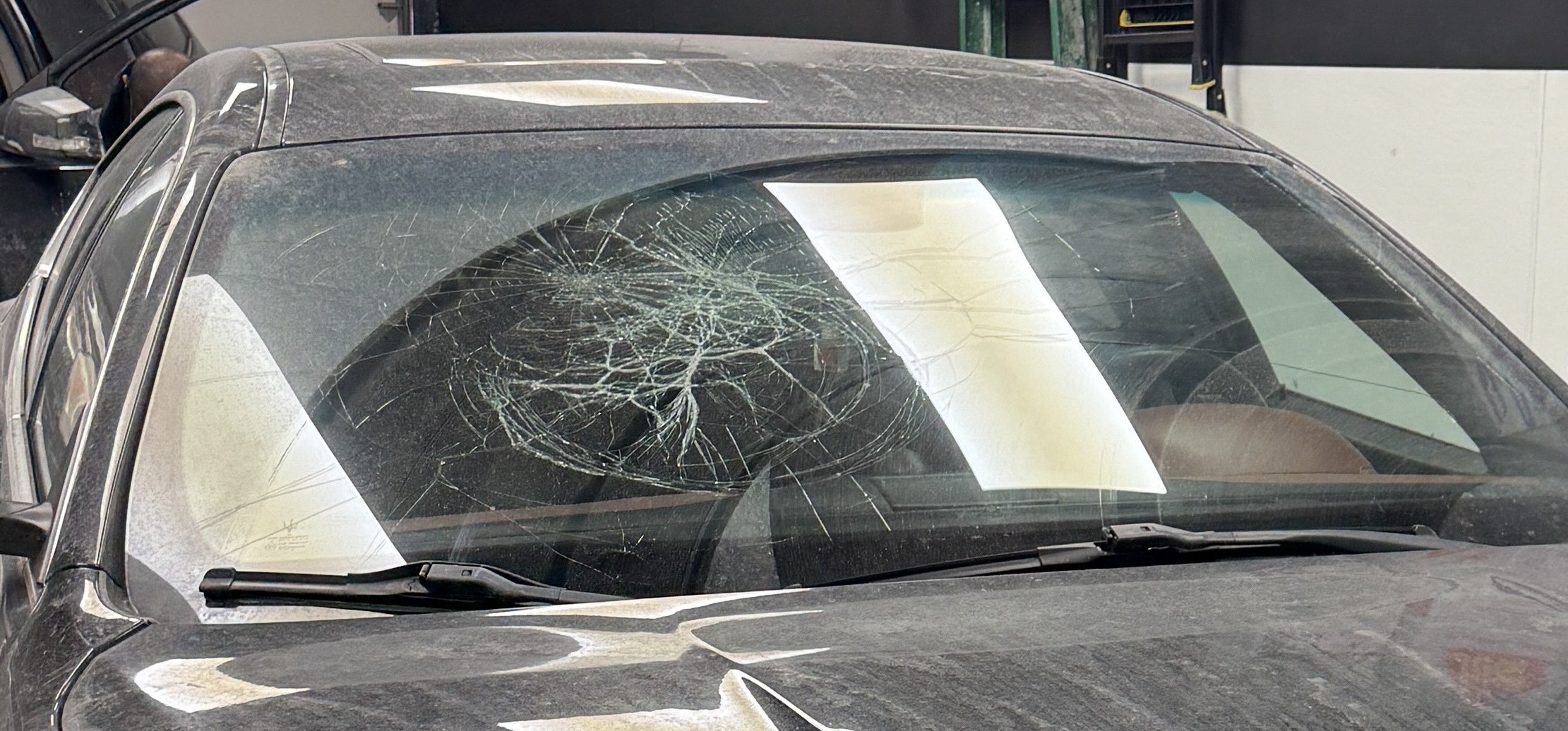
For many drivers in Fenton, Michigan, certain roads are part of everyday life. The morning commute, trips to work, school drop-offs, shopping visits, and weekend travel all depend on reliable road connections throughout the community.
Major routes such as US-23, Owen Road, Silver Lake Road, and other connecting roads help thousands of drivers move through the Fenton area every day.
These roads provide important access for residents, businesses, and commercial traffic, but they also create conditions where windshield damage can occur more frequently.
High traffic volume, highway speeds, commercial vehicles, construction activity, road debris, and Michigan’s changing weather conditions all contribute to increased windshield risks. A windshield problem rarely begins as a major issue. In most cases, it starts with a small event: a rock striking the glass, a small chip appearing, or a tiny crack forming near an impact point.
Many drivers continue their normal routine because the damage appears minor. However, temperature changes, road vibration, moisture, and freezing conditions can gradually cause the damage to spread.
Understanding where these risks occur and how damage develops can help Fenton drivers take action before a small chip becomes a costly windshield replacement.
Why Busy Roads Create More Windshield Damage
Windshield damage is usually caused by a combination of factors rather than a single road condition.
Busy roads naturally create more opportunities for debris impacts because they involve more vehicles, higher speeds, more lane changes, and greater movement of materials across the roadway.
Common risk factors include heavy traffic volume, higher vehicle speeds, commercial trucks, road construction, loose gravel and pavement materials, and increased vehicle movement around intersections and highway entrances.
A small stone on the road may not seem dangerous when sitting still. However, when another vehicle’s tires lift that object and send it toward your windshield at highway speed, the impact force can be enough to damage laminated automotive glass.
The size of the object is not always the most important factor. The speed behind the impact often determines whether the glass remains intact or develops a chip or crack.
Road Risk 1: US-23 Near Fenton
US-23 is one of the most important transportation routes used by Fenton drivers, and higher highway speeds mean debris impacts hit with more force than on slower local roads.
For a complete breakdown of what causes most of the damage on this stretch — from truck tire debris to construction materials — see Common Causes of Windshield Damage on US-23 Near Fenton.
Maintaining a safe following distance, especially behind trucks, remains the simplest way to reduce your risk.
Road Risk 2: Owen Road Corridor
Owen Road is an important route for Fenton residents because it provides access between local areas and US-23. The combination of commuter traffic, businesses, intersections, and commercial vehicles creates conditions where windshield damage can occur.
Drivers may encounter frequent traffic movement, acceleration and braking zones, construction activity, parking lot debris, and changing road surfaces while traveling through this corridor.
Busy areas often create more opportunities for loose materials to move onto the roadway. Vehicles turning, stopping, or accelerating can disturb small rocks and debris.
Drivers should use extra caution near intersections, highway entrances, business areas, and locations where road conditions frequently change.
Road Risk 3: Silver Lake Road Area
Silver Lake Road connects residential neighborhoods, businesses, and important travel routes throughout the Fenton area.
Although many drivers associate windshield damage mainly with highways, local roads can also create significant risks. A nearby vehicle can throw a rock into your windshield even when traveling at moderate speeds.
Common hazards include:
- Loose gravel
- Road maintenance materials
- Construction debris
- Commercial vehicle traffic
Regular windshield inspections are especially useful for drivers who frequently travel through busy local corridors.
Road Risk 4: US-23 Interchange Areas
Highway entrance and exit areas create unique windshield challenges because vehicles are constantly changing speed and position.
Drivers entering or leaving highways experience lane changes, acceleration, braking, vehicle merging, and increased commercial traffic. These movements can disturb debris on the road and place vehicles closer together.
Fenton’s US-23 access points are essential travel connections, but drivers should remain alert in these areas. Increasing following distance and avoiding close contact with trucks can significantly reduce windshield damage risks.
When vehicles are merging, slowing down, or changing lanes, drivers have less time to react to sudden debris impacts. Maintaining awareness and leaving enough space between vehicles can help reduce the chance of windshield damage.
Road Risk 5: Construction Zones Around Fenton
Construction zones improve road conditions over time, but they can temporarily increase windshield hazards.
Road work areas may include loose gravel, fresh pavement materials, heavy equipment, temporary lane changes, and uneven road surfaces.
When vehicles travel through construction zones, tires can move small materials into the air. These materials may strike nearby vehicles and create windshield chips. If you hear a tap on the glass, knowing what to do after construction-zone windshield damage can keep a small chip from turning into a crack.
The risk becomes higher when drivers follow construction vehicles too closely or travel through active work areas without adjusting their speed.
Drivers should slow down, maintain additional distance, and avoid following construction vehicles too closely.
Taking extra care in construction zones not only protects the windshield but also improves overall driving safety by allowing more time to respond to changing road conditions.
Road Risk 6: Roads With Heavy Truck Traffic
Large trucks are essential for transportation and business activity, but they also increase windshield risks.
Truck-related damage commonly occurs because:
- Large tires collect and throw rocks
- Loose materials fall onto roads
- Vehicle vibration moves debris
- Following vehicles have limited reaction time
One of the simplest ways to reduce risk is maintaining space behind large trucks. If you cannot see around the truck, you may not have enough time to avoid debris.
Road Risk 7: Rural Roads Around Fenton
Not every windshield problem happens on highways. Rural roads around Fenton — with their gravel surfaces, farm equipment, and agricultural traffic — create a different set of risks entirely.
For the full picture, including gravel driveways, farm equipment, and seasonal changes, see How Fenton’s Rural Roads Can Increase Windshield Chip and Crack Risks.
A quiet road does not always mean a safer road for automotive glass — regular inspection matters here too.
Road Risk 8: Michigan Winter Conditions
Michigan winters create additional stress on windshields. Cold temperatures, changing weather conditions, and winter road treatments can increase the chance of windshield damage.
Winter roads often contain salt, sand, small gravel, and ice-control materials. Vehicles can move these materials into the air and toward other cars, creating unexpected windshield impacts.
Cold weather also increases the risk of existing windshield damage becoming worse. Moisture can enter a small chip, freeze, expand, and create additional pressure inside the damaged area.
This is why many windshield cracks appear to grow suddenly during winter months. The damage may have started earlier, but freezing conditions and temperature changes accelerate the spreading process.
Drivers should inspect their windshield regularly during winter and repair small damage before severe weather conditions make the problem worse.
Road Risk 9: Potholes and Damaged Pavement
Poor road surfaces can indirectly contribute to windshield damage.
When vehicles hit potholes or rough pavement, tires can throw debris upward. Repeated vibration from uneven roads can also place stress on existing chips.
A small chip that remains stable on smooth roads may expand after repeated exposure to vibration and temperature changes.
Drivers should inspect their windshield after traveling through areas with poor pavement conditions.
Road Risk 10: Daily Driving Habits
Many windshield problems develop because of everyday driving habits.
Common mistakes include following too closely, ignoring small chips, driving aggressively over rough surfaces, and parking in areas where damage risks are higher.
A windshield is exposed every time a vehicle is driven. Daily commuting, road debris, weather changes, and vehicle movement all place stress on the glass.
Simple habits, such as maintaining distance from other vehicles, slowing down on rough roads, inspecting damage early, and choosing safer parking locations, can help prevent larger problems.
Small changes in driving behavior can protect the windshield and reduce the likelihood of unexpected repair costs.
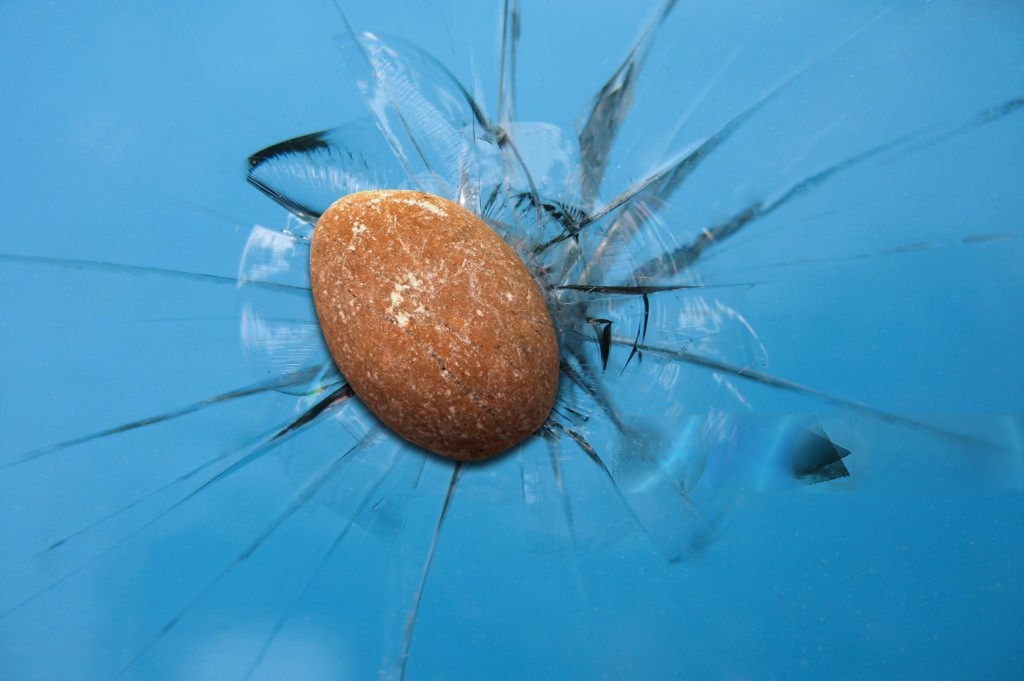
What To Do After a Rock Hits Your Windshield
If you hear a rock strike your windshield, inspect the glass when it is safe to do so.
Look for signs such as small chips, cracks spreading outward from the impact point, damage near the windshield edges, or changes in existing damage.
Many drivers wait until a crack becomes large before seeking help. However, delaying service can limit repair options and may turn a simple repair into a full windshield replacement.
A small chip may often be repaired before it spreads, while a larger crack may require complete windshield replacement. Early inspection allows professionals to determine the best repair option and helps prevent unnecessary damage.
How Windshield Damage Affects Modern Vehicles
Modern windshields are no longer just pieces of glass. Many vehicles now include advanced safety technology connected to the windshield.
These systems may include ADAS cameras, lane assistance systems, collision warning technology, and rain sensors that rely on proper windshield positioning and calibration.
When windshield replacement is required, some vehicles may need ADAS calibration to ensure these safety systems continue operating correctly.
Professional windshield service involves more than installing new glass. It requires restoring the vehicle’s safety functions and ensuring that connected technologies continue working as designed.
Frequently Asked Questions
Which roads around Fenton create the most windshield damage risks?
Major routes such as US-23, Owen Road, Silver Lake Road, construction areas, and truck-heavy routes can create higher exposure to windshield damage because they experience heavier traffic volume, higher vehicle speeds, and more movement of road debris.
However, windshield damage is not limited to highways.
Local roads, residential areas, commercial entrances, and rural connections around Fenton can also create risks when vehicles pass over loose gravel, damaged pavement, or construction materials. Even a small stone thrown by a nearby vehicle can create a chip if it strikes the windshield with enough force.
Drivers who regularly travel these routes should pay attention to small impacts and inspect their windshield periodically. Early detection can make the difference between a simple repair and a full windshield replacement.
Why does highway driving damage windshields more easily?
Highway driving increases windshield damage risk because vehicle speed directly affects the force of impact. When a rock or piece of debris strikes a windshield at highway speeds, the impact energy is much greater compared with a similar object hitting the glass at lower speeds.
Highways also create more opportunities for debris exposure because they typically have more vehicles, commercial trucks, construction activity, and frequent lane changes. Trucks can especially contribute to windshield damage because their large tires may pick up and throw small rocks or road materials toward vehicles behind them.
Maintaining a safe following distance, especially behind trucks and large vehicles, gives drivers more time to react and reduces the likelihood of debris-related windshield damage.
Can local roads cause windshield chips?
Yes. Local roads can cause windshield chips even when vehicles are not traveling at highway speeds. Many drivers assume windshield damage only happens on highways, but everyday driving conditions can create similar risks.
Vehicles traveling through neighborhoods, business areas, parking lots, and local intersections can move loose gravel, small rocks, and other debris into the path of nearby vehicles. Construction zones and roads with damaged pavement can also increase the chance of windshield impacts.
A small chip caused during local driving may appear harmless at first, but temperature changes, vibration, and moisture can cause the damage to expand over time. Inspecting and repairing small chips early can help prevent more serious problems.
Should I repair a small windshield chip?
Yes. A small windshield chip should be inspected and repaired as soon as possible whenever possible. Many windshield problems begin as minor damage that could have been addressed before spreading into a larger crack.
A chip can weaken the structure of the glass and become worse because of temperature changes, road vibration, vehicle movement, or moisture entering the damaged area. Michigan’s seasonal weather changes can make this problem even more noticeable, especially during freezing temperatures.
Early repair may help preserve the original windshield and prevent a more expensive replacement. Drivers should avoid waiting until the crack becomes larger or reaches important areas such as the windshield edges or the driver’s direct line of vision.
Can winter weather make windshield damage worse?
Yes. Winter weather can significantly increase stress on already damaged windshield glass. When temperatures drop, glass naturally contracts, and existing chips or cracks may become more vulnerable to spreading.
If moisture enters a small chip, freezing temperatures can cause the water to expand inside the damaged area. This additional pressure can make a small crack grow quickly. Rapid temperature changes, such as using a vehicle heater on a freezing windshield, can also increase stress on damaged glass.
Michigan winters bring additional challenges because roads often contain salt, sand, gravel, and ice-control materials that can create more opportunities for windshield impacts. Repairing damage before winter conditions arrive can help reduce the chance of sudden crack expansion.
Do newer vehicles need special windshield replacement procedures?
Yes. Many modern vehicles require specialized windshield replacement procedures because the windshield is now connected to important safety technology.
Newer vehicles may include systems such as ADAS cameras, lane departure warnings, collision avoidance systems, automatic braking sensors, and rain sensors. These technologies often rely on precise windshield positioning and calibration to function correctly.
After windshield replacement, some vehicles require ADAS calibration to ensure cameras and sensors are accurately aligned. A windshield replacement is not only about installing new glass; it is also about restoring the vehicle’s safety systems and ensuring that advanced features continue operating properly.
For this reason, drivers should choose an auto glass provider with experience handling modern vehicle technology and calibration requirements.
Final Thoughts:
Fenton drivers experience a wide variety of road conditions every day. Highways, local streets, construction zones, rural roads, and Michigan’s challenging winter conditions all create different risks for vehicle windshields. While some hazards are easy to notice, many windshield problems begin with small impacts that drivers may overlook.
Most windshield damage starts with a single moment: a rock hitting the glass, a small chip appearing, or a minor crack forming after contact with road debris.
At first, the damage may seem insignificant, but over time, daily driving conditions, temperature changes, moisture, and road vibration can cause the problem to spread.
A small chip that could have been repaired quickly may eventually become a larger crack requiring full windshield replacement.
This is why early attention and regular windshield inspections are important for maintaining vehicle safety and avoiding unnecessary repair costs.
A properly maintained windshield does more than improve the appearance of a vehicle. It plays an important role in driver visibility, passenger protection, and the performance of modern vehicle safety systems.
Regular inspection, professional repair when needed, and awareness of local road conditions can help keep drivers safer on every road around Fenton.