
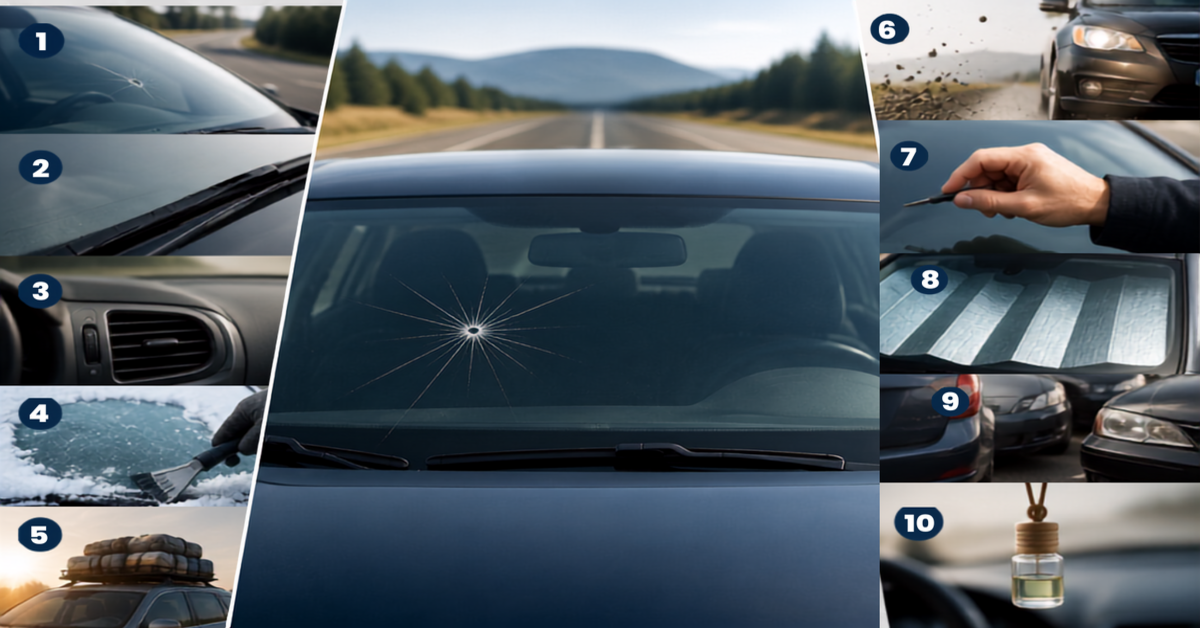
Your windshield is more than just a pane of glass—it’s a critical safety shield for you and your passengers. Yet, surprisingly few drivers think about how their everyday habits slowly weaken it over time. From tiny chips that grow unnoticed to stress fractures caused by vibrations, the list of damage contributors is long.
In my decades of experience working on vehicles of all shapes and sizes—from classic muscle cars to modern SUVs—I’ve seen firsthand how subtle behaviors behind the wheel can shorten the life of a windshield. Small, repeated actions that seem harmless can lead to expensive repairs or even compromise safety features like lane assist and airbags.
This article will explore the top 10 driver habits that damage your windshield, breaking down why each habit matters, the consequences, and practical ways to protect your glass. I’ll also include anecdotes, tips, and advice that make this information easy to apply in real life.
Why Windshield Durability is Often Overlooked
Most drivers focus on engine maintenance, brakes, or tires, but forget that the windshield is under constant stress. Temperature changes, vibrations, road debris, and even improper maintenance can slowly damage the glass. When you consider the role a windshield plays in safety and structural integrity, protecting it becomes far more important than most people realize.
Environmental factors, driving behavior, and maintenance routines all converge to determine how long a windshield lasts. Over time, repeated minor damage often escalates, leaving drivers with expensive replacements and potential safety hazards.
The Role of Driving Environment
Weather and road conditions are constant influencers of windshield health. Gravel roads, highway speeds, freezing winter mornings, and sweltering summer heat all take their toll. How you interact with these conditions—speed, distance from other vehicles, parking habits—can make a huge difference in how quickly chips and cracks form.
Understanding these environmental effects and adjusting your driving and maintenance habits is the first step in keeping your windshield strong for years. Small, conscious changes, like slowing down over rough patches or avoiding parking under trees, make a tangible difference.
Top 10 Driver Habits That Damage Your Windshield Over Time
Windshields are designed to be strong, but they are not indestructible. Over time, repeated exposure to stress weakens even the most durable glass. The following habits are some of the most common ways drivers unknowingly shorten the lifespan of their windshield.
1. Following Too Closely Behind Trucks or Construction Vehicles
One of the most common causes of windshield damage is driving too close behind large vehicles, especially trucks and construction equipment. These vehicles often carry loose materials such as gravel, sand, or debris that can easily become airborne.
At high speeds, even a tiny pebble can hit your windshield with enough force to create a chip. While the impact may seem minor at first, it creates a weak point in the glass. Over time, this weak point expands due to temperature changes and vibrations.
Construction zones make this even worse. The unpredictability of loose materials means debris can be thrown in unexpected directions. I’ve seen countless cases where drivers didn’t even realize when the damage occurred until they noticed a crack days later.
Maintaining a safe following distance is one of the simplest and most effective ways to protect your windshield. Giving yourself that extra space reduces both the likelihood and the severity of impacts.
2. Ignoring Chips and Small Cracks
Small chips are often ignored because they don’t immediately interfere with visibility. However, this is one of the biggest mistakes a driver can make. A chip is not just a cosmetic issue—it is a structural weakness.
As the vehicle moves, vibrations from the road continuously stress the damaged area. Temperature changes cause the glass to expand and contract, further weakening the structure. Over time, what was once a tiny chip can spread into a long crack across the windshield.
I’ve had many customers tell me they planned to fix a small chip “later,” only to return with a crack that required full replacement. Acting quickly is the key. A simple repair early on can prevent a much more expensive problem later.
3. Using Worn or Damaged Wiper Blades
Wiper blades may seem like a minor component, but they have a direct impact on the condition of your windshield. When the rubber on the blades becomes worn or cracked, it no longer glides smoothly across the glass.
Instead, it drags across the surface, often carrying dirt, sand, and debris with it. Over time, this creates tiny scratches that weaken the outer layer of the windshield. While these scratches may not be immediately visible, they accumulate and reduce the overall strength of the glass.
In addition to damage, worn wipers also reduce visibility, especially during rain or snow. This creates a safety issue that goes beyond just the condition of the glass.
Replacing wiper blades regularly is a simple habit that can prevent both visibility problems and long-term damage to your windshield.
4. Parking Under Trees or Exposed Areas
Where you park your car plays a bigger role than most people think. Parking under trees or in exposed areas leaves your windshield vulnerable to a variety of hazards.
Falling branches, even small ones, can cause immediate cracks if they strike at the right angle. Windy conditions increase this risk significantly. In addition, substances like tree sap and bird droppings can damage the surface of the glass over time. These materials are often acidic and can weaken protective coatings if left untreated.
I’ve seen vehicles where repeated exposure to these elements caused gradual deterioration of the windshield surface. While the damage may not be dramatic at first, it builds up over time.
Choosing a safer parking spot, even if it requires a little extra effort, can significantly reduce these risks.
5. Rapid Temperature Changes
Sudden temperature changes are one of the most damaging forces for windshield glass. Many drivers make the mistake of pouring hot water on a frozen windshield or blasting the heater at full power immediately after starting the car.
These actions create uneven expansion in the glass. When one part of the windshield heats up faster than another, it creates internal stress. If there is already a chip or weak point, this stress can cause it to expand rapidly into a crack.
The same applies in reverse during hot weather. Rapid cooling from air conditioning can also create stress, especially if the glass is already weakened.
Gradual temperature adjustment is the safest approach. Allowing the glass to warm or cool slowly reduces stress and helps maintain its integrity over time.
6. Slamming Car Doors Frequently
This is one of the most overlooked habits, yet it has a real impact on windshield health. Every time a car door is slammed, it sends a shockwave through the vehicle’s frame.
The windshield is firmly attached to this frame, so these vibrations are transferred directly to the glass. Over time, repeated stress can create microfractures that are not immediately visible but weaken the structure.
These microfractures can eventually develop into visible cracks, especially when combined with other stress factors like temperature changes or road vibrations.
Simply closing doors gently can reduce this repeated stress and help preserve the integrity of your windshield.
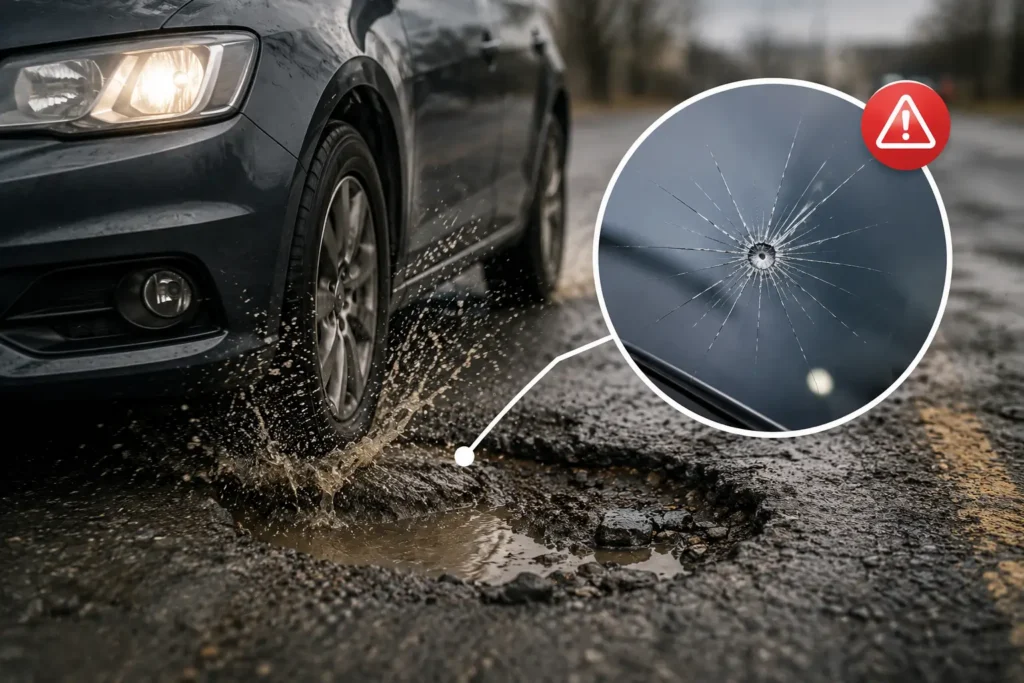
7. Driving Over Potholes and Rough Roads Aggressively
Rough roads are unavoidable, but how you drive over them makes a significant difference. Speeding over potholes or uneven surfaces sends strong shockwaves through your vehicle.
These shocks travel through the frame and into the windshield, placing stress on any existing weak points. Over time, this repeated impact can cause small chips to grow or new cracks to form.
I’ve seen vehicles where aggressive driving over rough terrain led to rapid crack expansion. Slowing down, even slightly, reduces the force of these impacts and protects both your suspension and your windshield.
8. Using Harsh Chemicals on Glass
Cleaning your windshield is important, but using the wrong products can do more harm than good. Harsh chemicals can strip away protective coatings that help maintain the durability of the glass.
Over time, this leaves the surface more vulnerable to scratches, environmental damage, and wear. Some cleaning products also contain abrasive elements that can create micro-scratches during use.
Using gentle, glass-safe cleaners and soft cloths helps maintain both clarity and strength. Proper cleaning habits ensure that your windshield remains in good condition without introducing unnecessary damage.
9. Carrying Heavy Loads on the Roof
Transporting heavy items on your roof rack may be convenient, but it places additional stress on your vehicle’s structure. This stress is transferred to the windshield, especially at the points where it connects to the frame.
Over time, uneven weight distribution and constant vibration can create small stress points in the glass. These points may eventually develop into cracks, particularly during long trips or rough driving conditions.
Ensuring that loads are properly secured and within recommended weight limits helps reduce this stress and protect your windshield.
10. Ignoring Seasonal Maintenance
Seasonal changes bring different challenges for your windshield, and failing to prepare for them can lead to long-term damage. Winter introduces ice, snow, and freezing temperatures, while summer brings heat and UV exposure.
Without proper maintenance, small issues can quickly become major problems. For example, a minor chip that survives the summer may expand rapidly during winter due to freezing conditions.
Regular inspections and maintenance help catch these issues early. Checking your windshield at the start of each season ensures that any damage is addressed before it worsens.
FAQs
How quickly can minor chips turn into full cracks?
Minor chips can turn into full cracks surprisingly fast—sometimes within just a few days. It often depends on driving conditions, temperature changes, and road vibrations. For example, a small chip might stay stable overnight, but after a cold morning followed by highway driving, it can suddenly spread.
Even hitting a pothole or closing a car door too hard can trigger expansion. That’s why early repair is always recommended, because once the crack starts spreading, it becomes much harder and more expensive to fix.
Can wiper blades really damage a windshield?
Yes, worn or damaged wiper blades can slowly damage your windshield over time. When the rubber becomes stiff or cracked, it no longer glides smoothly and may drag dirt and debris across the glass surface.
This creates tiny scratches that aren’t always visible at first but gradually weaken the outer layer of the windshield. Over months, these micro-scratches can reduce clarity and durability. Replacing wiper blades regularly is a simple habit that protects both visibility and long-term glass health.
How does roof cargo affect windshields?
Roof cargo affects your windshield more than most drivers realize. When heavy items are placed on top of a vehicle, they create additional vibration and structural stress while driving. This stress is transferred through the vehicle frame, including the windshield mounting points.
On rough roads or highways, this repeated vibration can create micro-fractures in already weak areas of the glass. If the load is not properly secured, movement can increase the stress even further. Keeping roof loads within safe limits helps prevent long-term windshield damage.
Why are temperature changes dangerous for windshields?
Temperature changes are dangerous because glass expands when heated and contracts when cooled. If this change happens too quickly, it creates uneven stress across the windshield surface. For example, pouring hot water on a frozen windshield or blasting hot air suddenly can cause weak points or chips to expand into full cracks.
The same risk applies in hot weather when rapid cooling from air conditioning hits a hot windshield. Gradual temperature adjustment is always safer and helps maintain structural stability.
Are there habits that prevent windshield damage entirely?
There is no way to completely eliminate windshield damage, but many habits can greatly reduce the risk. Safe driving distance, especially behind trucks, helps avoid flying debris. Fixing small chips early prevents them from spreading. Regularly replacing wiper blades and avoiding harsh cleaning chemicals also helps maintain surface strength.
Parking in safe areas and avoiding extreme temperature changes further protects the glass. In short, awareness and consistent care go a long way in extending windshield life and reducing costly repairs.
Conclusion
Your windshield protects you, your passengers, and your vehicle’s safety systems. Many everyday driving habits—from tailgating trucks to ignoring minor chips—can weaken it over time.
By understanding these habits and making small adjustments, you preserve glass durability, reduce repair costs, and maintain safety.
Driving with awareness, performing routine maintenance, and addressing minor damage promptly ensures your windshield lasts longer, remains clear, and continues to provide structural integrity. Every careful choice—parking wisely, replacing wiper blades, avoiding abrupt temperature changes—adds years of life to this critical safety component.