

Do ADAS Systems Require Calibration After Windshield Replacement in Auburn Hills?
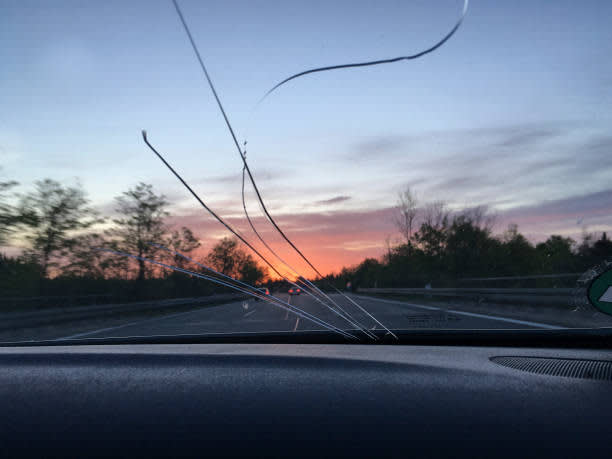
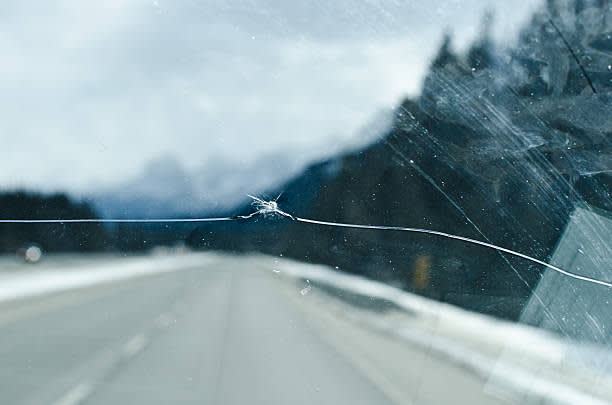
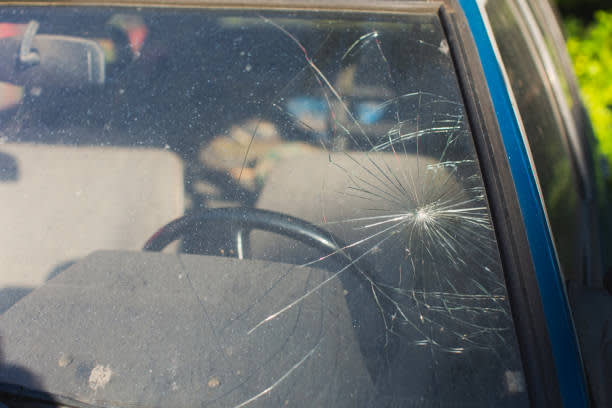
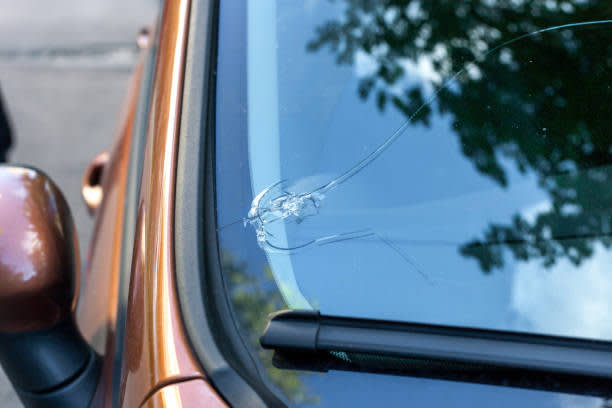
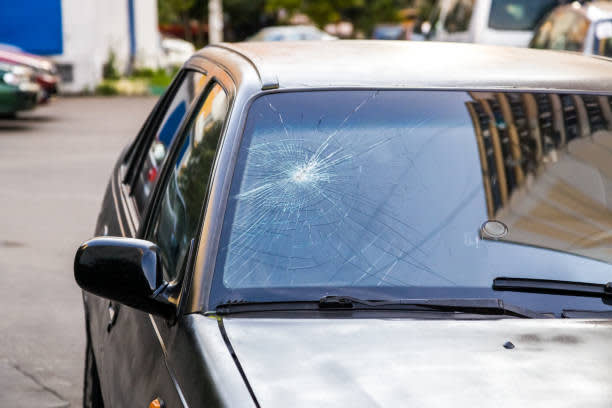
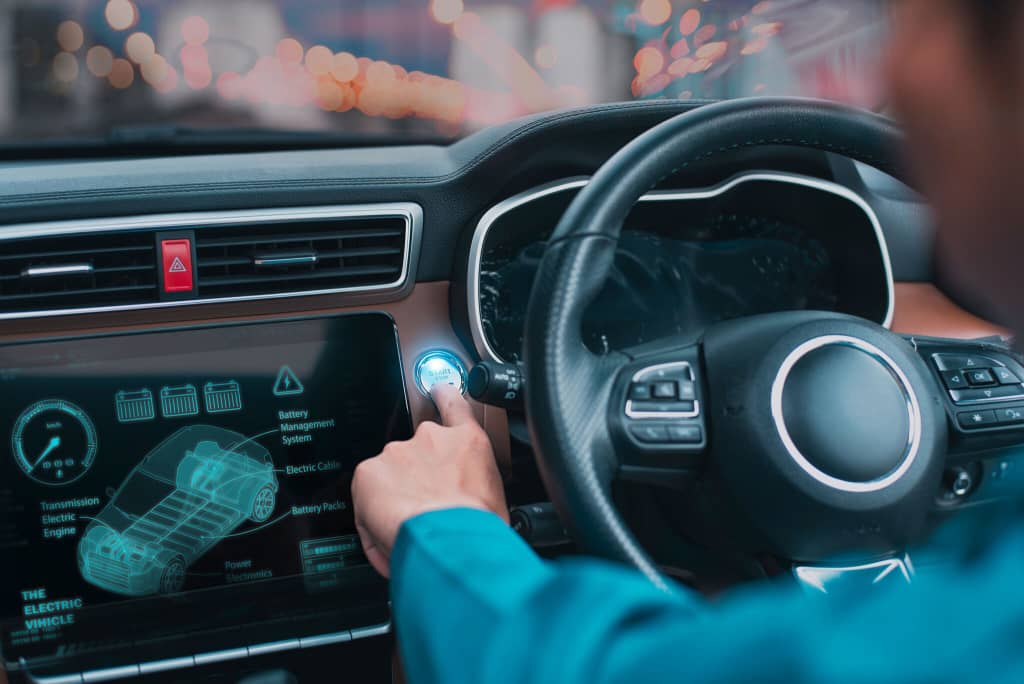
Imagine this: you’re driving down M-59 in Auburn Hills, approaching a busy intersection, relying on your car’s lane assist to keep you centered. You’ve just had your windshield replaced after a chip turned into a crack. Suddenly, the lane assist system starts flashing warnings. Panic sets in. This scenario is more common than most drivers realize. Back in 1999, I repaired a Chrysler 300 windshield in Sterling Heights. It seemed like a simple replacement, but we quickly realized the driver-assist camera had shifted slightly. Without proper recalibration, the system wouldn’t function correctly. I’ve seen countless similar situations over the years—drivers assuming “glass is glass,” only to compromise the very technology meant to keep them safe. Modern windshields aren’t just glass panes; they house cameras, sensors, and ADAS components that are critical for safe driving. Replacing them without recalibration can be costly, risky, and even dangerous. Why Calibration Matters Modern vehicles are packed with technology designed to make driving safer and easier. Advanced Driver Assistance Systems (ADAS) are no longer optional—they actively monitor your surroundings, react to hazards, and even help prevent collisions. Systems like lane departure warning, forward collision alert, automatic emergency braking, adaptive cruise control, and rain-sensing wipers all rely on precise alignment of cameras and sensors, many of which are mounted directly on the windshield. Even a slight misalignment—just a fraction of an inch—can have serious consequences. False alerts may trigger sudden braking, lane assist may nudge you incorrectly, or collision warning systems may fail to activate when needed. In Auburn Hills, where snow, ice, and bright summer glare are common, an uncalibrated sensor could mean the difference between a safe stop and a near-miss on busy roads like M-59 or Woodward Avenue. Calibration ensures that all ADAS components interpret the environment correctly, keeping drivers, passengers, and pedestrians safe while preserving the vehicle’s technological reliability. OEM Glass vs Aftermarket: Why It Matters Not all windshields are created equal. OEM (Original Equipment Manufacturer) or OEM-equivalent glass is manufactured to exact specifications, ensuring the correct curvature, thickness, and sensor placement. This precision is critical for cameras and sensors to function accurately. Aftermarket glass may appear identical, but even minor deviations in thickness or shape can offset ADAS sensors, causing constant warnings or system malfunctions. I remember a 2015 Jeep Cherokee client who had an aftermarket windshield installed. The lane-keeping camera began misreading lane markings immediately after installation, triggering repeated alerts and reducing driver confidence. The replacement had to be redone with OEM glass, followed by proper calibration. Using high-quality OEM glass not only protects the vehicle’s safety systems but also preserves long-term functionality, prevents unnecessary wear on sensors, and ensures peace of mind. At Save On Auto Glass, we always use AGSC-approved resins and OEM-grade glass to maintain accuracy and reliability. Signs Your ADAS May Need Recalibration After a windshield replacement, Auburn Hills drivers should pay close attention to their vehicle’s behavior. Warning signs that recalibration is needed include: Mobile Calibration vs In-Shop Calibration ADAS calibration can be performed in two primary ways: Mobile Calibration – A certified technician comes to your location, sets up specialized equipment, and recalibrates the sensors on-site. Mobile calibration is ideal for busy Auburn Hills commuters or drivers with minor replacements, single-camera systems, or straightforward sensor setups. It saves time, prevents unnecessary travel, and ensures your systems are functioning before hitting the road. In-Shop Calibration – Performed in a facility with advanced alignment tools. Required for vehicles with multiple sensors, complex ADAS systems, or vehicles with cameras both in the windshield and on other parts of the car. In-shop calibration ensures that even the most sophisticated sensor arrays are perfectly aligned. Mobile calibration is efficient and often sufficient for standard replacements, while in-shop calibration is necessary for high-tech, multi-camera vehicles. Choosing the right method depends on the vehicle’s technology and your personal schedule, but both approaches ensure accurate alignment and optimal safety performance. Step-by-Step: What Auburn Hills Drivers Should Do When your windshield needs replacement, following a structured approach prevents long-term issues: Real Auburn Hills Experiences Case 1: Chrysler Pacifica Lane Assist Misalignment A driver had a cracked windshield replaced after a rock chip. Lane assist sensors were slightly off, triggering false alerts along M-59. Mobile calibration restored perfect functionality, preventing unnecessary stress and improving road safety. Case 2: Jeep Cherokee Adaptive Cruise IssueAfter an aftermarket glass replacement, the adaptive cruise system misread distances, causing constant warnings and unsafe driving conditions. Replacing the windshield with OEM glass and performing proper recalibration solved the problem, restoring driver confidence. Case 3: Summer Glare Calibration TestA Chrysler 300 was replaced in July, when Auburn Hills’ high sun angles made calibration tricky. Our mobile technician accounted for glare and environmental factors, ensuring cameras accurately detected lane markings and maintained safety. These examples highlight that even small misalignments or non-OEM glass can lead to immediate system issues, and prompt calibration is crucial. Common Mistakes Drivers Make Even experienced drivers sometimes underestimate the impact of windshield replacement on ADAS: Each of these mistakes can compromise safety, cause system failure, and result in costly repairs. Professional installation and timely calibration are essential to avoid these issues. Tools, Adhesives, and Techniques Having worked with Pilkington, Safelite, Sika, and Dow adhesives, I can confidently say that proper tools and urethane quality are essential. Old techniques, like slow-setting adhesives or imprecise placements, often lead to sensor misalignment. Modern methods involve: Using the right equipment ensures that the windshield bonds correctly and sensors remain perfectly aligned, avoiding costly future repairs. Cost Considerations Typical Auburn Hills rates: Mobile calibration adds convenience, reduces downtime, and prevents mistakes that could lead to $1,000+ in sensor repairs. Skipping recalibration is a false economy; investing upfront saves money, stress, and ensures safety. Insurance Insights Most insurance policies cover windshield replacement and ADAS calibration if properly documented. Early claims: Always photograph the original damage, keep records of installation, and request calibration documentation to streamline claims. Weather Effects on Calibration Auburn Hills experiences hot summers and cold winters, both of which impact