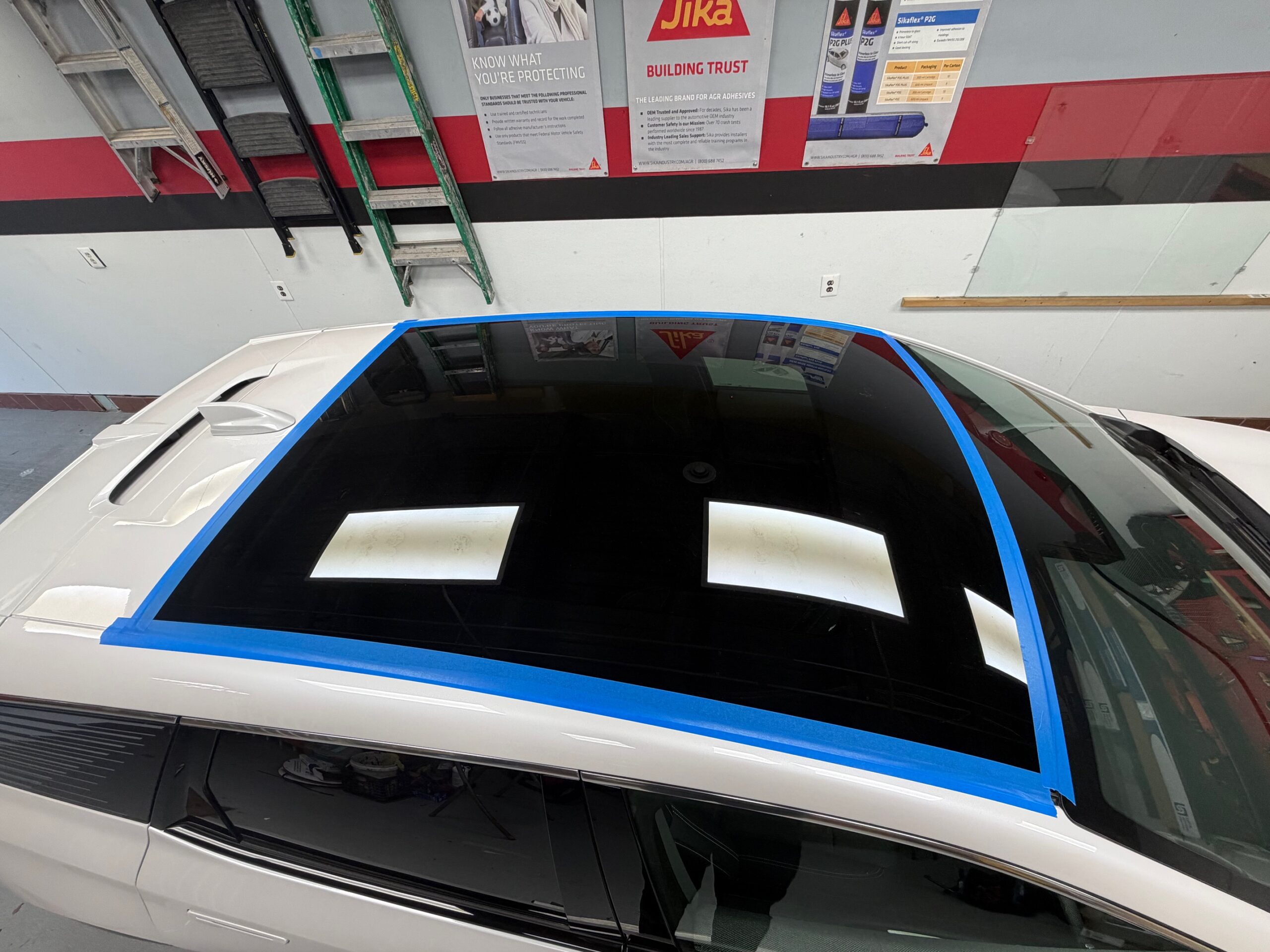
Sunroofs are one of those features that instantly elevate the driving experience. Whether you’re cruising on a bright summer day or simply enjoying fresh air without rolling down the windows, a sunroof adds comfort, openness, and a premium feel to any vehicle. In places like Michigan, where summers are short but enjoyable, drivers often rely on their sunroof to make the most of good weather.
However, like any glass component on a vehicle, sunroof glass is not immune to damage. Over time, exposure to debris, temperature changes, and everyday wear can lead to cracks, leaks, or complete failure. Many drivers underestimate how serious sunroof damage can become until it starts affecting their comfort or, worse, their safety.
With over 30 years in the auto glass industry, I’ve seen just about every type of sunroof issue imaginable. From hail damage to accidents involving garage doors, the stories are endless. One customer once rushed into my shop, clearly stressed, saying, “I just closed my sunroof, and now there’s a huge crack across it.” What seemed like a sudden issue was actually the result of stress buildup over time.
The truth is, sunroof glass is not just a luxury feature—it plays a role in protecting your vehicle’s interior, maintaining structural integrity, and in some cases supporting modern safety systems. Understanding when and how to replace it can save you from costly repairs and unnecessary risks.
Why Sunroof Glass Replacement Matters
A damaged sunroof is often dismissed as a minor inconvenience, but in reality, it can lead to a chain of problems that affect both safety and comfort. When the glass is cracked or compromised, it no longer provides a proper seal. This opens the door to water leaks, increased wind noise, and even temperature inconsistencies inside the vehicle.
Water intrusion is one of the most common issues I see. A small crack may not seem like a big deal at first, but over time, it allows moisture to seep into the interior. This can damage the headliner, electrical components, and even create mold if left untreated.
I remember a case where a driver ignored a small chip during early winter. By the time January arrived, freezing temperatures had expanded the crack, and water had started dripping into the cabin. What could have been a simple repair turned into a much more expensive fix involving interior restoration.
Beyond comfort, there’s also a structural aspect to consider. In some vehicles, especially older models, the sunroof contributes to the overall rigidity of the roof. When the glass is damaged, it can slightly weaken that structure. While this may not be immediately noticeable, it can affect the vehicle’s performance in extreme conditions or collisions.
Modern vehicles add another layer of complexity. Some models include sensors or systems that rely on proper alignment of components near the roof. If a sunroof replacement is done incorrectly, it can interfere with these systems. This is why timely and professional replacement is so important. It’s not just about fixing glass—it’s about maintaining the integrity of the entire vehicle.
Signs You Need a Sunroof Replacement
Sunroof damage doesn’t always present itself in obvious ways. While a large crack is easy to notice, many early warning signs are subtle and often ignored by drivers. Recognizing these signs early can prevent more serious problems later.
One of the most common indicators is a small chip or hairline crack. These imperfections may seem harmless, but they are often the starting point for larger damage. Temperature changes, especially in colder climates, can cause these small flaws to expand rapidly.
Another sign is water leakage. If you notice damp spots inside your vehicle after rain or snow, it’s a clear indication that the seal around your sunroof has been compromised. This issue tends to worsen over time, leading to more extensive interior damage.
Wind noise is another overlooked symptom. A properly installed sunroof should be nearly silent when closed. If you start hearing whistling or rattling sounds while driving, it could mean that the glass is not sitting correctly in the frame. This misalignment can be caused by impact damage or wear over time.
Mechanical issues can also signal a deeper problem. Difficulty opening or closing the sunroof may not always be related to the motor itself. In some cases, the glass has shifted slightly due to damage, affecting the entire mechanism.
I once had a client who mentioned a faint noise while driving but didn’t think much of it. Upon inspection, we found that the glass had warped slightly after a minor impact, and the frame had begun to deteriorate. Replacing the glass and properly sealing the unit resolved the issue completely. Situations like this highlight the importance of paying attention to even the smallest changes.
Cost of Sunroof Glass Replacement
The cost of replacing a sunroof can vary significantly depending on several factors, including the type of vehicle, the design of the sunroof, and the quality of the replacement glass. Many drivers are surprised to learn that sunroof replacement is often more complex and costly than standard windshield replacement.
Standard sunroof glass tends to be more affordable, but panoramic and motorized systems can quickly increase the price due to their size and complexity. Luxury vehicles often require specialized glass that meets strict manufacturer specifications, further adding to the cost.
Labor is another important factor. Removing damaged glass, preparing the frame, and installing the new unit requires precision and experience. Improper installation can lead to leaks, noise, or alignment issues, which may require additional repairs.
I always advise customers not to focus solely on price. While it may be tempting to choose the cheapest option, lower-cost services often cut corners by using inferior materials or skipping important steps. This can lead to more problems down the line, ultimately costing more than a proper installation would have in the first place.
Insurance can sometimes help offset the cost, particularly if the damage is caused by external factors like hail or accidents. However, coverage varies, and it’s important to understand your policy before moving forward. Taking the time to review your coverage can prevent unexpected expenses and ensure you make the right decision.
DIY vs Professional Replacement
For those who enjoy working on their own vehicles, the idea of replacing a sunroof might seem like a manageable project. However, in reality, it is far more complex than it appears and comes with significant risks.
One of the biggest challenges is achieving a proper seal. Sunroof glass must be installed with precise alignment and the correct amount of adhesive. Even a small mistake can lead to leaks or structural weakness. Unlike other parts of a vehicle, glass does not offer much room for error.
Another issue is handling the glass itself. Removing damaged glass without causing additional scratches or stress to the frame requires experience and the right tools. Without proper technique, a small issue can quickly turn into a much larger problem.
I once saw a DIY attempt where the adhesive was applied unevenly. Within minutes of installation, the pressure caused the glass to crack further, turning what could have been a simple repair into a full replacement. These situations are more common than you might think.
Professional technicians bring not only the right tools but also the experience needed to handle these challenges. They ensure proper alignment, secure installation, and long-term durability. For modern vehicles with complex systems, professional service is not just recommended—it is essential.

ADAS and Sensor Considerations
As vehicles become more advanced, the role of glass components has expanded beyond basic functionality. Some modern vehicles include sensors and systems that rely on precise alignment of various components, including those near the roof.
When a sunroof is replaced, even a slight misalignment can have unintended consequences. Systems that rely on accurate positioning may not function as intended, leading to inconsistent performance or false alerts. While this is more commonly associated with windshields, the overall structural alignment of the vehicle can still play a role.
This is why it’s important to treat sunroof replacement as part of a larger system rather than an isolated repair. Ensuring that everything is properly aligned and functioning after installation helps maintain the reliability of your vehicle’s safety features.
Winter and Weather Precautions
Michigan winters are particularly harsh on vehicle glass, and sunroofs are no exception. The combination of freezing temperatures, snow, and ice creates conditions that can accelerate existing damage.
The freeze-thaw cycle is one of the biggest contributors to crack expansion. Moisture enters small chips, freezes, and expands, gradually worsening the damage. This process repeats over time, often turning minor issues into major problems.
Snow accumulation adds another layer of stress. The weight of heavy snow can put pressure on the glass, especially if it is already weakened. Improper snow removal techniques, such as using sharp tools or excessive force, can further damage the surface.
Taking preventive measures during winter can significantly extend the life of your sunroof. Gentle cleaning, gradual temperature changes, and regular inspection all contribute to maintaining its condition.
Maintenance Tips to Extend Sunroof Life
Maintaining your sunroof is one of the most effective ways to prevent damage and extend its lifespan. Regular care not only keeps the glass in good condition but also ensures that the surrounding components function properly.
Cleaning is a key part of maintenance. Dirt and debris can accumulate in the tracks and seals, leading to blockages and improper drainage. Over time, this can cause water to back up and leak into the interior.
Lubrication is another important aspect. The moving parts of a sunroof need to operate smoothly, and applying the right type of lubricant helps prevent wear and sticking. Using the wrong products, however, can damage seals or attract more debris.
Inspecting the seals regularly allows you to catch signs of wear before they become serious problems. Cracked or dry seals should be replaced promptly to maintain a proper seal and prevent leaks.
Consistent maintenance may seem like a small effort, but it can save you from much larger repair costs in the future.
Choosing the Right Replacement Service
Selecting the right service provider is one of the most important decisions you can make when dealing with sunroof replacement. The quality of the work directly affects the performance, safety, and longevity of the repair.
Experience plays a major role. Technicians who have worked on a wide range of vehicles are better equipped to handle different types of sunroof systems. They understand the nuances of each design and can adapt their approach accordingly.
The quality of materials is equally important. Using high-grade or manufacturer-approved glass ensures a proper fit and reliable performance. Inferior materials may save money upfront but often lead to issues later.
A reputable service provider will also stand behind their work, offering warranties and ensuring that the installation meets industry standards. This level of confidence provides peace of mind and protects your investment.
FAQ
How long does sunroof glass replacement take?
Sunroof glass replacement typically takes around 2 to 4 hours, depending on the type of sunroof and vehicle complexity. Standard sunroofs are quicker, while panoramic or motorized systems require more time due to alignment and mechanism checks.
The process includes removal, cleaning, installation, and adhesive curing. Rushing the process can lead to leaks or noise, so proper installation time is essential for long-term durability.
Can insurance cover sunroof replacement?
Insurance may cover sunroof replacement if the damage is caused by events like hail, accidents, or vandalism under comprehensive coverage. However, damage from wear and tear is usually not included. Coverage also depends on your deductible and policy terms. It’s always best to check with your provider before proceeding. Acting quickly and documenting damage can improve your chances of getting coverage.
What are the risks of DIY sunroof replacement?
DIY sunroof replacement carries risks such as improper sealing, misalignment, and weak adhesive bonding.
These issues can lead to leaks, wind noise, or further glass damage. Handling the glass without proper tools may also damage the frame. In modern vehicles, incorrect installation can affect system alignment. Professional service ensures correct installation, durability, and avoids costly mistakes that often result from DIY attempts.
How can I prevent sunroof leaks?
Preventing leaks starts with regular inspection and maintenance. Check seals for cracks or dryness and clean the drainage channels to avoid blockages. Avoid forcing the sunroof open when ice or debris is present. After heavy rain or snow, inspect for moisture inside the vehicle. Proper care and early detection help prevent water damage and maintain a tight seal over time.
Are all sunroof glasses the same quality?
No, sunroof glass quality varies significantly. OEM glass is designed to match your vehicle’s specifications, ensuring proper fit, strength, and durability. Lower-quality aftermarket glass may lack proper thickness or curvature, leading to leaks or noise. Investing in high-quality glass ensures better performance and longevity. Choosing professional installation also helps maintain proper alignment and overall reliability.
Conclusion
Sunroof glass replacement is about much more than fixing a visible crack. It’s about maintaining the safety, comfort, and long-term reliability of your vehicle. From preventing leaks to ensuring proper alignment and functionality, every step in the process plays a role in protecting your investment.
By understanding the signs of damage, addressing issues early, and choosing professional service, you can avoid costly repairs and keep your vehicle in top condition. Regular maintenance and careful use further extend the life of your sunroof, allowing you to enjoy its benefits without unnecessary worry.
Michigan’s changing weather, road conditions, and daily wear all contribute to sunroof damage over time. Staying proactive is the best way to ensure that your vehicle remains safe, comfortable, and fully functional.
If you ever notice a crack, leak, or unusual behavior, don’t ignore it. A simple inspection today can save you from much bigger problems tomorrow.