

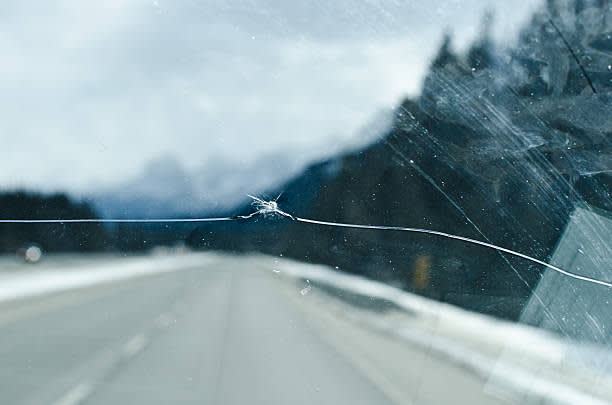
If you’re driving a newer vehicle in Auburn Hills—whether it’s a 2023 Chrysler, a Jeep, or a high-tech Ford—your windshield is far more than a pane of glass. Modern windshields integrate ADAS sensors, cameras, and reinforced glass, which means even minor chips require careful attention.
I remember back in 2005, I had a brand-new Chrysler 300 pulled into my shop. A tiny chip from road debris had formed during the owner’s commute.
At first glance, it seemed harmless. But once I examined the ADAS sensors embedded behind the glass, I realized a simple DIY repair could misalign the system, affecting lane departure warnings and forward collision alerts.
That experience taught me early on: newer vehicles require a different level of care.
Older cars were simpler. A windshield was just glass. Today, it’s an integral safety system. Ignoring minor damage can lead to costly repairs or even compromise your family’s safety.
Common Windshield Damage in Auburn Hills
Even newer vehicles are vulnerable, especially in Auburn Hills, where road conditions and traffic patterns create daily risks. Modern windshields are stronger than older glass, but they are also more sensitive due to integrated sensors and laminated layers.
Stone chips from highways:
Highways like M-59 and I-75 see constant commercial traffic, dump trucks, and construction vehicles. When vehicles travel at highway speeds, even a pea-sized stone can strike the windshield with enough force to create a star chip or bullseye fracture. Research shows that windshield impacts at 60+ mph significantly increase crack propagation risk due to vibration and pressure changes.
Construction zones:
Areas along Hall Road and Van Dyke frequently experience lane shifts, loose gravel, and uneven pavement. These zones often lack adequate debris barriers, allowing dust and rocks to hit windshields at unpredictable angles. Stop-and-go traffic in construction areas also increases vibration, which accelerates chip expansion.
Weather extremes:
Auburn Hills experiences harsh seasonal swings. Winter freeze-thaw cycles allow moisture to enter tiny chips, freeze overnight, and expand fractures. In summer, surface glass temperatures can exceed 140°F, causing thermal stress that widens existing damage.
Parking lot mishaps:
Shopping centers, grocery stores, and mall parking lots are common sources of low-speed damage. Loose gravel, shopping carts, and careless door swings can cause edge chips—some of the most structurally dangerous types of windshield damage.
A 2020 Jeep Cherokee I repaired for a commuter from Lakeside Mall had a chip caused by gravel kicked up during stop-and-go traffic near Hall Road. The chip looked minor, but the ADAS camera sat directly behind it. Ignoring it—or attempting a DIY repair—would have risked sensor misalignment and compromised safety.
ADAS Sensors and Modern Glass
ADAS systems are now standard in most newer vehicles, and they rely heavily on windshield clarity and precision alignment. Unlike older cars, today’s windshields are part of the vehicle’s safety architecture.
Lane Departure Assist:
Forward-facing cameras read lane markings in real time. Even slight distortion from a chip or poorly cured repair can cause delayed warnings, false alerts, or complete system deactivation.
Automatic Emergency Braking:
This system depends on accurate visual data to detect obstacles. Cracks or chips near the camera can refract light, reducing detection accuracy and reaction time—especially in low-light or rainy conditions.
Adaptive Cruise Control:
While radar plays a role, windshield-mounted cameras assist with distance tracking. Any obstruction or misalignment can compromise following distance calculations.
Industry studies show that even a 1–2 mm distortion near an ADAS camera can affect calibration accuracy. That’s why professional repairs often include post-repair system checks or recalibration.
I’ve recalibrated dozens of vehicles where drivers ignored tiny chips. At Save On Auto Glass, every repair is performed with sensor alignment in mind, because a miscalibrated ADAS system is not just inconvenient—it’s dangerous.
Why DIY Repairs Are Risky
DIY windshield repair kits may seem cost-effective, but they’re designed for older glass—not modern ADAS-equipped vehicles.
Resin penetration limitations:
Modern windshields use multi-layer laminated glass. DIY resins often fail to penetrate deeply enough, leaving microfractures that continue spreading beneath the surface.
Temperature sensitivity:
In Auburn Hills, winter cold prevents proper resin curing, while summer heat causes premature curing. Both result in weak repairs that fail over time.
Sensor misalignment risk:
Even if a DIY repair looks clear, it can introduce optical distortion directly in the camera’s field of view. DIY kits do not account for ADAS calibration requirements.
In 2019, a commuter brought in a 2021 Ford Explorer with a DIY repair near the ADAS camera. Visually, it looked acceptable. Functionally, it wasn’t. The lane assist system was misaligned, forcing us to redo the repair and recalibrate the sensors professionally.
DIY repairs often turn a repairable chip into a replacement-level problem.
Seasonal Risks for Newer Vehicles
Winter in Auburn Hills
Winter is the most damaging season for windshields. Freeze-thaw cycles rapidly expand chips as trapped moisture freezes and expands. Road salt can degrade adhesive bonds near windshield edges, while aggressive ice scraping worsens existing damage.
I once saw a Chrysler 300 with a small November chip that spread across the driver’s side by January—entirely due to temperature cycling.
Summer Heat
High heat causes glass expansion. Parking in direct sunlight, especially in large open lots like Lakeside Mall, stresses the windshield. A 2022 Jeep Wrangler developed a star chip that expanded within a week during a summer heatwave.
Spring & Fall Transitions
Rapid temperature swings between warm days and cold nights stress both glass and adhesive. Combined with increased construction activity, spring and fall are peak seasons for crack expansion.
Signs You Need Immediate Windshield Repair
Modern vehicles demand faster response times when damage occurs. Ignoring early warning signs increases safety risks and repair costs.
Watch for:
- Small chips or star cracks near ADAS cameras or sensors
- Edge cracks that weaken structural support
- Spiderweb cracks caused by repeated minor impacts
- Clouding, discoloration, or moisture trapped in the chip
I often tell drivers, “A small chip in a modern vehicle is like a microfracture in a smartphone screen—it won’t stay small for long.”
Cost Considerations
Windshield repair remains one of the most cost-effective safety services when addressed early.
- Minor chip repair: $65
- Full Windshield replacement with ADAS recalibration: $350–$700+
What many drivers don’t realize is that replacement costs are driven not just by glass—but by OEM requirements, adhesive curing time, and sensor recalibration. Delaying a simple repair often leads to higher insurance claims and longer vehicle downtime.
Insurance Coverage
Most insurance policies cover early windshield repairs. For newer vehicles in Auburn Hills, it’s smart to document chips immediately, especially if damage occurs on highways or in construction zones. Early claims often save money and preserve warranty coverage.
At Save On Auto Glass, we guide clients through every step of the insurance process, ensuring repairs meet OEM and AGSC standards.
Real-World Auburn Hills Cases
Case 1: Highway Gravel
A 2022 Chrysler Pacifica had a small chip from highway debris. Ignoring it for two weeks caused a crack near the ADAS camera. Professional repair and recalibration restored full safety.
Case 2: Parking Lot Mishap
A 2021 Jeep Cherokee was hit by a loose cart in a shopping area. The chip was near a sensor, requiring precise repair to maintain camera alignment.
Case 3: Winter Damage
A 2020 Chrysler 300 suffered minor edge cracks from freeze-thaw cycles. Left unrepaired, these cracks propagated, necessitating full windshield replacement.
Tips for Protecting Newer Windshields
- Inspect daily for chips, especially near sensors.
- Repair immediately—early intervention prevents full replacement.
- Avoid DIY kits—modern sensors require professional calibration.
- Park strategically—shade in summer, sheltered in winter.
- Maintain proper cleaning—avoid harsh chemicals that degrade adhesives.
Can a tiny chip affect ADAS sensors?
Yes. Even a small chip, just a few millimeters wide, can interfere with cameras and sensors embedded in modern windshields. Lane Departure Assist, Automatic Emergency Braking, and Adaptive Cruise Control all rely on precise alignment and clear glass.
A chip near these sensors can distort their field of view, causing false alerts or system malfunction. Professional repair not only fills the chip but also ensures the sensor is recalibrated, maintaining the safety features you rely on every day. Ignoring it can compromise both safety and insurance coverage.
Are DIY repairs safe for newer vehicles?
Rarely. Modern windshields are multilayered and often house ADAS sensors and cameras. DIY kits cannot penetrate laminated layers fully and may leave microfractures behind.
Additionally, improper curing due to temperature or resin inconsistency can weaken the windshield structurally. Even if the chip looks fixed, a misaligned sensor can cause lane assist or emergency braking failures. Professional repair guarantees both structural integrity and proper ADAS calibration, which DIY kits simply cannot achieve.
How quickly can chips spread in newer cars?
Minor chips can expand surprisingly fast—sometimes within a few days—especially on highways or in stop-and-go traffic. Vibration from everyday driving, thermal expansion from temperature changes, and debris from construction zones accelerate growth.
Winter freeze-thaw cycles or summer heat spikes can turn a small star chip into a spiderweb crack. Early detection and professional repair are critical to prevent a repairable chip from becoming a full replacement job.
Will insurance cover repairs?
Most insurance policies cover early professional windshield repairs, particularly for newer vehicles. Documenting the chip with photos, noting its location, and scheduling repair promptly increases the likelihood of coverage.
Some policies even waive the deductible for minor chip repairs. Acting quickly not only saves money but can prevent a minor repair from escalating into a full replacement claim, which is more expensive and time-consuming. Your insurer may also require professional repair to maintain warranty protection on ADAS systems.
What seasonal precautions help protect windshields?
In winter, avoid metal scrapers, park away from ice accumulation, and repair chips immediately to prevent freeze-thaw expansion. In summer, park in the shade, avoid blasting hot air on cold glass, and inspect chips after heat exposure.
During spring and fall, watch for sudden temperature swings, storms, or construction debris, which can stress the glass and spread small cracks. Regular inspections and mindful parking can significantly extend the life of your windshield and protect ADAS sensors.
When should I consider full replacement?
Full replacement is necessary if chips or cracks occur near ADAS cameras, spiderweb cracks develop, or edge cracks compromise structural integrity. Chips in these critical areas can no longer be safely repaired without risking sensor misalignment or weakening the windshield.
Using OEM glass with proper adhesives and professional calibration ensures that safety features function correctly. Delaying replacement in these situations increases the likelihood of further damage, higher costs, and safety hazards.
Final Thoughts
Newer vehicles in Auburn Hills demand extra care. With integrated sensors, laminated glass, and thermal-sensitive adhesives, even minor chips require professional attention. Early repair prevents costly replacements, preserves ADAS systems, and ensures your safety.
At Save On Auto Glass, we’ve helped hundreds of Auburn Hills drivers maintain their modern vehicles with OEM-grade glass, AGSC-approved adhesives, and precise calibration. Inspect, repair, and protect your windshield—it’s one of the most important safety features of your car.
Share this article with fellow Auburn Hills drivers to keep your community safe and informed.