

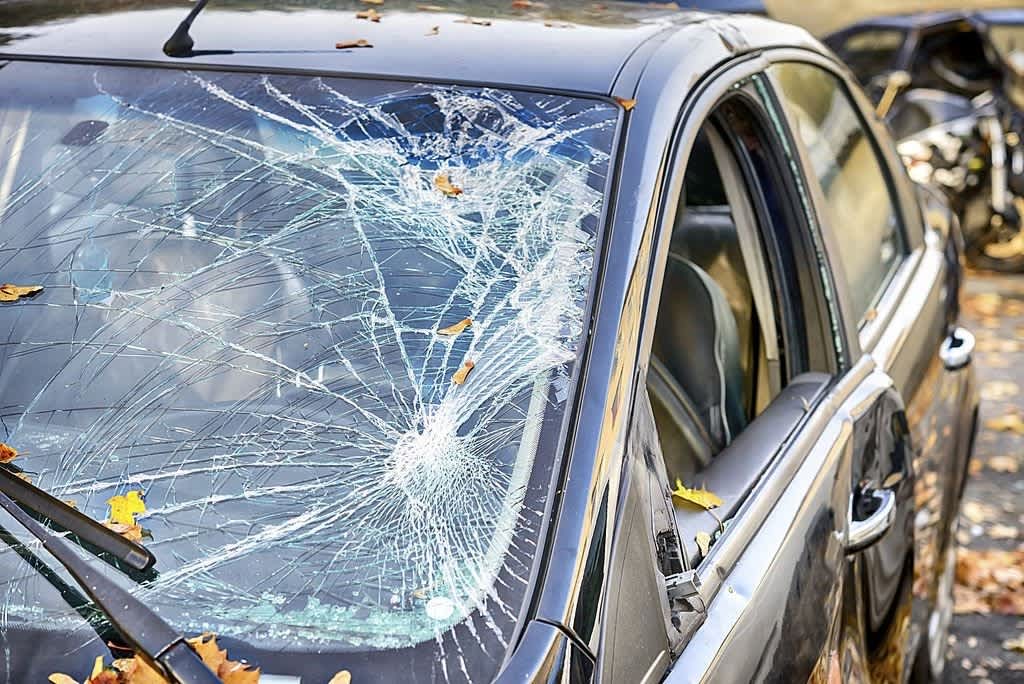
Every morning, Sterling Heights drivers hit the roads, merging onto Van Dyke, M-59, or Hall Road. You’re navigating stop-and-go traffic, trucks, buses, and commuter cars, all while keeping an eye out for icy patches or potholes.
As a 35-year Auto Glass Master Technician, I’ve seen the aftermath of rush hour traffic hundreds of times. Drivers arrive with windshields sporting chips, cracks, or spiderweb patterns caused by flying gravel, road debris, and sudden braking.
Back in the early 90s, I remember my first winter in Sterling Heights. I followed a commuter van from Lakeside Mall to Van Dyke after a minor gravel strike. By the time they reached downtown, the chip had grown into a 6-inch crack. That day, I realized: rush hour traffic is a silent enemy of windshields.
Why Rush Hour Increases Risk
Rush hour isn’t just about traffic jams — it creates a perfect storm of conditions that increase windshield damage risk. In Sterling Heights, congested roads like Van Dyke, M-59, and Hall Road mean vehicles are often bunched tightly together, giving drivers little room to react to flying debris.
Close following distances mean that even a small rock kicked up by a truck can strike your windshield with enough force to cause a chip. Sudden braking, stop-and-go acceleration, and uneven road surfaces transmit vibrations through your vehicle, which can quickly turn a minor chip into a spreading crack.
Additionally, traffic during peak hours includes a mix of commuter cars, delivery trucks, and buses, each carrying loose gravel, salt, or ice.
Even cautious driving isn’t a guarantee against damage — a moment of inattention or a sudden lane change by another driver can send debris flying directly at your glass. Thermal stress also comes into play; morning frost, defrosters, and residual engine heat can create uneven pressure across the windshield, weakening the glass and exacerbating minor imperfections.
By understanding how rush hour multiplies risks, drivers can take preventive measures such as maintaining safe following distances, avoiding tailgating trucks, and inspecting their windshield daily for chips.
Common Types of Damage During Rush Hour
Rush hour traffic produces more than just stress; it creates distinct types of windshield damage, many of which escalate if left untreated. The most frequent types I encounter in Sterling Heights include:
- Star-Shaped Chips – Often caused by small rocks thrown up by semi-trucks or delivery vans. These chips radiate tiny cracks from the impact point, and if untreated, thermal expansion or vibrations can turn them into spiderweb cracks.
- Edge Cracks – These occur near the frame of the windshield, often starting as minor chips or micro-fractures. Stop-and-go traffic vibrations can propagate the crack along the windshield edge quickly, compromising structural integrity.
- Combination Cracks – Multiple impact points during a single commute can lead to a mix of star chips and longer cracks. These are particularly dangerous because they affect larger portions of the windshield, reducing visibility and weakening the glass.
- Sensor Area Damage – For modern vehicles equipped with ADAS, chips near cameras or sensor mounts can misalign systems such as lane departure warnings or adaptive cruise control. Even a small chip can distort sensor calibration, creating hidden safety risks.
Rush hour damage is often invisible at first. A tiny chip from a rock thrown up by a bus might not be noticeable until thermal stress, vibration, or frost causes it to spiderweb. Understanding these common types allows drivers to identify weak points early and take action before minor damage requires full replacement.
How Winter Makes It Worse
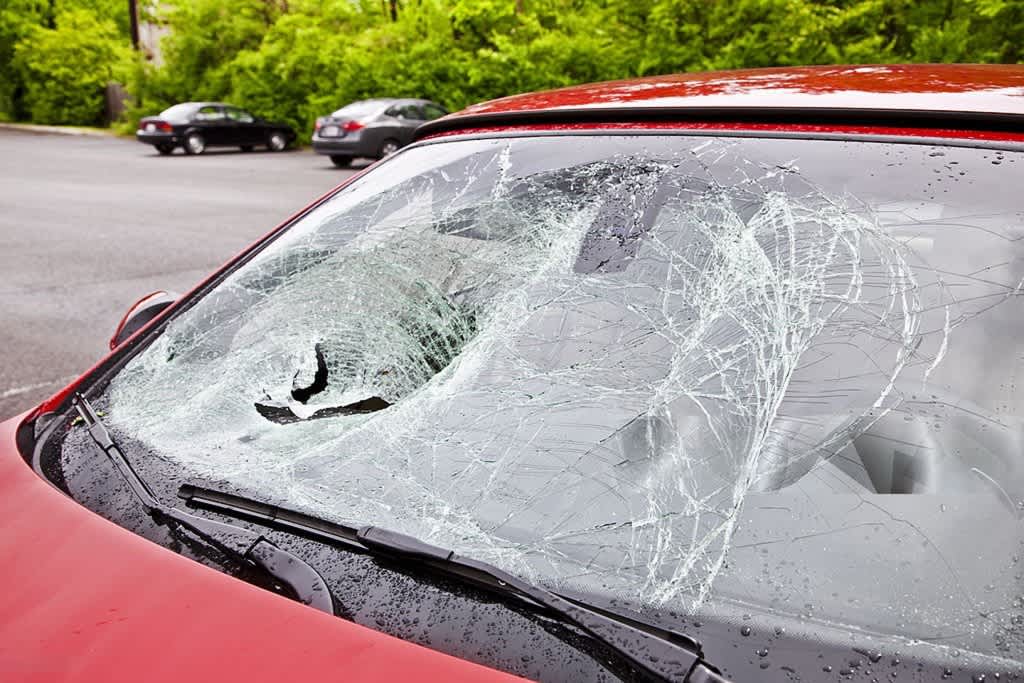
Michigan winters amplify rush hour windshield risks significantly, and Sterling Heights is no exception. Ice, frost, and road salt combine to create hazardous conditions for your glass. When snowplows spread salt and sand on icy roads, they inadvertently introduce abrasive particles that scratch glass and exacerbate minor chips. Even a small imperfection can turn into a spreading crack after repeated exposure.
Freeze-thaw cycles are another hidden hazard. Water trapped inside small chips or cracks expands when it freezes overnight, pushing the fracture outward.
By morning, a previously minor chip can become a long crack that spans several inches. Temperature swings also add stress: morning frost, daytime sun, and engine heat from defrosters create uneven expansion across the windshield. This thermal stress is particularly impactful in vehicles that have pre-existing chips or micro-fractures.
Winter driving also increases the frequency of stop-and-go movements. Accelerating on icy roads, braking suddenly, or swerving to avoid patches of ice introduces additional vibrations that can propagate cracks.
Even if you drive cautiously, winter conditions make the windshield more vulnerable. Regular inspections after a morning commute, combined with early professional repair, are essential. For ADAS-equipped vehicles, winter damage can interfere with sensors and camera calibration, making professional intervention critical not just for glass repair, but for overall driving safety.
Stop-and-Go Traffic Stress
Stop-and-go traffic isn’t just annoying — it stresses your car’s glass in subtle ways. Every brake, acceleration, and steering correction transmits vibration and force through the windshield. Small chips or previous cracks act like weak points, propagating under stress.
I once repaired a driver’s windshield that had a tiny chip near the bottom corner. During a morning commute, multiple stops and starts on icy Van Dyke caused the crack to extend across half the windshield. Early professional repair would have prevented the replacement.
The Hidden Risk of Flying Debris
Rush hour traffic produces more than frustration — it produces rocks, ice, and salt flying toward your windshield at high speed. Delivery trucks, SUVs, and semi-trucks all kick up debris that can hit your glass. Even a small stone can cause a chip.
I remember a Sterling Heights driver who was hit by a tiny rock while merging onto M-59 during morning traffic. The chip was initially minor. By the time they reached work, temperature fluctuations and road vibration had turned it into a spreading crack.
Signs You Need Immediate Attention
During rush hour, damage isn’t always immediately noticeable. Look for:
- Chips in your line of sight
- Edge cracks near the frame
- Spiderweb patterns from multiple debris strikes
- Chips near ADAS sensor areas
- Moisture or frost inside the crack
If any of these appear, call a professional immediately. Waiting can turn a simple repair into a full windshield replacement.
DIY vs. Professional Repairs
I understand the temptation to use a DIY kit. They’re cheap, convenient, and promise a quick fix. But in Sterling Heights, especially during winter:
- Cold temperatures prevent proper resin curing.
- Moisture prevents resin from bonding.
- Vibration from stop-and-go traffic can immediately undo the repair.
Even if a DIY repair “looks” good, it can hide structural weaknesses. For safety, professional repairs with AGSC-certified resins and OEM-grade glass are always best.
Insurance Considerations
Most auto insurance policies cover windshield repairs. Early repair often comes at no cost to the driver. Waiting until a chip spreads to a full crack increases the deductible and may complicate claims.
At Save On Auto Glass, we’ve guided Sterling Heights drivers through insurance claims for years, making sure repairs meet safety standards and that coverage is fully utilized.
Real-World Rush Hour Stories
Case 1: Lakeside Mall Commuter
Small chip caused by gravel during morning traffic expanded due to road vibration and freeze-thaw overnight. Replacement required full windshield and ADAS calibration.
Case 2: M-59 Morning Rush
Edge crack propagated from minor damage during stop-and-go traffic. Crack grew to frame width, necessitating professional replacement.
Case 3: Delivery Truck Debris
Driver hit by rock kicked up by delivery truck. Chip spread rapidly due to thermal stress and winter road vibration. Early repair prevented total replacement.
Pro Tips for Sterling Heights Drivers
- Inspect your windshield daily — especially after rush hour and winter weather.
- Repair chips immediately — small chips grow quickly under stress.
- Avoid DIY fixes during winter — temperature and moisture reduce effectiveness.
- Document damage — photos, timestamps, and location help insurance claims.
Use professional services — AGSC-certified technicians ensure proper repair and ADAS calibration.
FAQs
Can small chips become dangerous during rush hour?
Absolutely. Even a tiny chip might seem harmless, but during stop-and-go traffic, your windshield experiences constant vibration, minor jolts, and thermal stress from engine heat and defrost cycles.
That small imperfection acts as a weak point, and the forces of driving — especially during crowded morning or evening commutes — can make it spread quickly. A chip in your line of sight can also create glare from headlights or the rising sun, increasing the risk of accidents. Ignoring it isn’t just about cost; it’s about safety for you, your passengers, and everyone on the road.
Is DIY repair safe in winter?
In Sterling Heights winters, DIY kits are rarely effective. Cold temperatures prevent the resin from curing properly, moisture can seep into the chip, and even small vibrations from driving on icy or rough roads can cause the repair to fail immediately.
DIY fixes may temporarily make the damage look better, but they don’t restore the windshield’s structural integrity. A professional repair ensures that AGSC-certified resins bond correctly, moisture is removed, and the glass remains safe for driving.
How does traffic vibration affect chips?
Every bump, brake, and acceleration transfers force through your vehicle, and the windshield, as a rigid structure, absorbs a lot of that energy. Chips or existing cracks act like stress concentrators — the vibration intensifies the weak points, causing them to grow.
On busy roads like M-59 or Van Dyke, where stop-and-go traffic is constant, even a minor chip can extend into a large crack in a matter of days. This is why professional early intervention is so critical.
Can ADAS sensors be affected?
Yes. Modern windshields often have cameras and sensors integrated for Advanced Driver Assistance Systems (ADAS).
A crack near these sensors can misalign them, causing lane departure warnings, adaptive cruise control, or emergency braking systems to malfunction.
Misaligned sensors may also fail calibration checks after repair, potentially leading to expensive replacements or safety hazards. Ensuring professional repair preserves both the windshield’s integrity and the proper functioning of these systems.
Will insurance cover rush-hour damage?
Most insurance policies do cover windshield repair, especially if the damage is addressed promptly.
Early professional repair is usually fully covered or may only require a minimal deductible. Waiting for a crack to expand during rush hour or winter driving can convert a minor repair into a full replacement, which may increase costs and potentially affect future claims. Documenting the damage and repair with photos helps streamline the claim process.
How quickly can a chip spread?
In Sterling Heights, particularly during winter and rush-hour traffic, chips can spread surprisingly fast — sometimes within 24-48 hours.
Factors like temperature swings, road salt, ice, snow, and vehicle vibrations accelerate crack propagation. Even small imperfections can grow into complex spiderweb cracks if ignored. Acting immediately by consulting a professional technician is the safest way to prevent further damage and maintain both visibility and structural integrity.
Final Thoughts
Rush hour traffic in Sterling Heights isn’t just a headache for your commute — it’s a serious threat to your windshield. Flying debris, vibration, thermal stress, and winter weather all contribute to rapid chip and crack propagation.
After 35 years on the job, I’ve learned: early detection and professional repair are critical. Ignoring minor damage can escalate to costly replacements and unsafe driving conditions.
At Save On Auto Glass, we’ve helped thousands of Sterling Heights drivers maintain safe windshields, using OEM glass, AGSC-certified adhesives, and precise ADAS calibration when needed.
If you notice a chip after your morning commute, don’t wait. Call us today. Share this article with a fellow Sterling Heights driver — early repair saves money, stress, and lives.