

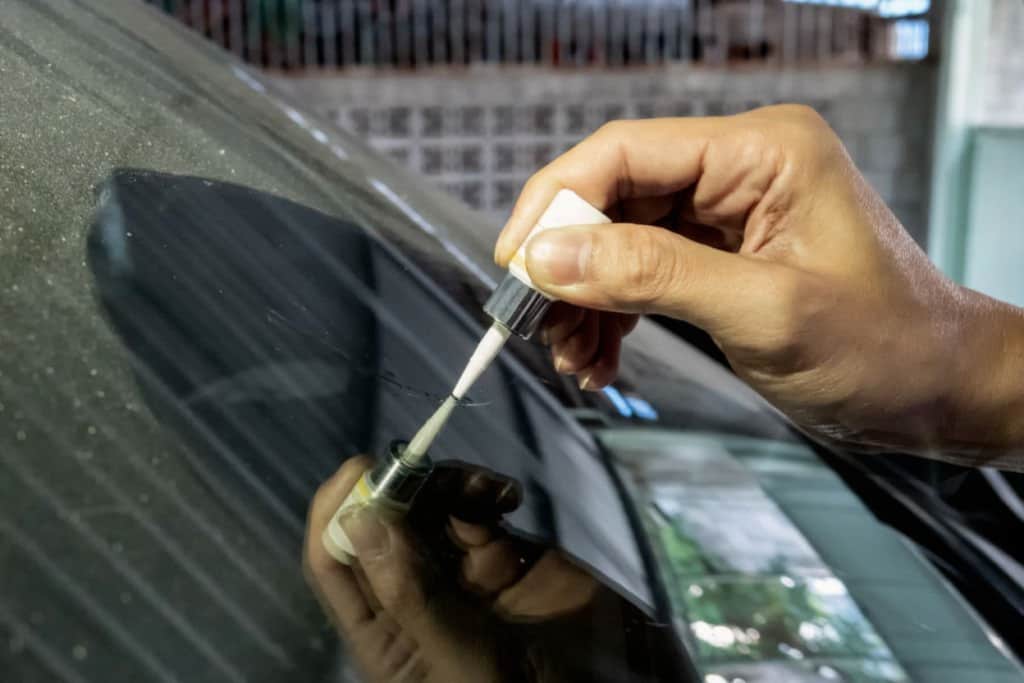
It Starts as a Tiny Chip — Then Overnight, a Nightmare
I can’t tell you how many times a Sterling Heights driver has come into my shop, pointing at what looks like a harmless chip in their windshield.
“It’s just a little thing,” they say. “I’ll get it fixed later.”
I’ve been Revin Y., an Auto Glass Master Technician, for 35 years, and I’ve seen this story play out over and over. Back in the early 90s, my first winter in Michigan taught me a valuable lesson: small chips don’t stay small in winter. A tiny rock hit can turn into a sprawling crack that crosses your entire windshield — sometimes in a single cold snap.
Winter here isn’t gentle. Sterling Heights drivers face ice, frost, snow, and salt — all of which turn a minor chip into a major headache if left untreated.
Why Winter Conditions Are a Glass Killer
Glass is a tricky material. It’s rigid, brittle, and reacts to stress differently than metal. Small chips compromise the structural integrity of your windshield, creating tiny weak points.
In Michigan winters, several factors accelerate the problem:
- Freeze-Thaw Cycles: Overnight frost and daytime sun cause expansion and contraction. Water that seeps into a chip freezes, expands, and widens the damage.
- Road Salt and Debris: Salt and sand thrown up from roads scratch and stress the glass. The vibration from icy roads further propagates cracks.
- Temperature Swings: A car heated inside with a defroster and cold outside experiences uneven stress across the glass.
I remember a case from Van Dyke near Lakeside Mall. A customer had a minor chip from a gravel strike. The next morning, after a frost and the first winter sun, the chip had already stretched halfway across the windshield. That’s when I realized every Sterling Heights winter is essentially a stress test for damaged windshields.
The Science Behind Crack Propagation
A chip isn’t just cosmetic. Think of it like a weak link in a chain. Stress applied to that chip travels through the glass, seeking the path of least resistance.
In winter:
- Moisture Intrusion: Snow melts and seeps into the micro-fractures.
- Thermal Stress: Rapid temperature changes cause glass to flex slightly, but chips can’t handle the movement.
- Vibration Amplification: Potholes, ice ridges, and bumpy roads transfer energy into the crack.
These factors work together like a perfect storm. Even a “tiny” chip can become irreparable within days if ignored.
Why DIY Repairs Often Fail in Winter
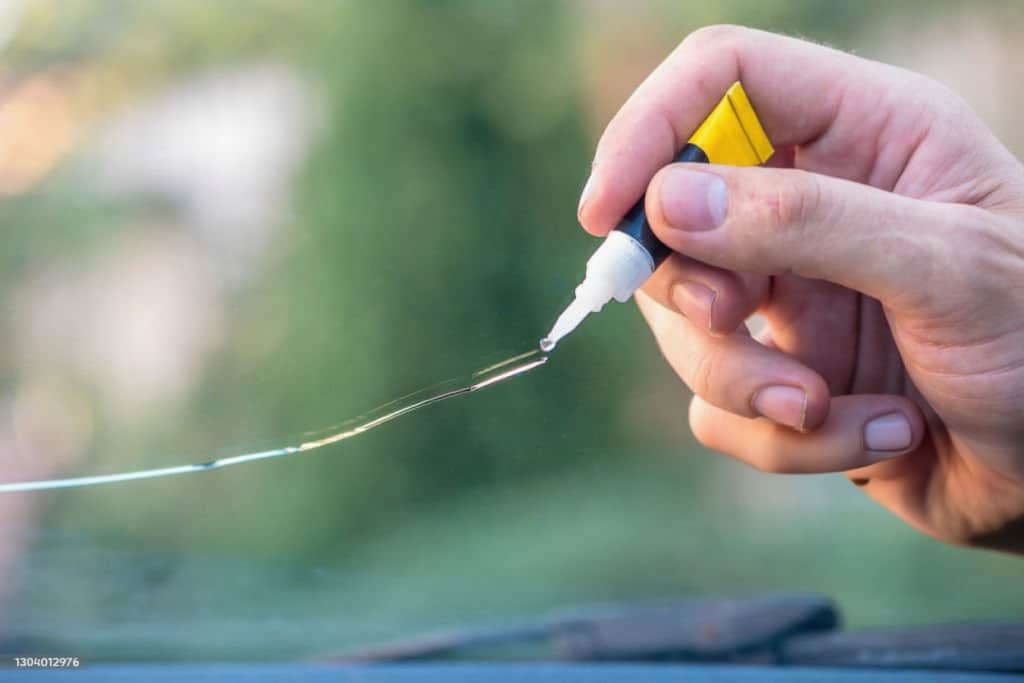
I get it — DIY kits are tempting. They promise to fill chips with resin, sealing them until spring. But winter throws a wrench into that plan.
- Cold temperatures prevent proper resin curing. Most kits require a warm environment to harden correctly.
- Moisture trapped in the chip prevents bonding. Ice or humidity under the resin makes it ineffective.
- Vibration from winter driving can cause the resin to crack or fail entirely.
I’ve seen drivers waste time and money using kits, only to return in February with a crack that’s grown across the windshield. The fix? Full replacement, not repair.
Parking and Traffic in Sterling Heights Winter: A Hidden Threat
M-59, Van Dyke, and major shopping areas are notorious for winter hazards.
- Loose gravel and salt spray increase rock strikes.
- Plowed snow piles create hidden obstacles, sending stones flying.
- Ice patches lead to sudden braking, which transfers stress to an already compromised windshield.
Even careful drivers aren’t immune. One minor chip while navigating a frozen parking lot can turn into a full windshield failure during your next morning commute.
How Temperature Swings Specifically Affect Chips
Let me tell you a story from my shop back in 1998. A client had a small star-shaped chip from a late fall rock strike. Temperatures swung from 18°F overnight to 45°F during the day.
By the end of the week, the chip had split into a 12-inch crack across the glass. Why? Thermal expansion and contraction. Glass can’t “stretch” like metal. Weak points, like chips, are the first to give.
This is especially true for Sterling Heights winters, where temperature swings happen almost daily between day and night.
The Hidden Dangers of Driving with Chips in Winter
Many drivers underestimate how dangerous even a small windshield chip can be, especially during the winter months. A tiny chip is not just a cosmetic issue — it can affect the overall safety and performance of your vehicle. Windshields play a crucial role in the structural integrity of your car. If a chip is left unrepaired, it can compromise your car’s frame, which is especially important during collisions.
Chips located near airbag sensor areas are particularly risky. A weakened windshield may prevent airbags from deploying correctly in an accident, putting you and your passengers at greater risk of injury. Even a chip that seems harmless in the driver’s line of sight can create visibility hazards. Cracks can refract light, causing glare from oncoming headlights, street lamps, or even the low winter sun.
Additionally, small chips are more vulnerable to stress from everyday driving. Ice patches, potholes, and road debris can transfer energy directly into a weakened spot. A simple bump or vibration could cause a minor chip to spread rapidly across the windshield. I’ve seen cases where drivers were lucky to avoid accidents, but the potential for a catastrophic failure is always present. The key takeaway: no chip is too small to ignore. Early inspection and repair prevent minor damage from escalating into a serious safety issue.
Proper Winter Repair Protocols
Repairing windshield chips during winter requires extra care, attention, and professional expertise. Standard repair methods may not work in freezing conditions because cold temperatures, moisture, and uneven heating can prevent resins from curing correctly. At Save On Auto Glass, we follow strict winter repair protocols to ensure a lasting and safe repair.
The first step is a thorough inspection. We examine every chip for moisture contamination, size, and location. Even a tiny amount of trapped water can cause a repair to fail, so it’s critical to identify it before any resin is applied. Controlled warming of the windshield is often necessary. Using specialized tools, we gently heat the glass to create the perfect environment for the resin to flow and bond correctly.
Next, we use AGSC-certified resins, which are formulated for strength, clarity, and durability. Proper application techniques are essential, especially in winter conditions. After the resin is applied, curing is monitored carefully. We ensure the resin sets fully before the vehicle leaves the shop, preventing cracks from reappearing or spreading.
Sometimes, chips are too large, too deep, or contaminated to repair safely. In these cases, replacement is always the safer option. Attempting a repair under unfavorable conditions could lead to further damage, additional costs, and compromised safety. Following these winter-specific protocols ensures that your windshield remains structurally sound, clear, and reliable, protecting both your vehicle and everyone inside it.
Insurance Tips for Sterling Heights Drivers
Most Michigan insurance policies cover windshield repair — often at no cost — if you act quickly. Waiting until the chip spreads into a full crack may turn a simple claim into a replacement claim, potentially affecting deductibles.
I’ve had clients lose coverage because the DIY kit introduced dirt and moisture into the chip. Early professional repair is always safer, cheaper, and compliant with Michigan law.
Real-World Case Studies
Case 1: Lakeside Mall Lot Strike
A driver parked in a snowy lot. Gravel struck a windshield, causing a tiny chip. By the next week, repeated freeze-thaw cycles had turned it into a 10-inch crack. Early repair could have prevented full replacement.
Case 2: Van Dyke Commute
During rush hour, a small chip expanded after a winter road salt spray. The crack reached the windshield frame. Insurance covered replacement, but the deductible cost twice what an early repair would have been.
Case 3: DIY Kit Fail
A Sterling Heights student tried a home kit during a January thaw. The chip expanded within 48 hours due to trapped moisture. Result: full windshield replacement and added cost for ADAS calibration.
Pro Tips for Protecting Windshields in Winter
- Act Fast: Repair chips immediately, especially before the first frost.
- Park Smart: Avoid parking under trees or near construction areas with loose gravel.
- Control Temperature: When possible, avoid blasting the heater directly on small chips until repaired.
Professional Inspection: Early assessment by an AGSC-certified technician can prevent a minor repair from becoming a full replacement.
FAQs
Why do small windshield chips spread quickly?
Small chips create weak points in the windshield glass. Stress from road vibrations, temperature changes, or moisture can travel through these weak points, causing cracks to expand. Even minor chips near edges or the driver’s line of sight can grow rapidly if left untreated. Early professional repair stabilizes the glass and prevents minor damage from turning into a full windshield replacement, saving time, money, and potential safety risks.
Can DIY windshield repair kits stop cracks from spreading?
DIY kits can temporarily fill chips with resin, but they often fail to fully restore the structural strength of the glass.
Improper cleaning, trapped moisture, or uneven application can leave micro-fractures unsealed. Vibrations from driving can also cause the crack to continue spreading. Professional repairs use certified resins, proper tools, and expert techniques to ensure the chip is safely stabilized.
Does road debris affect windshield chips?
Yes. Gravel, stones, or sand hitting a weakened area can worsen existing chips or start new cracks. Even minor impacts in parking lots or during commutes can quickly expand a chip if the glass is already compromised. Regular professional inspections help identify vulnerable areas and prevent minor damage from escalating into a larger problem.
How fast can a small chip turn into a full crack?
The speed varies depending on the chip’s location, size, and exposure to stress, but even a tiny chip can develop into a full crack within a few days under regular driving conditions.
Chips near edges, the driver’s line of sight, or sensor areas are particularly prone to fast expansion. Early repair is the safest way to prevent a sudden, costly replacement.
Are windshield repairs covered by insurance?
Most insurance policies cover windshield repairs, often with no deductible if addressed promptly. Delaying repairs until the chip spreads into a full crack may require a replacement claim, which can increase out-of-pocket costs.
Proper documentation, certified materials, and professional repair help ensure coverage and compliance with safety regulations.
Can small chips affect modern car safety systems?
Yes. Cracks near cameras or sensor mounts can misalign advanced driver-assistance systems (ADAS), affecting lane assist, forward collision warning, or emergency braking. Even minor chips in the wrong location can compromise these features. Professional repair ensures proper alignment and preserves the vehicle’s safety functions.
Final Thoughts
Small chips are deceptively dangerous in Sterling Heights winters. What looks like a minor imperfection can rapidly transform into a full windshield failure due to freeze-thaw cycles, moisture, road salt, and temperature swings.
After 35 years in this trade, I’ve learned: early action is the single best way to protect your car, your family, and your wallet.
Don’t wait until the first snowstorm. Don’t trust a DIY kit in freezing conditions. Get a professional inspection. At Save On Auto Glass, we’ve helped thousands of drivers keep their windshields intact through Michigan winters, using OEM glass, AGSC-certified resins, and proper winter protocols.
If you notice a chip this winter, call us today. Share this article with a friend who’s putting off a repair. Prevention saves money, stress, and lives.