

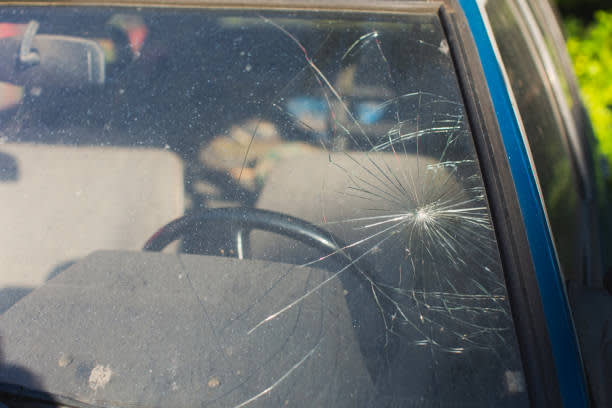
For many Auburn Hills drivers, managing work, errands, and family responsibilities can feel like juggling flaming torches—especially when a chipped or cracked windshield enters the mix. Finding time to visit a repair shop often seems impossible, and ignoring damage can lead to costly replacements.
Back in the early 90s, when I was hauling mobile repair vans through Detroit suburbs, we had noisy generators, heavy tools, and often unpredictable schedules.
Today, mobile auto glass repair has evolved into a seamless solution, perfect for commuters and busy professionals alike. It’s convenient, professional, and often faster than waiting in line at a shop.
Why Mobile Auto Glass Repair Makes Sense
Mobile auto glass repair isn’t just a convenience—it’s a practical solution for protecting modern vehicles and staying on schedule. In today’s fast-paced Auburn Hills lifestyle, busy drivers often juggle work, family, and errands, leaving little time to sit at a repair shop for hours.
Mobile repair brings professional service directly to your location, whether that’s your home, office parking lot, or even a favorite shopping center.
Time Efficiency:
Mobile technicians come to your location, eliminating long waits or missed appointments. Drivers save hours compared to in-shop visits, which is especially valuable for commuters who cannot afford to skip work.
Safety:
Minor chips can quickly expand into larger cracks, compromising structural integrity and affecting sensitive ADAS systems. Mobile repairs allow immediate attention before small damage escalates into expensive and potentially dangerous repairs.
Convenience:
Repairs are scheduled around your day, whether it’s a lunch break, after work, or even while attending meetings at the office. This reduces disruption and ensures your vehicle is safe without rearranging your schedule.
Professional Service:
Mobile technicians use OEM-quality glass, AGSC-approved adhesives, and follow strict safety protocols, ensuring repair quality matches in-shop standards. They can also recalibrate ADAS sensors on the spot, protecting your car’s advanced safety systems.
I recall a 2021 Chrysler Pacifica owner at the Chrysler Tech Center. A small star chip appeared on M-59 during her commute. Mobile repair during her lunch break allowed her to continue her day uninterrupted while ensuring the vehicle’s ADAS sensors remained fully functional. For busy drivers, mobile service isn’t just convenient—it’s a proactive safety solution.
How Mobile Service Protects Newer Vehicles
Modern vehicles aren’t just metal and glass—they’re sophisticated sensor platforms. Advanced Driver Assistance Systems (ADAS) like lane departure, adaptive cruise control, and automatic emergency braking rely on precise calibration and clean, undamaged windshields. Even minor chips can misalign sensors, create false alerts, or compromise safety features.
Mobile auto glass repair addresses these risks by:
- Ensuring ADAS sensor calibration: Technicians evaluate chip location relative to sensors and recalibrate systems after repairs.
- Using OEM-quality glass and AGSC-approved adhesives: Guarantees the structural integrity matches factory standards.
- Maintaining full structural integrity: Laminated windshields are restored to original strength, reducing the risk of shattering during accidents.
For example, a 2022 Jeep Cherokee had a small star chip near its adaptive cruise control sensor. Ignoring it could have caused sensor misalignment, affecting braking distance and lane monitoring. Mobile repair fixed the chip on-site, preserving sensor function and overall vehicle safety.
This is especially crucial for newer vehicles, as ADAS misalignment can sometimes go unnoticed until an accident occurs or a warning light appears. Mobile repair ensures proactive prevention, giving drivers peace of mind.
Seasonal Considerations for Mobile Repairs
Winter Challenges
Auburn Hills winters are harsh, with freezing temperatures, snow, and ice. Freeze-thaw cycles can expand chips rapidly: water seeps into a crack, freezes overnight, and pushes glass layers apart. Road salt and debris accelerate damage, corroding adhesive bonds. Ice scraping may also enlarge minor chips.
A Chrysler 300 owner called during a January snowstorm. The chip had already started spreading due to frost. Mobile repair on-site prevented a full windshield replacement, saving time and money.
Summer Heat
During summer, thermal expansion is the main threat. Direct sunlight and hot pavement can cause chips to grow as glass expands. Sunlight may also soften adhesives near the damaged area, reducing structural integrity. Mobile repair allows timely intervention, often during lunch breaks or early mornings, preventing further heat-related damage.
Spring & Fall Transitions
Rapid temperature swings in spring and fall stress glass and adhesives. Minor imperfections can quickly turn into larger cracks. Seasonal construction and storms further increase the risk of windshield damage. Mobile repair ensures that even during these transitional periods, drivers don’t have to wait days for in-shop appointments, reducing the chance of cracks worsening.
Construction Zone Hazards
Driving through Auburn Hills construction zones exposes vehicles to unique risks. Loose gravel, debris from trucks, and uneven pavement can cause chips and cracks even during short commutes.
- Debris is unpredictable: Small stones can ricochet at high speeds.
- Traffic congestion adds stress: Stop-and-go patterns exacerbate existing chips.
- Delayed repairs worsen damage: Driving further with a chip can turn a minor imperfection into a spiderweb crack.
I remember a 2020 Chrysler Pacifica commuter who hit multiple micro-chips after driving through Van Dyke construction. Mobile repair the next day prevented the need for a full replacement, allowing him to maintain his work schedule without disruption.
Daily Commute Risks
Even regular commuting introduces risks:
- Highway vibrations: Daily driving on M-59 and I-75 exacerbates micro-cracks.
- Gravel and debris: Construction, roadwork, and passing trucks can create new chips.
- Stop-and-go traffic: Continuous braking can merge minor cracks into spiderweb patterns.
Mobile service allows same-day or next-day repair, protecting both ADAS systems and structural integrity without forcing drivers to adjust their busy schedules. Immediate repair minimizes the likelihood of larger cracks that require costly replacements.
How Mobile Repairs Work
Mobile auto glass repair has advanced significantly. Here’s how a typical on-site repair works:
- Assessment: The technician evaluates the chip or crack and its proximity to ADAS sensors.
- Surface Preparation: Dirt, moisture, and debris are removed for optimal resin adhesion.
- Resin Injection: AGSC-approved resin fills the chip completely.
- Curing: UV light or heat cures the resin, restoring structural integrity.
- Finishing & Calibration: The surface is polished, and ADAS systems are recalibrated as needed.
All this is performed on-site, saving hours of downtime and ensuring that modern safety systems remain fully functional. Mobile repair brings shop-quality results directly to your location.
DIY vs Mobile Professional Service
Many drivers attempt DIY kits to save money, but modern windshields are complex, laminated, and often equipped with embedded sensors. DIY repair risks include:
- Incomplete resin penetration that leaves the chip structurally weak.
- Poor curing in extreme temperatures, reducing long-term durability.
- ADAS misalignment, which can trigger false alerts or system failure.
Mobile professionals guarantee:
- Full structural integrity of the glass.
- ADAS sensor alignment and calibration.
- Durable, long-term repairs.
- Prevention of costly full replacements.
Professional mobile service protects both your vehicle and your investment in safety technology.
Cost Considerations
Immediate mobile repair often saves money in the long run:
- Minor chip repair: $50–$150
- Full replacement with ADAS recalibration: $350–$700+
Addressing chips promptly prevents small issues from escalating into expensive replacements. For busy Auburn Hills drivers, mobile repair is both a cost-effective and time-efficient choice.
Insurance Coverage
Many Auburn Hills drivers find that insurance covers professional mobile repairs. Key tips include:
- Document the chip with photos.
- Schedule immediate repair.
- Avoid driving with a compromised windshield.
We at Save On Auto Glass assist clients with insurance claims, ensuring professional, ADAS-compliant repairs are covered.
Real-World Mobile Repair Cases
Case 1: Office Parking Lot
A Chrysler Pacifica owner had a tiny chip appear on M-59. Mobile repair at her office allowed her to fix it during her lunch break, avoiding disruption to her busy workday.
Case 2: Highway Gravel Incident
A Jeep Cherokee commuter picked up a star chip on M-59. Mobile repair prevented the chip from spreading and interfering with ADAS sensors.
Case 3: Winter Freeze-Thaw
A 2020 Chrysler 300 with a small edge chip faced winter expansion. Mobile service avoided a full windshield replacement.
Pro Tips for Auburn Hills Drivers
- Inspect daily for chips and cracks.
- Schedule immediate professional repair.
- Avoid DIY kits for newer vehicles.
- Plan mobile repair around your workday.
- Park strategically to minimize heat, sun, and debris exposure.
- Maintain cleanliness with gentle, non-abrasive cleaners.
FAQs
Is mobile windshield repair as safe as in-shop service?
Yes, mobile windshield repair is just as safe and effective as in-shop service when performed by trained professionals.
Mobile technicians carry the same high-quality tools, OEM glass, and AGSC-approved adhesives used in repair shops. They also follow strict safety and calibration protocols to ensure your vehicle’s structural integrity is fully restored. On-site repairs can include ADAS sensor recalibration, so your vehicle’s advanced safety systems function correctly.
Mobile service provides the added benefit of convenience without compromising quality, saving you time while maintaining the same safety standards as a shop visit.
Can mobile repair handle ADAS-equipped vehicles?
Absolutely. Modern vehicles increasingly rely on Advanced Driver Assistance Systems (ADAS), and mobile technicians are trained to handle these complexities. During repairs, they carefully assess chip locations relative to sensors, cameras, and lane assist systems.
They use OEM-quality glass and precise calibration tools to restore proper functionality.
Whether your vehicle has adaptive cruise control, automatic emergency braking, or lane departure assist, mobile repair ensures these systems remain accurate and reliable. Ignoring sensor alignment can lead to false alerts or unsafe conditions, so professional mobile service is critical for modern vehicles.
How long does a mobile repair take?
Most mobile windshield repairs take between 30–60 minutes, depending on the chip size and complexity. This includes assessment, surface preparation, resin injection, curing, polishing, and ADAS calibration if needed.
Because repairs happen on-site, you can schedule them around your workday, during lunch breaks, or at home. Unlike in-shop visits, there’s no need to wait in line or rearrange your schedule.
Minor chips and cracks are often repaired the same day, preventing further damage and ensuring your windshield maintains its full safety performance.
Will insurance cover mobile repairs?
Yes, many insurance policies cover professional mobile windshield repairs. It’s important to document the damage with photos, note the chip’s location, and schedule a repair promptly.
Some policies even waive deductibles for minor chip repairs, which helps avoid higher costs from full replacements later.
Mobile repair providers like Save On Auto Glass can assist with insurance claims, ensuring repairs meet OEM and AGSC standards. Prompt service not only preserves safety but also helps maintain your coverage and prevents long-term damage that could complicate future claims.
What seasonal precautions help protect windshields?
Different seasons pose unique risks to windshields:
Winter: Avoid aggressive scraping, park in sheltered areas, and repair chips immediately to prevent freeze-thaw damage.
Summer: Park in the shade, avoid sudden temperature changes, and inspect for heat-induced cracks.
Spring/Fall: Check your windshield after storms, rapid temperature swings, or construction exposure.
Seasonal awareness combined with timely mobile repairs can prevent minor chips from expanding, protect ADAS systems, and reduce the risk of full replacement costs.
When is mobile repair not recommended?
Mobile repair is excellent for most minor chips, but replacement is recommended if cracks are large, spiderwebbed, or located near the edge of the windshield.
These types of damage threaten the structural integrity of the glass and may compromise safety features if repaired instead of replaced. Edge cracks are particularly risky because adhesives and sensor calibration may not fully restore factory strength.
In these cases, a professional in-shop replacement with OEM glass and ADAS recalibration is the safest option, ensuring your vehicle meets manufacturer safety standards.
Final Thoughts
For busy Auburn Hills drivers, mobile auto glass repair provides unmatched convenience, safety, and protection for modern vehicles.
Today’s windshields aren’t just glass—they integrate sensors, cameras, and laminated layers that ensure your safety on the road. Even a small chip can compromise structural integrity, misalign ADAS systems, or escalate into costly replacements if left untreated.
Mobile repair offers a proactive solution: technicians come to your location, perform professional repairs using OEM-quality glass and AGSC-approved adhesives, and recalibrate sensors on-site.
This approach saves time, prevents additional damage, and preserves the full functionality of your vehicle’s safety systems.