


That Sudden Crack — When Should You Really Worry? It’s a scenario I see all too often in my Sterling Heights shop. A driver pulls into our bay, pointing at a windshield with a small chip or crack. They’re unsure whether it’s serious.
“It’s just a little crack,” they say, a hint of worry in their voice. “Can I wait a few weeks?”
I’ve been Revin Y., Auto Glass Master Technician, for over 35 years. Back in the late 80s, my first winter on the job taught me an important lesson: a tiny chip can turn into a major hazard faster than most drivers expect, especially in Michigan.
Sterling Heights drivers face unique challenges — cold winters, road salt, potholes, and parking lot hazards. Recognizing the warning signs early isn’t just about preventing a costly replacement; it’s about protecting your family and ensuring your vehicle remains safe to drive.
Why Immediate Attention Matters
Auto glass is more than just a barrier between you and the outside world. Your windshield provides structural support, proper airbag deployment, and plays a role in your car’s safety systems, especially for modern vehicles equipped with cameras and sensors.
Ignoring small damage can lead to:
- Reduced structural integrity during accidents.
- Malfunctioning ADAS systems, such as lane assist or emergency braking.
- Visibility hazards due to light refraction through cracks.
- Increased repair costs if chips spread.
In Sterling Heights winters, these risks are amplified. Freeze-thaw cycles, road salt, and daily temperature swings cause tiny imperfections to expand rapidly.
Sign 1: Cracks in the Driver’s Line of Sight
A crack directly in your line of sight is an immediate concern. Even small ones can refract sunlight or headlights at night, creating dangerous glare.
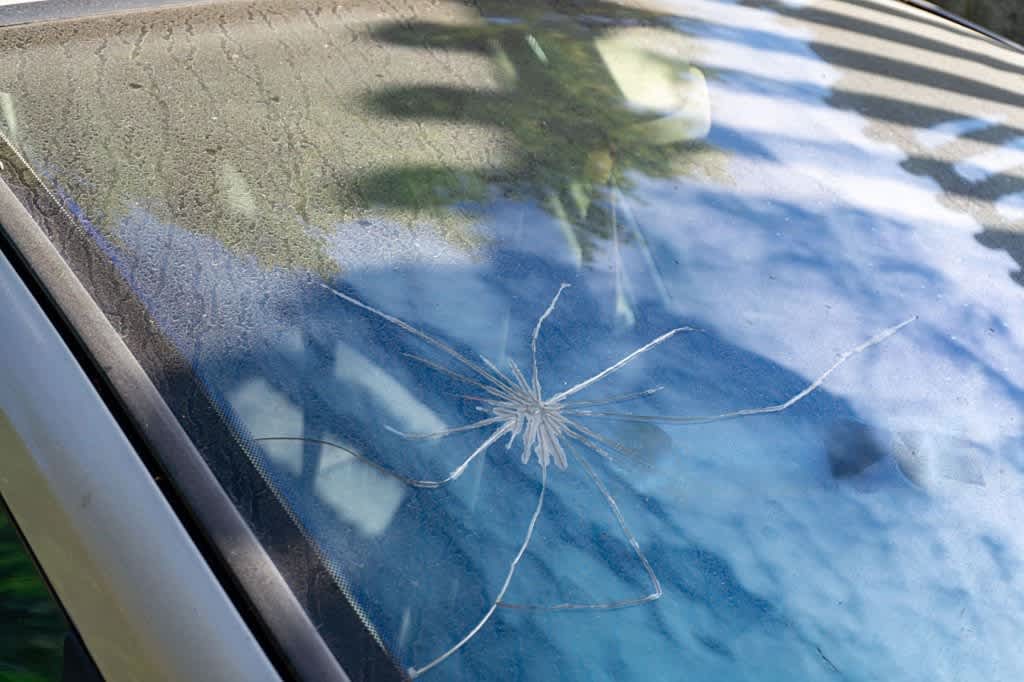
I remember a case near Lakeside Mall. A driver had a minor star-shaped chip in the center of their windshield. They ignored it for a few weeks, thinking it was harmless. One morning, during sunrise, the crack reflected sunlight directly into their eyes while merging onto M-59. The distraction caused a near-miss accident.
Cracks in this area aren’t just dangerous—they’re also legally significant. Michigan law requires that windshields allow a clear and unobstructed view of the road, and law enforcement can cite drivers for impaired visibility.
Sign 2: Chips or Cracks at the Edge of the Windshield
Edge cracks are a silent danger. The edges of your windshield provide structural support. A chip or crack here weakens the glass and can propagate across the windshield more rapidly than one in the middle.
Back in 1999, I replaced a van windshield in Sterling Heights after a chip at the bottom corner expanded during a winter thaw. The crack grew across the glass so quickly that a full replacement was the only safe solution.
If you notice damage near the windshield edges, don’t wait for it to grow. Immediate repair prevents larger structural compromise and ensures your airbags deploy correctly in a collision.
Sign 3: Spreading Cracks
Some cracks start small but grow over time. Thermal stress, vibration from roads like Van Dyke or M-59, and winter conditions can make them expand unpredictably.
I once had a customer park in a snow-covered lot near Lakeside Mall. A tiny chip turned into a 10-inch crack overnight due to moisture entering the micro-fractures. What started as a minor repair quickly escalated into a full replacement scenario.
If you notice cracks spreading, even slowly, call a professional immediately. Early intervention saves money, stress, and potential safety hazards.
Sign 4: Chips or Cracks Affecting ADAS Sensors
Modern cars often mount cameras or sensors directly to the windshield. Cracks in these areas can compromise safety features like:
- Lane departure warning
- Forward collision alert
- Adaptive cruise control
I’ve seen drivers in Sterling Heights bring in cars where cheap or DIY repairs caused sensor misalignment. Lane assist pulled the car unpredictably, and emergency braking failed intermittently. These issues are not just dangerous—they can also violate Michigan safety laws if the windshield isn’t properly replaced and calibrated.
Sign 5: Water or Moisture Seeping Into Chips
Winter in Sterling Heights means snow, ice, and slush. Water seeping into a chip or crack can freeze overnight, expanding the fracture. Moisture contamination also prevents resin from bonding correctly during DIY repairs or mobile fixes.
I remember a driver who tried a kit on a small chip in January. By the next day, moisture had penetrated under the resin, causing the crack to spread dramatically. A professional repair that accounts for moisture would have prevented this disaster.
Sign 6: Previous Improper Repairs
Not every chip that looks fixed is truly safe. Low-quality repairs, old DIY attempts, or cheap aftermarket glass can fail over time.
A customer in Sterling Heights once brought in a windshield “repaired” at a discount shop. The crack had already begun spreading because the resin didn’t bond properly and the adhesive used wasn’t AGSC-approved. We replaced it with OEM glass and AGSC-certified adhesives — a safer, longer-lasting solution.
Sign 7: Vibration-Induced Crack Growth
Winter roads are rough. Ice patches, potholes, and snow piles increase vibration stress on your windshield. Small chips can quickly propagate into larger cracks under these conditions.
Years ago, I replaced a windshield on M-59 that had a tiny chip when the driver hit a bumpy patch of snow. The vibration caused the crack to spiderweb across the glass. Had they addressed it earlier, the replacement could have been avoided.
Why DIY Isn’t Always Enough
I know DIY kits are tempting. They’re cheap, convenient, and promise a quick fix. But in Sterling Heights winters, they often fail:
- Cold temperatures prevent proper curing.
- Moisture prevents resin from bonding.
- Vibration can crack the repair immediately.
Even a “perfect” DIY repair may hide structural weaknesses. For any chip threatening safety, line of sight, or ADAS functionality, professional intervention is the only safe choice.
Insurance and Immediate Repairs
Early repair is often covered by insurance, sometimes at no cost. Waiting until a chip spreads into a full crack increases repair costs, deductible amounts, and may complicate claims.
At Save On Auto Glass, we’ve guided thousands of Sterling Heights drivers through insurance claims. Proper documentation, certified materials, and adherence to Michigan safety standards streamline the process.
What Professionals Look For
When assessing a windshield, we examine:
- Location of the chip or crack (line of sight, edges, ADAS sensor areas)
- Depth and type of crack (star, bullseye, edge, combination)
- Moisture presence
- Previous repairs
- Vehicle usage patterns (winter exposure, road conditions)
We then recommend repair or replacement based on safety, compliance, and longevity.
Real-World Examples
Case 1: Parking Lot Chip
A driver parked near Lakeside Mall, received a small chip from a gravel splash. Overnight freeze and vibration from icy roads caused rapid crack propagation. Early professional repair would have saved time and money.
Case 2: Edge Crack Van Dyke
Edge crack grew during a January thaw due to uneven thermal stress. Full replacement was necessary. DIY repair would have failed immediately.
Case 3: ADAS Sensor Damage
A Sterling Heights driver had a chip near a camera mount. DIY repair misaligned the sensor. Lane assist malfunctioned, requiring replacement and ADAS calibration.
Pro Tips From 35 Years on the Job
- Inspect chips immediately — don’t wait for cracks to spread.
- Prioritize line-of-sight and edge chips — these are high-risk areas.
- Professional repair over DIY for winter damage — temperature, moisture, and vibration are real threats.
- Document everything — photos, invoices, and certification help with insurance.
- Preventive care — park away from construction areas, avoid rapid temperature changes, and check the windshield after winter storms.
FAQs
How quickly should I repair a chip in winter?
You should repair a chip immediately, ideally within 24–48 hours of noticing it. Winter conditions in Sterling Heights, including freeze-thaw cycles, road salt, snow, and ice, cause small imperfections to expand rapidly.
Even a tiny star-shaped chip can spiderweb across your windshield when moisture enters micro-fractures and freezes overnight. Road vibrations from stop-and-go traffic on Van Dyke or M-59 further worsen the problem. Early professional repair prevents a minor chip from turning into a full windshield replacement, saving both time and money while keeping your vehicle safe.
Can DIY kits prevent crack growth?
In Sterling Heights winters, DIY kits are rarely effective for long-term results. Cold temperatures prevent resin from curing properly, and moisture from snow, ice, or frost can seep into the chip, compromising the bond.
Even if the chip appears “fixed,” vibration from icy roads, potholes, and stop-and-go traffic can cause the crack to spread immediately. DIY fixes also can’t address chips near ADAS sensors or structural areas of the windshield. Professional repairs ensure that AGSC-certified resin penetrates fully, moisture is removed, and the windshield maintains structural integrity.
Is a small chip always dangerous?
Not every small chip is immediately catastrophic, but many can pose serious risks. Chips in the driver’s line of sight can refract sunlight or headlights, creating glare and distraction.
Edge chips weaken the windshield’s structural integrity and may compromise airbag deployment in an accident. For modern cars, even tiny chips near cameras or ADAS sensors can misalign safety systems, affecting lane assist, forward collision warning, or adaptive cruise control.
Ignoring these chips, especially in Sterling Heights winter conditions, can quickly turn a minor issue into a costly and unsafe problem.
Will insurance cover early repair?
Yes, most auto insurance policies cover early windshield repair, often with no out-of-pocket cost. Promptly repairing small chips ensures that your insurer handles it as a minor repair rather than a full replacement claim, which could involve deductibles and additional paperwork.
Waiting until the crack spreads can complicate claims, increase repair costs, and sometimes require full replacement. Taking photos, documenting the damage, and using certified professionals helps streamline the insurance process and ensures compliance with safety standards.
Can a crack affect ADAS systems?
Absolutely. Modern vehicles often have cameras and sensors mounted on or behind the windshield for Advanced Driver Assistance Systems (ADAS). A chip or crack in these areas can misalign sensors, causing lane departure warnings, adaptive cruise control, or emergency braking to function incorrectly. Even minor misalignment can trigger warning lights or system errors, which may go unnoticed until an accident occurs. Professional repair ensures the windshield is replaced or fixed while maintaining accurate sensor calibration, keeping your safety systems reliable.
Are all cracks repairable?
No, not all cracks can be safely repaired. Chips that are too large, deep, spiderwebbed, or contaminated with moisture often require full windshield replacement.
Attempting to repair such cracks with DIY kits or mobile fixes may only provide a temporary cosmetic solution while compromising structural integrity. In Sterling Heights, freeze-thaw cycles, road vibrations, and winter debris increase the likelihood that large or edge cracks will propagate rapidly.
A certified professional can evaluate damage, recommend proper repair or replacement, and ensure ADAS sensors remain calibrated and functional.
Final Thoughts
Sterling Heights drivers should never underestimate the risks of small windshield chips. From winter roads to ADAS sensors, a tiny crack can escalate into a safety hazard faster than you think.
After 35 years in the trade, I’ve learned the importance of early detection, professional repair, and strict adherence to safety standards. Don’t gamble with DIY fixes or procrastination.
At Save On Auto Glass, we’ve helped thousands of drivers protect their vehicles and families, using OEM glass, AGSC-certified adhesives, and proper calibration techniques.
If you notice a chip, call us today. Share this article with someone in Sterling Heights who may be delaying their repair. Prevention saves time, money, and lives.