

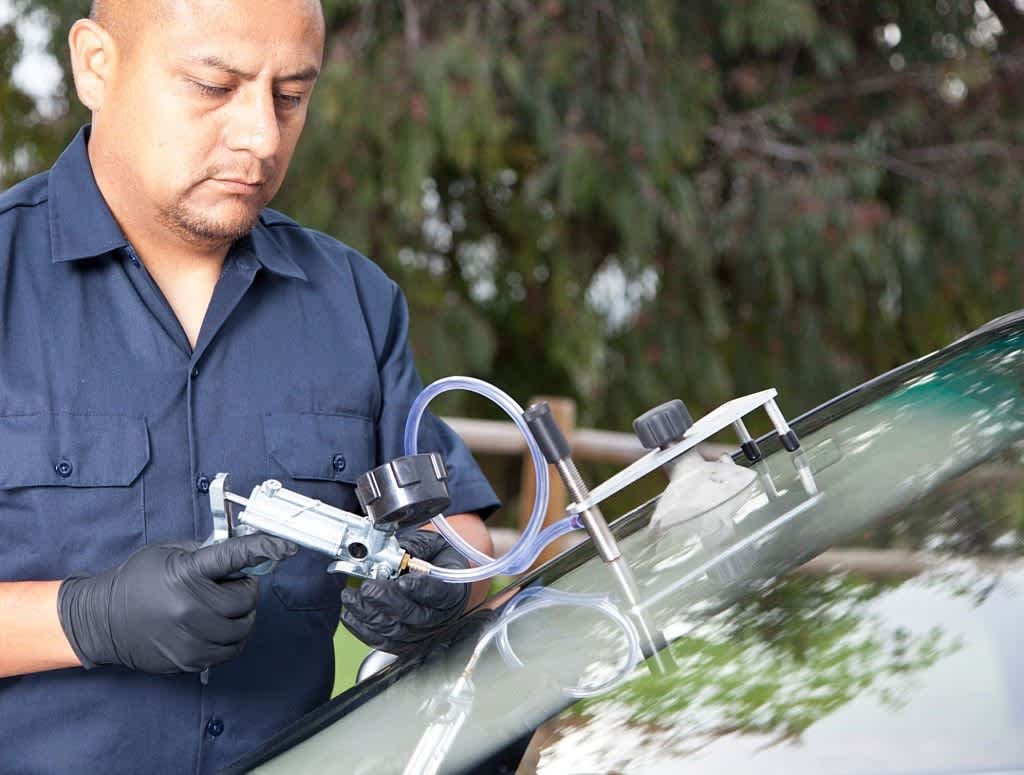
“Can You Come to Me?” — The Question I’ve Heard for 30 Years
If I had a dollar for every time a Sterling Heights driver asked me, “Do I really need to come to the shop, or can you just do it in my driveway?” I’d have retired by now.
It’s a fair question. Life is busy. Kids, work, errands, weather. Mobile windshield repair sounds convenient, and sometimes — it absolutely is. Other times, it’s the wrong choice, and I’ve seen firsthand how choosing convenience over conditions can cost drivers safety, money, and peace of mind.
I’m Ray Y., founder of Save On Auto Glass, and I’ve been repairing and replacing windshields since the late 1980s. Back when mobile vans ran noisy generators, and we mixed urethane by hand. I’ve worked curbside, roadside, shop-side, and everywhere in between. I’ve trained young techs, fixed mistakes from rushed installs, and repaired glass during Michigan snowstorms when common sense probably said to reschedule.
This article isn’t about pushing one option over the other. It’s about explaining — honestly — when mobile windshield repair works well in Sterling Heights, and when an in-shop service is the safer, smarter call.
Why This Choice Matters More Than Most Drivers Realize
A windshield isn’t just there to keep bugs out of your teeth.
It’s a structural component of your vehicle. It supports the roof in a rollover. It allows airbags to deploy correctly. On newer cars, it’s also home to ADAS cameras that help keep you from drifting lanes or rear-ending the car ahead.
Back in the early 90s, replacing a windshield was mostly about fit and sealing. Today, it’s about precision, curing conditions, camera alignment, and safety standards. That’s why choosing between mobile windshield repair and in-shop service isn’t just about convenience — it’s about control.
Control over the environment. Control over quality. Control over long-term safety.
And in Sterling Heights, with our unpredictable weather and busy roads like M-59 and Van Dyke, those factors matter even more.
How Mobile Windshield Repair Actually Works in the Real World
Let’s clear up a misconception first.
Mobile windshield repair isn’t new. I was doing it in the late 80s. The difference is expectations. Today, many drivers assume mobile service is identical to shop service — just faster and cheaper.
Sometimes, it can be close. But conditions matter.
A proper mobile setup requires a fully equipped service vehicle, stable power, controlled materials, and enough space to work safely around the car. Not every driveway, parking lot, or curbside location allows that.
I remember doing a mobile repair in Sterling Heights in 1999 behind a strip mall. Wind picked up halfway through curing. Dust contamination ruined the bond. We did the job in-shop the next day at our cost. That lesson stuck with me.
Mobile can be excellent — when conditions cooperate.
Where Mobile Windshield Repair Shines in Sterling Heights
There are plenty of situations where mobile service makes perfect sense.
Simple chip repairs done early, before moisture contamination, often work beautifully on-site. Fleet vehicles that can’t afford downtime benefit from mobile replacements when weather is stable. Busy parents appreciate not rearranging their entire day for a repair.
When we do mobile work at Save On Auto Glass, we bring the same AGSC-approved resins, OEM-grade materials, and professional standards we use in the shop. No shortcuts. No bargain-bin supplies.
In good weather, with proper space and no ADAS complications, mobile service can be just as safe and durable as in-shop work.
But that’s not always the case.
The Limits of Mobile Service Most Installers Won’t Talk About
Here’s the part many companies gloss over.
Mobile service removes environmental control. Wind. Dust. Temperature swings. Humidity. All of these directly affect urethane curing and resin bonding.
Michigan weather is especially unforgiving. I’ve watched curing times double in cold conditions. I’ve seen summer humidity introduce moisture into pinchwelds that looked clean at first glance.
In-shop service allows us to control temperature, lighting, cleanliness, and calibration equipment. That control matters — especially for full windshield replacements and ADAS-equipped vehicles.
If someone tells you mobile service is always just as good, they’re oversimplifying a complex process.
In-Shop Windshield Service: Why It Still Matters
There’s a reason professional shops still exist.
An in-shop environment gives us stability. Proper lifts. Calibration targets. Controlled curing times. Clean prep areas. Redundancy in tools if something fails mid-install.
When I train new technicians, I always start them in the shop. That’s where fundamentals are learned. Mobile work comes later, once judgment is developed.
For vehicles with advanced driver assistance systems, in-shop service often isn’t optional. Camera recalibration requires precise setups, level floors, and controlled distances. Guesswork isn’t acceptable when safety systems are involved.
In Sterling Heights, where newer vehicles are becoming the norm, this matters more every year.
ADAS Changes the Mobile vs In-Shop Conversation Entirely
This is where the conversation really shifts. Modern windshields often house forward-facing cameras. Lane departure warnings. Automatic emergency braking. Traffic sign recognition.
A windshield replacement without proper ADAS recalibration can leave these systems misaligned. That’s not theoretical — I’ve seen it happen.
Drivers come in after a mobile replacement elsewhere, complaining their car “feels off.” Lane assist pulls. Warning lights flash. The glass itself might look fine, but the safety systems aren’t.
At Save On Auto Glass, every ADAS windshield replacement follows manufacturer guidelines. When mobile recalibration isn’t safe or accurate, we bring the vehicle into the shop. Period.
No convenience is worth compromising safety.
The Truth About Cost Differences
Many drivers assume mobile service is cheaper.
Sometimes it is. Sometimes it isn’t. Simple repairs are often priced similarly. Full replacements can vary depending on travel, setup time, and recalibration needs. What matters more than price is value — doing it right once.
I’ve redone too many “cheap” installs over the years to believe bargain pricing tells the full story. Poor prep, rushed curing, and improper adhesives always show up later.
We use trusted brands like Pilkington glass and urethane from Sika and Dow because they perform consistently — whether mobile or in-shop.
Old Tools, New Tools, and Why Environment Still Wins
Back in the early days, we cut windshields with wire and muscle. Today, we have precision tools, cold knives, and advanced bonding agents.
Technology has improved — but it hasn’t eliminated physics.
Dust still contaminates bonds. Cold still slows curing. Moisture still compromises adhesion. These realities don’t care how modern the tool is.
An in-shop environment minimizes those risks. Mobile service requires experience and judgment to know when conditions aren’t right.
That judgment comes from years in the field — not from an app booking.
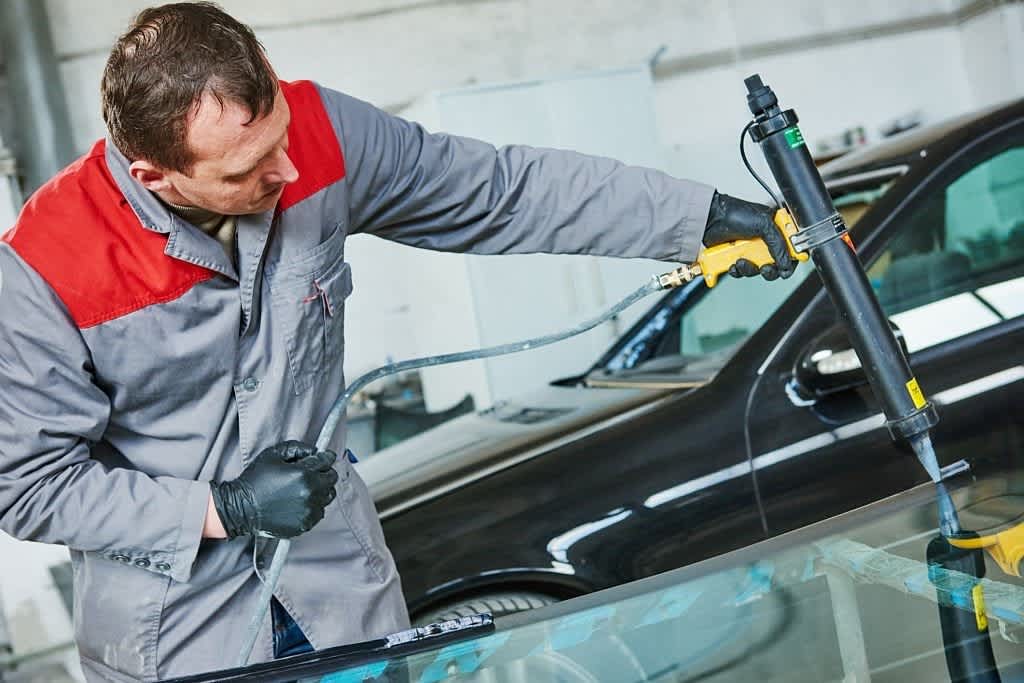
What Cheap Installers Won’t Tell You
Here’s something I wish more drivers knew.
Some mobile installers rush jobs because time is money. Faster jobs mean more volume. That can mean reduced curing times, skipped prep steps, or ignoring marginal conditions.
We don’t operate that way.
If mobile conditions aren’t right, we reschedule or recommend in-shop service. That honesty doesn’t always win immediate business — but it builds long-term trust.
And trust keeps families safer.
Insurance and Mobile vs In-Shop Service
Insurance usually doesn’t care where the work is done — as long as it’s done correctly.
What they do care about is compliance with safety standards. AGSC guidelines. OEM procedures. Proper documentation.
We work with insurers daily and know what they expect. When mobile service meets those standards, it’s approved. When it doesn’t, it shouldn’t be done.
Simple as that.
Sterling Heights Realities: What I Recommend Most Often
After decades of working locally, here’s the honest pattern I’ve seen. Chip repairs? Mobile works well when done early. Simple replacements in good weather? Mobile can be fine. ADAS vehicles? Often better in-shop. Winter replacements? Almost always in-shop.
Every vehicle is different. Every situation deserves evaluation — not a one-size-fits-all answer.
Frequently Asked Questions
Is mobile windshield repair as safe as in-shop service?
Mobile windshield repair can be just as safe as in-shop work, but it depends heavily on conditions. A controlled environment ensures proper curing of urethane, dust-free surfaces, and precise alignment. In mobile setups, wind, dirt, and temperature fluctuations can affect the bond and overall safety.
For simple chips or small cracks in good weather, mobile service often works well. However, for full replacements or ADAS-equipped vehicles, in-shop service usually provides more reliable results because technicians can control every variable.
Does the weather affect mobile windshield replacement?
Absolutely. Weather plays a huge role in mobile windshield replacement. Cold temperatures can slow urethane curing, humidity can introduce moisture into the bond, and wind can carry dust that contaminates resin or adhesive.
Even small changes in temperature or sun exposure during curing can compromise structural integrity. In Michigan, where weather is unpredictable, mobile repairs require careful judgment. Sometimes, postponing a mobile repair until conditions are ideal—or moving it in-shop—is the safer, smarter choice.
Can ADAS recalibration be done mobile?
Sometimes, yes, but not always. Many modern vehicles have forward-facing cameras and sensors integrated into the windshield for lane assist, emergency braking, and adaptive cruise. Accurate calibration requires level floors, precise distances, and controlled lighting.
Mobile environments often cannot meet these requirements, which can lead to misaligned safety systems even if the glass itself looks perfect. For vehicles with complex ADAS setups, in-shop recalibration ensures systems function exactly as designed.
Is mobile service faster?
Mobile service can save travel time, since you don’t need to drive to a shop or arrange transportation. However, the repair process itself—the cleaning, resin application, curing, and inspection—still takes the same amount of care.
Rushing to finish a job outside a controlled environment can compromise safety and result in future failures. So while mobile service is convenient, it’s not automatically “faster” in terms of quality work. True speed comes from experience and conditions aligning perfectly.
Will insurance cover mobile repairs?
Yes, insurance usually covers mobile repairs, provided the work meets safety and quality standards. Insurers care less about location and more about proper procedures being followed, documentation being accurate, and adhesives and resins meeting OEM or AGSC guidelines.
If mobile conditions compromise safety or ADAS calibration, insurers may require in-shop completion. Early repairs—done correctly—often cost nothing out-of-pocket, so professional judgment matters more than convenience when filing claims.
How do I know which option is right for me?
The best approach is a professional inspection, not guessing. A trained technician can assess the damage, check for ADAS requirements, and evaluate environmental factors like temperature, wind, or space constraints.
Mobile service works well for small chips or simple replacements in good weather.
In-shop service is often recommended for winter repairs, large cracks, or vehicles with sensors and cameras. Safety, not convenience or cost, should always guide the decision.
Final Thoughts From Someone Who’s Done It Both Ways
I’ve replaced windshields in parking lots, driveways, snowstorms, and fully equipped shops. I’ve seen mobile service done beautifully — and disastrously.
The difference isn’t the location. It’s the judgment behind the decision.
If convenience and conditions align, mobile service can be excellent. If safety, calibration, or weather raise concerns, in-shop service is the wiser choice.
At Save On Auto Glass, we don’t sell options — we recommend what’s safest for your vehicle and your family.
If you’re unsure which route makes sense, reach out. Ask questions. Share this with someone weighing the same decision.