

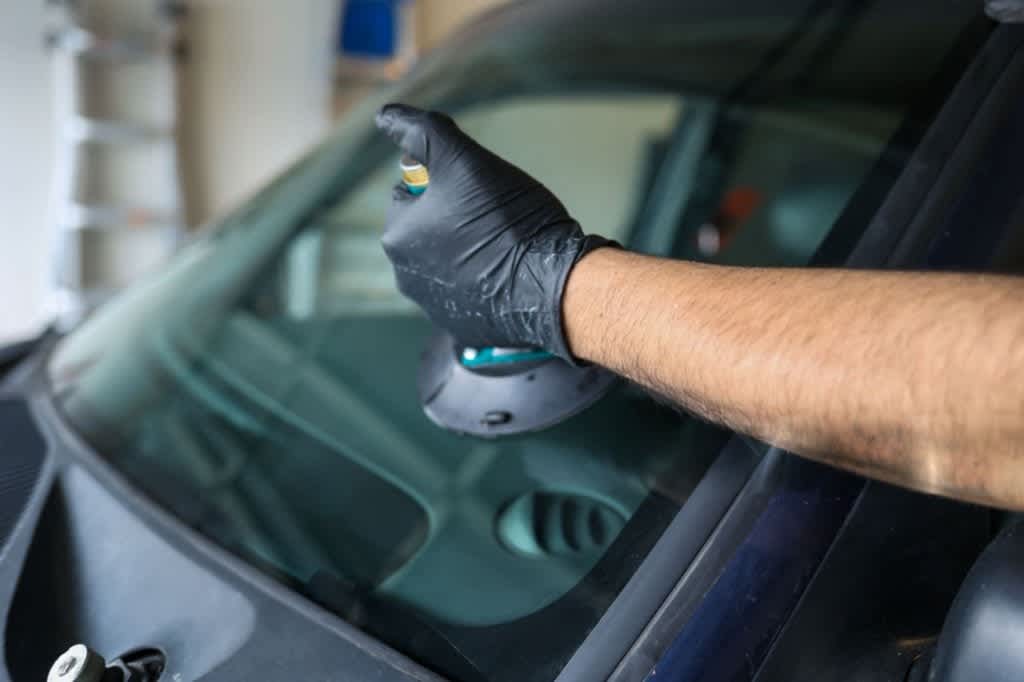
Sterling Heights drivers are no strangers to weather extremes. From hot summer afternoons on M-59 to icy winter mornings on Van Dyke, the roads—and the elements—put constant stress on your vehicle. Your windshield, often overlooked, bears the brunt of these changes.
As an Auto Glass Master Technician with over 35 years of experience, I’ve seen firsthand how weather cycles can quietly deteriorate windshields. Back in the early 90s, I repaired a car that had endured five Michigan winters. Tiny chips from sand, salt, and gravel had expanded into full-length cracks, a classic example of how repeated weather stress can compromise your glass.
Windshields are like the helmet of your vehicle: protective, crucial, and often invisible until damage occurs. Ignoring weather-related stress is a mistake that can cost drivers thousands.
How Temperature Fluctuations Affect Glass
One of the biggest culprits behind premature windshield damage is temperature fluctuation. Sterling Heights experiences some of the most aggressive seasonal contrasts in Michigan—hot, humid summers followed by long stretches of freezing winter weather.
These constant expansions and contractions place ongoing stress on auto glass, especially when the windshield already has small imperfections.
Summer Heat:
During summer, direct sunlight and high temperatures cause the windshield glass and surrounding frame to expand. While glass is strong, it is not flexible.
Existing chips or hairline cracks act as weak points, allowing heat to accelerate crack propagation. I’ve seen countless cases where a small chip that looked harmless in early July turned into a long, spreading crack by August—simply due to prolonged sun exposure while parked.
Winter Cold:
Cold weather introduces the opposite problem: contraction. Frost, ice, and snow cause the glass to shrink, while water trapped inside chips freezes and expands overnight.
This freeze-thaw cycle is one of the fastest ways to turn minor damage into a full replacement. I once helped a Lakeside Mall driver who ignored a tiny chip in late November; after one cold night, the crack had doubled in size and crossed the driver’s line of sight.
Spring and Fall Swings:
Spring and fall are often underestimated, yet they’re among the most damaging seasons for windshields. Warm afternoons followed by freezing nights create rapid thermal shifts.
These sudden changes don’t give the glass time to stabilize, leading to internal stress fractures. In Sterling Heights, this is one of the top reasons windshields fail earlier than expected—even without extreme weather events.
Even small habits, such as pulling a frozen car into a heated garage or blasting hot defroster air on icy glass, can introduce uneven expansion. When a windshield already has chips, these actions dramatically increase the risk of cracking.
The Role of Precipitation
Sterling Heights sees significant precipitation throughout the year, including rain, sleet, snow, and freezing rain. While precipitation might seem harmless compared to hail or debris, its long-term effects on windshield longevity are substantial.
Rainwater:
Rainwater can seep into microscopic cracks and chips that are invisible to the naked eye. Over time, moisture weakens the internal structure of the laminated glass. Dirt and road contaminants carried by rain further degrade the surface, making cracks more likely to spread during temperature changes.
Snow and Ice:
Heavy snow accumulation adds weight and pressure to the windshield. Ice buildup increases surface tension, especially along the edges. Improper snow removal—such as using metal scrapers or forcefully chipping away ice—can scratch the glass or stress weak areas. Even aggressive defrosting can cause thermal shock if done too quickly.
Road Salt and Sand:
Winter road treatments are essential for safety, but they’re tough on windshields. Salt and sand can corrode the edges of the glass and weaken adhesives that secure the windshield to the vehicle frame. Combined with moisture and freezing temperatures, this accelerates chip expansion and adhesive failure.
I recall a Sterling Heights driver who parked near Hall Road during a snowstorm. The windshield had minor chips from the previous winter. By February, repeated exposure to salt spray and freeze-thaw cycles had turned those small chips into long, irreversible cracks.

Windshield Chips and Cracks: Weather Accelerators
Small imperfections in your windshield are far more vulnerable to weather-related damage than most drivers realize. Chips, edge cracks, and surface pitting act as stress concentrators—areas where temperature, moisture, and vibration all focus.
How Small Chips Spread Faster
Freeze-Thaw Expansion:
Water enters even the smallest chips. When temperatures drop overnight, that water freezes and expands—up to 10%—forcing the crack to grow outward.
Thermal Expansion:
Morning sunlight hitting a cold windshield causes uneven expansion. One side of the glass heats faster than the other, pulling at existing weak points.
Vibration:
Everyday driving—speed bumps, potholes, rough pavement—transmits vibration through the vehicle frame. These vibrations repeatedly flex damaged areas, slowly extending cracks.
Over the years, I’ve repaired countless Sterling Heights windshields where a chip sat untouched for months, only to spread rapidly once weather conditions aligned. Damage near the driver’s-side edge is especially risky because it compromises both structural integrity and clear visibility.
Storms, Hail, and Wind
Severe weather events can cause immediate or delayed windshield damage. While some impacts are obvious, others weaken the glass internally and worsen over time.
Hail:
Even small hailstones can chip or pit auto glass. Sterling Heights has experienced hailstorms that sent dozens of drivers into repair shops within hours. A notable storm in the mid-90s left many windshields intact—but permanently weakened—leading to cracks months later.
High Winds:
Strong winds carry debris like gravel, branches, and construction materials. These airborne objects strike windshields with surprising force, especially near highways, construction zones, and wooded residential roads.
Heavy Rain or Freezing Rain:
These conditions increase moisture penetration into existing chips and accelerate crack growth caused by temperature stress. Freezing rain is particularly dangerous because it adds weight and creates surface ice that drivers often scrape aggressively.
Many drivers underestimate storm damage. A windshield may appear fine after a storm, but repeated exposure slowly weakens the glass. Over time, that “minor cosmetic damage” becomes a serious safety issue.
The Impact on ADAS and Safety Systems
Modern vehicles in Sterling Heights increasingly rely on Advanced Driver Assistance Systems (ADAS), like lane departure warnings and adaptive cruise control. Weather-related stress doesn’t just damage glass; it can misalign sensors:
- Cracks near sensors affect calibration.
- Edge damage can compromise adhesive holding sensors in place.
- Improper DIY repair can prevent system recalibration.
At Save On Auto Glass, we ensure every replacement or repair maintains ADAS functionality, because safety is non-negotiable. I’ve recalibrated dozens of systems after winter-related damage alone, preserving both visibility and advanced safety features.
Daily Weather Habits That Extend Windshield Life
Sterling Heights drivers can take practical steps to protect their windshields from weather-related stress:
- Inspect daily for chips — especially after temperature extremes or storms.
- Avoid rapid temperature changes — don’t blast hot air on a frosted windshield.
- Use proper snow removal tools — plastic scrapers are safer than metal.
- Park in shaded or covered areas — prevents UV damage and thermal expansion.
- Repair chips immediately — small repairs are far cheaper than full replacements.
I often tell customers, “A windshield chip is like a cavity in your tooth — the sooner you fix it, the better the outcome.” The analogy resonates because neglecting minor damage in Sterling Heights weather almost always leads to bigger problems.
Myths About Weather and Windshields
- Myth: “A chip will never spread if it’s small.” Reality: Freeze-thaw, vibration, and temperature swings can expand even microscopic chips.
- Myth: “DIY kits work in winter.” Reality: Cold prevents resin curing, and moisture prevents bonding.
- Myth: “Only hail damages windshields.” Reality: Thermal stress, debris, and frost cause far more gradual but equally dangerous damage.
Understanding these realities can save you time, money, and potential accidents.
Insurance and Weather-Related Repairs
Early repairs are usually covered by insurance. In Sterling Heights, reporting weather-related damage promptly can prevent higher costs down the road. Document the chip’s location, take photos, and schedule a professional repair as soon as possible.
At Save On Auto Glass, we handle both repair and replacement claims, ensuring OEM glass, AGSC-approved adhesives, and ADAS recalibration when necessary.
Real Sterling Heights Weather Cases
Case 1: Summer Heat Expansion
A driver parked on a hot July afternoon developed a crack from a pre-existing chip. Thermal expansion worsened the damage, requiring full replacement.
Case 2: Winter Freeze-Thaw
Ice entered a minor chip on Van Dyke Avenue. Overnight freezing caused the crack to extend from the edge to the center of the windshield.
Case 3: Spring Transition Stress
Rapid temperature swings in April caused a small star chip to expand, demonstrating how non-extreme weather changes can still damage glass.
Pro Tips for Weather-Proofing Your Windshield
- Avoid parking in direct sun or near heat sources after a frost.
- Schedule repairs immediately after storms or extreme weather.
- Ensure professional repairs, especially near ADAS sensors.
- Inspect windshield edges, which are more susceptible to adhesive weakening from moisture.
- Consider seasonal protective measures like windshield covers in winter or sunshades in summer.
FAQs
How do temperature swings affect windshield integrity?
Temperature swings cause thermal expansion and contraction. Glass expands under heat and contracts in cold. Chips or minor cracks act as stress points. Over time, this leads to crack propagation, reducing visibility and safety. Consistent inspections and early professional repairs prevent serious damage.
Can rain or snow worsen minor chips?
Yes. Water can seep into chips, and freezing temperatures expand it. Snow scraping or improper defrosting can further stress glass. Even light rain can transport dirt into cracks, weakening the surface and accelerating spread.
Are DIY repairs effective in seasonal weather changes?
Rarely. Cold temperatures prevent resin curing, while moisture can reduce adhesion. Professional repairs ensure proper bonding, restore structural integrity, and maintain safety systems, especially in winter or transitional weather.
How does road salt affect windshield longevity?
Salt can corrode edges, adhesives, and mounting areas. Repeated exposure over winter can weaken glass structure and make chips more prone to spreading. Professional repair with proper cleaning mitigates these effects.
Can minor cracks compromise ADAS systems?
Yes. Cracks near ADAS sensors can misalign cameras, lane assist, and collision prevention systems. Professional repair ensures calibration and functionality are maintained.
How quickly can weather-related damage spread?
Even minor chips can expand within 24-48 hours if exposed to freeze-thaw cycles, vibration, and thermal stress. Early inspection and professional repair are critical for longevity and safety.
Final Thoughts
Sterling Heights weather changes—from scorching summer heat to icy winters—affect windshield longevity more than most drivers realize. Minor chips, unnoticed cracks, and even edge stress can expand quickly under seasonal stress.
After 35 years repairing and replacing windshields, I’ve learned that prevention, early repair, and professional service are essential. At Save On Auto Glass, we help drivers navigate weather-related damage safely, using OEM glass, AGSC-approved adhesives, and ADAS recalibration when needed.
Inspect, repair, and protect your windshield year-round. Share this article with fellow Sterling Heights drivers—early action saves money, frustration, and most importantly, keeps your family safe.