


If you’ve lived or shopped in Sterling Heights long enough, you’ve probably experienced this moment.
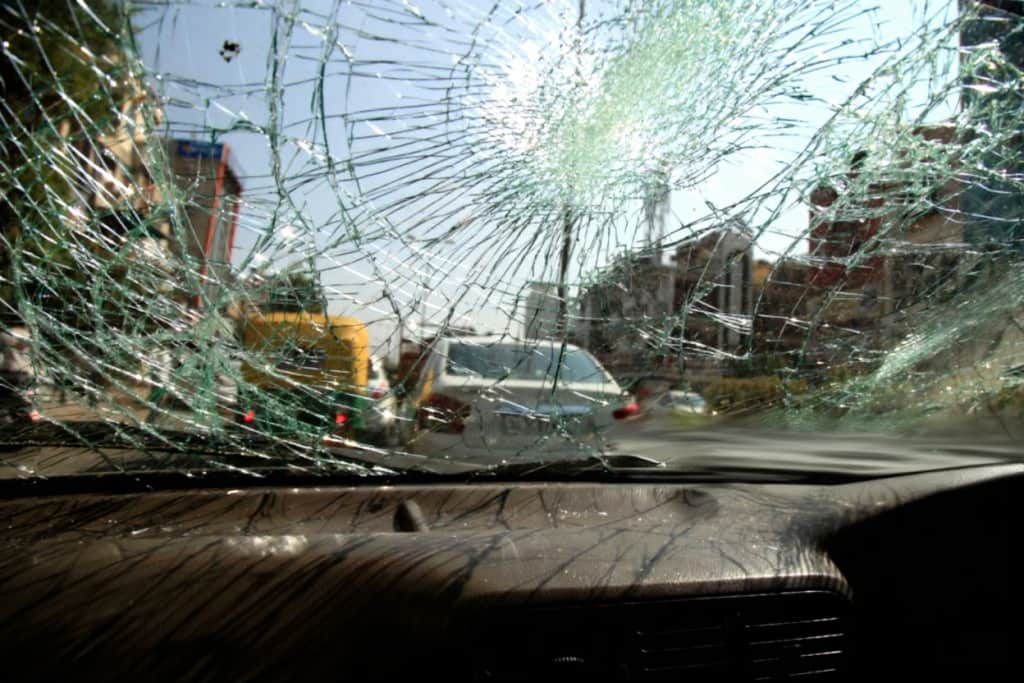
You park at Lakeside Mall, Dodge Park Plaza, or one of those busy grocery centers along Van Dyke. You come back with bags in hand. The car looks fine at first glance. Then the sunlight hits just right — and there it is. A fresh chip. Maybe a thin crack crawling its way across your windshield like a spider finding a new home.
I’ve seen that look on customers’ faces for over three decades now. Confusion first. Then frustration. Sometimes panic.
“Revin, I swear it wasn’t there when I parked.”
And most of the time? I believe them.
I’m Revin Y., founder of Save On Auto Glass, and I’ve been repairing and replacing windshields since the late 1980s — back when mobile vans rattled louder than the engines and we mixed our own urethane by hand.
Over the years, I’ve replaced thousands of windshields right here in Sterling Heights. A surprising number of them trace back to one place people rarely suspect: parking lots.
This article isn’t meant to scare you. It’s meant to explain what’s really happening out there between the shopping carts, delivery trucks, winter debris, and Michigan weather — and why parking lot damage affects windshields far more than most drivers realize.
Why Parking Lot Windshield Damage Matters More Than You Think
A windshield isn’t just glass. It’s part of your vehicle’s safety system. I like to explain it this way: your windshield is the helmet of your car. It supports roof strength, helps airbags deploy correctly, and keeps you protected in a rollover.
Back in the early 90s, windshields were simpler. Today, they’re structural, bonded with high-strength urethane, and often loaded with ADAS cameras and sensors. That means a small parking lot chip isn’t just cosmetic anymore. Left untreated, it can compromise safety, trigger expensive recalibration issues, and turn a $0 insurance repair into a four-figure replacement.
Sterling Heights shopping areas are especially tough on windshields. High traffic. Tight parking. Older pavement. Constant freeze-thaw cycles. It’s a perfect storm — and I’ve watched it play out year after year.
The Silent Culprits in Sterling Heights Parking Lots
Most drivers imagine a dramatic impact when glass gets damaged. A loud crack. A visible strike. But parking lot damage usually happens quietly.
I’ve personally inspected hundreds of windshields where the driver never heard a thing.
Loose gravel from winter plowing gets kicked up by tires. Shopping carts drift in the wind and tap glass just hard enough to chip it. Delivery trucks roll through with mud and stones stuck in their treads. Even car doors slamming nearby can flex a compromised windshield enough to spread an existing micro-fracture.
One time, back in 1999, I repaired a windshield right off Hall Road for a woman who parked near a loading dock. A pallet jack dropped nearby. The vibration alone caused a chip that had been dormant for months to run six inches overnight. She hadn’t driven the car once.
That’s the part people don’t expect.
How Sterling Heights Weather Turns Minor Chips Into Major Cracks
Michigan weather doesn’t forgive damaged glass.
A tiny chip picked up in a parking lot during fall can sit quietly until winter hits. Then the temperature drops. Glass contracts. Moisture inside that chip freezes and expands. Suddenly, a harmless blemish becomes a long crack stretching across the driver’s line of sight.
I’ve watched this pattern repeat every year like clockwork. October chips. January replacements.
Summer isn’t any kinder. Park in a hot shopping lot under direct sun. The glass heats unevenly. Turn on the AC full blast. That thermal shock can send a crack racing faster than you’d believe.
This is why I always tell customers: the best windshield repair is the one you do early. Waiting almost always costs more.
Shopping Centers That Create Higher Risk Zones
I’m not naming places to shame anyone. But after 35 years, patterns become obvious.
Large retail centers with heavy delivery traffic see more windshield damage. Older shopping plazas with cracked asphalt and loose gravel are repeat offenders. Areas near cart returns without barriers are hotspots — carts don’t need much force to damage glass.
I’ve replaced dozens of windshields for drivers who frequent the same few Sterling Heights shopping areas weekly. Once you know what to look for, you can’t unsee it.
The irony? Most of the damage doesn’t happen while you’re driving. It happens while your car is sitting still.
Why Parking Lot Chips Spread Faster Than Highway Chips
This surprises people, but parking lot damage often spreads faster than highway rock strikes.
Highway impacts usually hit clean glass at speed, creating tight, contained chips. Parking lot damage tends to involve dirty debris, moisture, and low-energy impacts. That contamination seeps into the glass layers.
Once moisture and dirt enter a chip, repair becomes harder. Resin can’t bond properly. Structural integrity weakens. Even the best AGSC-approved resins struggle if contamination sets in.
That’s why we always inspect parking lot damage carefully before recommending repair. Sometimes, replacement is the only safe option — even if the chip looks small.
The Parking Lot Mistakes That Cost Drivers Thousands
Over the years, I’ve seen well-intentioned drivers make the same mistakes again and again.
They ignore a small chip because “it’s not in my line of sight.”
They tape over it, thinking that helps.
They wait until it spreads, hoping insurance will still cover it.
Here’s the truth: tape doesn’t fix anything. It can actually trap moisture. And insurance companies are far more likely to deny coverage once damage spreads beyond repairable size.
At Save On Auto Glass, we’ve helped over 10,000 drivers navigate these situations. The ones who act early almost always save money — and stress.
Cheap Parking Lot Repairs vs Professional Work
I’ll be blunt here, because safety matters. Not all windshield repairs are equal. Especially mobile parking lot repairs offered at bargain prices.
I’ve inspected jobs where low-grade resin was used, curing was rushed, and safety standards were ignored. Those windshields often fail months later — sometimes during airbag deployment.
We use AGSC-approved resins and OEM-grade glass only. Brands like Pilkington. Adhesives from Sika and Dow. Materials I trust because I’ve tested them in real Michigan conditions for decades.
This isn’t about upselling. It’s about doing it right once.
ADAS, Cameras, and Why Parking Lot Damage Is Riskier Than Ever
Modern vehicles rely on windshield-mounted cameras for lane assist, emergency braking, and adaptive cruise control.
A parking lot chip near an ADAS camera housing can distort camera vision — even if the crack seems harmless. Replacement without proper recalibration can leave systems misaligned.
I’ve had customers come in after a “cheap replacement” elsewhere, only to find their lane assist pulling unexpectedly. That’s not coincidence. That’s calibration error.
Every ADAS windshield replacement we do follows manufacturer guidelines. No shortcuts. No guessing.
Real Cost Breakdown: Repair vs Replacement
Let’s talk real numbers, not sales talk.
Most parking lot chips, if caught early, can be repaired — often fully covered by insurance. Replacement costs vary depending on vehicle type, glass complexity, and ADAS requirements.
What makes the difference is timing. Delay turns a small fix into a larger expense. And in Sterling Heights, weather accelerates that timeline faster than most places.
Insurance Myths That Hurt Drivers
One myth I hear constantly: “I’ll wait until it gets worse so insurance replaces it.” That strategy backfires more often than not.
Insurance companies document damage progression. If a crack spreads due to neglect, coverage can be reduced or denied. Repairs done early are usually the smoothest claims we handle.
We work directly with insurers every day. I’ve built those relationships over decades. It matters more than people realize.
Pro Tips From the Field
If you park in busy Sterling Heights shopping areas regularly, a few habits can save you headaches.
Park away from cart returns when possible. Avoid spots near loading zones. If you notice a chip, cover it temporarily only to keep debris out — then get it inspected quickly. Avoid extreme temperature changes until it’s repaired.
Most importantly, don’t ignore it.
Frequently Asked Questions
Why do parking lot chips seem to spread faster than highway chips?
Parking lot chips often involve low-impact debris, dirt, and moisture, unlike high-speed highway hits.
That contamination seeps into the glass layers, making repairs harder and structural integrity weaker. Even a small chip can grow quickly if left untreated, especially in Michigan weather, where freezing and thawing cycles put extra stress on the glass.
Early repair prevents these minor blemishes from turning into major cracks.
Can a small parking lot chip compromise safety?
Yes, even tiny chips matter. Windshields are a structural component of your car—they support the roof, help airbags deploy correctly, and keep passengers protected in collisions.
A minor chip may seem cosmetic, but it can reduce the windshield’s strength. If it spreads or reaches the edge, it can fail during an accident or interfere with safety systems, making early repair crucial.
How does Michigan’s weather affect windshield chips from shopping lots?
Michigan’s weather accelerates chip damage. Cold contracts the glass, heat expands it, and moisture can seep into small chips and freeze, causing cracks to grow overnight.
Sunlight hitting one area unevenly while running the AC can also stress the glass. In Sterling Heights, these cycles mean a chip from October could require replacement by January if ignored.
Are DIY fixes effective for parking lot chips?
DIY fixes, like tape or over-the-counter resin kits, usually provide temporary cosmetic improvement but don’t restore strength.
Tape can trap moisture, making professional repair harder. Even resin kits struggle if dirt or water contaminates the chip. Controlled professional repair ensures proper bonding, restores structural integrity, and avoids complications with ADAS cameras or sensors.
How can ADAS cameras be affected by parking lot damage?
Windshield-mounted cameras for lane assist, adaptive cruise, or emergency braking can be misaligned by even a small chip nearby.
A cracked glass area can distort the camera’s view, causing safety features to malfunction. Professional replacements follow manufacturer calibration guidelines to ensure systems work correctly after any repair. Ignoring this can compromise vehicle safety without the driver noticing.
The Bigger Picture — Why This Keeps Happening
I remember my first windshield install back in ’92. No cameras. No recalibration. Just glass, urethane, and patience. Today, windshields are smarter — and more fragile in some ways. Parking lots haven’t changed much, but vehicles have. That mismatch is why we’re seeing more damage, not less.
Sterling Heights drivers aren’t careless. They’re just dealing with modern glass in old environments.
Final Thoughts From the Shop Floor
After 35 years in this trade, I can tell you one thing with certainty: most windshield damage isn’t bad luck. It’s unnoticed.
Parking lots don’t look dangerous. But they quietly cause more windshield damage than highways ever will.
If you take one thing away from this article, let it be this: early inspection saves money, stress, and keeps your family safer.
If you’ve noticed a chip — or just want peace of mind — we’re here.
At Save On Auto Glass, we treat every windshield like it’s protecting our own family.
Feel free to comment below with your experience, or share this with someone who parks where you park.