

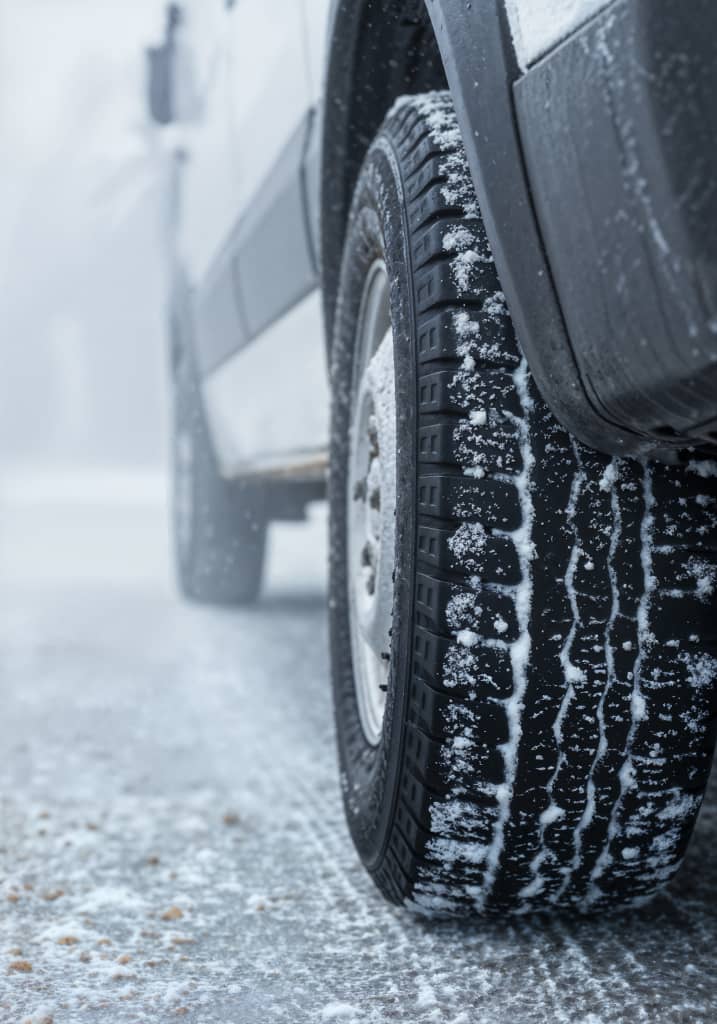
If you’ve ever driven across Michigan in January, you know the roads can be unforgiving. Potholes that seem to appear overnight, gravel that gets flung from trucks like tiny missiles, and sudden ice patches that make even a slow Sunday drive feel like a stunt scene.
And for your windshield? Let’s just say it’s often the first thing to take the hit.
I’m Revin Y., a 35-year veteran Auto Glass Master Technician and founder of Save On Auto Glass. I’ve repaired and replaced thousands of windshields since the late ’80s, back when glass bonding wasn’t nearly as advanced and mobile repair vans ran on noisy generators that scared the neighbors.
I’ve trained young techs, worked with dealerships, insurance companies, and fleet owners — and seen every mistake a beginner or careless installer could make.
Let me walk you through how Michigan’s roads and weather play a huge role in windshield damage, why you should care, and what it takes to protect yourself and your family.
How does the weather affect cars in Michigan?
Michigan’s weather is tough on cars, especially windshields. Freezing winters, salty roads, potholes, and sudden temperature swings can cause chips to expand into long cracks.
Back in the early ’90s, I remember a Sterling Heights client whose small winter chip spread overnight due to a freeze-thaw cycle.
Spring brings potholes and debris that stress glass, while summer heat can warp already damaged windshields.
Even rain and humidity can interfere with adhesive curing during replacement. Salt and gravel make matters worse by scratching the surface.
The takeaway? Michigan weather is relentless, and proper maintenance, timely repairs, and professional installation are essential to prevent damage and ensure safety.
Do you have to have a windshield in Michigan?
Yes. Michigan law requires a functional windshield on every vehicle. It’s not just legal — it’s a safety feature.
The windshield supports the car’s structure, protects passengers from debris, and ensures airbags deploy correctly. Modern cars also integrate ADAS systems like lane departure warnings, which rely on the windshield. Driving without one increases injury risk and can result in citations.
I’ve seen cars in the late ’80s driven without windshields after accidents — they were unsafe and legally liable. Keeping your windshield in good condition is not optional; it’s essential for safety, compliance, and ADAS functionality.
Can you get a ticket in Michigan for a cracked windshield?
Yes. Michigan officers can issue a ticket if a crack obstructs the driver’s view. Even small chips that seem harmless can spread and impair visibility, especially during winter.
I recall a family who delayed repairing a minor crack — a pothole made it worse, and they were cited during a traffic stop. Fines vary, but the bigger concern is safety and insurance.
A compromised windshield can affect claims or ADAS systems. Repairing chips promptly with OEM glass and professional adhesives is the best way to stay safe, legal, and avoid tickets.
Does Michigan allow windshield tint?
Michigan law allows tint only above the AS-1 line of the windshield — usually a small strip at the top. Full windshield tint is illegal. Front side windows must remain largely untinted for visibility.
Tinting can interfere with ADAS sensors and reduce nighttime visibility, which is risky in Michigan winters. I’ve seen vehicles with dark aftermarket tint struggle with lane departure systems.
Always check manufacturer specs and state law. A properly installed, legal tint is safe, but going beyond the limits can compromise both safety and legality.
What is the 257.301 law in Michigan?
Michigan’s MCL 257.301 law requires vehicles to have safety glass in windshields and windows. It also states that glass must remain in good condition and not obstruct the driver’s view. Violations can lead to fines, and driving with compromised glass may affect insurance claims.
In my experience, ensuring every windshield replacement complies with 257.301 is critical for safety. Using OEM-grade glass and AGSC-approved adhesives guarantees compliance while protecting passengers and maintaining proper function of ADAS systems.
Why Michigan Weather Is Tough on Windshields
Michigan has four distinct seasons, each bringing its own set of challenges for your windshield.
Winter: The Freeze-Thaw Battle
Back in the early ’90s, I remember working on a 1992 Chevy Suburban in Sterling Heights. The windshield had spiderweb cracks that spread faster than I could say “road salt.” Why? Michigan’s winters are brutal: roads salted to prevent ice, temperature swings from -10°F to 35°F, and freeze-thaw cycles that turn tiny chips into long cracks overnight. Winter makes this even more important — learn why here
Here’s why this happens:
- Water seeps into small chips and freezes. Ice expands, widening the cracks.
- Salt and grit act like sandpaper, creating micro-abrasions.
- Cold temperatures slow the curing of adhesives if a windshield is replaced during a harsh snap.
Spring: Pothole Season
Michigan’s winters leave roads pocked with potholes. Hitting one at just the wrong angle can chip your windshield instantly.
I’ve seen fleet vans that had perfect windshields in December, only to arrive in March with dozens of stress fractures.
Summer: Sun + Heat + UV Damage
The sun may seem harmless, but Michigan summers can reach 90°F, baking a windshield. Heat causes glass to expand; a chip from winter can suddenly spider out. This is also when DIY repair kits often fail — the resins don’t bond properly if the glass isn’t clean and dry.
Fall: Falling Debris
Leaves, acorns, and other debris can hit your windshield unexpectedly. Even minor impacts, when combined with the seasonal expansion and contraction of glass, can become major cracks.
Roads That Work Against You
Michigan roads can be tough on your windshield. Gravel roads, construction zones, and city streets are constantly bombarded with debris, creating hazards for drivers. Highways often send flying stones from trucks, which are a top cause of chips.
Construction zones with loose gravel and uneven surfaces put extra stress on your windshield, and urban streets are riddled with potholes that seem to appear overnight. I remember back in 1999, a minivan parked near a construction site in Sterling Heights received a tiny chip from a passing truck.
Left untreated, it spread across the entire windshield in just two weeks, highlighting how quickly damage can escalate.
How Cracks Spread
It’s simple physics. Glass is under tension; even a tiny nick weakens the structure. Add stress from:
- Road vibrations
- Temperature swings
- Wind pressure at highway speeds
…and that small chip can quickly turn into a safety hazard.
Pro Tip: No, taping the crack won’t fix it. It’s like trying to patch a helmet with duct tape — it’s still unsafe.
The Importance of OEM-Grade Glass
Not all windshields are created equal. Cheap aftermarket glass may seem like a cost-saving option, but it can shatter more easily, distort vision, and compromise ADAS (advanced driver-assistance systems) like lane departure warnings. Adhesives used with low-quality glass often fail to bond correctly, especially in Michigan’s extreme weather.
At Save On Auto Glass, we use AGSC-approved resins and OEM-grade glass to ensure every windshield offers the clarity, strength, and safety your vehicle deserves.
DIY vs Professional Installation
DIY windshield kits are tempting, but Michigan weather makes professional installation critical. Cold or humid conditions can prevent adhesives from curing properly, and even a small amount of moisture can weaken the bond.
Modern vehicles also rely on ADAS sensors and cameras, which must be precisely aligned for proper functionality.
I once inspected a DIY install where the bond was uneven, and a harsh Michigan winter caused the edges to pop loose — a risk no driver should take.
Mobile Technicians in Michigan
When winter weather makes it impossible to visit a shop, mobile technicians are a lifesaver. Mobile installation works well if the technician uses a heated, insulated van, employs AGSC-approved adhesives rated for extreme temperatures, and keeps dust and moisture away from the work area. Even a single speck of dirt can compromise the seal, so attention to detail is critical.
Michigan-Specific Safety Tips
- Check windshield chips after winter storms
- Avoid using hot water to de-ice — thermal shock can crack glass
- Park in shaded areas in summer — UV can weaken glass over time
- Repair chips promptly — small cracks are cheaper and safer to fix early
Pro Tips for Longevity
Allow proper curing time for adhesives — typically 1–2 hours for basic drive-away strength and up to 24 hours for full bonding in extreme temperatures. Keep the windshield clean and dry during this period, and avoid car washes or high-pressure water streams immediately after replacement.
Following these steps ensures your new windshield maintains its strength, clarity, and protective function for years to come.
Frequently Asked Questions (FAQs)
1. How long does windshield replacement take?
For standard vehicles, a windshield replacement typically takes 1–2 hours. If your car has ADAS features like lane assist or collision warnings, calibration may add an extra 30–60 minutes to ensure all sensors function correctly.
2. Is OEM glass worth it?
Absolutely. OEM glass provides the best fit, optical clarity, and structural integrity. It ensures your airbags deploy correctly and that ADAS cameras and sensors function as designed, which is especially important in harsh Michigan weather.
3. Can rain affect curing?
Yes. Moisture can compromise the adhesive bond if a windshield is installed in wet conditions. Proper curing in dry conditions is essential for safety, preventing leaks, and ensuring the windshield maintains its structural strength.
4. Do I need ADAS recalibration?
If your vehicle has lane departure, collision warning, or adaptive cruise systems, recalibration is necessary. Misaligned sensors can cause malfunctions, compromise safety features, and even affect insurance coverage in case of an accident.
5. Will insurance cover it?
Many comprehensive insurance policies cover windshield repairs or replacement, but coverage can vary. Prompt reporting, documenting the damage, and confirming OEM coverage increases the likelihood of a smooth claim process.
6. How do I stop cracks from spreading?
Repair chips immediately, avoid driving over potholes at high speeds, and don’t expose the windshield to sudden temperature changes. Early repair prevents small cracks from turning into expensive, safety-compromising damage.
7. Can cheap glass really be dangerous?
Yes. Low-quality glass can shatter more easily, distort vision, and fail to bond properly with adhesives. Using OEM-grade glass ensures proper safety performance, clarity, and reliable protection for your vehicle and passengers.
8. Is mobile replacement reliable in winter?
Yes, if the technician uses a heated, insulated van and AGSC-approved adhesives. Proper precautions, like avoiding moisture contamination and following curing guidelines, are essential to ensure the windshield bonds securely even in cold conditions
Key Takeaways
- Michigan’s weather and roads make windshields vulnerable year-round
- Cracks spread quickly under stress, temperature swings, and moisture
- OEM glass and AGSC-approved adhesives are critical for safety
- DIY repairs often fail in extreme Michigan conditions
- Prompt, professional replacement protects you, your passengers, and your vehicle’s value
Conclusion
I’ll never forget the first car I repaired in Sterling Heights in 1992. A small chip had grown overnight during a January freeze. The driver was worried about insurance, costs, and safety — and rightly so.
By using the proper OEM glass, AGSC-approved resin, and following the curing process carefully, we restored the vehicle to like-new safety.
Michigan’s roads and weather can be harsh, but your windshield doesn’t have to suffer. Stay vigilant, repair early, and always trust professionals who know these conditions inside and out.
If you’ve had a windshield story — a crack that spread overnight or a repair that saved the day — share it in the comments. Let’s help Michigan drivers protect their vehicles one windshield at a time.