

“I’ll Fix It Later” — The Most Expensive Sentence I Hear
If I had to pick the single most common phrase I’ve heard in my career, it wouldn’t be about price. It wouldn’t be about insurance.
It would be this:
“I’ll fix it later.”
I’ve been replacing and repairing windshields since the late 1980s, long before Sterling Heights looked the way it does now. Back then, cracks were simpler. Cars were simpler. Laws were looser. Today, a cracked windshield is a very different animal.
I’m Ray Y., founder of Save On Auto Glass. I’ve repaired and replaced thousands of windshields in Sterling Heights — from beat-up work trucks to brand-new SUVs with more cameras than my first shop had tools.
And if you’re asking how long you can drive with a cracked windshield, you’re already in that gray area where timing matters more than you think.
This article isn’t meant to scare you. It’s meant to tell you the truth — the kind you only learn after 35 years of watching “small cracks” turn into big problems.
Why This Question Matters More in Sterling Heights Than Most Places
Sterling Heights isn’t gentle on windshields.
We’ve got heavy traffic on M-59 and Van Dyke. Harsh winters. Big temperature swings. Rough pavement. Parking lots full of loose gravel and shopping carts with a mind of their own.
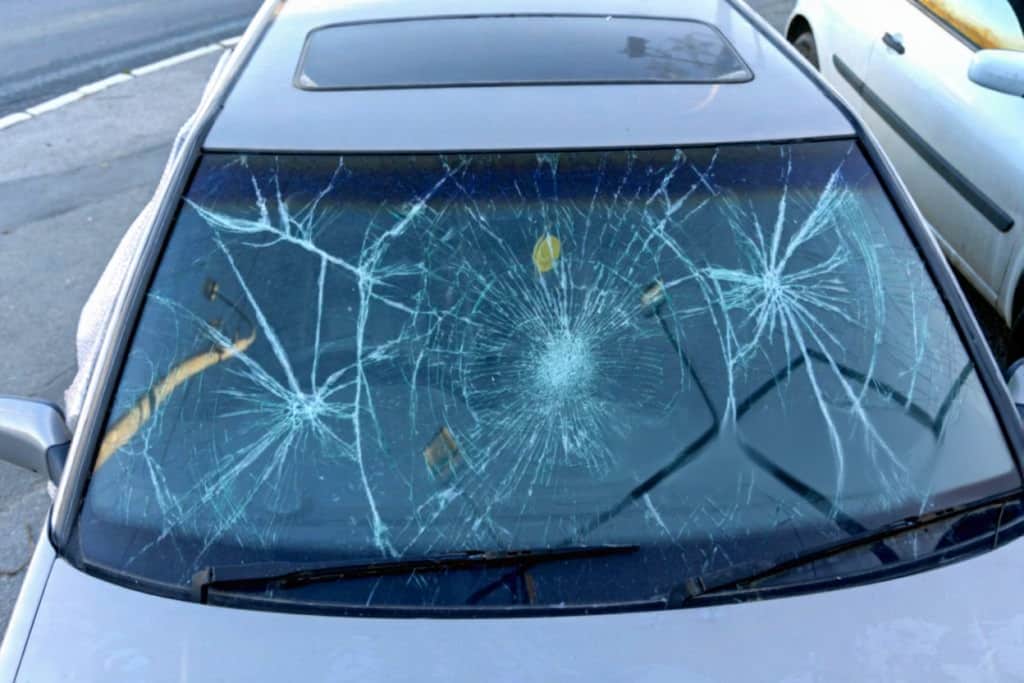
A crack that might survive a few weeks in a mild climate can turn into a full windshield failure here overnight. I’ve seen it happen hundreds of times.
Back in the early 90s, I replaced a windshield for a guy near Dodge Park who had been driving with a crack “for months.” One cold snap later, that crack split clean across the glass while he was driving. No impact. No warning. Just stress and temperature doing their thing.
That lesson still applies today — only now the stakes are higher.
What a Cracked Windshield Really Means for Safety
Let’s clear something up. A windshield isn’t just there so you can see where you’re going. It’s a structural component of your vehicle. I always tell customers this: your windshield is the helmet of your car.
It supports the roof in a rollover. It keeps passengers inside during a collision. It allows airbags to deploy correctly.
When a windshield is cracked, its structural integrity is already compromised. That means in an accident — even a minor one — it may fail when you need it most.
I’ve seen crash photos where everything looked manageable until the windshield popped out. Once that happens, the safety chain breaks.
And no, cracks don’t have to be big to be dangerous.
The Different Types of Cracks — And Why They Behave Differently
Not all cracks are created equal. After decades in the field, I can usually tell how long a crack will last just by looking at it.
A small chip from a parking lot pebble might sit quietly for weeks — until moisture gets in. A stress crack starting at the edge of the glass is far more dangerous and unpredictable. Long cracks that cross the driver’s line of sight aren’t just annoying — they’re often illegal.
I remember repairing a windshield in Sterling Heights in 1999 where the crack looked stable for months. One warm day, the driver turned on the AC full blast. The temperature difference caused the crack to run from pillar to pillar in seconds.
Glass remembers stress. And it releases it when conditions are right.
How Michigan Weather Shortens Your “Safe Driving” Window
If you lived somewhere warm and dry year-round, you might get away with driving longer on a cracked windshield.
Sterling Heights doesn’t offer that luxury. Cold causes glass to contract. Heat causes it to expand. Moisture seeps into cracks and freezes. Sunlight heats one area faster than another. Every one of these factors adds stress.
This is why I always tell customers: time works against cracked glass in Michigan.
A crack that looks harmless today can become dangerous tomorrow — especially during winter or summer heat waves.
Is It Legal to Drive with a Cracked Windshield in Michigan?
This is one of the most misunderstood areas. Michigan law doesn’t specify exact crack sizes, but it does require that windshields provide a clear view of the road and not impair safe operation. That gives law enforcement discretion.
If a crack interferes with your line of sight, you can be cited. If it compromises safety, you can be pulled over. And if you’re involved in an accident, that crack may suddenly matter a lot more.
I’ve had customers call me after being ticketed, shocked that “something so small” caused an issue. Visibility isn’t subjective when safety is involved.
How Long Can You Drive with a Cracked Windshield?
Here’s the honest answer most shops won’t give you: There is no safe universal timeline.
Some cracks spread in hours. Others take weeks. But none get better on their own.
In Sterling Heights, with our weather and road conditions, driving weeks or months with a crack is a gamble. And the longer you wait, the more likely that crack becomes unrepairable.
I’ve watched customers turn a free insurance repair into a full replacement just by waiting too long.
Why Cracks Spread When You Least Expect It
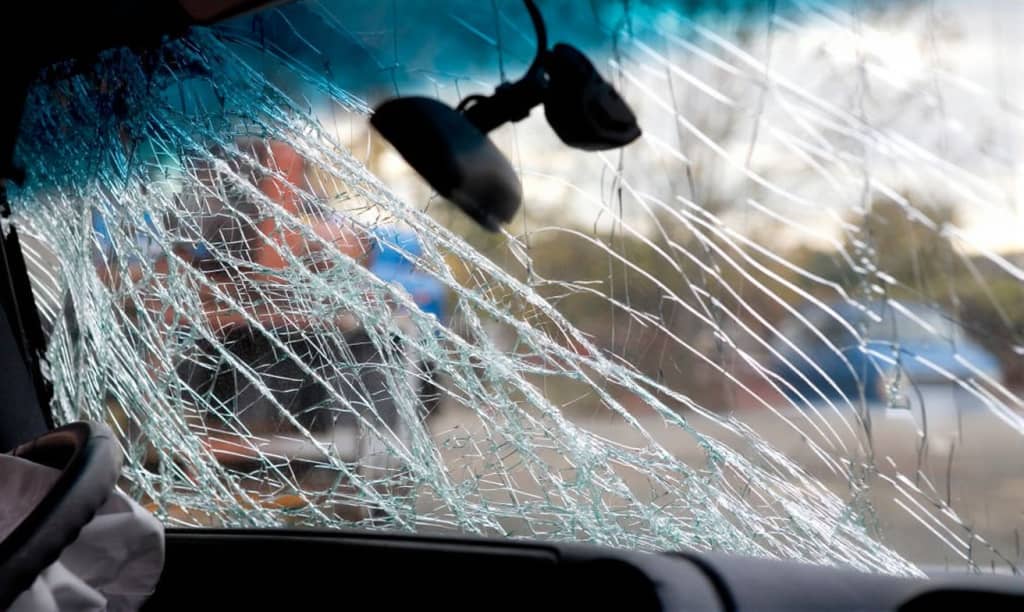
Cracks don’t spread because you’re unlucky. They spread because of physics.
Vibration from potholes. Door slams. Speed bumps. Temperature changes. Moisture contamination. Even washing your car with hot water in winter can do it.
Once a crack starts moving, you don’t control it anymore.
I’ve seen cracks spread while a car sat parked overnight. No driving involved.
DIY Fixes and Why They Usually Fail
Let me be very clear here.
Tape doesn’t fix cracks. Nail polish doesn’t fix cracks. Internet kits don’t fix long cracks.
At best, they hide damage temporarily. At worst, they trap moisture and dirt, making professional repair impossible.
I’ve had customers come in apologizing because they “tried something first.” I never judge — but I do explain that once contamination sets in, options shrink.
Professional repair works because of controlled resin flow, vacuum cycles, and curing methods. This isn’t guesswork.
Old Windshields vs Modern ADAS Glass
Back in ’92, if you cracked a windshield, you replaced glass. That was it. Today, many vehicles have forward-facing cameras mounted to the windshield. Lane assist. Automatic braking. Collision warnings.
A crack near that camera doesn’t just affect visibility — it can distort sensor readings. Replacing that windshield without proper ADAS recalibration can leave systems misaligned.
I’ve seen drivers unknowingly drive for months with safety systems not functioning correctly after ignoring cracked glass.
That’s not something you feel — until you need it.
Insurance: The Part Drivers Stress About the Most
Here’s some good news. In most cases, insurance covers windshield repair at no cost to you. Repairs are cheaper for insurers than replacements. That’s why early action matters.
Waiting until a crack spreads often changes the claim from repair to replacement. Sometimes coverage still applies. Sometimes deductibles kick in.
At Save On Auto Glass, we work with insurance companies daily. We know how to document damage properly and help drivers avoid unnecessary costs.
But we can’t reverse time.
The Cost of Waiting — Beyond Money
Money isn’t always the biggest cost.
I’ve had parents come in worried after realizing their cracked windshield could affect airbag deployment. I’ve seen drivers panic when cracks spread mid-drive. I’ve replaced windshields for people who ignored cracks until inspection time — then had to rush.
Stress has a cost, too.
Most of those situations could’ve been avoided with early inspection.
When a Crack Is No Longer Safe — Period
There are moments when the answer becomes very simple. If a crack is in your direct line of sight, it’s unsafe. If it reaches the edge of the glass, it’s unstable.
If it’s spreading, it’s already too late to ignore. At that point, driving “just a little longer” becomes a risk — not a convenience.
Pro Tips From 35 Years in the Field
I’ve learned a few things the hard way. Cover fresh chips temporarily only to keep dirt out. Avoid extreme temperature changes. Don’t blast heat or AC directly onto cracked glass. Get it inspected early — even if you think you’ll wait.
Information buys you options. Waiting removes them.
Frequently Asked Questions
How long is it safe to drive with a cracked windshield?
There’s no universal answer. Some cracks can spread within hours, especially under Michigan’s extreme temperature swings, road vibrations, or moisture exposure.
Others might stay stable for a few weeks, but none improve on their own. Waiting increases the risk of the crack spreading, which can make the windshield unrepairable and compromise safety. Early inspection is the only reliable way to know if it’s still safe to drive.
What types of cracks are the most dangerous?
Edge cracks and long cracks that cross the driver’s line of sight are the most concerning. Even small chips near the windshield edge can weaken structural integrity.
Stress cracks from temperature changes or chips that sit near ADAS cameras can cause unexpected sensor issues. Essentially, if a crack is spreading, reaches the edge, or affects visibility, it’s already unsafe.
Can Michigan weather make cracks worse?
Absolutely. Cold temperatures cause glass to contract, heat makes it expand, and moisture can seep into cracks and freeze.
Sunlight hitting one section of the glass more than another can also stress the windshield. In Sterling Heights, these factors mean a chip that seems minor today can grow into a serious problem overnight. Weather plays a huge role in how quickly a crack spreads.
Are DIY fixes like tape or resin kits effective?
DIY attempts can temporarily hide a crack, but they rarely fix the structural damage. Tape can trap dirt and moisture, making professional repair harder.
Even home resin kits aren’t as reliable as controlled repairs done with proper vacuum cycles and curing methods. Professional repair ensures proper bonding and, for modern cars, preserves sensor alignment.
Think of DIY as a temporary first aid, not a permanent fix.
How does a cracked windshield affect vehicle safety?
Your windshield isn’t just for seeing the road—it helps support the roof, keeps passengers inside during a collision, and allows airbags to deploy correctly.
Even small cracks weaken these functions. In accidents, a compromised windshield can fail unexpectedly, reducing protection. For cars with ADAS features, cracks can distort sensor readings, making safety systems unreliable.
Will insurance cover a cracked windshield repair?
Most insurance policies cover minor windshield repairs at little or no cost because repairs are cheaper than full replacements.
Delaying action often converts a repair claim into a replacement claim, which may involve deductibles. Documenting the damage quickly and scheduling repair early helps avoid unnecessary costs and stress. Acting promptly ensures both safety and savings.
Final Thoughts:
I remember my first windshield install back in ’92. No cameras. No recalibration. No debates about driving with cracks.
Today, things are different. Windshields do more. They matter more. And ignoring cracks costs more — in money, safety, and peace of mind.
If you’re asking how long you can drive with a cracked windshield in Sterling Heights, the real answer is this:
Probably less time than you think.
If you’re unsure, get it checked. Ask questions. Share this with someone putting it off.
At Save On Auto Glass, we’ve helped over 10,000 drivers make the right call before a small problem became a big one.
And after 35 years, I can promise you this — fixing it early is almost always the smartest decision.