

Can You Pass Michigan Vehicle Inspection with a Cracked Windshield in Auburn Hills?
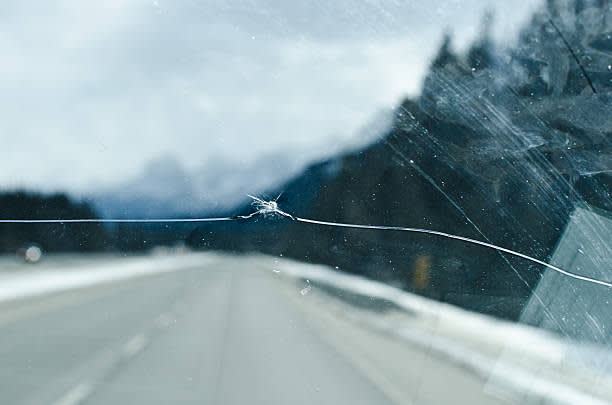
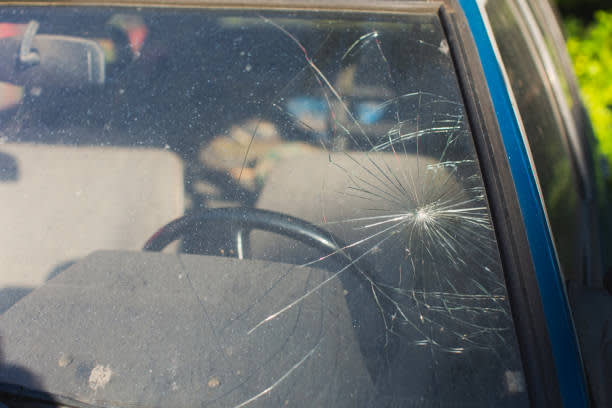
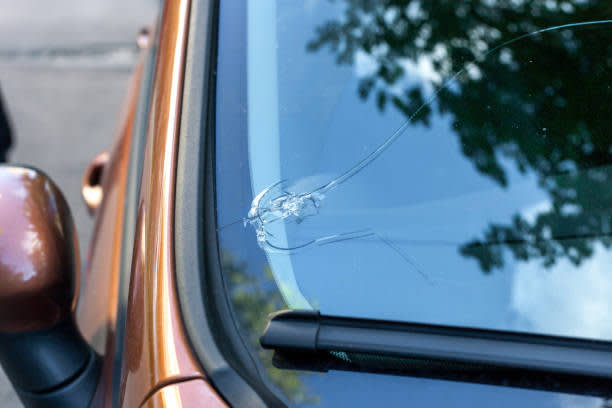
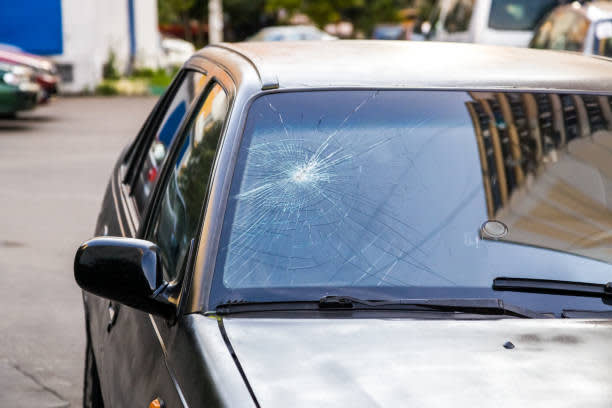
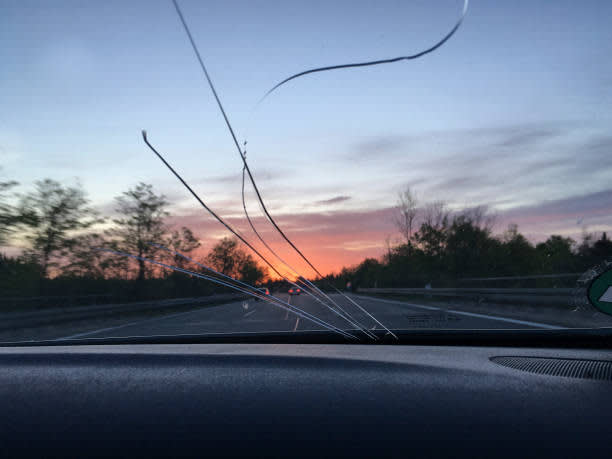
A windshield is much more than a piece of glass—it’s a critical component for vehicle safety. It protects drivers and passengers, supports the roof in a rollover, and works with airbags during collisions. In Auburn Hills, even a small crack can put drivers at risk and affect inspection results. I remember working on a 1995 Chrysler that had a minor chip from gravel on I-75. While it seemed negligible, it compromised the windshield’s bonding and could have caused an airbag misfire if ignored. Today, inspectors follow strict standards, and cracks that weren’t an issue decades ago can now result in failed inspections. Michigan Vehicle Inspection Requirements for Windshields Understanding Michigan’s windshield inspection requirements is crucial before assessing whether a cracked or chipped windshield will pass. Michigan law mandates that vehicles undergo a safety inspection to ensure they meet minimum safety standards for both visibility and structural integrity. Inspectors evaluate not only the physical condition of the glass but also how it interacts with modern vehicle safety systems. Key requirements include: Windshield Integrity:Inspectors look for any cracks, chips, or damage that may obstruct the driver’s view or weaken the structural support of the vehicle. Even a small crack in the line of sight or near an edge can result in a failed inspection. A windshield is part of the vehicle’s safety structure, so compromised integrity can pose risks in collisions or rollovers. Safety Glass Compliance:Only windshields meeting federal and state safety standards are accepted. Laminated or tempered glass must be intact, free of cracks that could reduce its ability to contain passengers during an accident. Using non-OEM glass or improperly installed windshields may result in inspection failure. Sensor and Camera Functionality:Modern vehicles rely on ADAS features like lane departure warning, adaptive cruise control, and automatic emergency braking. Inspectors check that sensors and cameras mounted on or near the windshield are fully functional. Misaligned sensors from cracks or chips can trigger inspection failure and post-inspection warning lights. Types of Windshield Damage That May Fail Inspection Not all windshield damage is treated equally. Some issues are minor, while others can immediately trigger a failed inspection. Understanding the types of damage that are likely to fail can help Auburn Hills drivers avoid surprises: Cracks in the Driver’s Line of Sight:Any crack, chip, or fracture directly in front of the driver reduces visibility and increases risk of failure. Even a small star or bullseye chip in this area can obscure vision or reflect sunlight, causing inspection failure. Edge Cracks: Damage near the perimeter of the windshield is particularly dangerous because it compromises the adhesive bonding that holds the glass in place. Edge cracks are more prone to spreading, especially during temperature changes or vehicle vibrations, and often lead to mandatory replacement. Large Chips: Star or bullseye chips exceeding a quarter size are considered significant defects. Multiple or oversized chips reduce structural integrity and visibility, making them a common cause of failed inspections. Multiple Chips: Scattered chips across the windshield, especially near the rearview mirror or sensors, can accumulate risk. Even if individual chips seem minor, their combined effect often leads to inspection failure. How ADAS Affects Inspection Outcomes Advanced Driver Assistance Systems (ADAS) have transformed vehicle safety, but they also add complexity to inspection standards. Cameras, lane assist sensors, and adaptive cruise control systems are often mounted near the windshield. Any cracks or chips in these areas can misalign sensors, triggering inspection issues: Inspection Failure: Misaligned sensors due to damage may fail the safety inspection outright. Inspectors consider not just the visible crack but its impact on sensor function. Warning Lights Post-Inspection:Even if a crack seems minor, improperly calibrated ADAS can illuminate warning lights after inspection, creating confusion and possible safety concerns. Safety Hazards: Misaligned sensors can compromise automatic braking, lane departure alerts, and adaptive cruise control, increasing the risk of accidents. In Auburn Hills, I repaired a 2020 Chrysler 300 with a star chip near the forward collision camera. Mobile repair service corrected the chip and recalibrated the sensor, allowing the vehicle to pass inspection flawlessly and ensuring all safety systems remained operational. Mobile vs In-Shop Repairs for Inspection Readiness When preparing for a vehicle inspection, timing and convenience are crucial. Mobile repairs have become increasingly popular among Auburn Hills drivers for minor damage: Mobile Repair:Technicians come directly to your home, office, or parking lot, offering same-day service. Mobile repairs are particularly valuable for busy drivers or last-minute inspection prep. ADAS recalibration is included when chips are near sensors, ensuring inspection compliance. In-Shop Repair: Best for extensive or complex damage such as edge cracks, spiderweb fractures, or full windshield replacement. In-shop service takes longer due to scheduling, removal, and replacement procedures, but provides a controlled environment for precision work. For example, a Jeep Cherokee owner discovered a small chip on M-59 the day before inspection. Mobile repair during her lunch break prevented failure and allowed her to maintain her work schedule, illustrating the convenience and practicality of mobile service. Seasonal Considerations for Windshield Damage Weather significantly impacts windshield durability and inspection outcomes in Auburn Hills. Temperature fluctuations, snow, ice, and debris can worsen minor damage, making timely repair essential. Winter Hazards: Summer Challenges: Spring and Fall Construction: Common Mistakes Auburn Hills Drivers Make Even experienced drivers sometimes underestimate the impact of minor windshield damage. Common mistakes include: Repeatedly, I’ve seen vehicles fail inspection because drivers underestimated small damage, leading to additional trips, repairs, and avoidable expenses. Cost Considerations for Inspection-Ready Repairs Prompt professional repair saves both money and stress: Insurance Coverage for Pre-Inspection Repairs Many Auburn Hills drivers are unaware that insurance often covers professional pre-inspection repairs: At Save On Auto Glass, we assist clients with filing claims and coordinating repairs to ensure compliance with inspection requirements, maintaining both safety and affordability. Tips for Preparing Your Windshield for Inspection FAQs: Final Thoughts Passing Michigan vehicle inspection in Auburn Hills is about far more than meeting legal requirements—it’s a critical step in ensuring your safety, protecting your passengers, and maintaining the performance of your